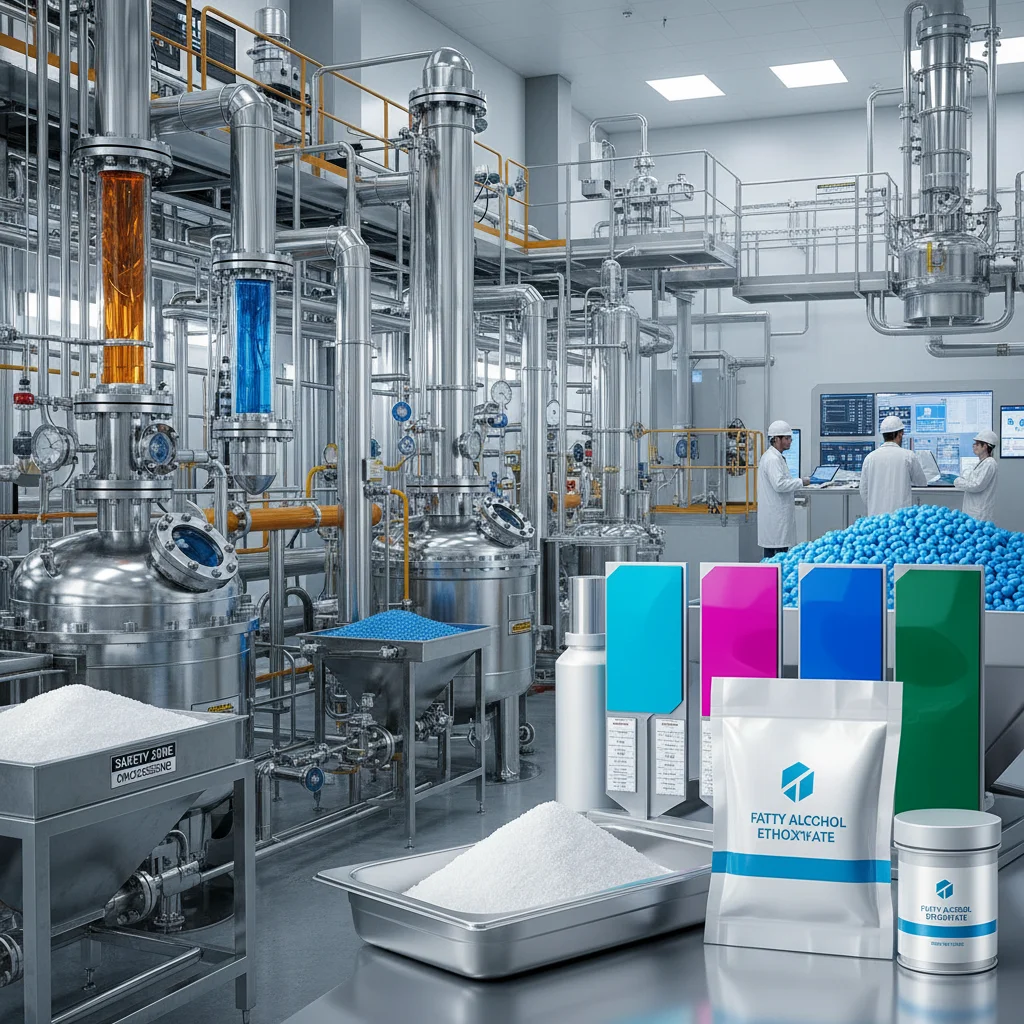
Detergent thickener plays a critical, yet often unseen, role in the efficacy and stability of cleaning products worldwide. From household laundry detergents to heavy-duty industrial cleaners, these additives are essential for achieving the desired viscosity, preventing phase separation, and enhancing overall performance. Understanding the nuances of detergent thickener technology is paramount for manufacturers seeking to optimize their formulations and meet evolving consumer demands.
The global market for detergents is substantial, with significant economic implications. According to recent reports, the global detergents market was valued at USD 83.12 billion in 2023 and is projected to reach USD 103.95 billion by 2032, growing at a CAGR of 2.3% from 2024 to 2032. This growth is fueled by rising hygiene awareness, increasing disposable incomes, and expanding urbanization, particularly in emerging economies. Effective detergent thickener systems are vital to maintaining product quality and cost-effectiveness in this competitive landscape.
The development and application of detergent thickeners address a key challenge in the cleaning industry: maintaining stable, usable formulations across varying temperatures and conditions. Without these critical components, detergents can separate into layers, lose their cleaning power, or become difficult to dispense. This impacts not just product performance, but also consumer satisfaction and brand reputation.
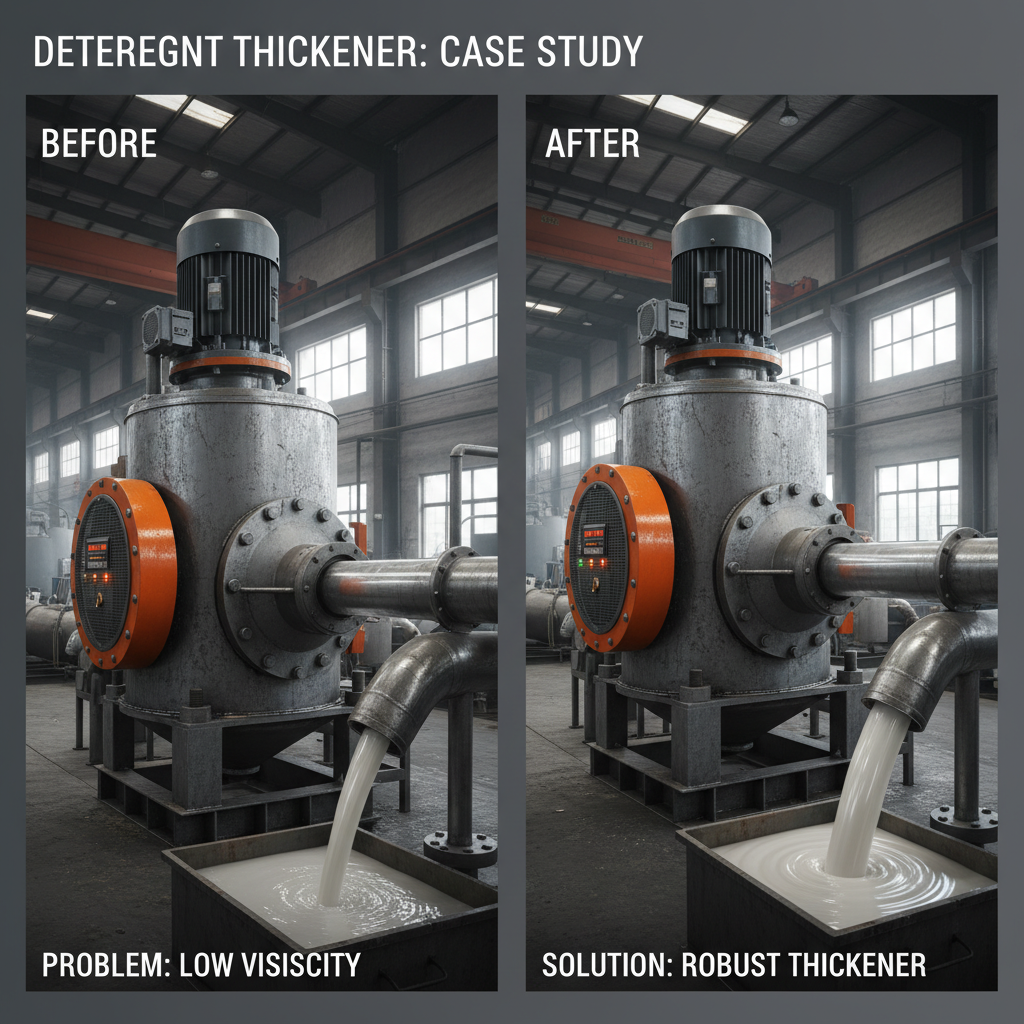
Introduction to Detergent Thickener
Detergent thickener, in its broadest sense, encompasses a range of polymeric substances and inorganic materials designed to increase the viscosity of liquid detergent formulations. These additives are crucial for ensuring that the detergent remains homogenous, providing a desirable texture for consumer use, and preventing settling of solid ingredients. The selection of the appropriate detergent thickener significantly impacts the final product’s aesthetic appeal and functional properties.
The ongoing research and development within this field are driven by demands for environmentally friendly, high-performing, and cost-effective solutions. The increasing consumer focus on sustainability is pushing manufacturers to explore bio-based thickeners and reduce reliance on traditional petrochemical-derived polymers. This shift represents a significant opportunity for innovation and growth within the detergent industry.
Defining Detergent Thickener
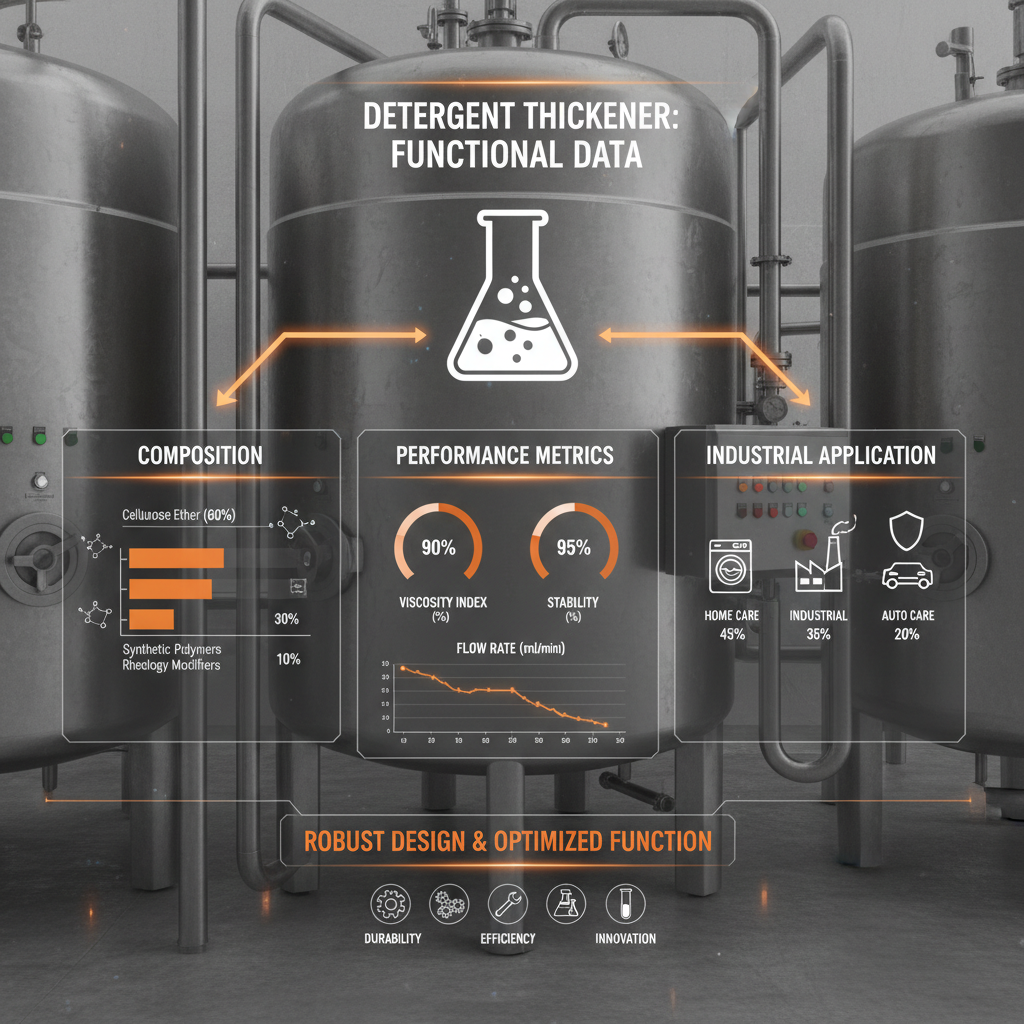
At its core, a detergent thickener is a substance added to a liquid detergent to enhance its viscosity. Viscosity refers to a fluid’s resistance to flow – a thicker detergent has higher viscosity. This isn’t merely about the feel of the product; viscosity affects how the detergent suspends particles, coats surfaces, and ultimately cleans. Common types include polymers like cellulose derivatives, synthetic polymers such as polyacrylates, and inorganic materials like clays.
The function of a detergent thickener extends beyond simple viscosity control. It also contributes to the stability of the formulation, preventing separation of ingredients and maintaining a consistent appearance over time. This is particularly important for products containing surfactants, builders, and other components that may have different densities or solubilities. A well-formulated detergent thickener system ensures a homogenous and effective cleaning solution.
The relevance to modern industry and humanitarian needs stems from the need for efficient and effective cleaning solutions in diverse settings. From large-scale industrial cleaning operations to providing sanitation in disaster relief efforts, stable and reliable detergent formulations are vital. The choice of thickener can significantly impact the cost, performance, and environmental footprint of these solutions.
Key Factors Influencing Thickener Performance
Several factors determine the effectiveness of a detergent thickener. Salt Tolerance is paramount, as detergents often contain high concentrations of electrolytes which can disrupt polymer structures, leading to viscosity loss. The thickener must maintain its effectiveness in the presence of these salts.
Shear Thinning is another important characteristic. This refers to the ability of the thickener to reduce viscosity under stress (like stirring or dispensing) and then recover its original viscosity when the stress is removed. This ensures easy pourability and application without sacrificing stability.
Compatibility with Surfactants is crucial. Surfactants are the primary cleaning agents in detergents, and they can interact with thickeners, potentially causing precipitation or reduced performance. A compatible thickener will maintain its integrity and function in the presence of these surfactants. Finally, Cost-Effectiveness is always a consideration, balancing performance with affordability.
Applications of Detergent Thickeners
Detergent thickeners are ubiquitous across a wide range of cleaning applications. In Laundry Detergents, they provide the desired viscosity for easy pouring and prevent separation of components during storage. In Dishwashing Liquids, they create a rich, stable foam and ensure effective grease removal.
Industrial Cleaners, used in manufacturing and maintenance, often require high-performance thickeners to maintain stability in harsh environments and at elevated temperatures. In Surface Cleaners, such as all-purpose sprays, thickeners help create a consistent spray pattern and improve cleaning efficacy. They are also essential in specialized applications like Automotive Cleaners and Hand Sanitizers, where texture and stability are critical.
Detergent Thickener Performance Comparison
Advantages of Utilizing Detergent Thickeners
The benefits of incorporating detergent thickeners are multifaceted. They lead to Enhanced Product Stability, preventing phase separation and maintaining consistent performance over the product's shelf life. This translates into reduced product waste and improved consumer satisfaction.
Furthermore, effective thickening contributes to Improved Cleaning Performance by ensuring optimal contact between the detergent and the surface being cleaned. This is particularly important for formulations designed to remove stubborn stains or grease. Cost savings can also be realized through optimized formulations and reduced ingredient settling.
Future Trends in Detergent Thickener Technology
The future of detergent thickener technology is focused on sustainability and performance. Bio-Based Thickeners, derived from renewable resources like plant starches and cellulose, are gaining popularity as alternatives to petrochemical-based polymers. Smart Thickeners, which respond to specific stimuli (like temperature or pH), offer the potential for customized cleaning solutions.
Nanotechnology is also playing a role, with nanoscale thickeners offering enhanced stability and performance at lower concentrations. The integration of Digitalization and Automation in formulation development will accelerate the discovery of new and improved thickener systems. These advances align with the growing consumer demand for environmentally friendly and high-performing cleaning products.
Increased regulation on the use of certain chemicals is driving innovation toward safer and more sustainable thickener options. We are likely to see an expansion in the use of naturally derived polymers and a focus on minimizing the environmental impact of thickener production and disposal.
Challenges and Innovative Solutions
Despite advancements, several challenges remain in the field of detergent thickening. Maintaining stability in high-electrolyte environments continues to be a significant hurdle, as salts can disrupt polymer structures. Achieving cost-effectiveness with bio-based thickeners is another challenge, as these materials are often more expensive than their synthetic counterparts.
Innovative solutions include developing modified polymers with enhanced salt tolerance, optimizing formulation strategies to minimize electrolyte interference, and exploring novel sourcing and production methods for bio-based materials to reduce costs. Combinational approaches, utilizing synergistic blends of different thickeners, are also proving effective in overcoming performance limitations.
Furthermore, the development of encapsulation technologies can protect thickeners from degradation and improve their stability in harsh conditions. These solutions will be crucial for meeting the evolving demands of the detergent industry and creating more sustainable cleaning products.
Summary of Detergent Thickener Challenges and Solutions
| Challenge |
Impact on Performance |
Potential Solution |
Implementation Difficulty (1-5) |
| Salt Tolerance |
Viscosity Loss, Phase Separation |
Modified Polymer Structures |
3 |
| Bio-Based Cost |
Higher Production Expenses |
Novel Sourcing & Production Methods |
4 |
| Surfactant Compatibility |
Precipitation, Reduced Performance |
Careful Formulation & Thickener Selection |
2 |
| Thermal Stability |
Viscosity Breakdown at High Temperatures |
Cross-linking and Polymer Stabilization |
3 |
| Environmental Impact |
Non-Biodegradable Polymers |
Transition to Bio-Based Alternatives |
4 |
| Shear Thinning Control |
Difficult Pouring/Dispensing |
Optimized Polymer Molecular Weight |
2 |
FAQS
Synthetic detergent thickeners, like polyacrylates, offer excellent performance and cost-effectiveness, but are derived from petrochemicals and may have limited biodegradability. Natural thickeners, like cellulose derivatives and starches, are renewable and biodegradable, but may exhibit lower salt tolerance or higher cost. The choice depends on desired performance characteristics, environmental considerations, and budgetary constraints. Formulators often use blends to leverage the benefits of both types.
High salt concentrations can disrupt the intermolecular forces that hold thickener polymers together, leading to a decrease in viscosity and potentially causing phase separation. This is particularly problematic in laundry detergents and dishwashing liquids, which often contain significant amounts of electrolytes. Selecting thickeners with high salt tolerance or using salt-shielding agents can mitigate this issue.
Detergent thickeners prevent the settling of solid ingredients and maintain a homogenous mixture over time. This is crucial for ensuring consistent cleaning performance and preventing product separation. They achieve this by increasing the viscosity of the liquid, creating a more stable suspension.
While historically synthetic thickeners offered superior performance, advancements in bio-based thickener technology are closing the gap. Modified natural polymers and innovative processing techniques are enhancing their salt tolerance, shear thinning properties, and overall efficacy. Increasingly, bio-based options are competitive with synthetic alternatives, particularly when environmental sustainability is a key consideration.
Selecting the appropriate thickener requires careful consideration of several factors, including the detergent's formulation, intended application, desired viscosity, salt concentration, temperature range, and cost constraints. Thorough testing and evaluation of different thickeners are essential to identify the optimal solution. It is also important to assess compatibility with other ingredients.
Current trends include the development of "smart" thickeners that respond to environmental stimuli, the use of nanotechnology to enhance performance, and a strong focus on bio-based and biodegradable materials. Researchers are also exploring new methods for modifying natural polymers to improve their properties and reduce costs. The goal is to create sustainable, high-performing thickeners that meet the evolving needs of the detergent industry.
Conclusion
Detergent thickener technology is a crucial, yet often underestimated, component of the cleaning industry. From ensuring product stability and enhancing cleaning performance to driving innovation in sustainability, these additives play a vital role in meeting the evolving needs of consumers and manufacturers. Understanding the key factors influencing thickener performance, the diverse range of applications, and the emerging trends in this field is essential for developing effective and environmentally responsible cleaning solutions.
Looking ahead, the development of bio-based, smart, and nano-enhanced thickeners will further revolutionize the detergent industry. Continued research and collaboration between scientists, engineers, and manufacturers will be crucial for unlocking the full potential of these technologies and creating a future where cleaning products are both highly effective and environmentally sustainable. For more information and to explore our range of detergent thickener products, please visit our website: www.zjsles.com