16,Apr 2026
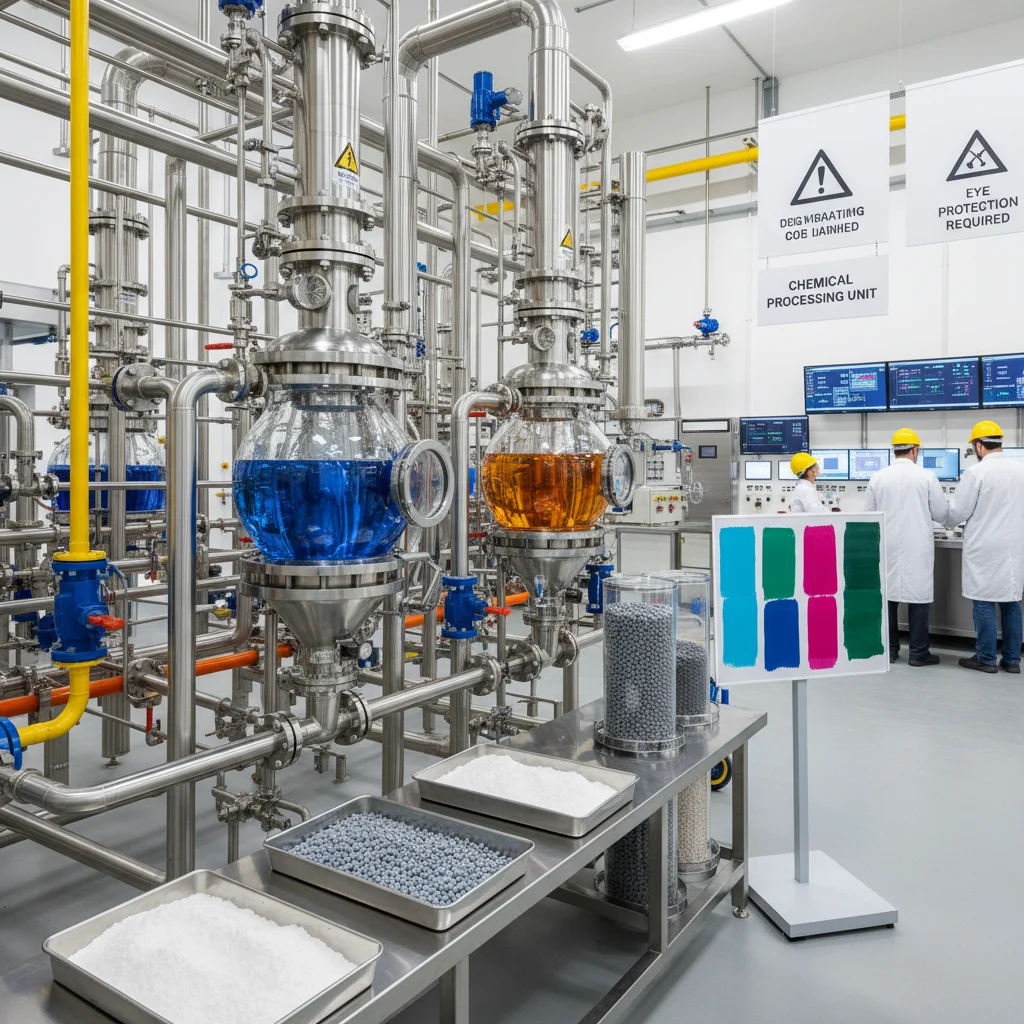
Sodium Silicate Solution Properties and Industrial Applications
In the world of industrial chemistry, few compounds are as versatile and widely utilized as Sodium Silicate Solution. Often referred to as water glass, this inorganic chemical compound is essential across a multitude of sectors, from detergent manufacturing to advanced construction and soil stabilization. Its unique ability to act as an adhesive, a sealant, and a pH regulator makes it an indispensable tool for engineers and chemists alike. In this comprehensive guide, we will explore the technical specifications, diverse applications, and the critical advantages of integrating high-quality silicate solutions into your production processes to ensure efficiency and durability.
31,Mar 2026
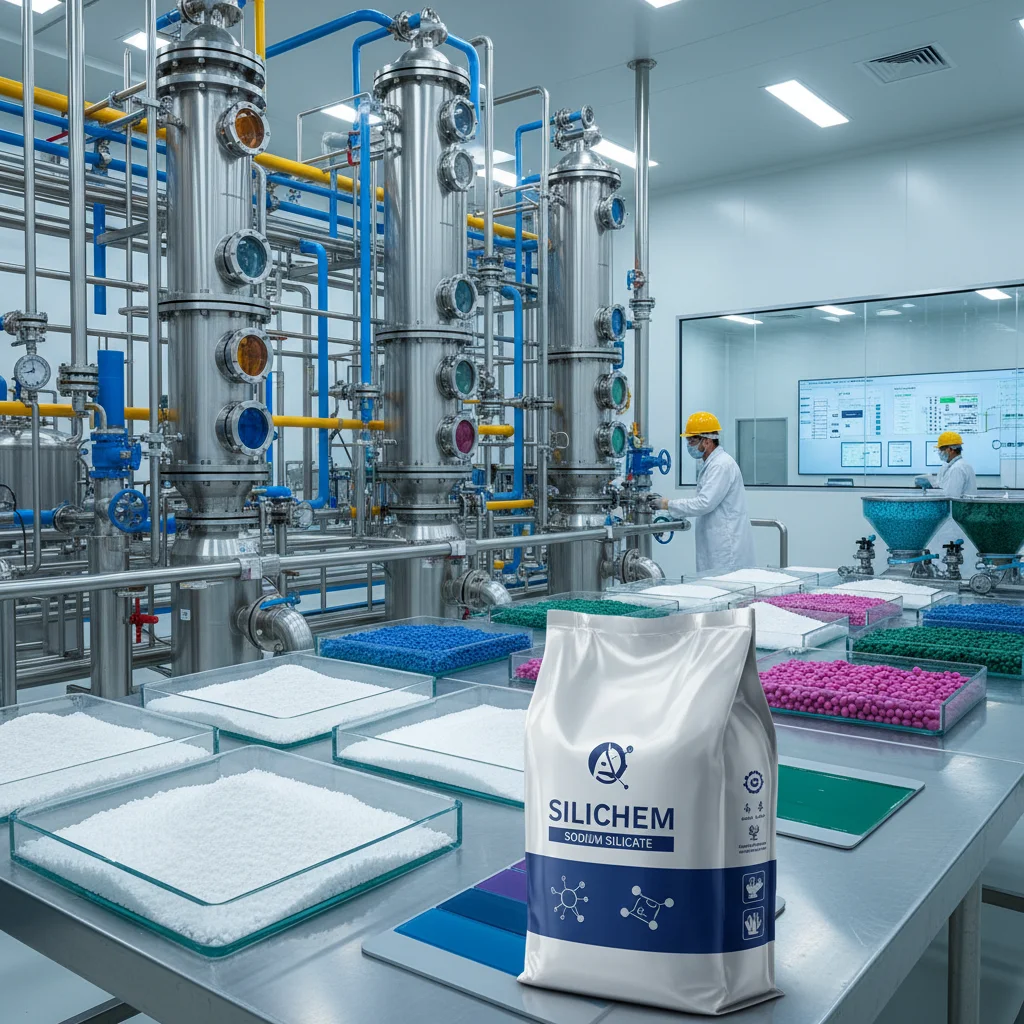
Comprehensive Guide to Sodium Silicate Properties and Industrial Applications
Sodium silicate, also known as water glass, is a versatile inorganic chemical compound with a wide range of industrial applications. Its unique properties – including binding, adhesion, corrosion inhibition, and fireproofing – make it invaluable in sectors like detergents, construction, textiles, and more. This article provides an in-depth exploration of sodium silicate, covering its types, properties, applications, and safety considerations.

28,Mar 2026
DMDM Hydantoin Preservative A Comprehensive Guide for Cosmetic Formulators
In the realm of personal care and cosmetic formulations, preservation is paramount. Maintaining product integrity and preventing microbial contamination requires effective and safe preservatives. DMDM Hydantoin emerges as a widely utilized and versatile option, offering broad-spectrum antimicrobial activity. This article will delve into the characteristics, applications, benefits, and considerations surrounding DMDM Hydantoin, offering a detailed overview for formulators and industry professionals. Understanding the nuances of this preservative is crucial for ensuring product quality and consumer safety.
26,Mar 2026
Comprehensive Guide to Formaldehyde Releasers and Their Industrial Applications
Formaldehyde releasers are crucial components in various industrial applications, acting as biocides to control microbial growth. These compounds slowly release formaldehyde, providing long-lasting preservation and disinfection. Understanding the different types, applications, and safety considerations surrounding formaldehyde releasers is essential for effective use and compliance with regulations. This article will delve into the science behind these compounds, their common applications, safety protocols, and the advantages of choosing a reputable supplier like Zhejiang Sles Chemical Co., Ltd. Formaldehyde releasers aren't formaldehyde itself, but rather compounds designed to slowly liberate it. This controlled release minimizes the risks associated with direct formaldehyde exposure while maintaining effective biocidal activity. Common types include hydantoin derivatives, oxazolidines, and hexahydrotriazines. Each type possesses different release kinetics, solubility, and compatibility with various formulations. The choice of releaser depends on the specific application, desired longevity of protection, and the formulation's pH and temperature.
24,Mar 2026
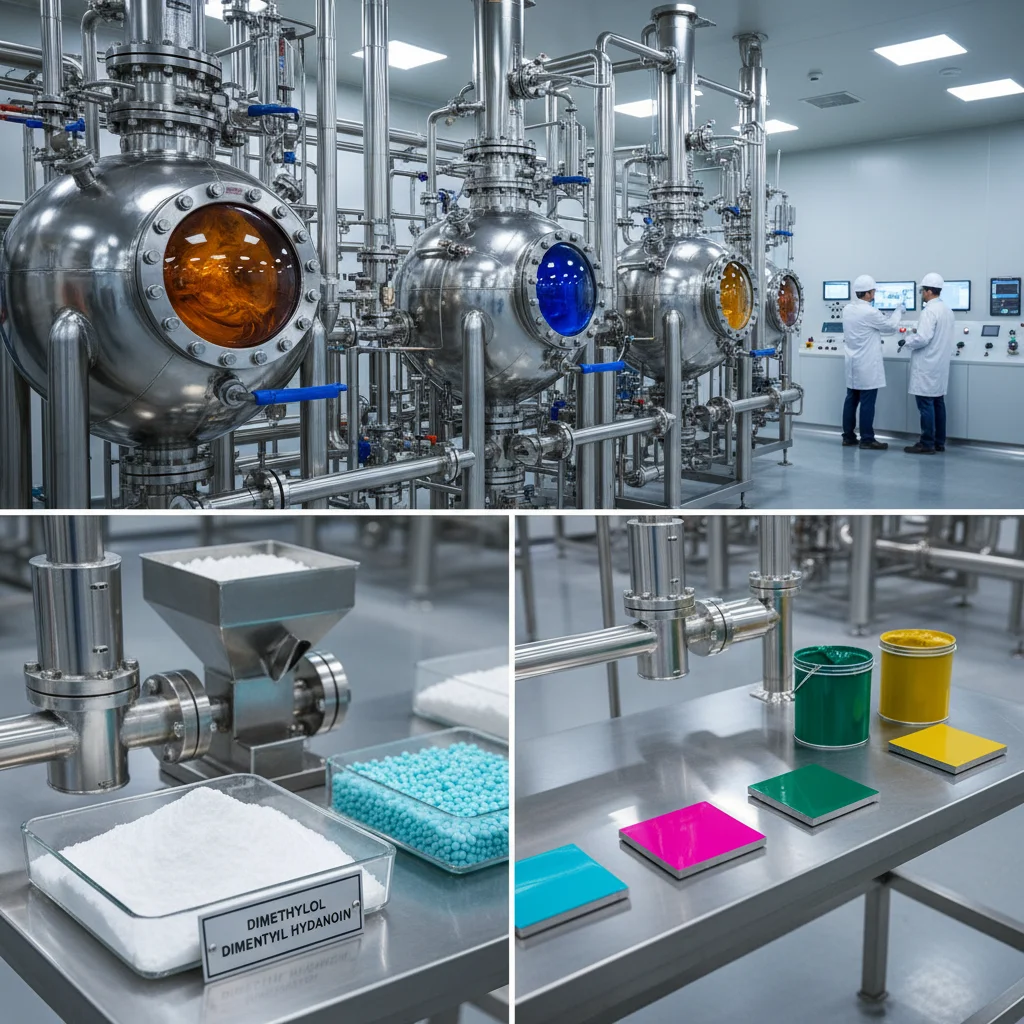
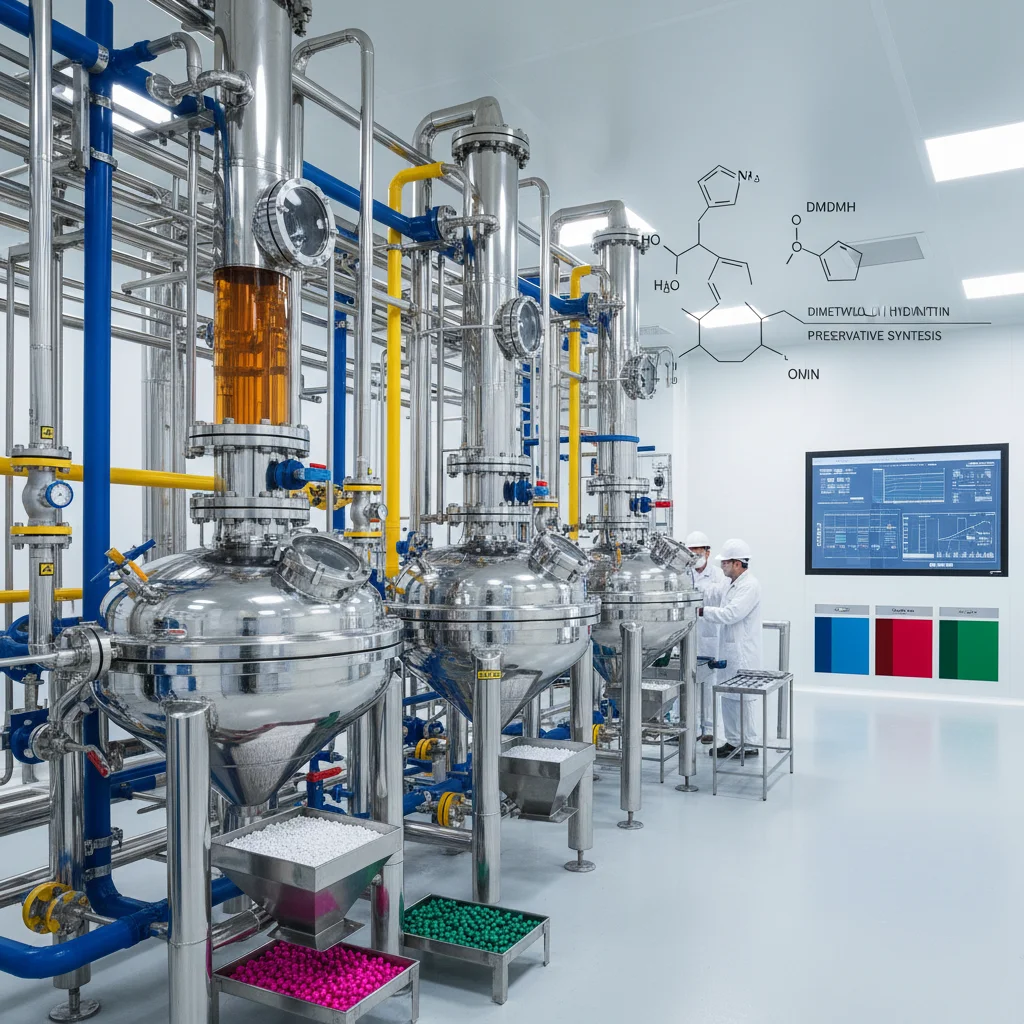
Comprehensive Guide to Dimethylol Dimethyl Hydantoin Applications and Benefits
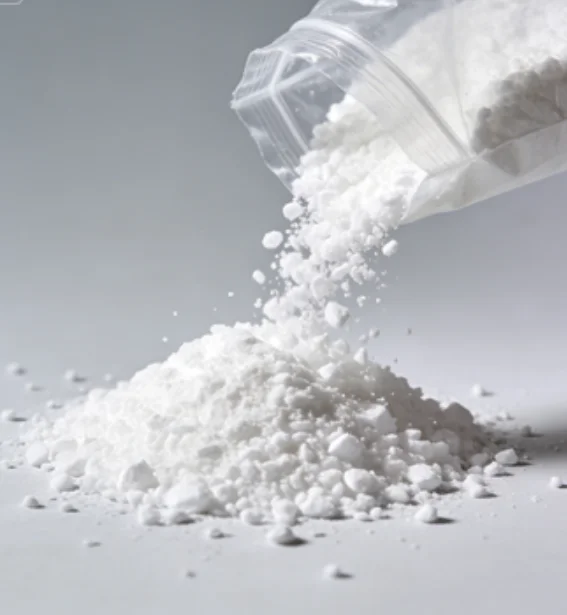
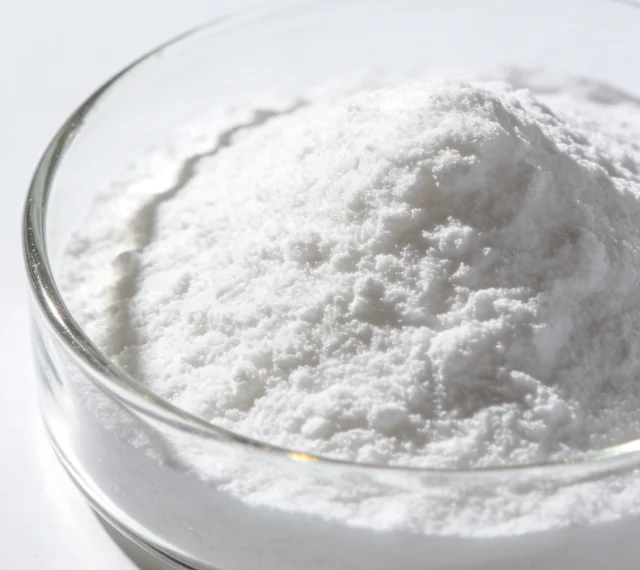
Dimethylol Dimethyl Hydantoin (DMDMH) is a powerful antimicrobial preservative widely used in various industrial applications. Its effectiveness against a broad spectrum of bacteria, fungi, and yeasts makes it an essential ingredient in water-based products. This article will delve into the properties, applications, benefits, and safety considerations of DMDMH, providing a thorough understanding of this versatile chemical compound. Understanding DMDMH is crucial for formulators seeking reliable and effective preservation solutions. DMDMH, with the chemical formula C7H12N2O4, is a heterocyclic organic compound. It's a white to off-white crystalline powder, soluble in water and alcohol. The key to its antimicrobial activity lies in its ability to release formaldehyde in a controlled manner. This controlled release provides long-lasting preservation without the immediate concerns associated with free formaldehyde. DMDMH functions by disrupting microbial cell function, effectively inhibiting growth and proliferation.
21,Mar 2026
DMDMH A Comprehensive Guide to Dimethyl Dimethoxy Biphenyldicarboxylate
Dimethyl dimethoxy biphenyldicarboxylate (DMDMH) is a versatile chemical compound gaining traction in various industrial applications, particularly as an intermediate in pharmaceutical and agrochemical synthesis. Understanding its properties, applications, and handling requirements is crucial for businesses involved in these sectors. This article will provide a comprehensive overview of DMDMH, its sourcing, and its potential benefits for your operations. We'll explore why choosing a reliable supplier like ZJSLES is key to ensuring quality and consistent supply. DMDMH is a diester with the chemical formula C16H18O6. It typically appears as a white to off-white crystalline powder. Its molecular weight is approximately 306.31 g/mol. Key characteristics include its solubility in common organic solvents like ethanol and dichloromethane, but limited solubility in water.
19,Mar 2026
Comprehensive Guide to DMDM Hydantoin Applications and Safety Considerations
DMDM Hydantoin is a widely used preservative in the personal care and cosmetic industries. It's known for its effective antimicrobial properties, protecting products from bacterial and fungal growth. While it’s a crucial ingredient for maintaining product safety and shelf life, understanding its properties, applications, and concerns is vital for both manufacturers and consumers. At ZJSLES, we specialize in providing high-quality DMDM Hydantoin, ensuring product integrity and customer satisfaction. This article delves into the details of DMDM Hydantoin, exploring its benefits, potential drawbacks, and proper usage. DMDM Hydantoin (Dimethyldimethylhydantoin) is a formaldehyde-releasing preservative. This means that over time, it slowly releases small amounts of formaldehyde, which acts as an antimicrobial agent. This formaldehyde release inhibits the growth of bacteria, yeast, and mold, extending the shelf life of products.
17,Mar 2026
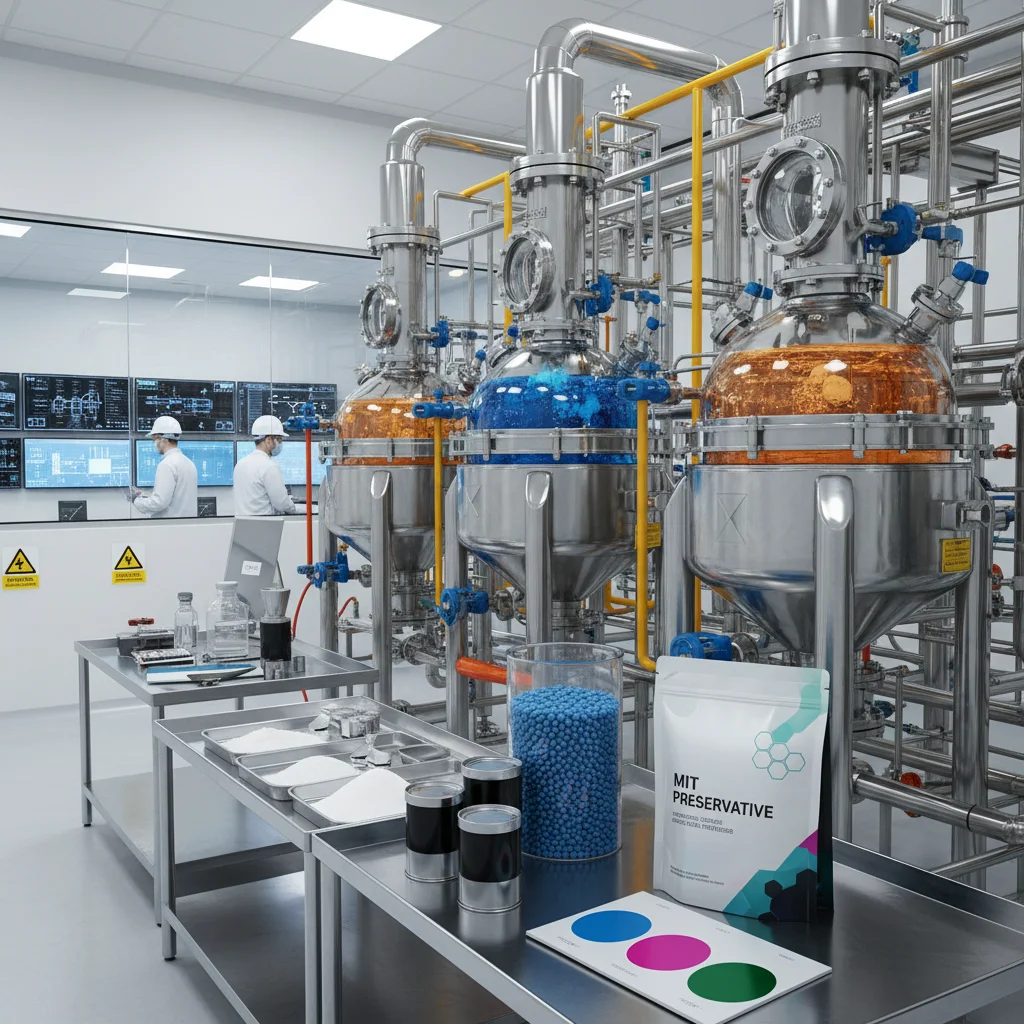
Comprehensive Guide to MIT Preservative Applications and Safety Considerations
MIT preservative, or Methylisothiazolinone, is a powerful antimicrobial widely used across numerous industries. Its effectiveness in preventing microbial growth makes it a crucial ingredient in products ranging from paints and coatings to cosmetics and detergents. This article delves into the properties, applications, safety considerations, and regulatory aspects of MIT preservative. We'll also explore how ZJSLES can provide high-quality MIT preservative solutions for your specific needs. Understanding MIT's role is vital for ensuring product preservation and consumer safety. MIT preservative is a synthetic biocide belonging to the isothiazolinone family. It functions by disrupting the metabolic processes of microorganisms such as bacteria, fungi, and algae. Specifically, MIT reacts with essential enzymes and proteins within microbial cells, inhibiting their growth and ultimately leading to their destruction. This makes it an exceptionally effective preservative, even at low concentrations. Its broad-spectrum activity means it can protect against a wide range of microbial contaminants. ZJSLES offers MIT preservative that is rigorously tested for purity and potency, ensuring optimal performance in your formulations.
14,Mar 2026
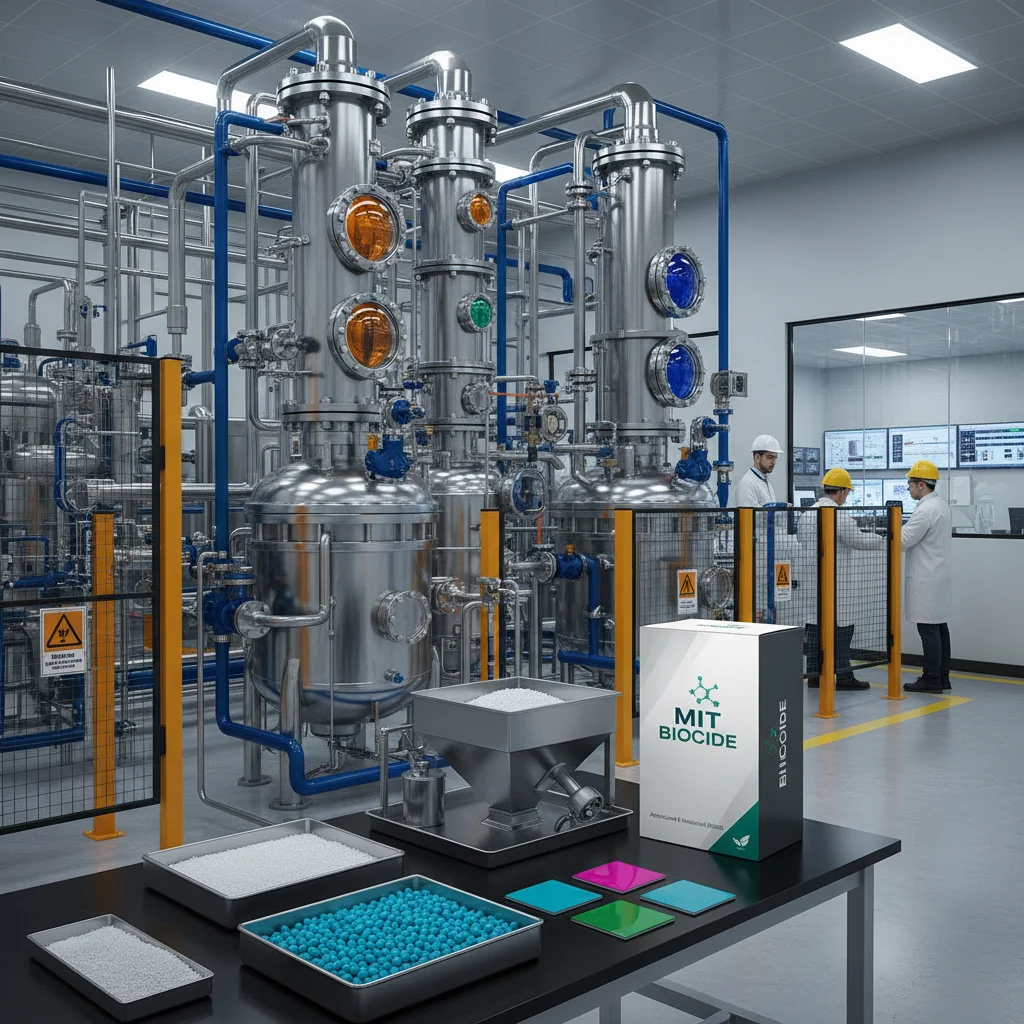
MIT Biocide A Comprehensive Guide to Industrial Preservation and Applications
Maintaining the integrity of industrial systems and products is paramount to operational efficiency and longevity. MIT Biocide (Methylisothiazolinone) plays a crucial role in preventing microbial contamination, safeguarding against costly downtime and product spoilage. This article provides an in-depth look at MIT Biocide, its applications, benefits, safety considerations, and why ZJSLES is a trusted supplier. Understanding the appropriate use of MIT Biocide is essential for effective preservation across various industries. MIT Biocide is a powerful antimicrobial preservative widely utilized across diverse industries. It belongs to the isothiazolinone family of compounds, renowned for their broad-spectrum efficacy against bacteria, fungi, and algae. Its mechanism of action involves disrupting microbial metabolic processes, ultimately inhibiting their growth and reproduction. This makes it exceptionally effective in preventing biofouling and extending the shelf life of various products. It’s often used in combination with other biocides, like CMIT, to broaden the spectrum of antimicrobial activity.
12,Mar 2026
Comprehensive Guide to 2Methyl4isothiazolin3one Properties and Industrial Applications
2-Methyl-4-isothiazolin-3-one (MIT) is a powerful biocide widely utilized as a preservative in a variety of industrial and consumer applications. Its effectiveness in preventing microbial growth makes it a crucial component in products ranging from paints and coatings to detergents and personal care items. This article provides a detailed overview of MIT, covering its properties, applications, safety considerations, and the role ZJSLES plays in providing high-quality, reliable MIT solutions. Understanding MIT is vital for manufacturers aiming to maintain product integrity and shelf life. MIT is a heterocyclic organic compound with the chemical formula C₄H₅NOS. It’s characterized by its broad-spectrum antimicrobial activity, effective against bacteria, fungi, and algae. Its mechanism of action involves disrupting microbial metabolic processes by reacting with cysteine residues in essential enzymes, ultimately inhibiting growth and reproduction. The concentration of MIT required for effective preservation varies depending on the specific application and the target microorganisms. ZJSLES offers a range of MIT formulations to meet diverse preservation needs. The versatility of MIT makes it a crucial ingredient across numerous industries. In the paints and coatings sector, it prevents spoilage and maintains product viscosity.
11,Mar 2026
Methylisothiazolinone Solution A Comprehensive Guide to Properties and Applications
Methylisothiazolinone (MIT) solution is a powerful biocide widely used as a preservative in various industrial applications. Its effectiveness in preventing microbial growth makes it an essential component in products ranging from paints and coatings to cosmetics and detergents. This article delves into the properties, applications, handling, and safety considerations of Methylisothiazolinone solution, providing a comprehensive overview for industry professionals and end-users. Understanding the nuances of this chemical is crucial for maximizing its benefits while ensuring responsible and safe utilization. It's typically available as a solution in water, often combined with other biocides like Methylchloroisothiazolinone (CMIT) to broaden its antimicrobial spectrum. MIT functions by disrupting the metabolic processes of microorganisms, effectively inhibiting their growth and proliferation. This makes it invaluable in preventing spoilage and extending the shelf life of numerous products. It’s a clear, colorless to pale yellow liquid with a slight odor.
10,Mar 2026
MIT A Global Hub for Technological Advancement and Pioneering Research
MIT: A Global Leader in Technology and Innovation The M […]