Sodium Silicate: A Comprehensive Guide
Sodium silicate, also known as water glass, is a versatile inorganic chemical compound with a wide range of industrial applications. Its unique properties – including binding, adhesion, corrosion inhibition, and fireproofing – make it invaluable in sectors like detergents, construction, textiles, and more. This article provides an in-depth exploration of sodium silicate, covering its types, properties, applications, and safety considerations. We’ll also showcase how ZJS Les Chemical provides high-quality sodium silicate solutions to meet diverse industry demands. Understanding sodium silicate is crucial for optimizing processes and achieving superior product performance.
What is Sodium Silicate?
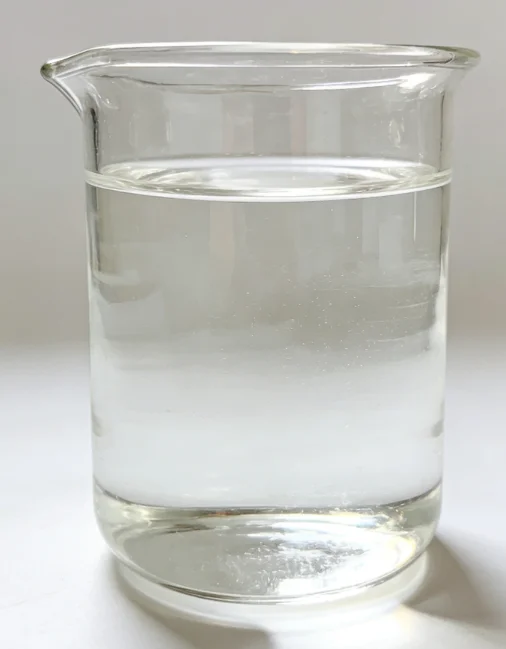
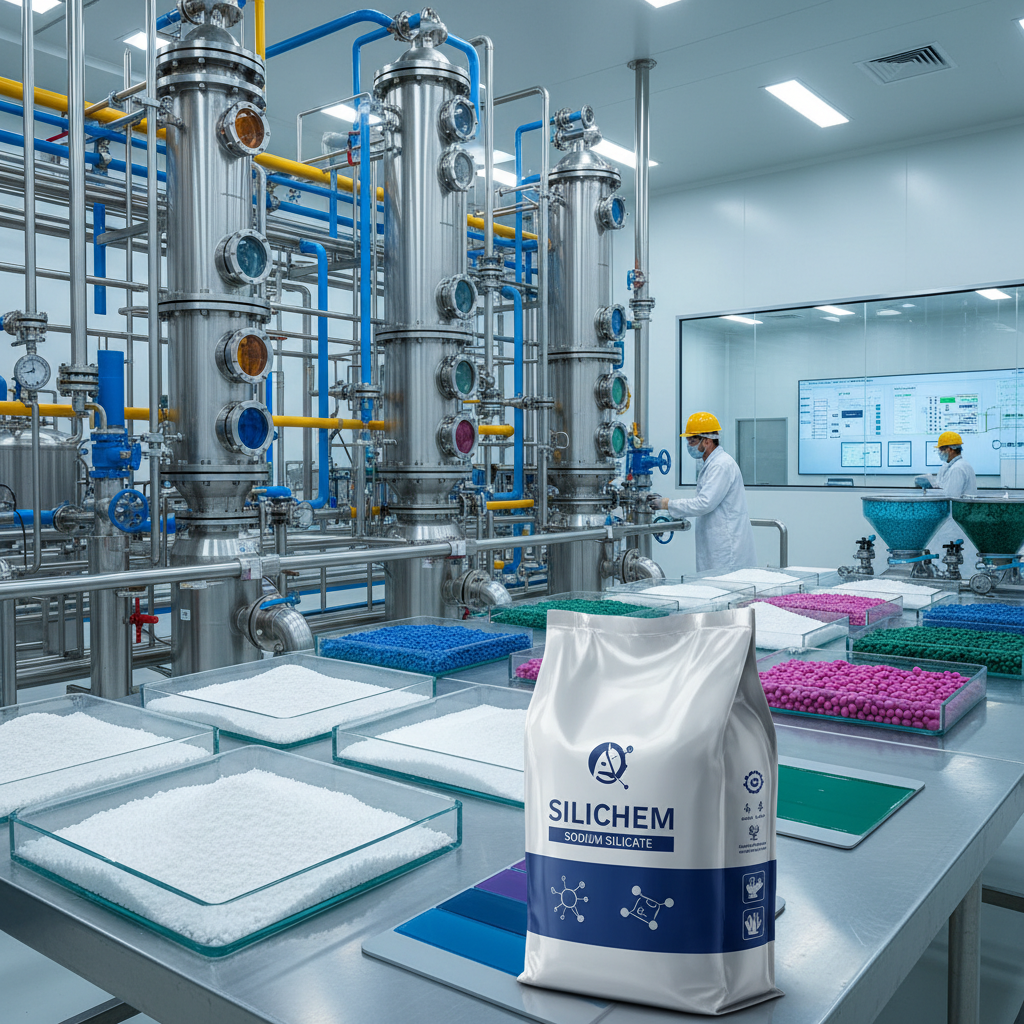
Sodium silicate isn't a single compound, but rather a general term for a family of compounds with the formula Na2SiOn, where 'n' represents the molar ratio of silica to sodium oxide. This ratio significantly influences its properties and applications. It's produced by reacting sand (silica) with sodium carbonate (soda ash) at high temperatures. The resulting glassy material is then dissolved in water to create a liquid solution, which is commercially available in various concentrations and ratios. This makes sodium silicate incredibly adaptable for different industrial processes. ZJS Les Chemical specializes in tailoring sodium silicate solutions to specific customer needs.
Key Highlights: Produced by reacting sand (silica) with sodium carbonate at high temperatures. Available in various concentrations and ratios to suit diverse applications.
Types of Sodium Silicate and Their Properties
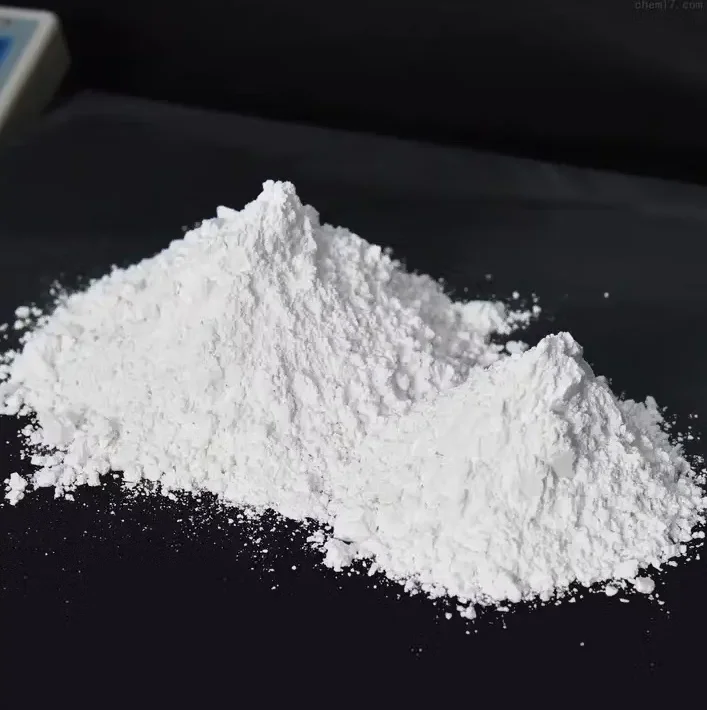
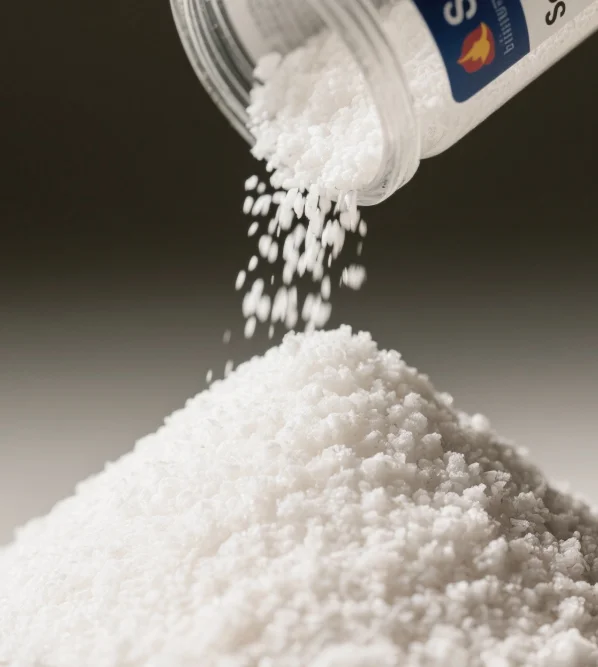
Sodium silicate is categorized primarily by its molar ratio (SiO2/Na2O). Lower ratios (e.g., 1.6:1 to 2.4:1) produce highly alkaline solutions used in detergents and cleaning compounds. Higher ratios (e.g., 2.8:1 to 3.3:1) result in less alkaline solutions utilized for applications like adhesives, binders, and refractories. Solid sodium silicate is also available, typically in powder or granular form. The choice of sodium silicate type depends critically on the intended application and desired performance characteristics. Different forms also exhibit varying viscosities and solubility.
Sodium Silicate Type Breakdown:
• Low Ratio (1.6-2.4:1): High alkalinity, strong cleaning power.
• Medium Ratio (2.8-3.3:1): Versatile, used in adhesives, binders.
• High Ratio (>3.3:1): Lower alkalinity, suitable for refractories and specialized applications.
Sodium Silicate Applications Across Industries
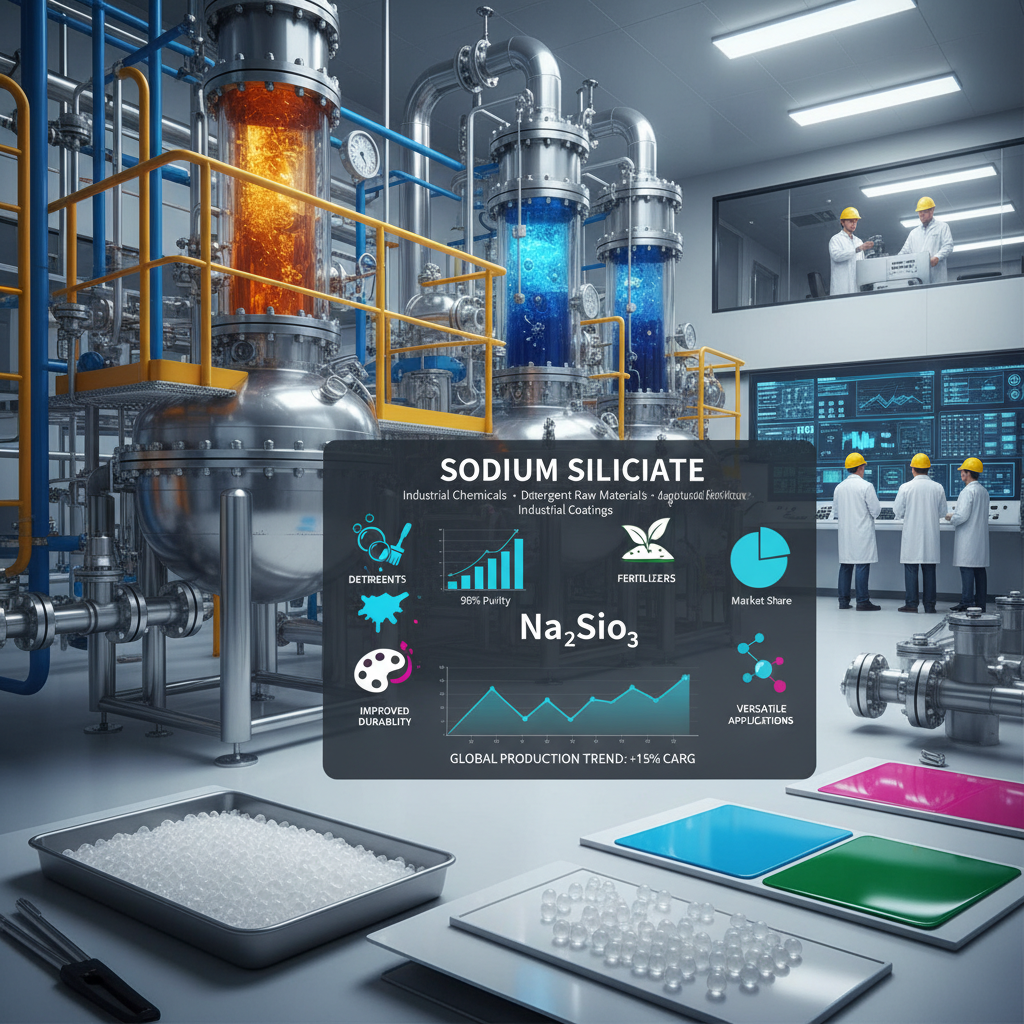
The applications of sodium silicate are incredibly diverse. In the detergent industry, it acts as a builder, enhancing cleaning performance and preventing corrosion. In construction, it's used as a cement additive to improve strength and setting time. Textile manufacturers utilize it for bleaching and stabilizing hydrogen peroxide. Furthermore, it serves as a crucial component in refractory materials, adhesives, binders, and even food preservatives. Its ability to form a strong, durable bond with various materials makes it indispensable in numerous industrial processes. ZJS Les Chemical caters to these varied needs with customized formulations.
The Role of Sodium Silicate in Environmental Sustainability
Sodium silicate is increasingly recognized for its contribution to sustainability. It’s a readily available and relatively environmentally friendly chemical compared to some alternatives. Its use in detergents can reduce the need for phosphates, which contribute to water pollution. In construction, it can extend the lifespan of concrete structures, reducing the demand for new materials. Furthermore, its non-toxic nature makes it a safer option for many industrial applications. ZJS Les Chemical is committed to responsible production practices and sustainable solutions.
Safety Considerations When Handling Sodium Silicate
While generally considered safe, sodium silicate is alkaline and can cause irritation to skin, eyes, and respiratory system. Direct contact should be avoided. Proper personal protective equipment (PPE), including gloves, eye protection, and respirators, should be worn when handling the chemical. In case of contact, rinse thoroughly with water. Always refer to the Safety Data Sheet (SDS) for detailed safety information and handling instructions. ZJS Les Chemical provides comprehensive SDS documentation with all its products.
Conclusion: A Versatile Chemical for Modern Industry
Sodium silicate is a remarkably versatile chemical compound with a broad spectrum of applications across numerous industries. Its unique properties, coupled with its relatively low cost and increasing sustainability profile, make it an essential component in many manufacturing processes. ZJS Les Chemical is dedicated to providing high-quality sodium silicate solutions and expert technical support to help businesses optimize their operations and achieve their goals.
Frequently Asked Questions (FAQs)
What is the typical shelf life of liquid sodium silicate?
Liquid sodium silicate generally has a long shelf life, typically exceeding one year when stored properly in a sealed container, away from extreme temperatures and direct sunlight. However, over time, it may gradually thicken or develop a slight haze. This doesn't necessarily indicate spoilage, but a slight agitation may be required before use. Always check the product's SDS for specific storage and shelf-life recommendations.
Can sodium silicate be used as a fire retardant?
Yes, sodium silicate exhibits excellent fire-retardant properties. When exposed to heat, it forms a glassy coating that effectively insulates the underlying material, preventing the spread of flames. It’s commonly used in fireproofing coatings for textiles, wood, and other combustible materials. However, it's important to note that sodium silicate is not a complete fire extinguishing agent but rather a suppressant, slowing down combustion.
How does the ratio of silica to sodium oxide affect sodium silicate’s properties?
The SiO2/Na2O ratio is a critical determinant of sodium silicate's characteristics. Lower ratios result in higher alkalinity, increased solubility, and stronger cleaning properties. Conversely, higher ratios lead to lower alkalinity, enhanced binding capabilities, and improved resistance to heat and chemical attack. Understanding this relationship is essential for selecting the appropriate sodium silicate grade for a specific application.
Where can I find reliable sodium silicate suppliers?
ZJS Les Chemical is a reputable and experienced supplier of high-quality sodium silicate products. We offer a comprehensive range of grades and concentrations, tailored to meet diverse industrial needs. We are committed to providing excellent customer service, technical support, and competitive pricing.