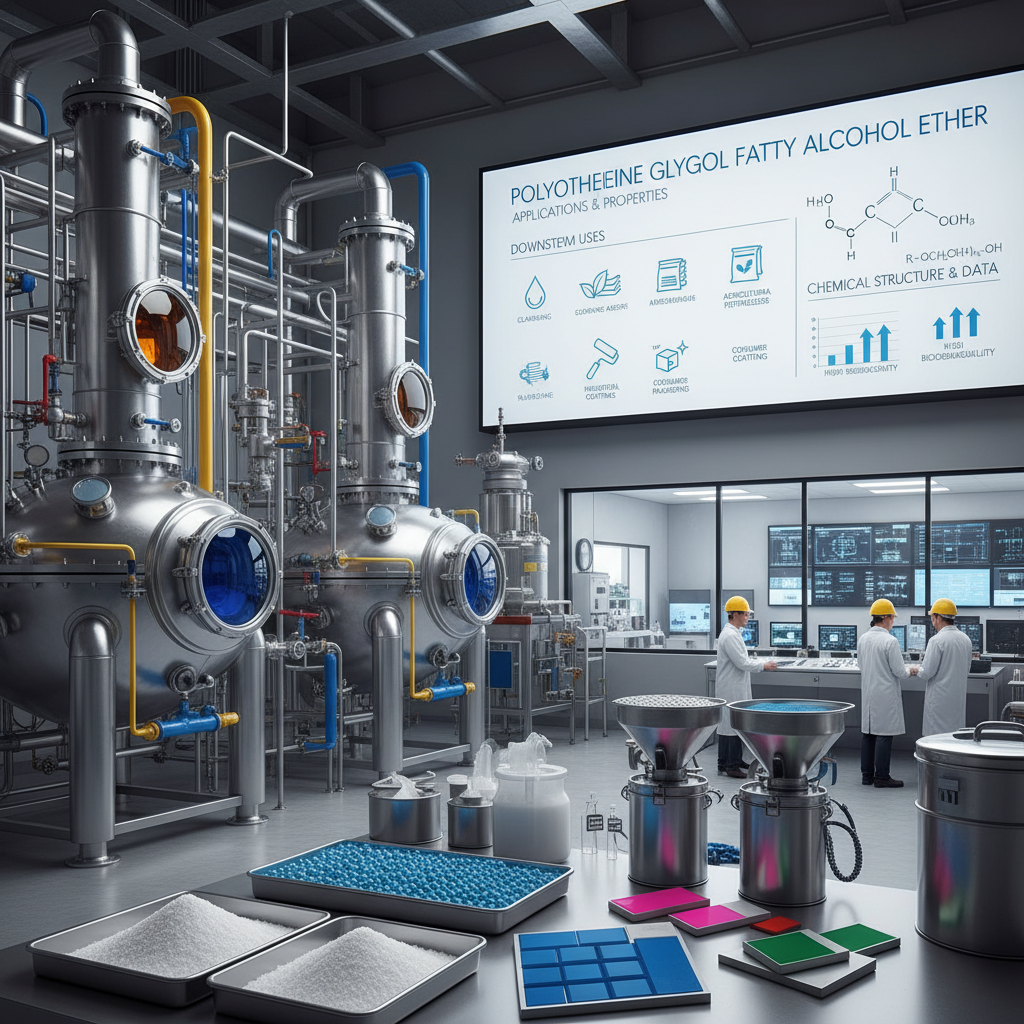
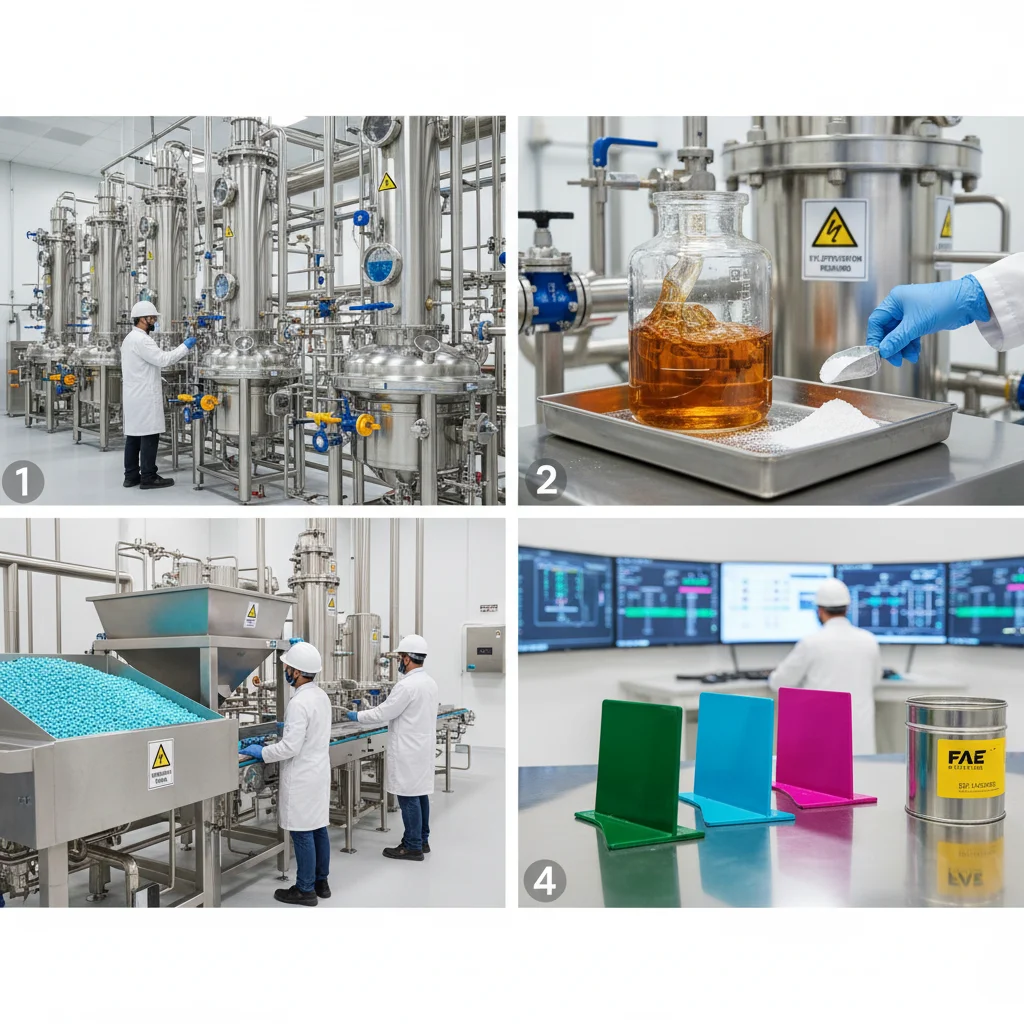
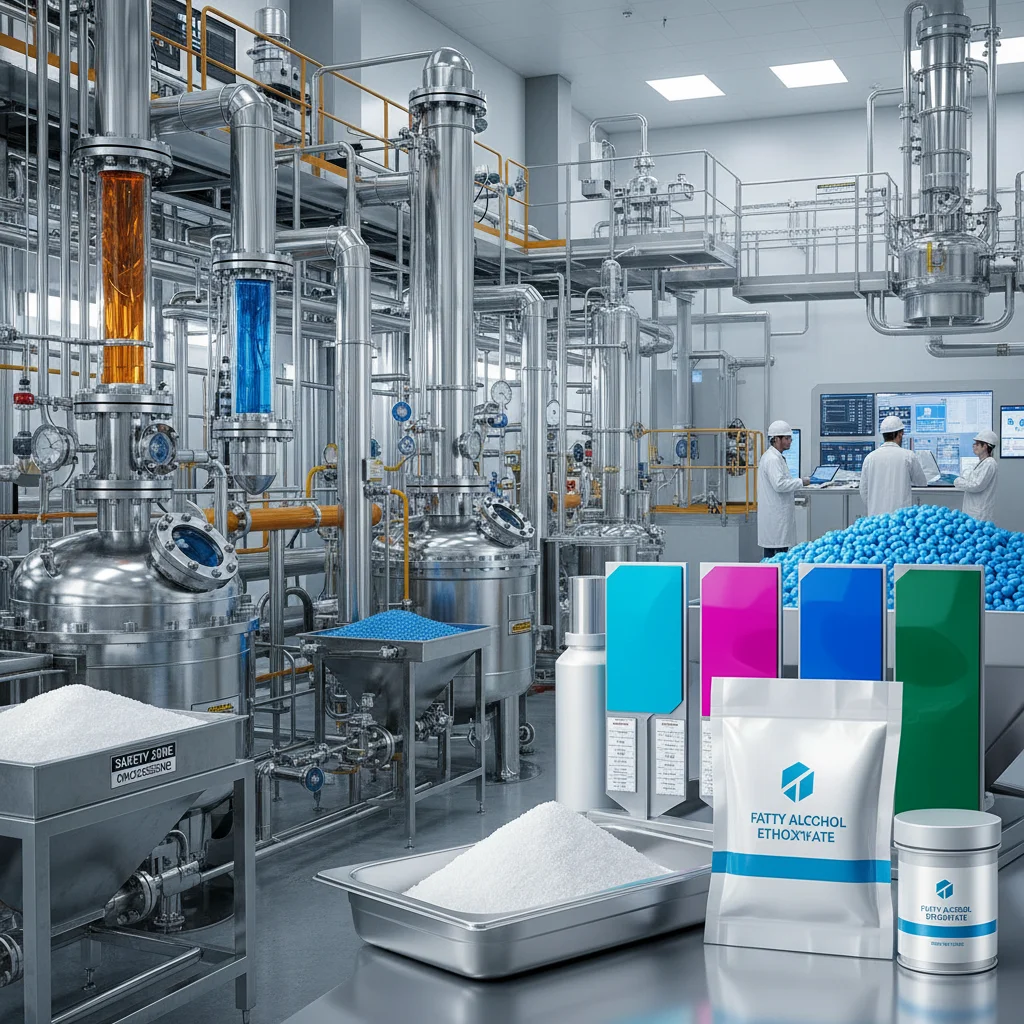
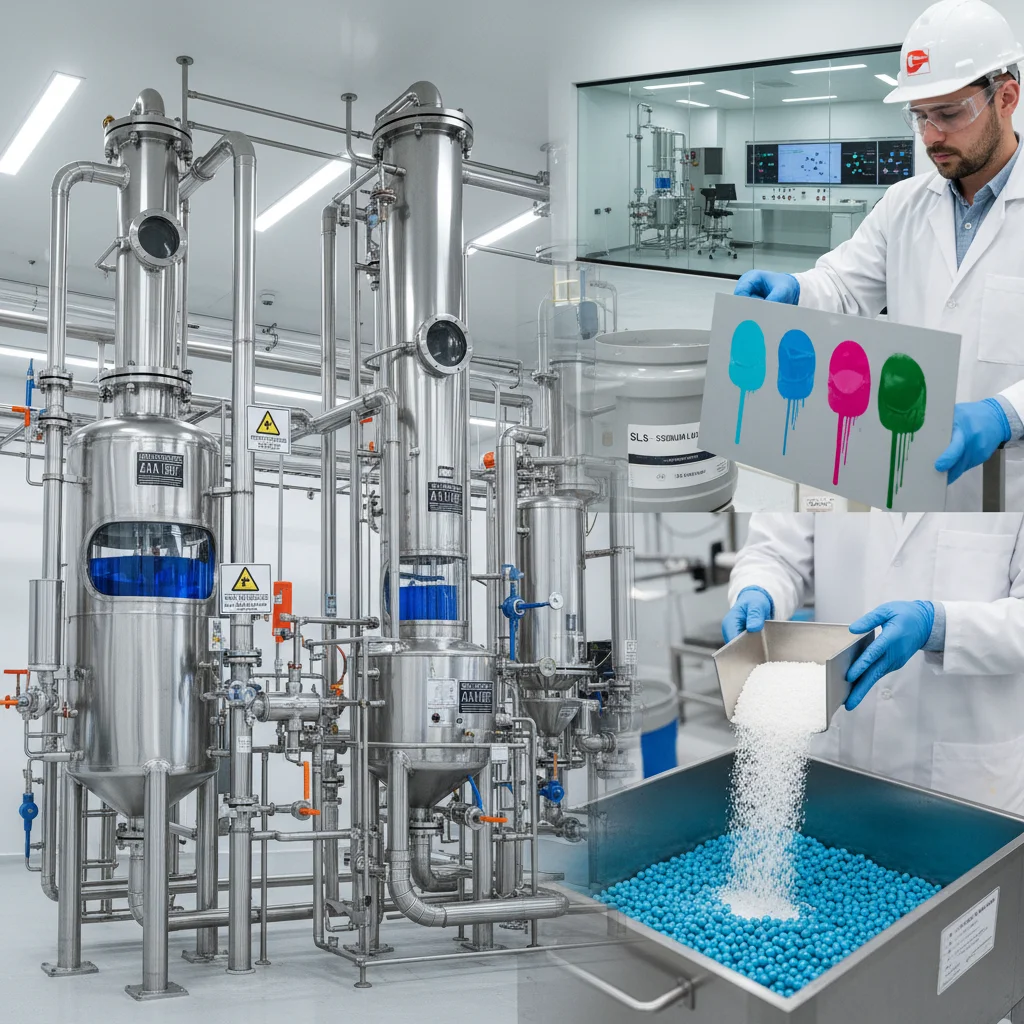
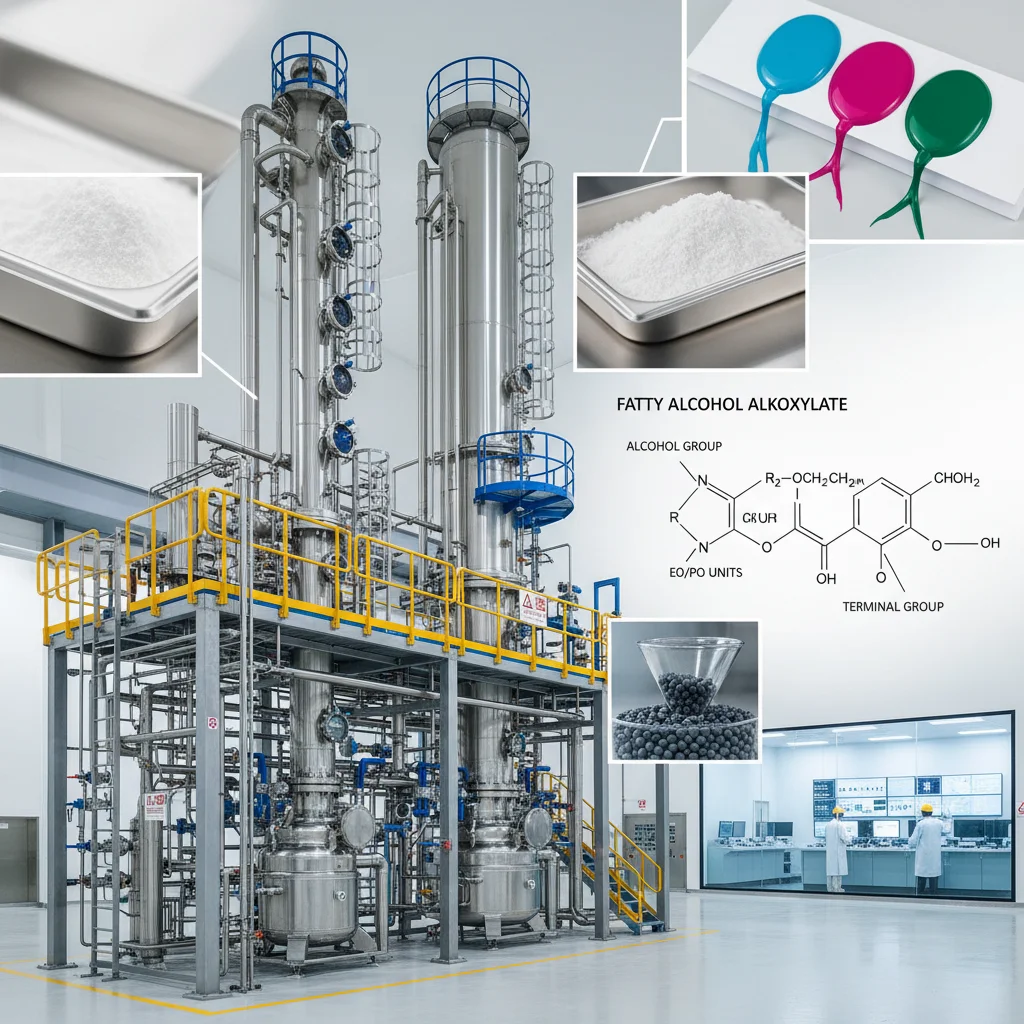
Polyethylene Glycol Fatty Alcohol Ether – it's a mouthful, I know. But out here on site, we don’t get bogged down in fancy names, we care about what things do. And this stuff? It’s a workhorse. It's a non-ionic surfactant used in a staggering range of applications, from concrete admixtures to textile processing. It's less about the chemical formula and more about how it solves problems on the ground. Understanding its properties isn’t just for lab coats; it’s crucial for anyone involved in building, manufacturing, or frankly, a lot of modern industries. We’re seeing increasing demand for it as projects become more complex and require finer control over material characteristics.
I've spent the last fifteen years knee-deep in concrete, literally, and Polyethylene Glycol Fatty Alcohol Ether consistently shows up as a key component in improving workability, reducing water demand, and enhancing the overall durability of the final product. It’s not a glamorous topic, but consistently delivering quality infrastructure relies on these often-overlooked additives. Globally, the construction industry is booming, particularly in developing nations, driving demand for these types of materials. According to the UN, urbanization rates are climbing, putting pressure on infrastructure development and, consequently, the need for robust and efficient building materials.
Simply put, Polyethylene Glycol Fatty Alcohol Ether is a blend of polyethylene glycol and a fatty alcohol. It's designed to reduce surface tension between liquids, gases, and solids. Think of it like a lubricant on a molecular level. This isn't some futuristic material – it’s been around for decades and is continuously refined. It’s essential for modern industrial processes and humanitarian efforts where reliable, versatile chemicals are vital.
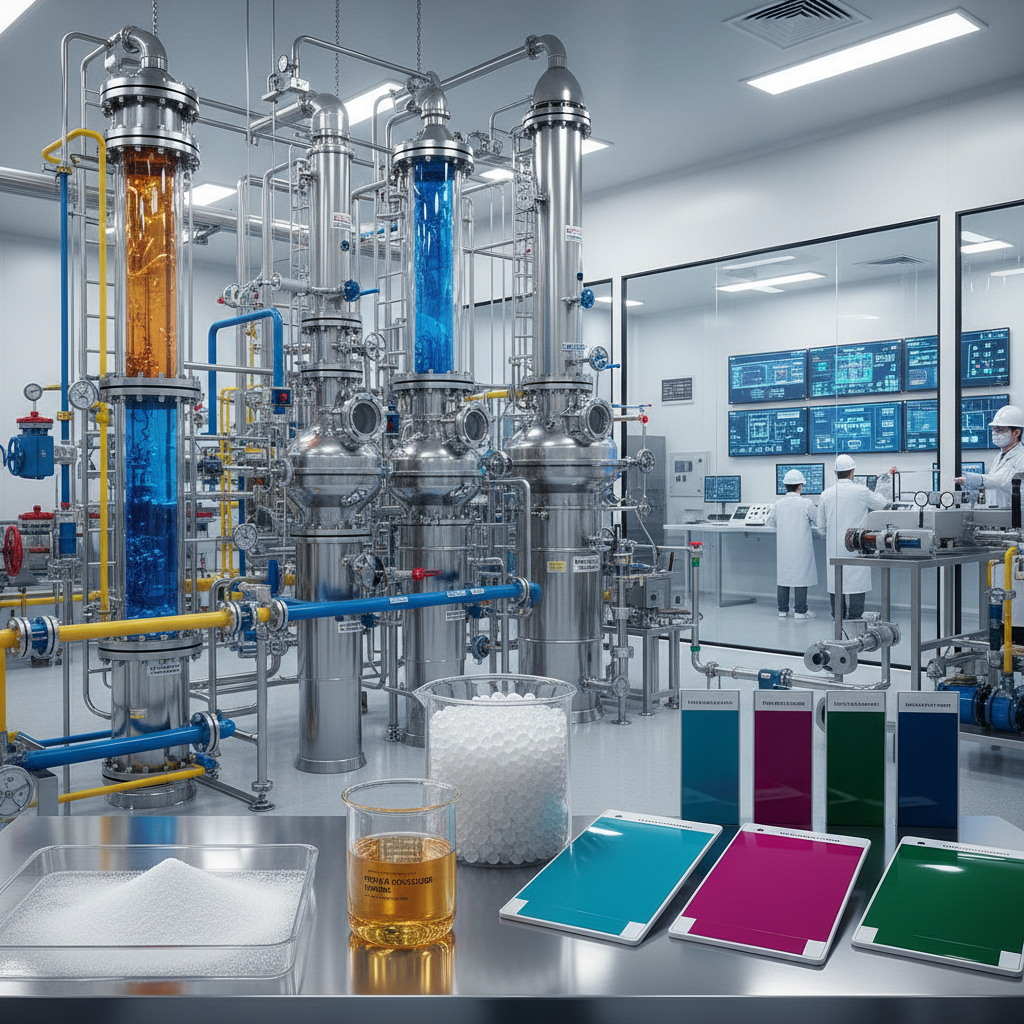
The Importance of Polyethylene Glycol Fatty Alcohol Ether
Look, on a construction site, you need things you can rely on. Polyethylene Glycol Fatty Alcohol Ether delivers consistency, batch after batch. That’s huge for quality control. We’ve moved past the days of just throwing things together and hoping for the best. This stuff allows us to engineer materials with precision, meeting increasingly strict standards. It is crucial for creating stable emulsions, dispersions, and solutions in various industrial processes.
The beauty of it is its adaptability. It's not a one-size-fits-all solution, but it can be tailored to fit a wide range of applications. We’re seeing more customized blends being developed to address specific project needs. From enhanced oil recovery to textile finishing, the possibilities are expanding.
Global Relevance and Industry Context
We’re seeing massive infrastructure projects underway globally, particularly in Asia and Africa. These regions are rapidly industrializing, and they need materials that can perform under demanding conditions. According to the World Bank, investment in infrastructure is crucial for sustainable economic growth. That translates directly into demand for materials like Polyethylene Glycol Fatty Alcohol Ether. It's not just about building bigger; it's about building better and building to last.
The challenges are equally significant. Supply chain disruptions, fluctuating raw material costs, and increasing environmental regulations all impact the availability and price of this key ingredient. We need to be proactive in sourcing materials responsibly and exploring alternative production methods. ISO standards play a critical role in ensuring consistent quality and safety.
The sheer volume of concrete being poured globally is staggering. And within that concrete, additives like this one play a critical role in minimizing cracking, improving strength, and extending the lifespan of structures. Without these types of advancements, our infrastructure would crumble much faster, requiring constant and costly repairs.
Defining Polyethylene Glycol Fatty Alcohol Ether
At its core, Polyethylene Glycol Fatty Alcohol Ether is a non-ionic surfactant. Let’s break that down: “Surfactant” means it lowers the surface tension between liquids, solids, and gases. “Non-ionic” means it doesn’t carry an electrical charge, making it compatible with a wide range of other chemicals. It's created by reacting polyethylene glycol – a polymer of ethylene oxide – with a fatty alcohol. This combination gives it unique properties, making it effective in various applications.
Think about trying to mix oil and water. They don't want to combine, right? A surfactant like this acts as a bridge, allowing them to emulsify. This is incredibly valuable in construction, where we often need to combine materials that wouldn’t naturally mix well. It isn’t just for mixing, though. It also affects how liquids flow, how solids disperse, and how surfaces wet.
It’s a key component in countless everyday products, from detergents and cosmetics to paints and coatings. Its versatility is what makes it so valuable. While the chemistry can be complex, the underlying principle is simple: improve compatibility and performance of different materials.
Key Properties for Practical Application
First off, its excellent wetting ability is a game-changer. It allows liquids to spread more evenly, which is critical for things like concrete penetration and adhesion. Second, the stability it provides in emulsions is massive. We're constantly working with mixtures that need to stay combined, and this stuff prevents separation.
Another key property is its low foaming characteristic. In certain applications, excessive foam can be a real problem, interfering with processing and reducing efficiency. Finally, it’s relatively non-toxic and biodegradable compared to some other surfactants, making it a more environmentally responsible choice. Polyethylene Glycol Fatty Alcohol Ether suppliers are increasingly focused on sustainability.
Performance Metrics of Polyethylene Glycol Fatty Alcohol Ether Variations
Real-World Applications Across Industries
In construction, as I mentioned, it's integral to concrete admixtures, improving workability and reducing water demand. In textiles, it’s used as a leveling agent, ensuring dyes distribute evenly. The oil and gas industry utilizes it for enhanced oil recovery, helping to extract more oil from reservoirs. It even finds its way into agricultural applications as a wetting agent for pesticides and herbicides.
I've seen it used extensively in post-disaster relief operations, in creating temporary shelters and providing clean water solutions. Its versatility makes it invaluable in emergency situations. In remote industrial zones, it’s a critical component in maintaining equipment and infrastructure.
The Long-Term Value Proposition
The initial cost of Polyethylene Glycol Fatty Alcohol Ether might seem like an added expense, but the long-term benefits far outweigh the investment. By improving material performance and extending lifespan, it reduces maintenance costs and delays expensive replacements. From a sustainability standpoint, less waste equals a smaller environmental footprint.
Ultimately, it’s about building trust. Clients want durable, reliable infrastructure. Engineers want materials that perform predictably. And I, as someone on the ground, want to work with products that make my job easier and deliver a high-quality result.
It delivers a return on investment through increased efficiency, reduced material waste, and enhanced product durability. The ability to meet stringent regulatory requirements is another significant advantage.
Future Trends and Innovation
We’re seeing a push towards “green chemistry,” and manufacturers are exploring more sustainable production methods for Polyethylene Glycol Fatty Alcohol Ether. Bio-based feedstocks, derived from renewable resources, are gaining traction. Digitalization and automation are also playing a role, allowing for more precise control over the manufacturing process and improved quality control.
The integration of artificial intelligence is also promising, enabling the development of customized formulations tailored to specific applications. We're also seeing increased demand for blends with enhanced performance characteristics, such as improved thermal stability and resistance to degradation.
As the construction industry embraces prefabrication and modular construction, the demand for materials that can support these innovative building methods will continue to grow. Polyethylene Glycol Fatty Alcohol Ether will be at the forefront of these advancements.
Analysis of Polyethylene Glycol Fatty Alcohol Ether Production and Application
| Production Method |
Sustainability Rating (1-10) |
Cost Efficiency Rating (1-10) |
Application Area |
| Ethoxylation of Fatty Alcohols |
6 |
8 |
Concrete Admixtures |
| Propoxylation of Fatty Alcohols |
5 |
7 |
Textile Processing |
| Using Bio-Based Feedstocks |
9 |
6 |
Cosmetics & Personal Care |
| High-Pressure Reaction |
7 |
9 |
Oil & Gas Recovery |
| Catalytic Synthesis |
8 |
7 |
Agricultural Formulations |
| Microwave-Assisted Synthesis |
7 |
8 |
Specialty Coatings |
FAQS
Generally, Polyethylene Glycol Fatty Alcohol Ether has a shelf life of at least two years when stored in a cool, dry place away from direct sunlight. However, the actual shelf life can vary depending on the specific formulation and packaging. It’s best to check the manufacturer's data sheet for precise storage recommendations and expiration dates. Proper storage helps maintain its chemical integrity and ensures optimal performance in its intended applications.
Biodegradability varies depending on the specific chain length and structure of the Polyethylene Glycol (PEG) component. Shorter-chain PEGs tend to be more readily biodegradable than longer-chain ones. While not fully biodegradable in all environments, ongoing research focuses on developing more sustainable formulations using bio-based feedstocks to improve its environmental profile and reduce its long-term impact.
Although generally considered non-toxic, it's crucial to handle Polyethylene Glycol Fatty Alcohol Ether with standard chemical safety practices. Always wear appropriate personal protective equipment (PPE) like gloves and eye protection. Avoid contact with skin and eyes, and ensure adequate ventilation during handling. Refer to the Safety Data Sheet (SDS) for detailed safety information, including first aid measures and spill cleanup procedures.
The molecular weight significantly influences the properties and performance of Polyethylene Glycol Fatty Alcohol Ether. Lower molecular weight versions offer better wetting and penetration, while higher molecular weight options provide increased viscosity and improved emulsion stability. Selecting the appropriate molecular weight is crucial for tailoring the product to specific applications and achieving desired results.
In concrete, it acts primarily as a water-reducing admixture, enhancing workability without increasing the water content. This leads to higher strength and durability. It also helps with air entrainment, creating tiny air bubbles that improve freeze-thaw resistance. It’s commonly used in self-compacting concrete and other high-performance concrete mixes, ensuring optimal performance and longevity.
Determining the correct dosage requires careful consideration of the specific application, the other components of the formulation, and the desired performance characteristics. Start with the manufacturer's recommended dosage range as a guideline. It’s best to perform small-scale testing to optimize the dosage for your specific needs and ensure optimal results. Consulting with a technical specialist is also recommended.
Conclusion
Polyethylene Glycol Fatty Alcohol Ether isn’t just a chemical; it's a versatile solution that underpins countless industries. From improving the durability of our infrastructure to enhancing the performance of everyday products, its impact is far-reaching. Understanding its properties, applications, and future trends is crucial for anyone involved in material science, engineering, or manufacturing.
Looking ahead, the focus will be on sustainability, innovation, and customization. We’ll see continued development of bio-based alternatives and increasingly sophisticated formulations tailored to specific applications. If you’re looking for a reliable partner to supply high-quality Polyethylene Glycol Fatty Alcohol Ether, visit our website today!