Understanding DMDM Hydantoin: A Comprehensive Guide
DMDM Hydantoin is a widely used preservative in the personal care and cosmetic industries. It's known for its effective antimicrobial properties, protecting products from bacterial and fungal growth. While it’s a crucial ingredient for maintaining product safety and shelf life, understanding its properties, applications, and concerns is vital for both manufacturers and consumers. At ZJSLES, we specialize in providing high-quality DMDM Hydantoin, ensuring product integrity and customer satisfaction. This article delves into the details of DMDM Hydantoin, exploring its benefits, potential drawbacks, and proper usage.
What is DMDM Hydantoin and How Does it Work?
DMDM Hydantoin (Dimethyldimethylhydantoin) is a formaldehyde-releasing preservative. This means that over time, it slowly releases small amounts of formaldehyde, which acts as an antimicrobial agent. This formaldehyde release inhibits the growth of bacteria, yeast, and mold, extending the shelf life of products. It’s highly effective against a broad spectrum of microorganisms, making it a preferred choice for many cosmetic formulations. The concentration of DMDM Hydantoin used in products is carefully regulated to ensure safety while providing adequate preservation.
Key Highlights: Effective broad-spectrum antimicrobial activity, prolonged product shelf life, cost-effective preservation solution, widely used and regulated for safety.
DMDM Hydantoin Applications in the Cosmetic Industry
DMDM Hydantoin is incredibly versatile and found in a vast array of personal care products. These include shampoos, conditioners, body washes, lotions, creams, makeup, and even wet wipes. Its effectiveness at preventing microbial contamination makes it particularly important in water-based formulations where bacteria and fungi thrive. Because of its solubility and compatibility with many ingredients, it's easy to incorporate into various cosmetic recipes. ZJSLES provides DMDM Hydantoin tailored for optimal performance across diverse cosmetic applications.
Common Product Categories Utilizing DMDM Hydantoin:
• Shampoos & Conditioners
• Body Washes & Soaps
• Lotions & Creams
• Makeup (Foundations, Mascaras)
DMDM Hydantoin: Safety Profile and Concerns
The primary concern surrounding DMDM Hydantoin is its ability to release formaldehyde. Formaldehyde is a known human carcinogen and can cause skin irritation and allergic reactions in sensitive individuals. However, the amount of formaldehyde released by DMDM Hydantoin in cosmetic products is typically very low and within the safe limits established by regulatory bodies like the FDA and the Cosmetic Ingredient Review (CIR). The CIR has repeatedly assessed DMDM Hydantoin and concluded it is safe for use in cosmetics at current concentrations.
Choosing a Reliable DMDM Hydantoin Supplier
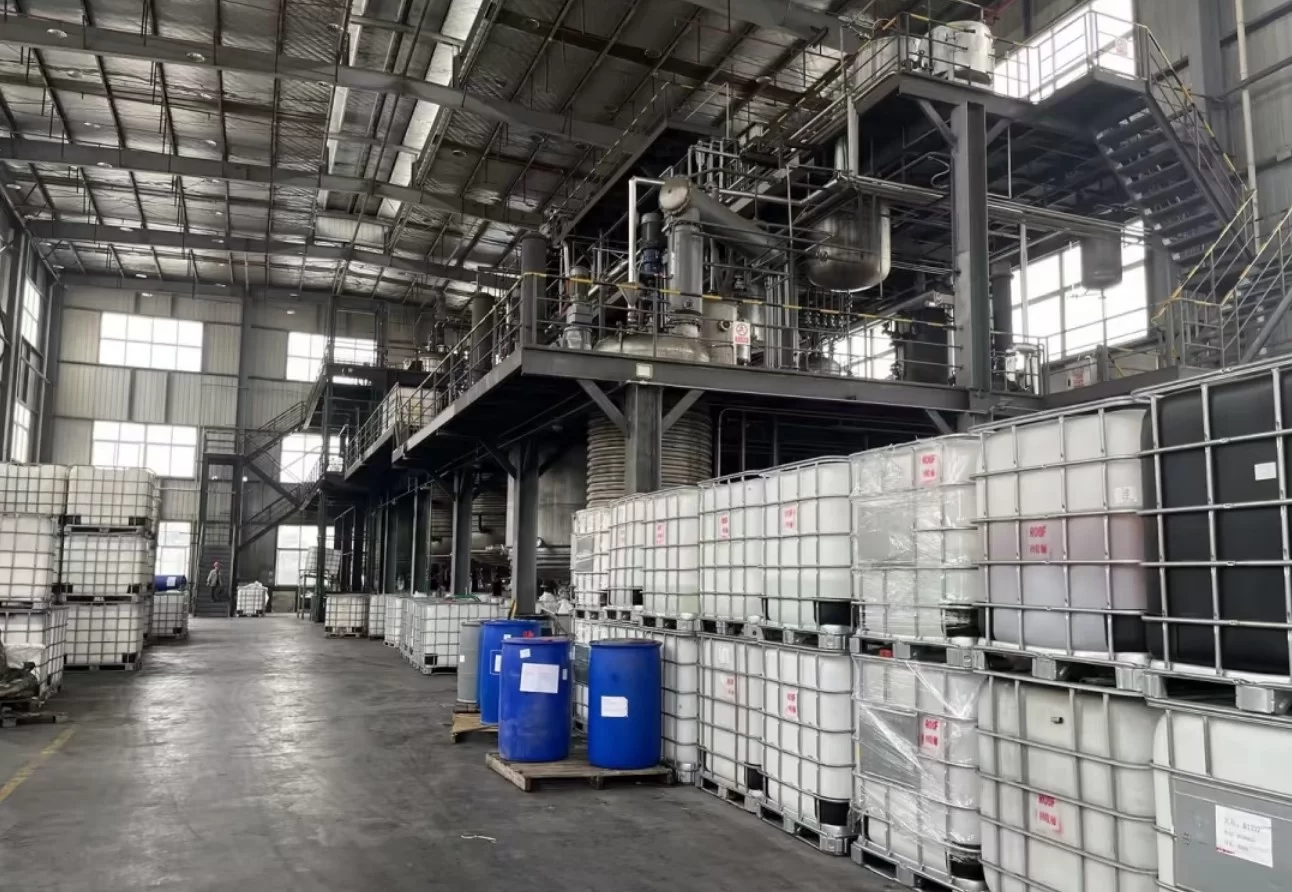
The quality and purity of DMDM Hydantoin are paramount for ensuring product safety and effectiveness. It is essential to source from a reputable supplier with stringent quality control measures. ZJSLES is committed to providing high-purity DMDM Hydantoin that meets industry standards and regulatory requirements. We offer consistent quality, reliable supply chains, and expert technical support to help our clients achieve optimal results. Our dedication to quality ensures your products are safe, effective, and meet consumer expectations.
DMDM Hydantoin Product Specifications
Here's a detailed look at the typical specifications of DMDM Hydantoin offered by ZJSLES:
Conclusion: Ensuring Safe and Effective Preservation with DMDM Hydantoin
DMDM Hydantoin remains a valuable preservative in the cosmetic industry, providing effective antimicrobial protection when used responsibly and within regulated limits. Choosing a reliable supplier like ZJSLES ensures access to high-quality material and expert support. By understanding its properties and adhering to best practices, manufacturers can create safe and effective products that meet consumer needs.
Frequently Asked Questions (FAQs)
Is DMDM Hydantoin safe for all skin types?
While DMDM Hydantoin is considered safe for use in cosmetics within regulated limits, individuals with sensitive skin or known formaldehyde allergies may experience irritation. Patch testing a small area of skin before using products containing DMDM Hydantoin is always recommended. Manufacturers often formulate products with varying concentrations of DMDM Hydantoin to balance efficacy and potential sensitivity. Choosing products designed for sensitive skin can further minimize the risk of adverse reactions.
What is the difference between DMDM Hydantoin and other formaldehyde-releasing preservatives?
Several other preservatives also release formaldehyde, including Diazolidinyl Urea and Imidazolidinyl Urea. DMDM Hydantoin generally releases formaldehyde at a slower rate and is considered more effective at lower concentrations compared to some of these alternatives. However, all formaldehyde-releasing preservatives function on the same principle and may pose similar risks to sensitive individuals. The choice of preservative often depends on the specific formulation requirements and desired preservation profile.
How should DMDM Hydantoin be stored?
DMDM Hydantoin should be stored in a cool, dry place away from direct sunlight and heat sources. It's important to keep the container tightly closed to prevent moisture absorption, which can affect its quality and efficacy. Proper storage is essential for maintaining the stability and performance of the preservative. Follow the specific storage recommendations provided by your supplier, such as ZJSLES, to ensure optimal product integrity.