Dimethylol Dimethyl Hydantoin: A Comprehensive Guide
Dimethylol Dimethyl Hydantoin (DMDMH) is a powerful antimicrobial preservative widely used in various industrial applications. Its effectiveness against a broad spectrum of bacteria, fungi, and yeasts makes it an essential ingredient in water-based products. This article will delve into the properties, applications, benefits, and safety considerations of DMDMH, providing a thorough understanding of this versatile chemical compound. Understanding DMDMH is crucial for formulators seeking reliable and effective preservation solutions. For more information about our products and services, please visit ZJSLES.
Understanding the Chemical Properties of Dimethylol Dimethyl Hydantoin
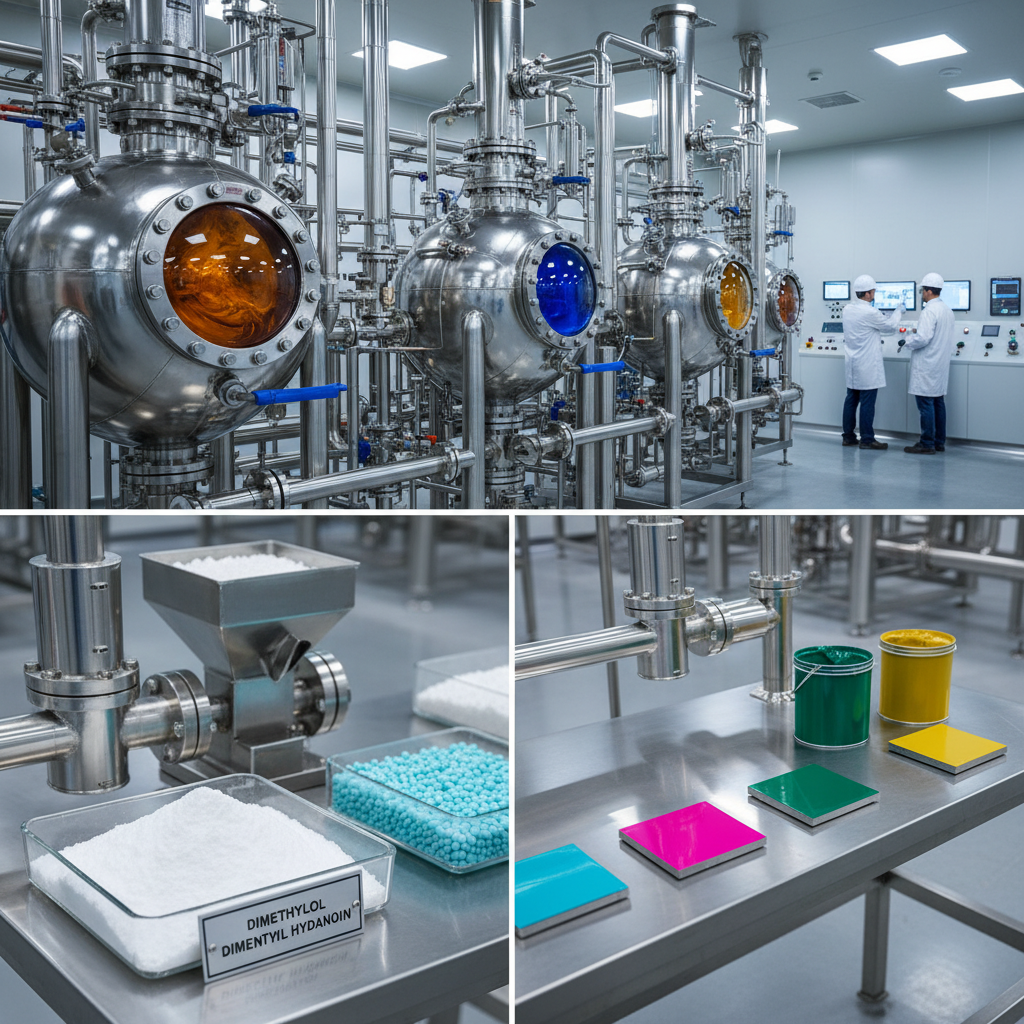
DMDMH, with the chemical formula C7H12N2O4, is a heterocyclic organic compound. It's a white to off-white crystalline powder, soluble in water and alcohol. The key to its antimicrobial activity lies in its ability to release formaldehyde in a controlled manner. This controlled release provides long-lasting preservation without the immediate concerns associated with free formaldehyde. DMDMH functions by disrupting microbial cell function, effectively inhibiting growth and proliferation. Its stability across a wide pH range makes it suitable for various formulations. Learn more about our DMDMH offerings at ZJSLES.
Key Highlights: Effective against a broad spectrum of microorganisms; controlled formaldehyde release; stable across a wide pH range; soluble in water and alcohol.
Applications of Dimethylol Dimethyl Hydantoin Across Industries
DMDMH finds widespread application in diverse industries due to its exceptional preservative qualities. Common applications include: paints and coatings to prevent spoilage and maintain viscosity; adhesives to inhibit bacterial growth and extend shelf life; metalworking fluids to control microbial contamination and corrosion; cosmetics and personal care products (at regulated levels) to preserve product integrity; and detergents and cleaning products to maintain efficacy and prevent odor development. The versatility of DMDMH makes it a valuable asset in maintaining product quality and safety. Contact ZJSLES to discuss your specific application needs.
Key Application Areas:
• Paints and Coatings
• Adhesives
• Metalworking Fluids
• Cosmetics and Personal Care
• Detergents and Cleaning Products
Dimethylol Dimethyl Hydantoin: Performance Comparison with Other Preservatives
When choosing a preservative, it's essential to consider its effectiveness, cost, and safety profile. DMDMH offers a compelling combination of these factors compared to alternatives like parabens, isothiazolinones, and formaldehyde donors. While parabens have faced scrutiny due to potential endocrine disruption concerns, DMDMH offers a formaldehyde-releasing alternative with controlled release. Isothiazolinones, while effective, can cause skin sensitization in some individuals. DMDMH, when used at recommended concentrations, generally exhibits a lower sensitization potential. Here's a comparative overview:
DMDMH Product Specifications & Quality Control at ZJSLES
At ZJSLES, we are committed to providing high-quality DMDMH that meets stringent industry standards. Our manufacturing process adheres to rigorous quality control measures, ensuring consistent purity and performance. Below are the typical specifications for our DMDMH product:
Safety Considerations and Handling of Dimethylol Dimethyl Hydantoin
While DMDMH is generally considered safe when used according to recommended guidelines, it's important to handle it with care. Direct contact with skin and eyes should be avoided. Appropriate personal protective equipment (PPE), such as gloves and safety glasses, should be worn during handling. Ensure adequate ventilation when working with DMDMH. Refer to the Safety Data Sheet (SDS) for detailed safety information. Proper storage in a cool, dry place away from incompatible materials is crucial. ZJSLES provides comprehensive SDS documentation for all our products.
Conclusion: DMDMH – A Reliable Preservation Solution
Dimethylol Dimethyl Hydantoin is a highly effective antimicrobial preservative offering a balance of performance, cost-effectiveness, and safety. Its versatility makes it suitable for a wide range of industrial applications. ZJSLES is your trusted partner for high-quality DMDMH and expert technical support. Choose DMDMH for reliable preservation and product integrity.
Frequently Asked Questions (FAQs)
What is the recommended dosage of DMDMH in a formulation?
The optimal dosage of DMDMH depends on several factors, including the specific formulation, the target microorganisms, and the desired shelf life. Typically, concentrations range from 0.05% to 0.5%. It’s crucial to conduct compatibility testing and microbial challenge tests to determine the most effective dosage for your application. Always adhere to regulatory guidelines and safety limits. Our technical team at ZJSLES can provide tailored dosage recommendations based on your specific needs.
Is DMDMH compatible with all types of ingredients?
DMDMH generally exhibits good compatibility with a wide range of ingredients. However, compatibility testing is always recommended, especially with highly reactive substances or those containing strong oxidizing or reducing agents. Incompatibilities can lead to reduced efficacy or product instability. Factors like pH and temperature can also influence compatibility. Contact ZJSLES for assistance with compatibility assessments.
What are the regulatory considerations for using DMDMH in cosmetics?
The use of DMDMH in cosmetics is regulated by various authorities, including the FDA in the United States and the European Commission in Europe. Regulations specify maximum permissible concentrations and labeling requirements. It's crucial to ensure that your formulations comply with all applicable regulations. DMDMH is permitted for use in cosmetics at concentrations up to 0.5% in the final product. Always consult the latest regulatory guidelines and maintain accurate documentation for compliance.