Understanding Sodium Silicate Solution: Properties and Industrial Uses
In the world of industrial chemistry, few compounds are as versatile and widely utilized as Sodium Silicate Solution. Often referred to as "water glass," this inorganic chemical compound is essential across a multitude of sectors, from detergent manufacturing to advanced construction and soil stabilization. Its unique ability to act as an adhesive, a sealant, and a pH regulator makes it an indispensable tool for engineers and chemists alike. In this comprehensive guide, we will explore the technical specifications, diverse applications, and the critical advantages of integrating high-quality silicate solutions into your production processes to ensure efficiency and durability.
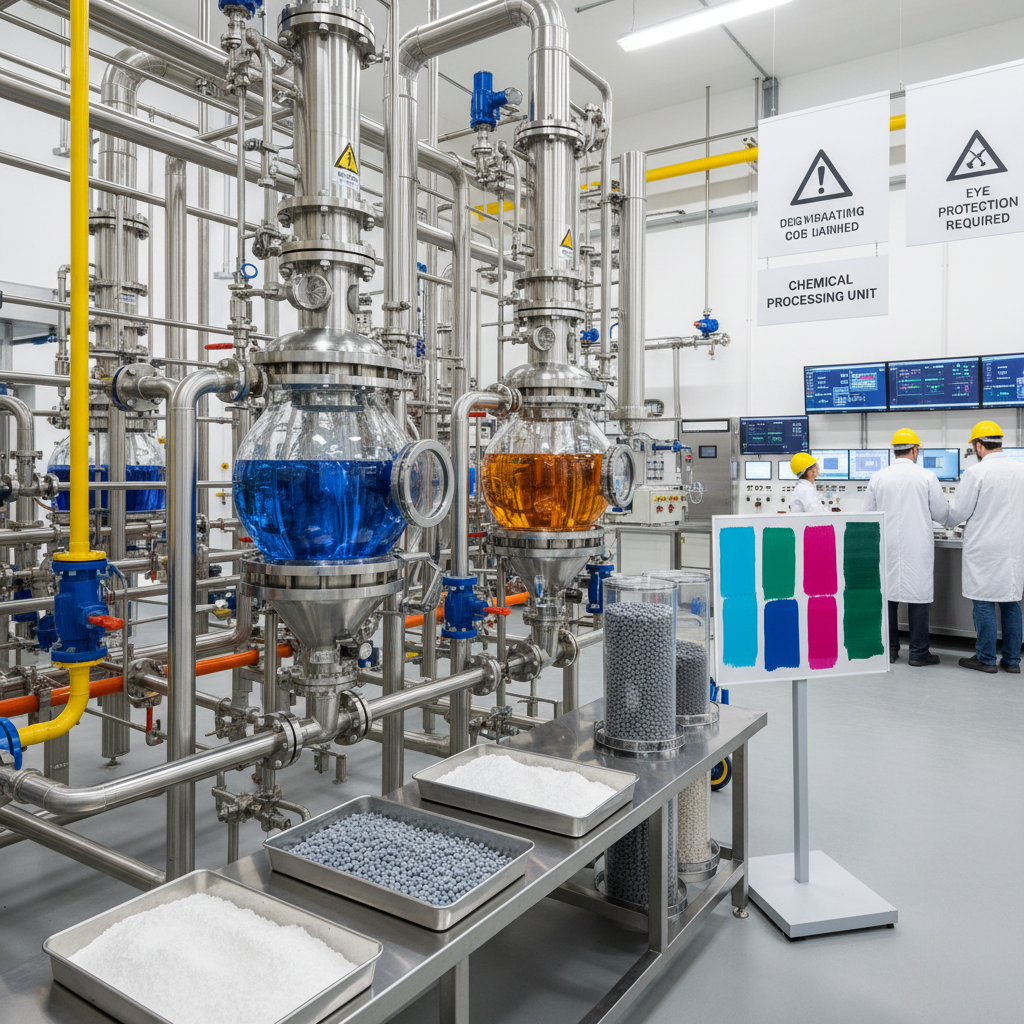
Chemical Characteristics of Sodium Silicate Solution
At its core, Sodium Silicate Solution is a mixture of soluble sodium oxide and silica. Depending on the ratio of silica to soda, the solution can exhibit different physical properties, ranging from a thin liquid to a thick, syrupy consistency. Its primary characteristic is its high alkalinity and its ability to form a hard, glass-like layer upon drying or reaction with acids. This property is what makes it exceptionally effective as a bonding agent in foundry molds and as a protective coating for metals and concrete. Furthermore, its solubility in water allows for easy application in liquid-based industrial processes.
Pro Tip: The "Modulus" (the weight ratio of SiO2 to Na2O) is the most critical factor in determining the performance of the solution in specific applications, such as whether it will be used for detergents or as a concrete hardener.
Key Applications of Sodium Silicate Solution in Modern Industry
The versatility of Sodium Silicate Solution allows it to serve various roles across different industries. In the detergent industry, it acts as a builder, preventing soil from redepositing on fabrics and maintaining a stable pH. In construction, it is used for soil stabilization and as a waterproofing agent for concrete walls. Additionally, it plays a vital role in the pulp and paper industry to stabilize bleaching agents and improve the quality of the final product. Its ability to act as a fire retardant also makes it a popular choice for treating textiles and wooden structures to increase safety standards.
Industrial Utility Breakdown:
• Construction: Concrete sealing, dust-proofing, and ground grouting.
• Chemicals: Raw material for zeolites and silica gel.
• Textiles: Bleach stabilizer and sizing agent.
• Agriculture: Strengthening plant cell walls and improving pest resistance.
Comparing Sodium Silicate Solution Grades and Specifications
Not all silicate solutions are created equal. Depending on the intended use, manufacturers produce different grades of Sodium Silicate Solution. High-modulus solutions are generally used in adhesives and construction, while low-modulus versions are preferred for soap and detergent formulations. Selecting the correct specification is paramount to ensuring the chemical stability and effectiveness of the end product. Below is a detailed product specification table to help you distinguish between the common industrial grades.
Benefits of Using High-Quality Sodium Silicate Solution
Investing in a premium Sodium Silicate Solution ensures consistency in production and longevity of the final product. One of the most significant advantages is its environmental friendliness compared to organic solvents or synthetic resins. It is non-toxic and biodegradable, making it a preferred choice for "green" construction and sustainable manufacturing. Additionally, its role as a corrosion inhibitor protects metal pipes and machinery from oxidative damage, reducing maintenance costs over time. When sourced from reliable suppliers, the purity of the solution prevents unwanted precipitation, ensuring a smooth blending process in complex chemical formulations.
Handling and Storage for Sodium Silicate Solution
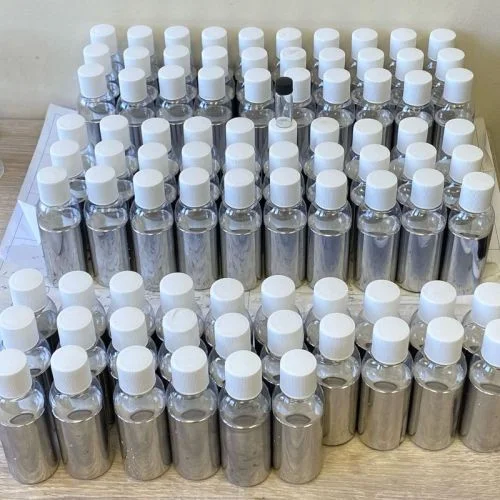
Proper storage is essential to maintain the stability of Sodium Silicate Solution. Because it is alkaline, it should be stored in containers made of materials that resist corrosion, such as high-density polyethylene (HDPE) or stainless steel. Carbon steel tanks should be avoided as the solution can react with the metal over time. It is also critical to keep the containers tightly sealed to prevent the absorption of carbon dioxide from the air, which can lead to the formation of silica gel precipitates, effectively "thickening" the solution and altering its concentration. Temperature control is another key factor; avoiding extreme freezing temperatures prevents the solution from crystallizing, which would require energy-intensive reheating to restore its liquid state.
The Future of Sodium Silicate Solution in Sustainable Tech
As the world moves toward more sustainable industrial practices, the role of Sodium Silicate Solution is expanding. Research is currently focusing on its application in carbon capture and storage (CCS), where silicate-based minerals are used to mineralize CO2, effectively turning greenhouse gases into stable rock formations. Moreover, in the energy sector, it is being explored for use in advanced battery electrolytes and thermal energy storage systems. The shift toward eco-friendly binders in the automotive and aerospace industries also highlights the potential for silicate solutions to replace toxic formaldehyde-based glues, marking a new era of safe and efficient industrial chemistry.
Conclusion: Optimizing Your Process with Sodium Silicate Solution
Whether you are aiming to enhance the strength of industrial concrete, optimize the efficiency of a detergent formula, or explore sustainable chemical alternatives, Sodium Silicate Solution provides a reliable, cost-effective, and environmentally responsible solution. By understanding the relationship between the modulus and the application, and ensuring proper storage and handling, businesses can significantly improve their operational output. For those seeking a high-purity, industrial-grade silicate solution, partnering with an experienced supplier is the first step toward achieving superior product quality and long-term industrial success.
Frequently Asked Questions (FAQs)
What is the difference between the "Modulus" and "Concentration" in Sodium Silicate Solution?
Concentration refers to the total amount of dissolved solids (the percentage of sodium silicate) in the water. In contrast, the Modulus is the weight ratio of silica (SiO2) to sodium oxide (Na2O). While concentration tells you how "strong" the solution is in terms of quantity, the modulus tells you about its chemical behavior. For example, a high-modulus solution is more viscous and better for adhesives, whereas a low-modulus solution is more alkaline and better for soaps. Both factors must be considered when ordering from ZJSLES to ensure the product fits your technical needs.
Is Sodium Silicate Solution safe to handle?
Sodium silicate is considered relatively safe and non-toxic, but because it is highly alkaline, it can be irritating to the skin and eyes. If it comes into contact with the skin, it can cause a "slippery" feeling (similar to soap) as it reacts with the oils on the skin. We recommend using standard Personal Protective Equipment (PPE), including rubber gloves and safety goggles, during handling. In case of eye contact, the area should be flushed with water immediately. Always refer to the Material Safety Data Sheet (MSDS) provided by your supplier for detailed safety protocols.
How do I prevent Sodium Silicate Solution from crystallizing?
Crystallization usually occurs when the solution is exposed to very low temperatures or when it is over-concentrated. To prevent this, store the solution in a temperature-controlled environment, ideally above 10°C. If crystallization does occur, the solution can often be restored by gently heating the container in a warm water bath and stirring slowly. To avoid this entirely, ensure that the solution is stored in airtight containers to prevent evaporation of water, which would increase the concentration and make the liquid more prone to freezing or crystallizing.
Can Sodium Silicate Solution be used as a fire retardant?
Yes, it is an excellent fire retardant. When applied to surfaces like wood, fabric, or paper, the Sodium Silicate Solution creates a protective inorganic layer. When exposed to heat, this layer melts and forms a glassy shield that blocks oxygen from reaching the fuel source and prevents the spread of flames. It is often used in the textile industry to treat curtains and upholstery in public buildings to meet strict fire safety regulations. Its non-toxic nature makes it a safer alternative to halogenated flame retardants.