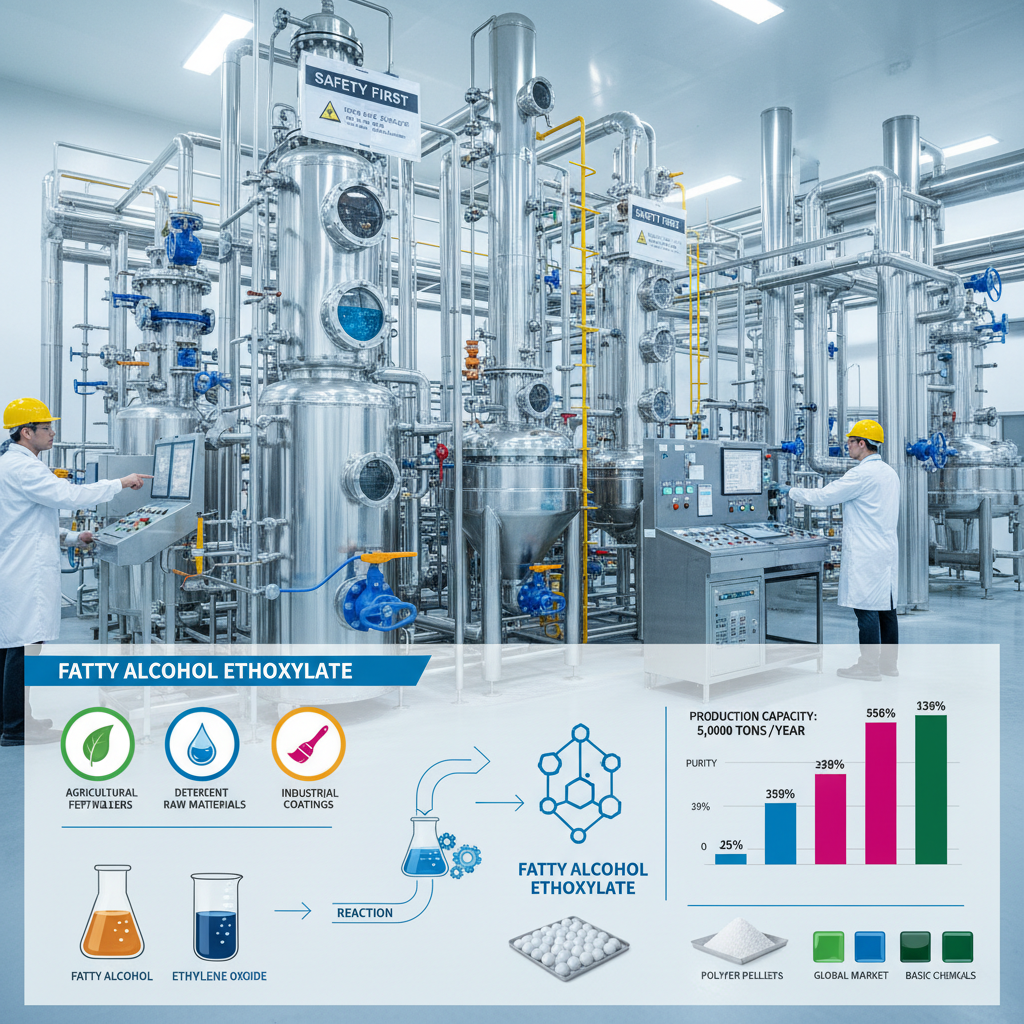
Fatty Alcohol Ethoxylates, or FAEs as we call ‘em on site, aren’t glamorous, but they’re absolutely foundational to a lot of what keeps modern construction moving. You’ll find them in concrete admixtures, paints, coatings, even the adhesives holding down flooring. These aren’t theoretical chemicals; they’re the stuff that makes a pour go smoother, a finish last longer, and a building stand up to the elements. Been wrestling with concrete all day, and you start to appreciate the little things that prevent cracking and keep your schedule on track – that's where FAEs come in.
For years, we’ve relied on tried-and-true methods, but now there’s a real push for more sustainable and high-performing solutions. FAEs are front and center in that conversation. We're not just slapping materials together anymore; we’re thinking about lifecycle costs, environmental impact, and long-term durability. It’s not enough for something to work today, it needs to still be working, and working well, decades down the line.
I’ve seen firsthand how proper FAE selection can save a project – and a reputation. Choosing the right ethoxylation level, the right fatty alcohol base… it's not always intuitive. That’s why understanding the fundamentals is key for anyone involved in the build process, from the engineer designing the mix to the crew actually pouring it.
The Fundamental Role of Fatty Alcohol Ethoxylate
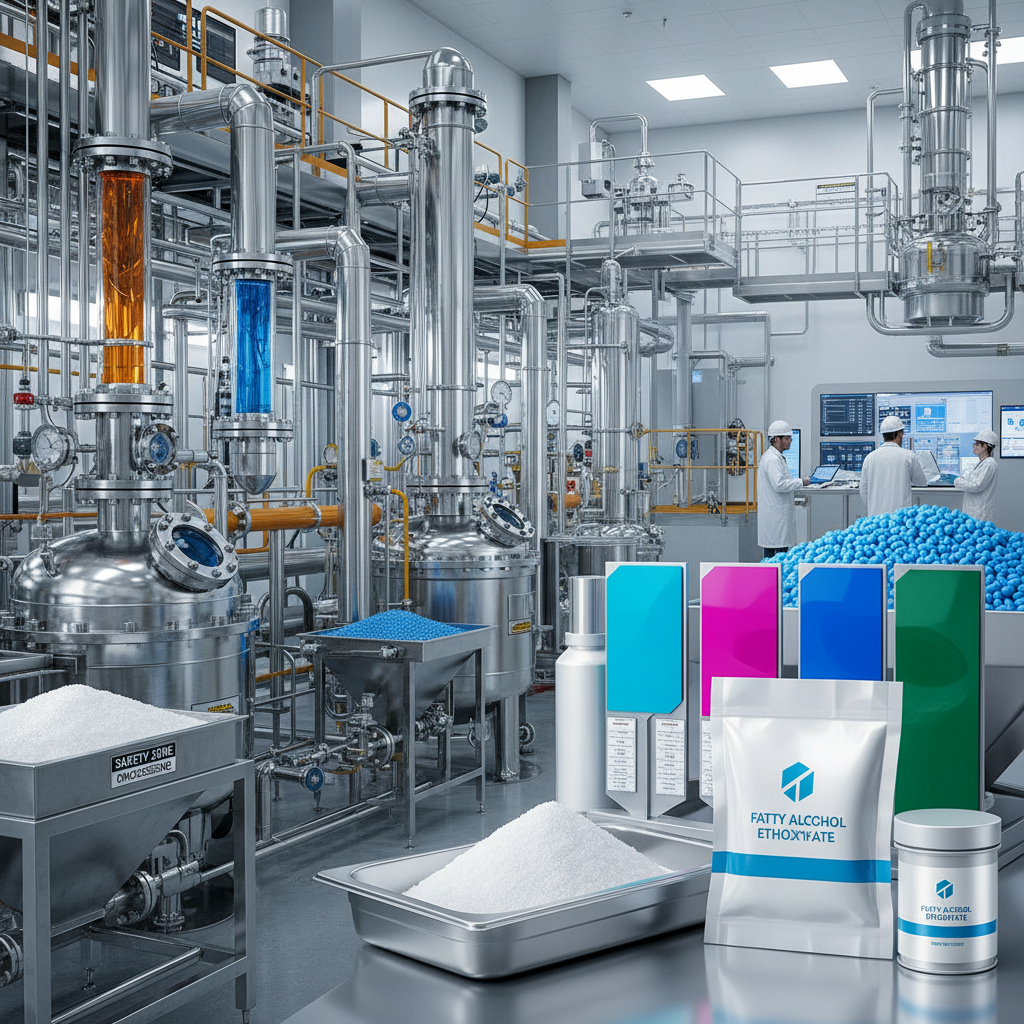
I’ve been mixing concrete for 20 years, and you quickly learn that seemingly minor additives can make or break a job. Fatty Alcohol Ethoxylates fall into that category. They act as non-ionic surfactants, essentially reducing the surface tension of liquids. That sounds fancy, but what it means on the ground is better wetting, dispersion, and emulsification. Better wetting means the cement hydrates more efficiently, giving you stronger, more durable concrete.
You see it in everything. From improving the workability of concrete – making it easier to pour and finish – to enhancing the stability of emulsions in paints and coatings. Without these compounds, we'd be fighting surface tension constantly, leading to inconsistencies and compromised quality. It’s a subtle chemistry, but a powerful one.
Global Relevance and Industry Challenges
Look around the world, and you see a construction boom happening in developing nations. They’re building infrastructure at a pace we haven’t seen in decades. But building fast doesn’t mean building badly. There’s a huge demand for materials that can deliver both speed and long-term resilience. FAEs are becoming increasingly crucial to meeting that demand, particularly in regions facing harsh climates or limited resources.
The industry, though, faces real challenges. Supply chain disruptions, fluctuating raw material costs, and the push for greener chemistries are all putting pressure on FAE manufacturers. We're seeing a move towards bio-based fatty alcohols as a more sustainable option, which is good, but they often come at a higher price point. It’s a balancing act.
And let's be honest, there’s a lot of confusion out there. Different ethoxylation levels, different alcohol bases… it can be overwhelming. Too many guys on site just grab the cheapest option without understanding the impact on the final product. That's where education and proper specification are critical.
Defining Fatty Alcohol Ethoxylate: A Practical Perspective
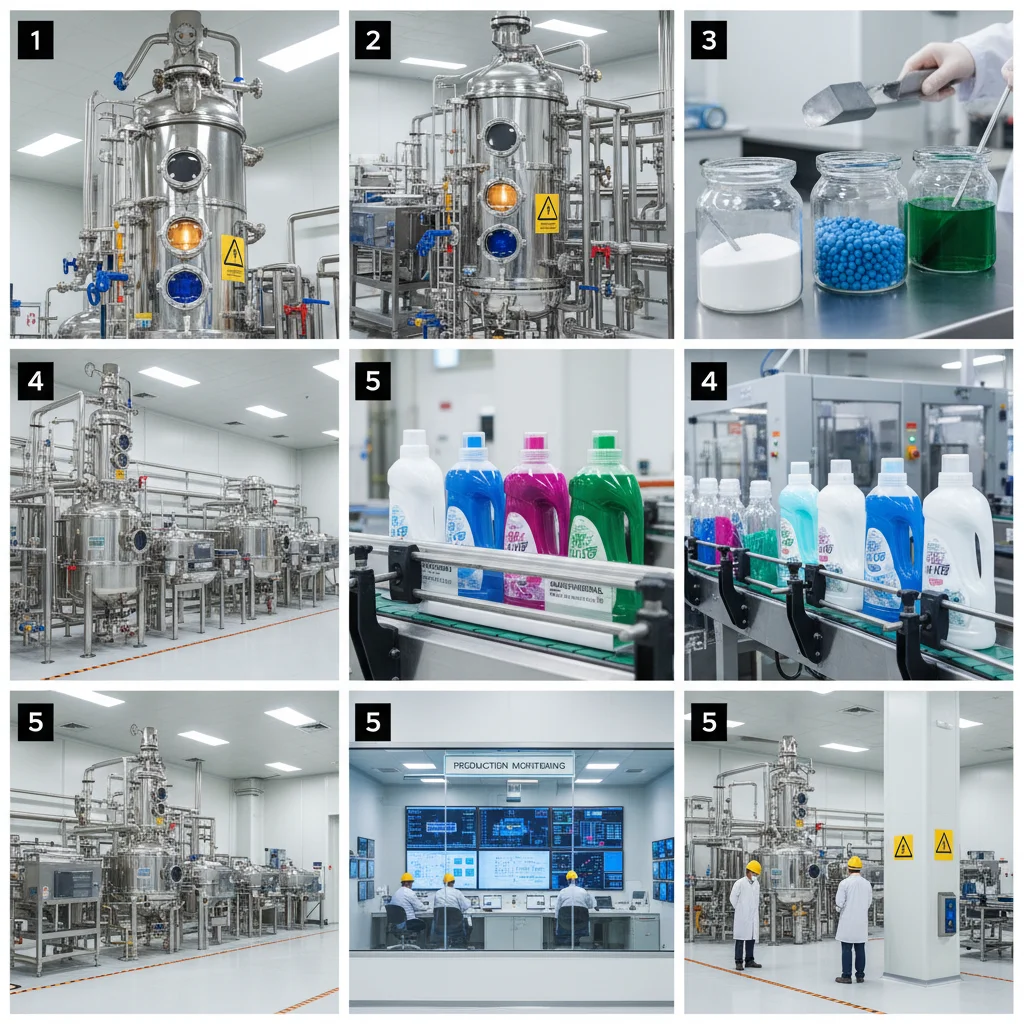
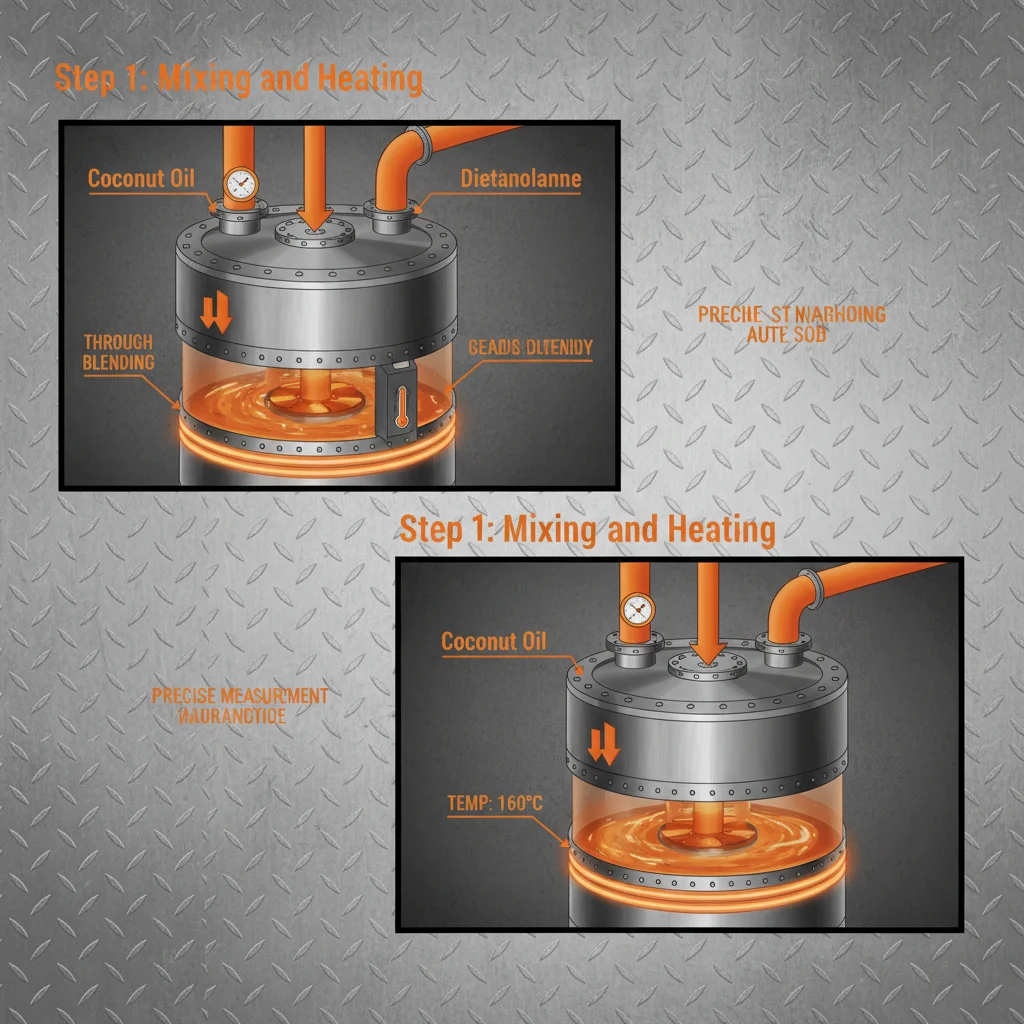
Okay, so what is a Fatty Alcohol Ethoxylate? Forget the textbook definition. It's basically a fatty alcohol – think coconut oil or palm kernel oil – reacted with ethylene oxide. The “ethoxylation” part refers to how many ethylene oxide molecules are added. That number, expressed as "xEO" (e.g., 9EO), dictates the properties of the resulting surfactant. More EO means greater water solubility and different emulsification characteristics.
What this translates to on a construction site is the ability to tailor the FAE to the specific application. For concrete, you might want a lower EO number for better air entrainment. For paints, a higher EO number might be needed for better pigment dispersion. It's all about understanding how that number affects its performance in the mix.
It's a vital ingredient in a lot of things we use daily, and it’s about more than just getting a mix to flow. It's about controlling the chemistry at a molecular level to achieve the desired outcome.
Key Characteristics Influencing Performance
There are a few things that really matter when you’re choosing a Fatty Alcohol Ethoxylate. First, the fatty alcohol base – coconut, palm, or even synthetic – affects its biodegradability and overall performance. Then, there’s the degree of ethoxylation (the xEO number), as we discussed. That controls the hydrophilic-lipophilic balance (HLB), which dictates how well it mixes with water and oil.
Another key factor is purity. You want a consistent product with minimal byproducts. Contaminants can interfere with the chemical reactions and compromise the final properties. Finally, viscosity plays a role in how easy it is to handle and incorporate into the mix. You don’t want something too thick or too thin.
Fatty Alcohol Ethoxylate Performance Comparison
Real-World Applications Across Industries
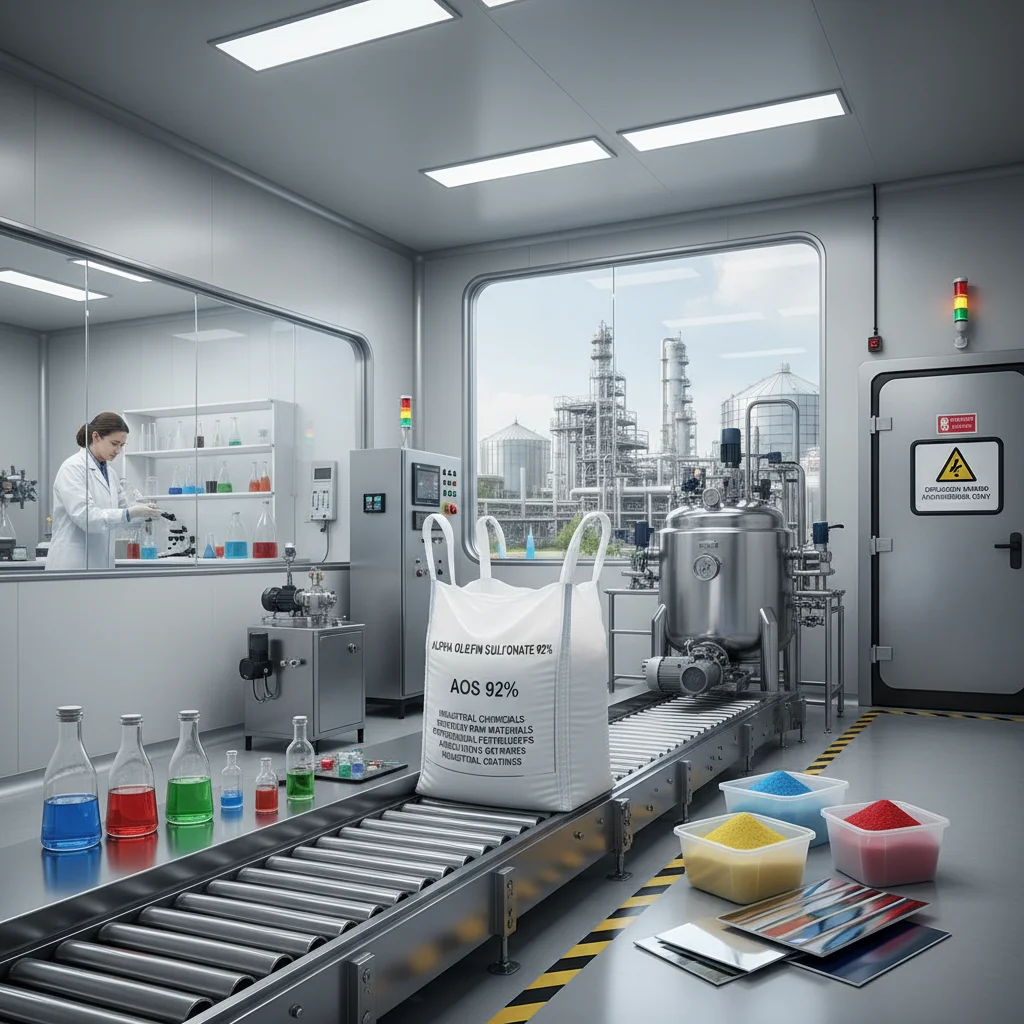
Concrete is a big one, obviously. We use FAEs in plasticizers, air-entraining agents, and shrinkage-reducing admixtures. But it doesn’t stop there. You’ll find them in paints and coatings – leveling agents, dispersants, and stabilizers. They’re in adhesives, making them stick better and last longer. And increasingly, they’re being used in industrial cleaning products and textile processing.
I saw a project in the Middle East where they were using FAEs to improve the performance of desert-resistant concrete. The extreme heat and salinity were causing traditional concrete to crack and deteriorate rapidly. A carefully selected FAE helped create a more durable and resilient structure.
The Long-Term Value Proposition of FAEs
Using the right Fatty Alcohol Ethoxylate isn't about shaving a few bucks off the initial cost. It’s about building something that lasts. Reduced maintenance, fewer repairs, and a longer lifespan – that's where the real value lies. You’re looking at lower lifecycle costs and a stronger reputation for quality.
Plus, the push for sustainable construction means we're seeing more demand for bio-based FAEs, even if they’re a bit more expensive upfront. Clients are willing to pay a premium for environmentally friendly materials, and that's a trend that’s here to stay.
Future Trends and Innovations in FAE Technology
We’re seeing a lot of R&D focused on developing FAEs from renewable feedstocks. That’s the big one. Reducing our reliance on petroleum-based chemicals is crucial for long-term sustainability. There’s also work being done on optimizing ethoxylation processes to create more tailored surfactants with specific properties.
I'm also keeping an eye on the development of "smart" FAEs – surfactants that can respond to environmental changes, like temperature or pH. That could open up a whole new range of applications in self-healing concrete and adaptive coatings.
Digitalization is playing a role, too. AI-powered tools are being used to predict the performance of different FAE formulations, streamlining the selection process and reducing trial-and-error.
Summary of FAE Performance Factors
| FAE Category |
Performance Indicator |
Application Context |
Long-Term Impact |
| Coconut Oil Based |
Biodegradability (Rating 1-10) |
Environmentally sensitive projects |
Reduced environmental footprint |
| Palm Kernel Oil Based |
Cost Effectiveness (Rating 1-10) |
Large-scale infrastructure projects |
Lower initial project costs |
| 9EO Ethoxylate |
Emulsification Stability (Rating 1-10) |
Paint and coating formulations |
Extended coating lifespan |
| 7EO Ethoxylate |
Wetting Ability (Rating 1-10) |
Concrete admixture applications |
Improved cement hydration |
| Synthetic FAE |
Chemical Consistency (Rating 1-10) |
High-precision industrial applications |
Predictable and reliable results |
| Bio-Based FAE |
Sustainability Rating (Rating 1-10) |
Green building projects |
Enhanced environmental credentials |
FAQS
It's tough to give a hard number, as it depends on the environmental conditions, the concrete mix design, and the specific FAE used. However, we've seen improvements in durability ranging from 15% to 30% in terms of resistance to cracking, spalling, and chemical attack. That translates to fewer repairs and a longer service life for the structure. Proper selection and dosage are key here.
Not necessarily. Compatibility is a big deal. FAE performance can vary depending on the cement type—Portland cement, blended cement, etc.—and the presence of other admixtures. It’s crucial to conduct compatibility testing before incorporating an FAE into a new mix design. We’ve seen issues with some FAEs causing retardation or affecting the setting time if they aren't properly matched with the cement.
Bio-based FAEs are rapidly closing the performance gap. Early generations had some drawbacks in terms of stability and consistency, but the newer formulations are very competitive. You might see a slight difference in certain properties, like foaming characteristics, but these can often be adjusted with minor tweaks to the mix design. The environmental benefit often outweighs any minor performance differences.
While generally considered safe, FAEs can cause skin and eye irritation, so it’s essential to wear appropriate personal protective equipment – gloves, safety glasses, and a respirator if there's a risk of inhaling mists. Always refer to the Safety Data Sheet (SDS) for specific handling instructions and first aid measures. Good ventilation is also important when working with these chemicals.
They can be used in both! However, you need to consider the mixing time and the potential for degradation during transport. In pre-mixed concrete, the FAE needs to be stable for extended periods. With site-mixed concrete, you have more control over the timing and dosage, which can optimize performance. Proper dispersion is critical in both scenarios.
Dosage rates vary widely depending on the specific FAE, the cement type, and the desired properties of the concrete. However, a typical range is 0.1% to 0.5% by weight of cement. It's always best to follow the manufacturer's recommendations and conduct trial mixes to optimize the dosage for your specific application. Overdosing can be just as problematic as underdosing.
Conclusion
Fatty Alcohol Ethoxylates aren’t a flashy technology, but they’re the workhorses of modern construction, quietly improving the performance, durability, and sustainability of the structures around us. From enhancing concrete’s resistance to the elements to stabilizing paint formulations, these versatile surfactants play a critical role in building a more resilient and environmentally responsible future. Understanding their properties and applications is essential for anyone involved in the construction industry.
The future of FAEs lies in continued innovation – exploring bio-based alternatives, developing smart surfactants, and leveraging digital tools to optimize their use. By embracing these advancements, we can unlock even greater potential for these essential chemicals and build structures that stand the test of time. For more information and to explore our range of FAE products, visit our website: Fatty Alcohol Ethoxylate.