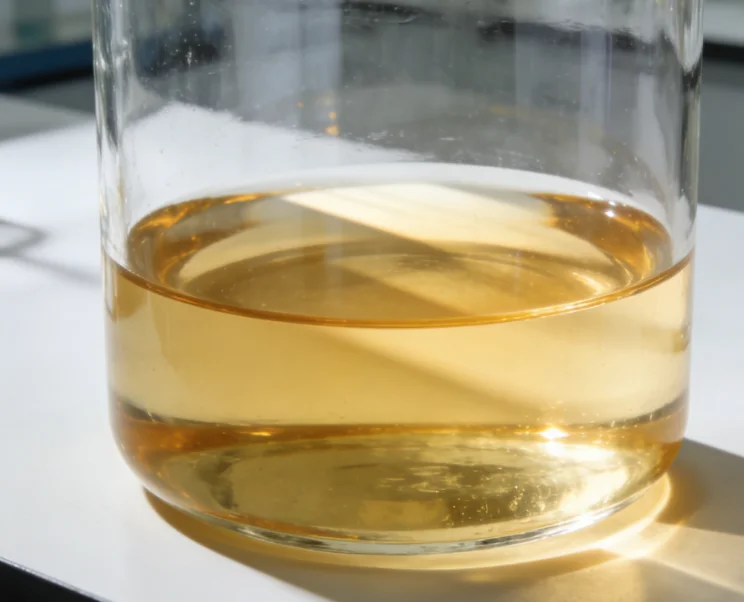
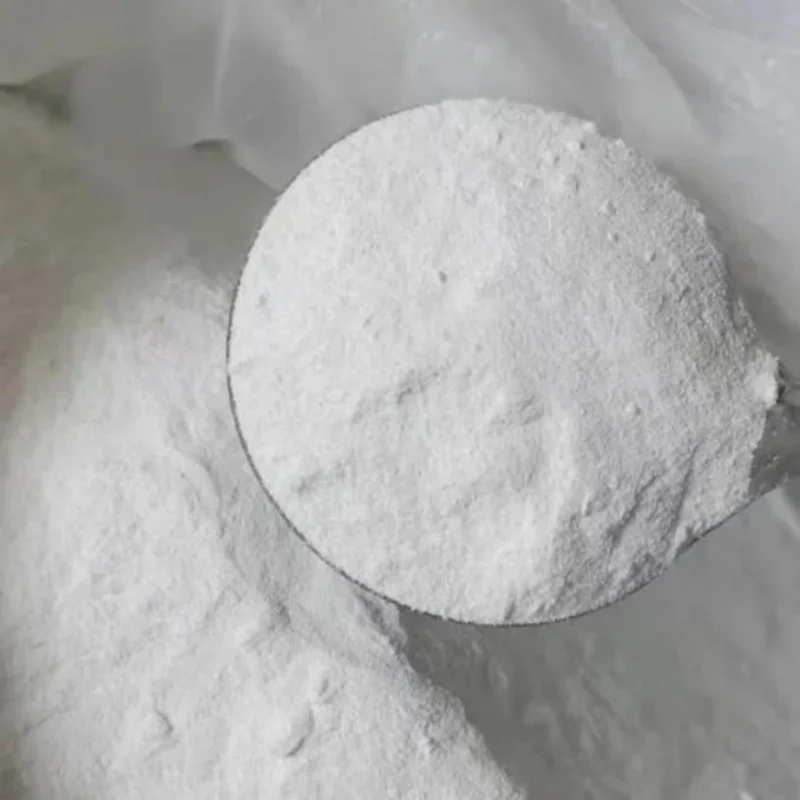
HighPerformance SLES 70 Solutions for France’s Chemical Industry

HighPerformance SLES 70 Solutions for France’s Chemical Industry

High-Performance SLES 70% Solutions for France's Chemical Industry

Premium grade surfactants engineered for the French cosmetic and industrial markets, ensuring superior foaming and stability.

High-Performance SLES 70% Solutions for France's Chemical Industry

Providing the French manufacturing sector with high-purity Sodium Laureth Sulfate tailored for diverse industrial applications from luxury skincare to heavy-duty cleaning.

Current Landscape of Surfactants in France

Analyzing the integration of forest-derived chemical products in the European market.

France, as a global hub for luxury Cosmetics, maintains rigorous standards for raw material purity. The demand for efficient surfactant agents is driven by both the prestige beauty sector in Paris and the industrial chemical clusters in the Rhône-Alpes region.

The French market is characterized by a strong shift toward eco-certified materials. In the realm of forest-based chemical products, manufacturers are increasingly seeking Sodium Lauryl Ether Sulfate that minimizes irritation while maximizing biodegradability to meet EU REACH regulations.

Economically, France's chemical industry faces pressure to optimize supply chains. This has led to a preference for high-concentration versions like SLES 70% to reduce logistics costs and carbon footprints during transport within the European Union.
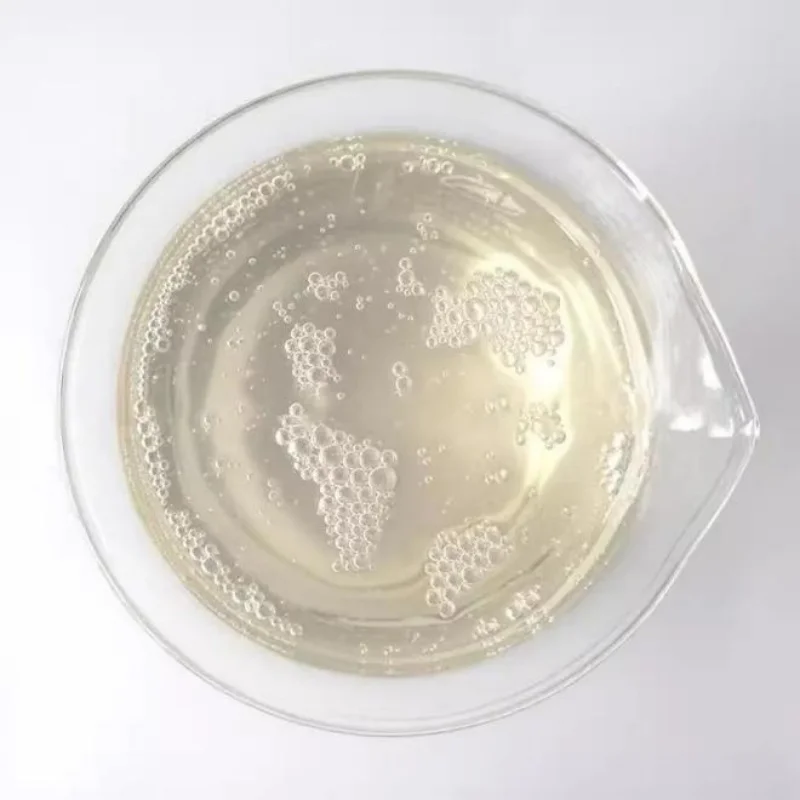
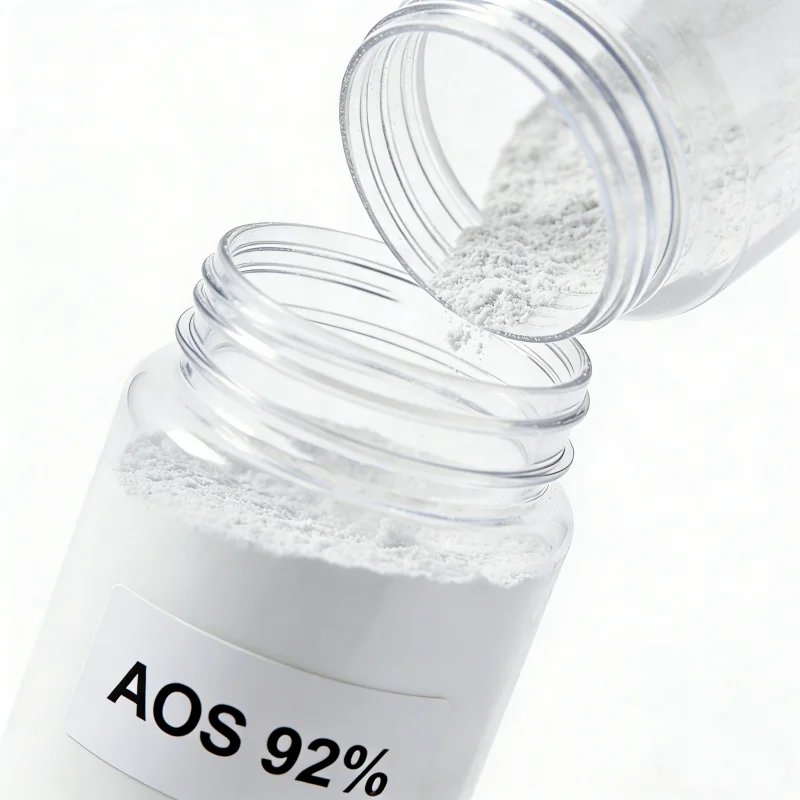
Evolution and Technical Trajectory of SLES

From traditional soap bases to advanced ethoxylated surfactants.

Market Development History

In the late 20th century, the French chemical sector relied heavily on basic fatty alcohol sulfates. Around the 1990s, the transition to ethoxylation introduced Sodium Laureth Sulfate, which offered significantly lower skin irritation levels compared to its predecessors.

Between 2005 and 2015, the industry saw a surge in "Green Chemistry" initiatives. This era marked the refinement of catalyst technologies, allowing for more precise control over the degree of ethoxylation in the surfactant production process to meet French dermatological standards.

From 2016 to the present, the focus has shifted toward concentration and purity. The adoption of SLES 70% became the industrial gold standard, eliminating excess water and improving the efficiency of the manufacturing pipeline for Cosmetics.

Future Development Trends

Bio-Based Feedstock Integration

The move toward RSPO-certified palm kernel oil and forest-derived alcohols to ensure 100% sustainable sourcing in France.

Low-Carbon Ethoxylation

Implementing renewable energy in the ethoxylation process to reduce the CO2 per ton of Sodium Lauryl Ether Sulfate produced.

Hyper-Pure Grades for Dermocosmetics

Developing ultra-low 1,4-dioxane levels to align with the strictest European safety guidelines for infant and sensitive skin care.

Industry Trends and Future Outlook

Strategic forecasts for the specialized chemical manufacturing sector in Europe.

Circular Economy Shift
Transitioning toward closed-loop systems where chemical by-products are recycled into secondary raw materials.
REACH Compliance 2.0
Adapting to evolving EU regulations regarding surfactant toxicity and aquatic environmental impact.
Precision Formulation
Increasing demand for tailored viscosity and foam profiles to suit luxury French fragrance oils.
Digital Supply Integration
Integrating IoT and AI to predict demand spikes in the seasonal French cosmetics market.

Industry Outlook

Over the next 3-5 years, the French market will likely transition toward a "Zero-Impact" chemical model. This will be evidenced by a surge in search trends for biodegradable alternatives and concentrated precursors that minimize packaging waste.

We anticipate that the synergy between forest-derived chemistry and modern ethoxylation will create a new category of "Hybrid Surfactants," combining the purity of Sodium Lauryl Ether Sulfate with plant-based conditioners.

Localized Application Scenarios in France

Real-world implementations of high-grade surfactants across French industries.

1. Parisian Luxury Skin Care Formulations

Utilizing ultra-pure SLES 70% to create low-irritation cleansing milks and facial foams for high-end dermatological brands.

2. Provence Organic Soap Enhancements

Integrating sustainable surfactant agents into traditional Marseille soap derivatives to improve solubility and lather.

3. Industrial Degreasers for Aerospace (Toulouse)

Developing heavy-duty cleaning agents using Sodium Laureth Sulfate for precision cleaning of aircraft components.

4. Professional Hair Care Salons in Lyon

Formulating high-viscosity shampoos that require the stable foaming properties of Sodium Lauryl Ether Sulfate for professional use.

5. Eco-Friendly Household Detergents

Creating biodegradable dishwashing liquids that comply with French environmental labels using concentrated surfactant blends.

Brand Story

Global Development History of Shandong Zhongjin Chemical Co., Ltd.

Foundational Excellence

Established with a mission to solve the purity inconsistencies in raw surfactant manufacturing, focusing on high-stability chemical synthesis.

Technological Breakthrough

Perfected the concentration process for SLES 70%, significantly reducing impurities and improving global shipping efficiency.

European Market Entry

Expanded operations to Europe, aligning production with REACH standards to serve the demanding French Cosmetics market.

Sustainable Innovation

Invested in green chemistry to transition from traditional petrochemicals to forest-derived and sustainable plant-based precursors.

Global Leadership

Now a trusted partner for worldwide chemical distributors, providing precision-engineered surfactants for a cleaner, safer world.

Complete Product Portfolio for the French Market

A comprehensive range of surfactants designed for European regulatory compliance and performance.

Local FAQ for French Chemical Manufacturers

Addressing common technical and regulatory queries regarding SLES imports in France.

How does SLES 70% compare to lower concentrations for French logistics?

SLES 70% is significantly more cost-effective as it reduces the volume of water transported, lowering freight costs and reducing the carbon footprint per ton of active surfactant.

Is your Sodium Laureth Sulfate compliant with EU REACH regulations?

Yes, our Sodium Laureth Sulfate is produced under strict quality control protocols that align with all European REACH safety and registration requirements.

Can this surfactant be used in organic-certified cosmetics in France?

While SLES is a synthetic ethoxylate, we provide grades with minimized impurities. For strict organic certifications, we recommend consulting the specific COSMOS or Ecocert guidelines for your final Cosmetics formulation.

What is the optimal storage temperature for SLES 70% in the European climate?

To prevent crystallization during French winters, it is recommended to store SLES 70% in temperature-controlled warehouses maintained between 15°C and 30°C.

How does the foaming profile of Sodium Lauryl Ether Sulfate differ by ethoxylation degree?

Generally, a lower degree of ethoxylation in Sodium Lauryl Ether Sulfate provides flashier foam, whereas a higher degree improves mildness and solubility.

What lead times should French manufacturers expect for bulk surfactant orders?

Depending on the shipping method (sea or rail), lead times typically range from 30 to 45 days, with localized warehousing options available for urgent surfactant needs.

Get Expert Chemical Consulting

Partner with a global leader in surfactant technology to optimize your production in France.

Contact Us Now

If you are interested in our products, you can choose to leave your information here, and we will be in touch with you shortly.

  • captcha