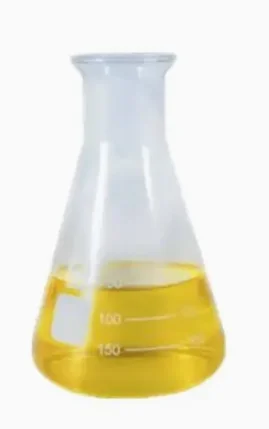
HighPerformance SLES 70 Solutions for New Zealand

HighPerformance SLES 70 Solutions for New Zealand

High-Performance SLES 70% Solutions for New Zealand

Premium surfactant raw materials engineered for the Oceania market, ensuring superior foam stability and biodegradability for high-end personal care products.

High-Performance SLES 70% Solutions for New Zealand

Providing the foundational chemistry for New Zealand's thriving beauty and cleaning industries with high-purity Sodium Laureth Sulfate to drive product excellence.

The Landscape of Chemical Manufacturing in New Zealand

Analyzing the demand for high-efficiency surfactants in the Oceania region.

New Zealand's manufacturing sector is characterized by a strong commitment to "Clean and Green" standards. The demand for a reliable surfactant is driven by the country's strict environmental regulations and a consumer base that prioritizes eco-friendly and skin-safe formulations in their daily hygiene products.

Due to its island geography, New Zealand relies heavily on the strategic import of concentrated chemical raw materials. SLES 70% is particularly favored over diluted versions to reduce shipping costs and carbon footprints, aligning with the national goal of sustainable logistics.

The local market for Cosmetics has shifted toward "Clean Beauty," necessitating raw materials that provide high performance without compromising the delicate ecological balance of the New Zealand wilderness.
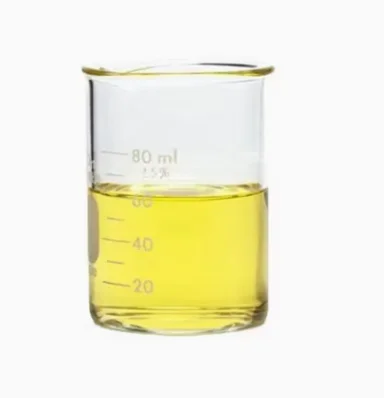
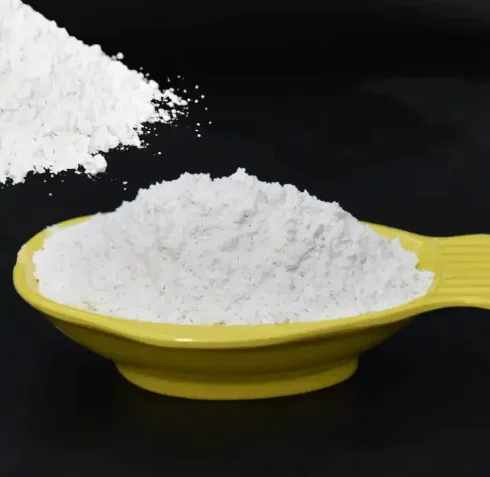
Evolution of Forest-Based Chemical Derivatives

From traditional soap bases to advanced synthetic ethoxylation.

Market Development History

In the early 2000s, the New Zealand market relied heavily on basic fatty alcohol sulfates. However, as the need for milder skin-feel products grew, the industry transitioned toward ethoxylated derivatives, marking the widespread adoption of Sodium Lauryl Ether Sulfate.

By 2010-2015, the focus shifted toward concentration efficiency. The industry moved from 25% active matter solutions to the industry-standard SLES 70%, allowing local manufacturers to optimize their mixing vessels and reduce storage overheads.

From 2018 to the present, the integration of forest-chemical product manufacturing has emphasized sustainable sourcing, ensuring that the precursors for surfactants are derived from responsibly managed plantations.

Future Development Trends

Bio-based Feedstock Integration

Moving toward 100% renewable carbon sources to replace petroleum-based ethylene oxide in the surfactant chain.

Ultra-Mild Formulation Tech

Developing low-irritation grades of Sodium Laureth Sulfate specifically for baby care and sensitive skin segments.

Circular Economy Logistics

Implementing reusable IBC tanks for the delivery of surfactants to minimize plastic waste in New Zealand's coastal cities.

Industry Outlook and Future Projections

Strategic foresight for the New Zealand chemical raw materials market.

Eco-Certification Demand
Increasing search volume for RSPO-certified raw materials in Oceania.
Concentrated Logistics
SLES 70% will dominate over low-concentration alternatives to reduce freight.
Customization Growth
Rise in bespoke surfactant blends for artisanal NZ cosmetic brands.
Regulatory Alignment
Stricter compliance with New Zealand EPA guidelines for chemical safety.

Industry Outlook

Based on Google Search trends in the Oceania region, there is a significant uptick in queries regarding "sulfate-free" alternatives; however, high-purity Sodium Lauryl Ether Sulfate remains the dominant choice due to its unmatched foaming power and cost-efficiency for mass-market products.

The next 3-5 years will see a convergence of forest-chemical precision and green chemistry, where New Zealand manufacturers will demand raw materials with lower 1,4-dioxane levels and higher biodegradability scores.

Localized Application Scenarios in New Zealand

Real-world implementations of our chemical solutions across various NZ sectors.

01. Premium Shampoo Formulations in Auckland

Utilizing SLES 70% to create high-lather, luxurious shampoos that cater to the diverse hair types of New Zealand's urban population while ensuring ease of rinsing.

02. Eco-Friendly Dishwashing Liquids in Christchurch

Integrating a balanced surfactant system to remove stubborn grease in cold-water washing environments typical of the South Island.

03. Natural-based Body Washes for Tourism Resorts

Providing high-purity Sodium Laureth Sulfate for hotel amenities that emphasize a "pure New Zealand" experience with skin-friendly pH levels.

04. Industrial Degreasers for Agriculture Equipment

Applying concentrated Sodium Lauryl Ether Sulfate in heavy-duty cleaners used for dairy farming equipment across the Waikato region.

05. Specialized Cosmetics for Sun-Care Products

Formulating gentle cleansing foams that remove water-resistant sunscreens, essential for New Zealand's high-UV environment.

Brand Story

Global Development History of Shandong Zhongjin Chemical Co., Ltd.

Foundation of Excellence

Established with a vision to modernize forest-chemical derivatives, we began by mastering the synthesis of high-purity surfactants for the domestic market.

Technological Breakthrough

Invested in advanced ethoxylation technology to produce SLES 70% with minimal impurities, setting a new industry benchmark.

Global Expansion

Expanded our footprint into the Oceania region, tailoring our logistics to meet the unique demands of New Zealand's isolated geography.

Sustainability Pivot

Implemented green manufacturing processes to ensure our products meet the strictest global environmental standards for biodegradability.

Future-Ready Chemistry

Now leading the way in specialized chemical solutions, solving the pain point of balancing high performance with eco-compliance in the cosmetics industry.

Complete Product Portfolio for New Zealand

Comprehensive chemical raw materials tailored for the Oceania market.

Frequently Asked Questions in New Zealand

Expert answers to common technical and logistical queries from our NZ partners.

Why is SLES 70% preferred over SLES 25% for NZ imports?

Due to New Zealand's distance from major manufacturing hubs, importing SLES 70% significantly reduces shipping volume and cost per active unit, while lowering the carbon footprint of transport.

How does Sodium Laureth Sulfate differ from Sodium Lauryl Sulfate in cosmetics?

Unlike SLS, Sodium Laureth Sulfate is ethoxylated, making it much milder on the skin and less irritating, which is crucial for New Zealand's "clean beauty" standards.

Is your surfactant biodegradable according to NZ environmental standards?

Yes, our surfactant products are designed to meet high biodegradability thresholds, ensuring they do not persist in New Zealand's sensitive aquatic ecosystems.

What are the optimal storage conditions for SLES 70% in cold climates?

In colder regions like the South Island, it is recommended to store the product in temperature-controlled environments to prevent crystallization, ensuring it remains easy to pump and mix.

Can Sodium Lauryl Ether Sulfate be used in organic-certified products?

While Sodium Lauryl Ether Sulfate is a synthetic derivative, we provide high-purity grades that are compatible with many natural-compliant formulations used in NZ cosmetics.

How do you ensure the stability of the surfactant during long-distance sea freight?

We use specialized industrial packaging and stabilize the chemical composition of SLES 70% to withstand the temperature fluctuations of trans-oceanic shipping to Oceania.

Partner with the SLES Experts

Ready to elevate your formulations with premium chemical raw materials? Contact our specialist team for tailored supply solutions in New Zealand.

Contact Us Now

If you are interested in our products, you can choose to leave your information here, and we will be in touch with you shortly.

  • captcha