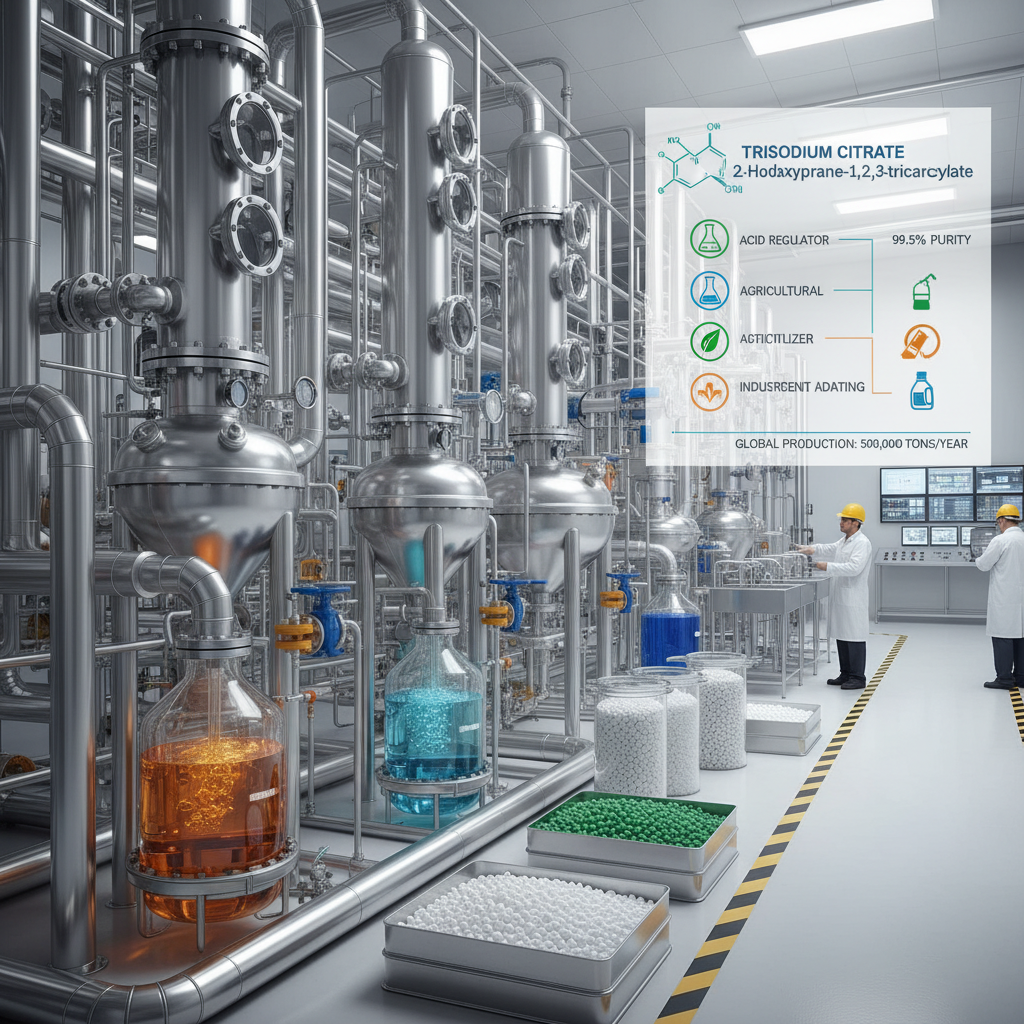
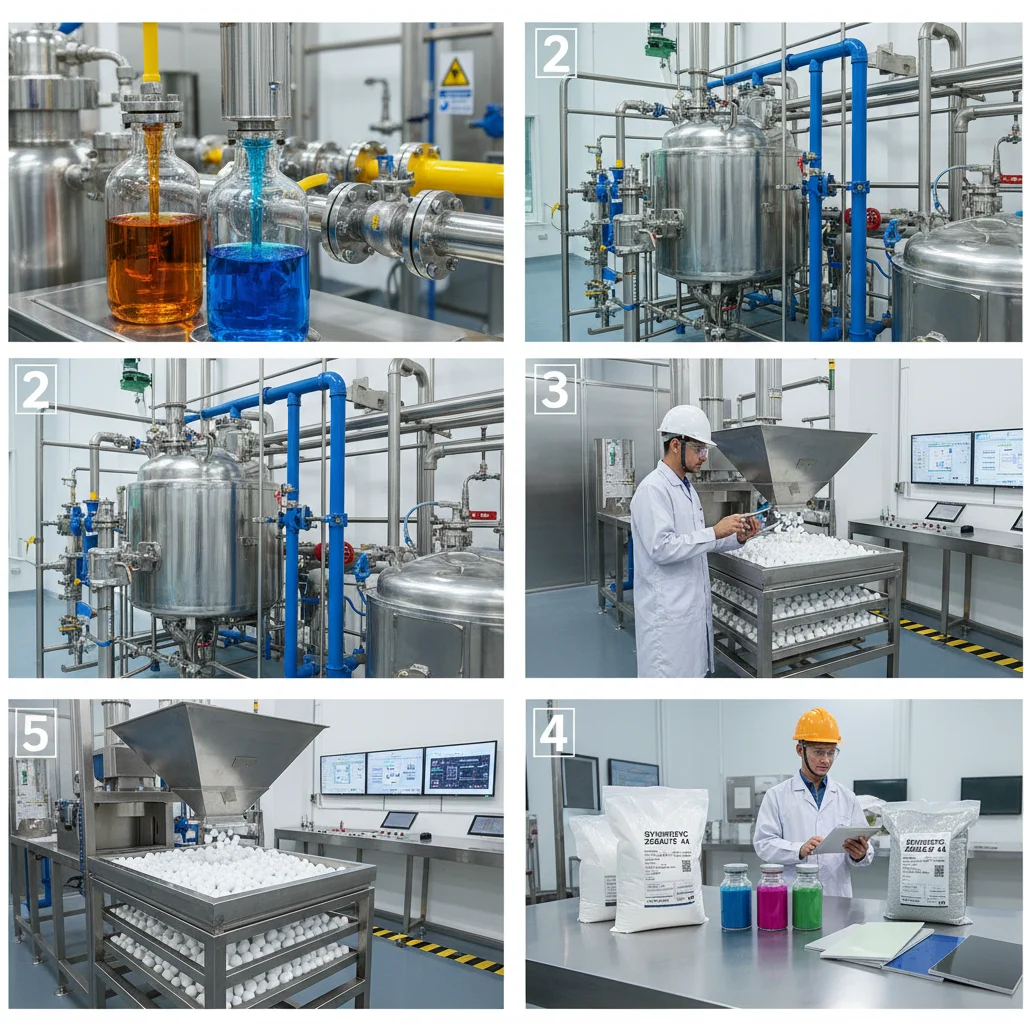
Trisodium 2-Hydroxypropane-1,2,3-tricarboxylate, commonly known in the specialty chemicals industry as a biodegradable chelating agent, has emerged as a cornerstone for sustainable industrial formulation. As global regulatory bodies tighten restrictions on traditional phosphates and EDTA, this versatile compound provides a high-performance alternative that maintains efficacy without compromising environmental integrity. Its unique molecular structure allows it to bind metal ions effectively, preventing precipitation and enhancing the stability of various chemical mixtures.
The global demand for Trisodium 2-Hydroxypropane-1,2,3-tricarboxylate is driven by the urgent need for "green chemistry" across the detergent, textile, and agricultural sectors. With the rise of ISO 14001 standards and the EU's REACH regulations, manufacturers are shifting toward ingredients that offer rapid biodegradability. By reducing the ecological footprint of industrial cleaning and processing, this compound helps companies balance commercial productivity with corporate social responsibility.
Understanding the chemical nuances and application methods of Trisodium 2-Hydroxypropane-1,2,3-tricarboxylate is essential for formulators looking to optimize product performance. Whether it is preventing scale buildup in industrial boilers or improving the delivery of micronutrients in fertilizers, its role as a sequestering agent is irreplaceable. This guide explores the technical depth, practical applications, and future trajectory of this essential chemical building block.
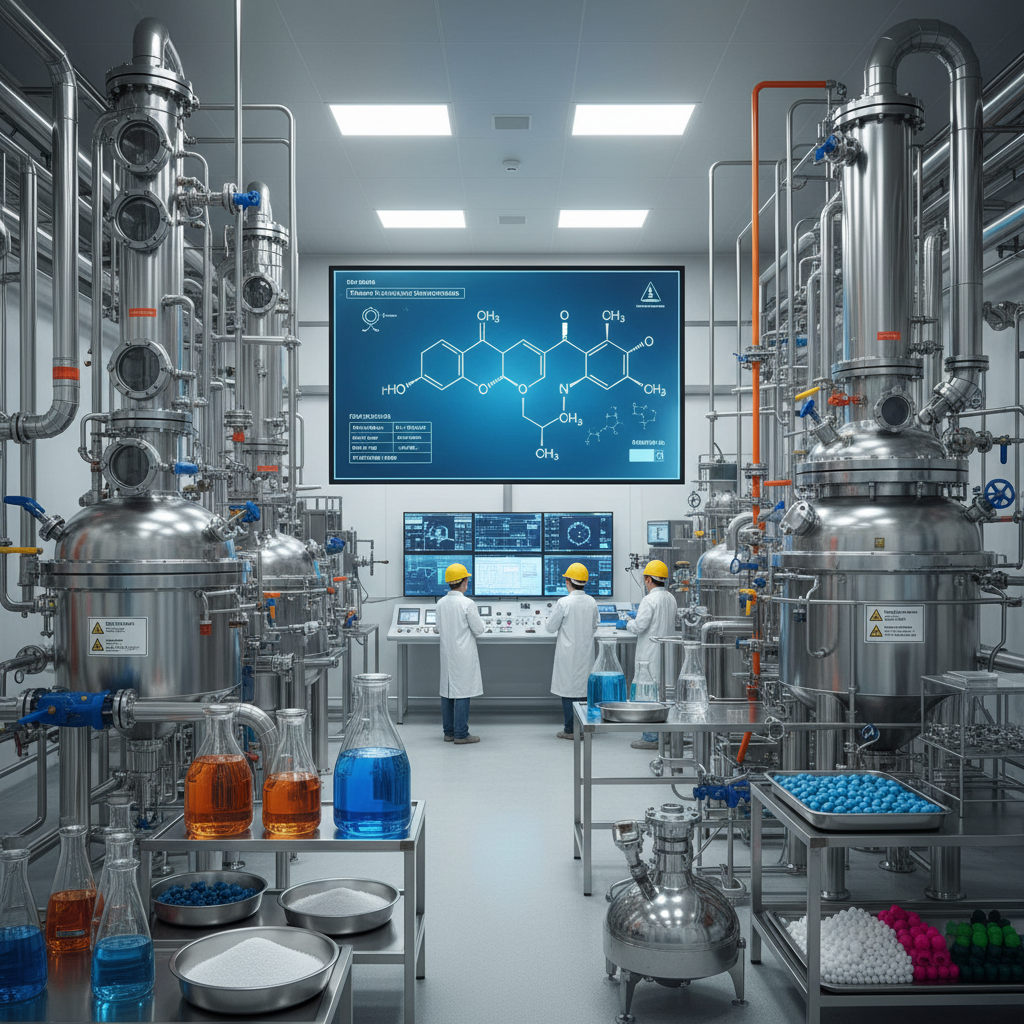
Global Industry Relevance of Trisodium 2-Hydroxypropane-1,2,3-tricarboxylate
On a global scale, the chemical manufacturing sector is facing a pivotal transition toward biodegradable alternatives. Trisodium 2-Hydroxypropane-1,2,3-tricarboxylate stands at the forefront of this shift, particularly in the production of detergents and surfactants. As urban populations grow and water scarcity becomes a critical issue, the release of non-biodegradable chelating agents into wastewater systems has led to significant environmental toxicity, prompting a worldwide search for safer alternatives.
Industry data suggests that the adoption of biodegradable organic acids has grown by over 15% annually in developed markets. By replacing persistent pollutants with Trisodium 2-Hydroxypropane-1,2,3-tricarboxylate, manufacturers can ensure compliance with strict environmental mandates while maintaining the high-level performance required for industrial-grade cleaning and agricultural nutrient delivery.
Technical Definition and Chemical Meaning
In simple terms, Trisodium 2-Hydroxypropane-1,2,3-tricarboxylate is a sodium salt of a tricarboxylic acid. It acts as a powerful sequestering agent, meaning it can "grab" and hold onto metal ions—such as calcium, magnesium, and iron—present in water. This process prevents these ions from interfering with other active ingredients in a formulation, such as surfactants in detergents or active compounds in agrochemicals.
Its connection to modern industry lies in its ability to solve the problem of "hard water." In many industrial zones, water contains high levels of minerals that cause soap to precipitate and machinery to scale. By integrating this specific tricarboxylate, engineers can ensure that their chemical products remain soluble and active, regardless of the water quality at the point of use.
Beyond mere utility, the "meaning" of this compound in a humanitarian context is linked to clean water preservation. Unlike older synthetic chelators that linger in the soil and groundwater for decades, this compound breaks down naturally, ensuring that the industrial progress of today does not become the environmental burden of tomorrow.
Core Components of Chelation Efficiency
The efficacy of Trisodium 2-Hydroxypropane-1,2,3-tricarboxylate is primarily defined by its stability constant—the strength with which it binds to specific metal ions. This stability ensures that the sequestered metals do not "leak" back into the solution, which is critical for high-precision applications like painting and coating where metal contamination can cause discoloration.
Another core factor is its thermal stability and pH tolerance. In many industrial processes, chemicals are exposed to extreme heat or highly alkaline environments. This compound maintains its structural integrity and chelating power across a wide pH range, making it an ideal additive for caustic cleaning solutions and high-temperature textile processing.
Finally, the solubility profile of the sodium salt form allows for easy integration into aqueous systems. Whether it is being blended into liquid fertilizers or concentrated detergent syrups, the compound disperses rapidly and uniformly, reducing the need for energy-intensive mixing processes and lowering overall operational costs.
Global Applications and Use Cases
The application of Trisodium 2-Hydroxypropane-1,2,3-tricarboxylate spans multiple continents and diverse industries. In the European Union, it is widely used in eco-labeled detergents to prevent the greyish deposits on laundry caused by hard water minerals. Similarly, in North American agricultural belts, it is employed in liquid fertilizers to chelate micronutrients, ensuring that minerals like zinc and manganese remain available for plant uptake rather than bonding with the soil.
In remote industrial zones, such as mining operations in Australia or oil refineries in the Middle East, this compound is used in scale inhibition treatments. By preventing the crystallization of calcium carbonate in pipelines, it reduces maintenance downtime and extends the lifespan of expensive infrastructure. It is also found in the Painting & Coating industry, where it stabilizes pigments and prevents the flocculation of resins.
Performance Comparison of Trisodium 2-Hydroxypropane-1,2,3-tricarboxylate variants
Long-Term Value and Sustainability Advantages
The long-term value of integrating Trisodium 2-Hydroxypropane-1,2,3-tricarboxylate into a product line extends far beyond immediate performance. From a logical perspective, the transition to biodegradable chelators mitigates the risk of future regulatory fines and avoids the costly process of reforming products when banned substances are phased out. This proactive approach to chemistry provides a competitive edge in markets where "sustainability" is a primary purchasing driver.
Emotionally, the move toward this compound builds trust with the end-consumer. When a brand can honestly claim its detergents or coatings are free from persistent organic pollutants, it fosters a sense of safety and dignity. This shift represents an innovation in trust, where the chemical manufacturer is no longer seen as a source of pollution, but as a partner in protecting the planetary ecosystem.
Future Innovations in Green Sequestering Agents
The future of Trisodium 2-Hydroxypropane-1,2,3-tricarboxylate is closely tied to the digital transformation of chemical engineering. With the advent of AI-driven molecular modeling, researchers are now looking for ways to further optimize the binding affinity of tricarboxylates, potentially creating "smart" chelators that only activate under specific temperature or pH triggers, thereby reducing the amount of chemical needed per batch.
Furthermore, the integration of green energy in the manufacturing process of these chemicals is a key trend. Moving from petroleum-based feedstocks to bio-based precursors for the synthesis of tricarboxylates will further lower the carbon footprint. Automation in the production line is also enabling higher purity levels, which is essential for the electronic-grade chemicals used in semiconductor cleaning.
We also anticipate a convergence with the "circular economy" model, where spent chelating agents are recovered from industrial waste streams and re-processed. This closed-loop system would not only reduce raw material costs but also eliminate the discharge of sodium salts into the environment, pushing the boundaries of what "green chemistry" can achieve.
Overcoming Practical Implementation Challenges
Despite its advantages, transitioning to Trisodium 2-Hydroxypropane-1,2,3-tricarboxylate can present challenges, particularly regarding initial cost compared to traditional EDTA. Many manufacturers perceive a "green premium" that can be daunting for low-margin products. However, expert insights suggest that when the total cost of ownership—including waste treatment and regulatory compliance—is calculated, the biodegradable alternative is often more cost-effective.
Another common limitation is the difference in binding strength for certain heavy metals. While excellent for calcium and magnesium, it may not always match the extreme sequestering power of synthetic alternatives for specific rare earth metals. The solution lies in "synergistic blending," where the tricarboxylate is combined with other organic acids or modified surfactants to create a tailored chelating system that meets the specific needs of the application.
Finally, formulation stability during long-term storage can sometimes be an issue. To overcome this, we recommend the use of buffering agents and precise control of the initial pH during the blending phase. By implementing these innovative approaches, companies can seamlessly migrate their product lines to a more sustainable chemical framework without sacrificing quality.
Comparative Analysis of Implementation Dimensions for Trisodium 2-Hydroxypropane-1,2,3-tricarboxylate
| Application Sector |
Performance Metric |
Sustainability Score |
Cost-Benefit Ratio |
| Industrial Detergents |
Hard water stability |
9/10 |
High |
| Agrochemicals |
Nutrient bioavailability |
10/10 |
Medium |
| Paint & Coating |
Pigment stabilization |
8/10 |
High |
| Water Treatment |
Scale inhibition |
9/10 |
Medium |
| Textile Processing |
Metal ion removal |
8/10 |
High |
| Cosmetic Bases |
Product longevity |
10/10 |
Medium |
FAQS
Unlike EDTA, which is highly persistent in the environment and can mobilize heavy metals in groundwater, Trisodium 2-Hydroxypropane-1,2,3-tricarboxylate is readily biodegradable. It breaks down into harmless components through microbial action, making it the preferred choice for eco-friendly formulations and compliance with international environmental standards.
Yes, one of the primary strengths of this tricarboxylate is its stability in alkaline environments. It remains effective as a sequestering agent even at high pH levels, which is why it is frequently used in industrial degreasers and caustic cleaning agents where other organic acids might decompose.
On the contrary, it improves stability. By chelating trace metal ions that could otherwise catalyze the oxidation of resins or cause pigment flocculation, it helps maintain color consistency and prevents premature aging of the coating film, ensuring a professional finish.
Absolutely. It is widely used to chelate micronutrients in fertilizers. This prevents the nutrients from reacting with soil minerals and becoming unavailable to the plant, thereby increasing the efficiency of the fertilizer and reducing the amount of chemical runoff into nearby water sources.
To maintain optimal purity and activity, it should be stored in a cool, dry, and well-ventilated area, away from strong oxidizing agents. Keeping the containers tightly sealed prevents moisture absorption, which is particularly important for the powder form to avoid clumping.
Because the sodium salt form is highly soluble, it generally has a minimal impact on viscosity. We recommend a slow-addition method during the mixing phase and performing a pH titration to ensure the balance remains within your product's specifications.
Conclusion
Trisodium 2-Hydroxypropane-1,2,3-tricarboxylate represents a critical bridge between industrial efficiency and environmental stewardship. By providing a high-performance, biodegradable alternative to traditional chelating agents, it addresses the dual challenge of maintaining technical excellence while adhering to stringent global sustainability mandates. From its role in improving detergent efficacy and agricultural nutrient delivery to its application in high-precision coatings, its versatility makes it an indispensable tool for the modern chemist.
As the industry moves toward a circular economy and "green" chemistry becomes the standard rather than the exception, the adoption of such sustainable compounds will define the leaders of the next industrial era. We encourage formulators and procurement managers to evaluate their current sequestering agents and consider the long-term ecological and commercial benefits of switching to this tricarboxylate. For more information on sourcing and technical specifications, visit our website: www.zjsles.com