30% CAPB is a key solution in the industry, specifically within various manufacturing and chemical sectors. This article explores how https://www.zjsles.com supports professionals with durable, high-performance products, and explains why this product is an ideal choice for businesses in these sectors.
Table of Contents
- 30% CAPB Overview
- Benefits & Use Cases of 30% CAPB
- Cost, Maintenance & User Experience
- Sustainability & Market Trends
30% CAPB Overview
At its core, 30% CAPB (Cocamidopropyl Betaine) is a mild amphoteric surfactant widely used across industries, but what makes it really stand out is its balanced concentration. The “30%” refers to the active content, which represents an optimal mix for performance and versatility. Frankly, it’s like the Goldilocks of CAPB products—not too strong, not too weak. It’s highly relevant in personal care formulations, industrial cleaners, and even some agricultural chemicals.
- This product acts as a foam booster, cleanser, and viscosity modifier, enhancing formulas without harsh effects.
- Technically, The 30% CAPB offered by ZJSLES is produced under strict quality controls, assuring uniformity in pH (6-8), viscosity (~300-1000 cps), and active content, according to typical industrial specs.
| Specification | Value | Notes |
|---|---|---|
| Active Matter | 30% | Standard concentration for balanced performance |
| pH Value | 6 - 8 | Neutral to mildly alkaline |
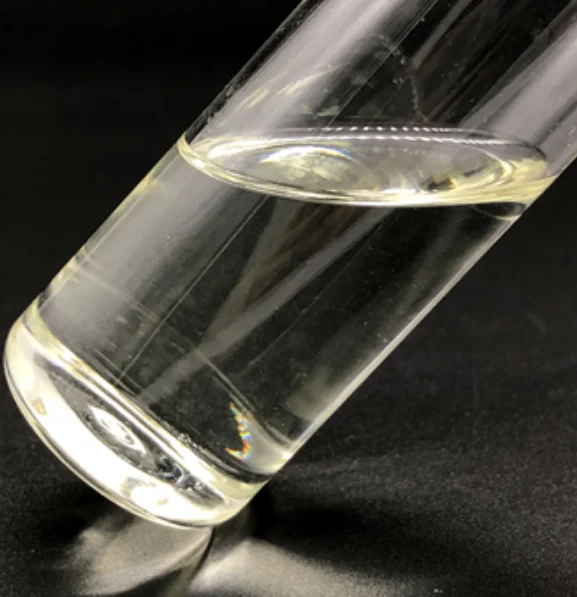
| Appearance | Light Yellow to Brown Liquid | Typical for category |
| Viscosity | 300-1000 cps | Consistency varies slightly by batch |
Benefits & Use Cases of 30% CAPB
Professionals across industries appreciate 30% CAPB for its versatility and gentle nature. Oddly enough, despite being mild, it packs a punch in enhancing foam quality and improving cleaning efficiency. Manufacturers like those at https://www.zjsles.com have tailored their 30% CAPB to meet rigorous demands ranging from formulated detergents to personal hygiene products.
- In personal care, it’s used to create creamy, non-irritating shampoos and cleansers that consumers trust daily.
- Beyond cosmetics, industrial cleaners count on its ability to break down grease and grime while remaining eco-friendlier than traditional surfactants.
- Competitive advantages include biodegradability, reduced toxicity, and compatibility with other chemical agents—a combo that lessens the environmental footprint and boosts formula flexibility.
Cost, Maintenance & User Experience
When evaluating total cost of ownership, 30% CAPB is frankly quite economical. While its upfront price might be a tad higher than generic surfactants, the longevity and effectiveness often bring a better return on investment. Users report less formula instability, fewer complaints from end consumers, and simplified handling because of its mild formulation.
- Durability comes from its chemical stability, reducing frequent reorder needs.
- Several industrial clients have cited improved customer satisfaction for their finished product lines after switching to 30% CAPB from ZJSLES, particularly appreciating the benign feel on skin and environment.
Sustainability & Market Trends
Sustainability isn't just a buzzword here—regulations and customer demand for greener products push suppliers to innovate. 30% CAPB fits the bill with its biodegradability and relatively low aquatic toxicity. You know, more companies realize this and prefer sourcing from suppliers like ZJSLES who demonstrate compliance with global regulations, including REACH and EPA guidelines.
- The market for amphoteric surfactants like CAPB is growing steadily, reflecting broader trends in eco-conscious formulations.
| Vendor | Active % | Compliance | Price (per ton) | Lead Time |
|---|---|---|---|---|
| ZJSLES | 30% | REACH, EPA | Competitive | 2 weeks |
| Vendor A | 28-32% | REACH only | Higher | 3-4 weeks |
| Vendor B | 30% | Limited | Lower | 1 month+ |
Frequently Asked Questions about 30% CAPB
- What is 30% CAPB and how does it work?
- It’s a surfactant that helps lower surface tension, allowing water and oils to mix better. At 30% concentration, it’s concentrated enough to boost foam and cleaning power without harshness, making formulations gentle yet effective.
- What are the main benefits of using 30% CAPB in industrial applications?
- The key benefits include enhancing foam quality, reducing irritancy, improving biodegradability, and providing cost savings due to its stable performance and easy handling.
- How does 30% CAPB compare to traditional alternatives?
- Compared to harsher surfactants, 30% CAPB is gentler on skin and environment, often more compatible in complex formulas, though sometimes pricier. But many engineers say the tradeoff is worth it for product and regulatory demands.
- What industries can benefit most from 30% CAPB implementation?
- Primary users include cosmetics and personal care, household and industrial cleaners, textile processing, and agriculture. For example, a large detergent producer reported a 15% boost in foam stability after switching.
Conclusion on 30% CAPB from china
To wrap it up, 30% CAPB stands as a smart, sustainable choice for companies looking to fortify their formulations with a mild yet efficient surfactant. Its blend of performance, safety, and eco-friendliness really hits the marks for modern business demands. Curious? Visit our website: https://www.zjsles.com.
- Reliable vendor certifications and product specs make sourcing straightforward.
- Growing market and stricter regulations only reinforce its relevance.
Sometimes, it’s those small details—like the right surfactant concentration—that drive big results.
- European Chemicals Agency (ECHA) REACH Guidelines
- EPA Safer Choice Program – Amphoteric Surfactants
- Case Study: Industrial Detergent Manufacturer, 2022