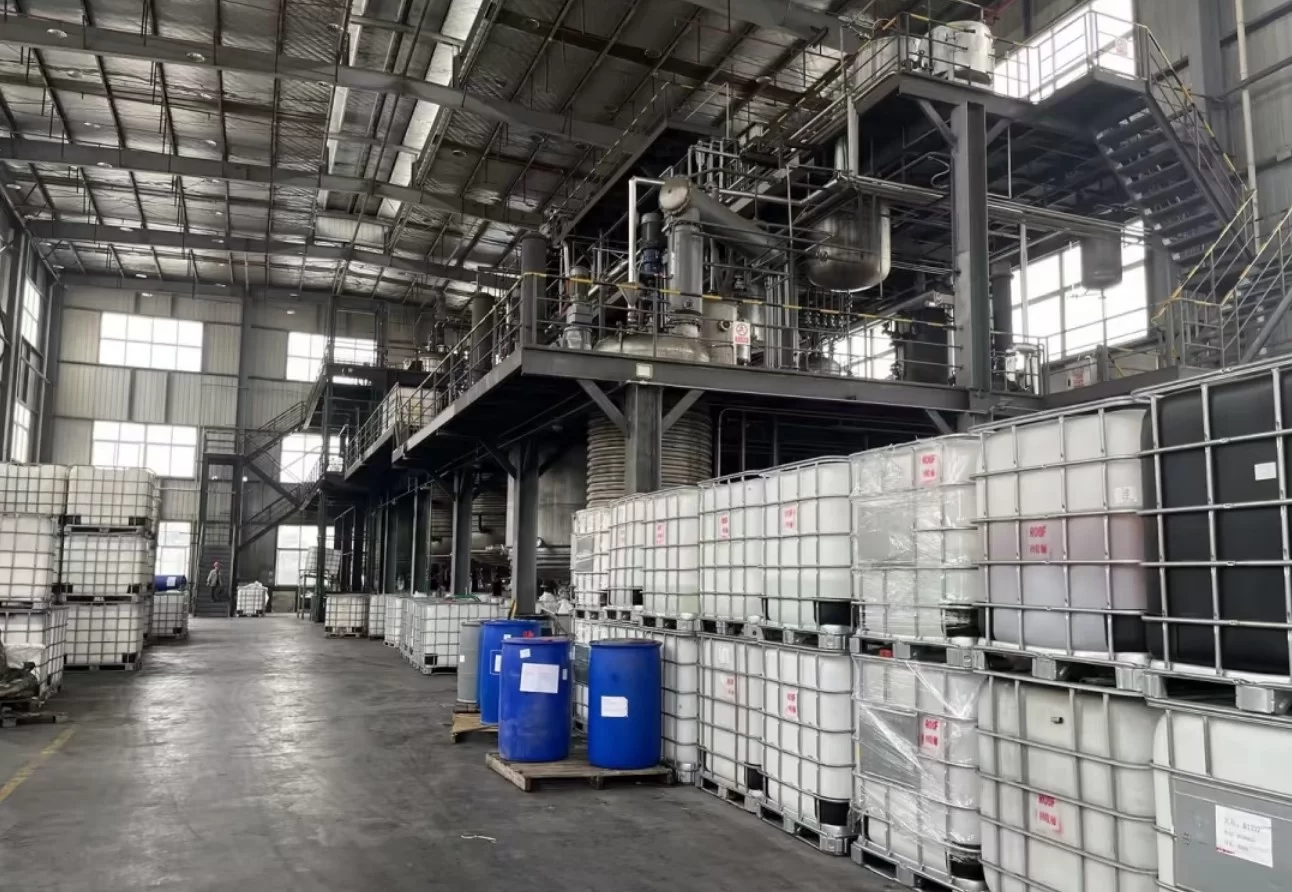
Understanding Fatty Alcohol Alkoxylate: A Veteran's Insight
Having spent more than a decade working hands-on with industrial surfactants, I can say that Fatty Alcohol Alkoxylate remains one of those foundational compounds that quietly but critically keep many processes running smoothly. Oddly enough, it doesn’t make headlines like some newer "green" chemicals, yet it’s deeply trusted and widely used across industries from detergents to emulsifiers and beyond.
If you’re coming from the outside, it might seem like just another complicated chemical name. However, in real terms, this class of nonionic surfactants has an elegant simplicity born from smart molecular design: a fatty alcohol backbone attached to repeating alkoxylate units—usually ethylene oxide or propylene oxide. This structure lends it impressive versatility, whether improving wetting, foaming, or emulsifying properties.
In my experience, the choice of the fatty alcohol feedstock (often sourced from natural fats and oils) and the degree of alkoxylation directly shape the performance and environmental profile. For example, higher ethoxylation often means better water solubility but sometimes less biodegradability. And customizing these parameters? That’s where most manufacturers differentiate themselves.
| Specification | Typical Values | Notes |
|---|---|---|
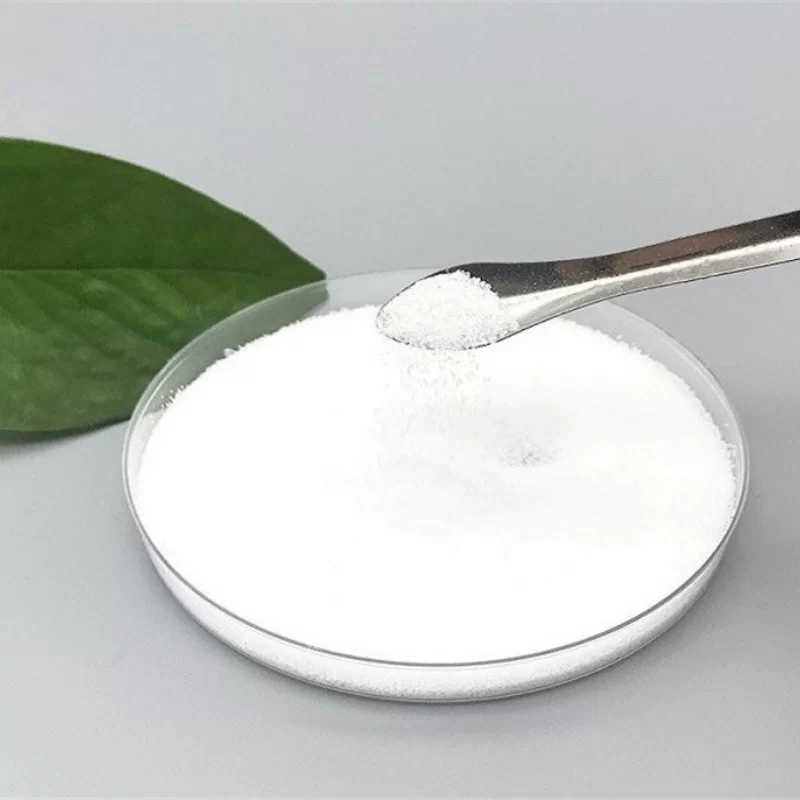
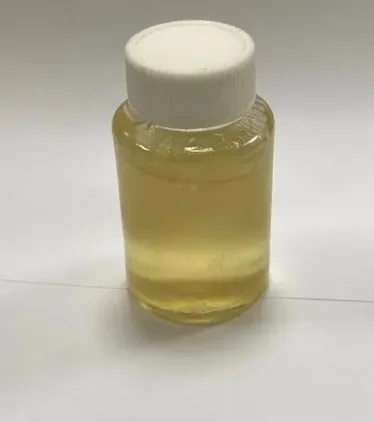
| Appearance | Clear to slightly hazy liquid | Varies by grade |
| Active Content (%) | 70 - 100 | Depends on formulation |
| Cloud Point (°C) | 45 - 75 | Important for usage temperature |
| pH (1% aqueous) | 6.5 - 8.5 | Generally neutral |
| Viscosity (mPa·s) | 100 - 300 | Depends on concentration |
One aspect I particularly appreciate in this category is how manufacturers tailor alkoxylation levels to meet diverse application needs. Sure, it’s a bit of a balancing act—you tweak the molecular weight for optimal detergency without sacrificing environmental compliance or compatibility with delicate substrates.
A tiny anecdote: I recall our team once trying an alkoxylate surfactant for a heavy-duty degreasing operation in aerospace maintenance. The product outperformed traditional agents significantly and, surprisingly, scaled down the rinse water usage. That kind of win matters—both economically and environmentally.
Speaking of suppliers, not all Fatty Alcohol Alkoxylates are created equal, so here’s a quick comparison I often use when deciding who to trust for long-term supply:
| Vendor | Product Variety | Customization Options | Sustainability Commitment | Price Competitiveness |
|---|---|---|---|---|
| Vendor A | Wide (various alkoxylation) | High (custom blends) | Strong, certified | Moderate |
| Vendor B | Medium | Medium | Improving | Competitive |
| Vendor C | Limited | Low | Minimal | Low |
In the end, the right Fatty Alcohol Alkoxylate choice is very application-dependent. Frankly, I’ve noticed that those willing to invest a bit more time on specs and real-world trials typically squeeze out better results from their formulations. It feels like a fine art—less about off-the-shelf, more about partnering with your supplier to dial in exactly what you need.
Of course, safety and regulatory compliance deserve a mention. These surfactants typically have low toxicity and decent biodegradability; still, each new grade should come with a proper Material Safety Data Sheet (MSDS) and ideally some third-party testing for reassurance.
If you're facing challenges formulating detergents, cleaners, or emulsifiers, consider exploring Fatty Alcohol Alkoxylate options more carefully — like many engineers say, getting your surfactant right is half the battle won.
In summary, Fatty Alcohol Alkoxylate is one of those “quiet heroes” in industrial chemistry — versatile, reliable, and deceptively simple once you get to know it.
Before I wrap up, here are a few references for those who want to dive deeper:
- Green Surfactants from Renewable Resources, Journal of Surfactants and Detergents, 2021.
- Industrial Applications of Fatty Alcohol Alkoxylates, Chemical Engineering Review, 2019.
- Zhejiang SLES Chemical Co., Product Brochures and Technical Data Sheets, 2023.