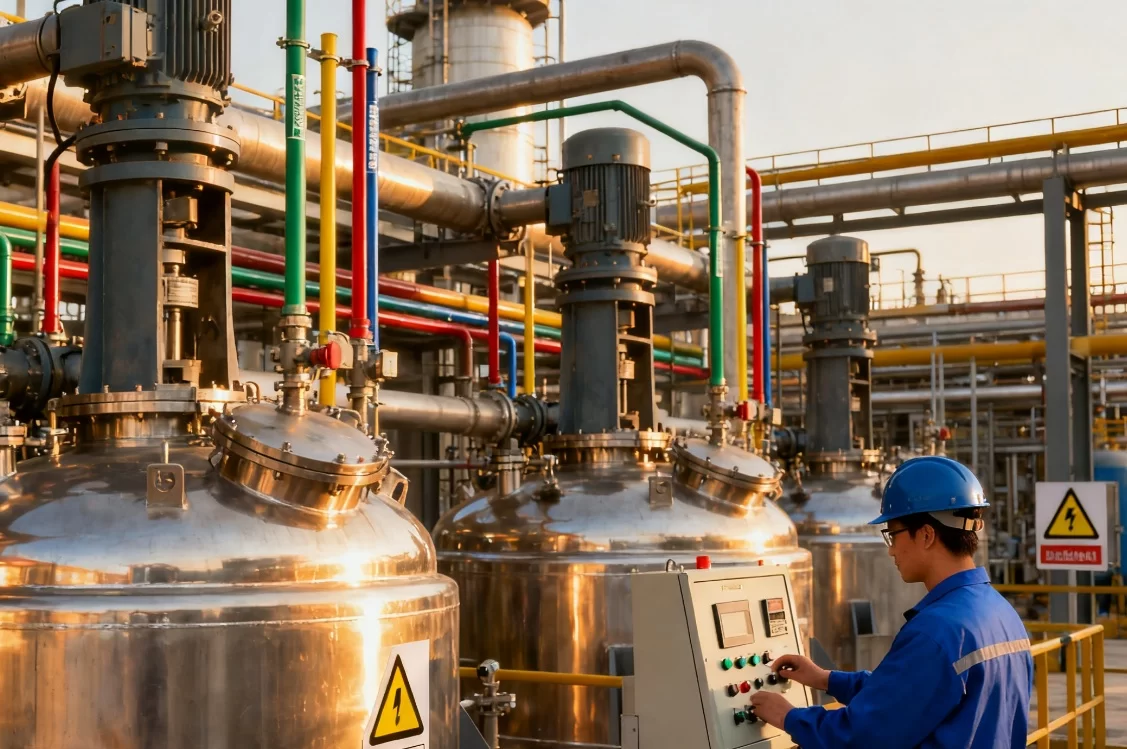
In the global detergent and cleaning products industry, 96% LABSA has established itself as one of the most important and widely used raw materials. Known chemically as Linear Alkyl Benzene Sulfonic Acid, this powerful Surfactant plays a critical role in the formulation of household detergents, industrial cleaners, and institutional washing products. With its excellent detergency, emulsifying capability, and cost-effectiveness, LABSA remains a cornerstone ingredient for manufacturers seeking reliable performance and consistent quality. As demand for efficient and economical cleaning solutions continues to grow, 96% LABSA remains essential to modern surfactant-based formulations.
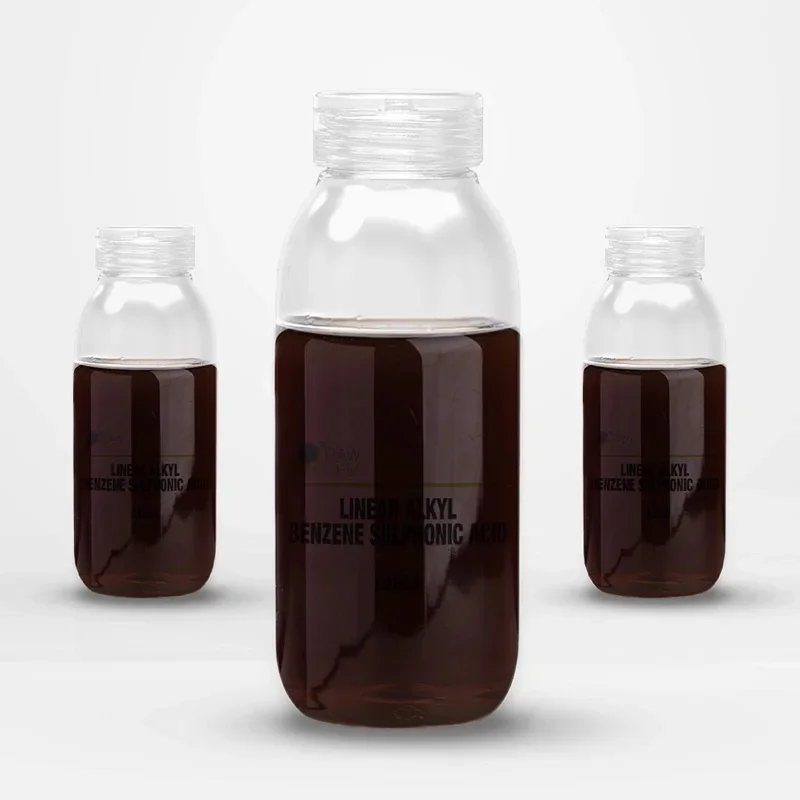
Understanding Linear Alkyl Benzene Sulfonic Acid And Its Chemical Characteristics
Linear Alkyl Benzene Sulfonic Acid is an anionic Surfactant derived from linear alkyl benzene through sulfonation. In its high-purity form, 96% LABSA offers superior active content, making it highly effective in removing grease, oil, and particulate soils from various surfaces. The linear structure of LABSA contributes to improved biodegradability compared to older branched-chain alternatives, making it more environmentally acceptable while maintaining strong cleaning performance.
The chemical composition of Linear Alkyl Benzene Sulfonic Acid allows it to reduce surface tension efficiently, enabling water to penetrate and lift stubborn dirt. Once neutralized, 96% LABSA forms linear alkyl benzene sulfonate salts, which are the primary cleaning agents in many powder and liquid detergents. Due to its high acidity and concentrated nature, LABSA is typically handled with appropriate safety measures during formulation and processing.
From a formulation perspective, 96% LABSA provides manufacturers with excellent flexibility. It can be blended with other Surfactant systems to enhance foaming, detergency, and stability. This adaptability has made Linear Alkyl Benzene Sulfonic Acid a preferred choice for large-scale detergent producers worldwide.
Applications Of 96% LABSA In Household And Industrial Detergents
One of the most significant applications of 96% LABSA is in household cleaning products. As a primary Surfactant, LABSA is widely used in laundry detergents, dishwashing powders, liquid detergents, and multi-purpose cleaners. Its strong grease-cutting ability ensures effective soil removal even in hard water conditions, which is critical for maintaining cleaning efficiency across different regions.
In liquid detergent formulations, Linear Alkyl Benzene Sulfonic Acid contributes to excellent emulsification and suspension of oily soils. When combined with co-Surfactant ingredients, 96% LABSA helps create stable, homogeneous products with consistent viscosity and performance. In powder detergents, neutralized LABSA ensures uniform distribution of active cleaning agents throughout the formulation.
Industrial and institutional cleaning products also rely heavily on 96% LABSA. In applications such as industrial degreasers, floor cleaners, and heavy-duty washing compounds, LABSA delivers strong detergency at an economical cost. The robustness of Linear Alkyl Benzene Sulfonic Acid makes it suitable for high-load cleaning tasks where performance reliability is critical.
Surfactant Performance And Formulation Advantages Of LABSA
As a high-efficiency Surfactant, LABSA offers multiple formulation advantages. One of its key strengths is its ability to generate strong detergency even at relatively low usage levels. This efficiency allows manufacturers to optimize formulation costs while maintaining high cleaning standards. 96% LABSA is especially valued for its balance between performance and affordability.
Another advantage of Linear Alkyl Benzene Sulfonic Acid is its compatibility with other formulation components. It blends well with nonionic and amphoteric Surfactant systems, builders, enzymes, and optical brighteners. This compatibility enables formulators to design versatile products tailored to specific cleaning requirements.
Foaming performance is another important attribute of 96% LABSA. While not primarily a high-foam Surfactant, LABSA contributes to stable and controlled foam generation, particularly when used in combination with foam boosters. This makes Linear Alkyl Benzene Sulfonic Acid suitable for a wide range of cleaning products, from low-foam industrial cleaners to consumer detergents.
Manufacturing Considerations And Quality Control For LABSA
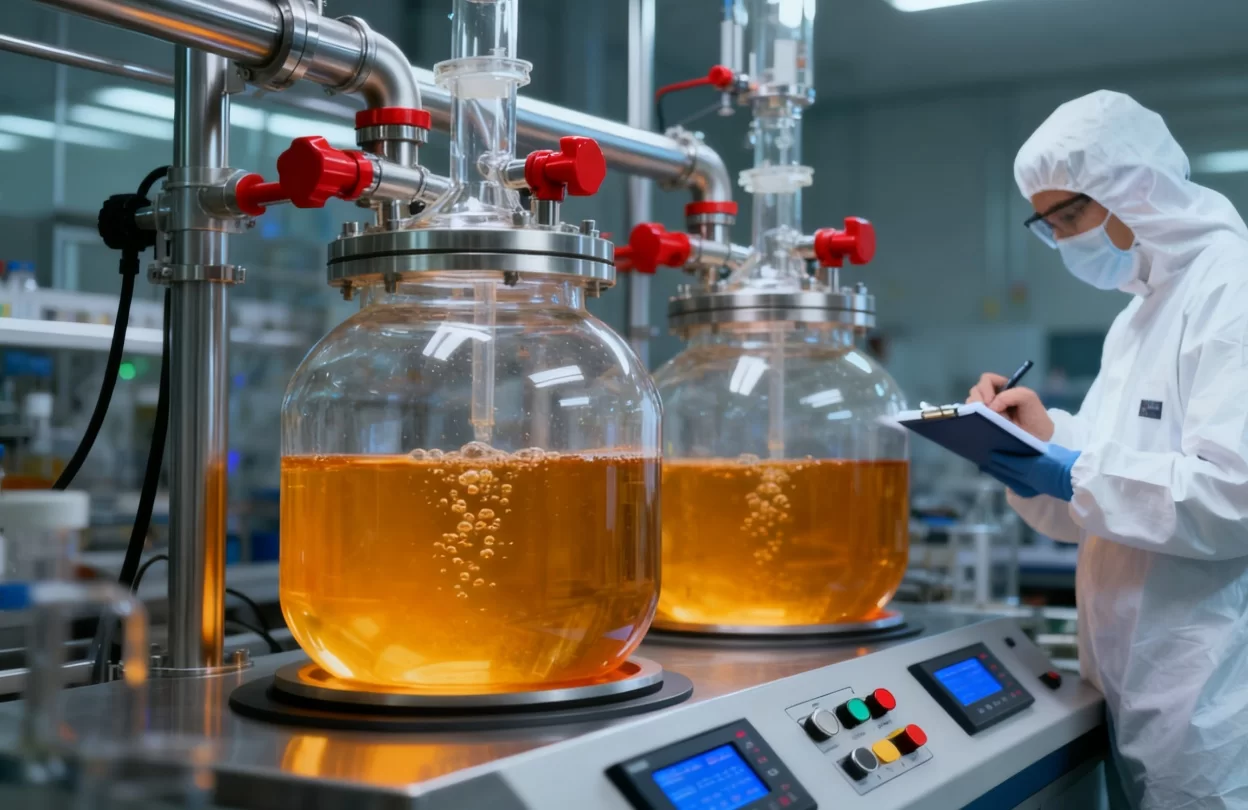
Producing and handling 96% LABSA requires strict quality control and technical expertise. High-purity Linear Alkyl Benzene Sulfonic Acid must meet industry specifications for active matter, acidity, and color to ensure consistent formulation results. Reliable suppliers provide detailed technical data sheets and safety documentation to support downstream manufacturers.
During formulation, LABSA is typically neutralized using alkaline agents such as sodium hydroxide to form the desired sulfonate salts. Proper control of this neutralization process is critical to achieving optimal Surfactant performance and product stability. Inconsistent neutralization can affect detergency, viscosity, and final product appearance.
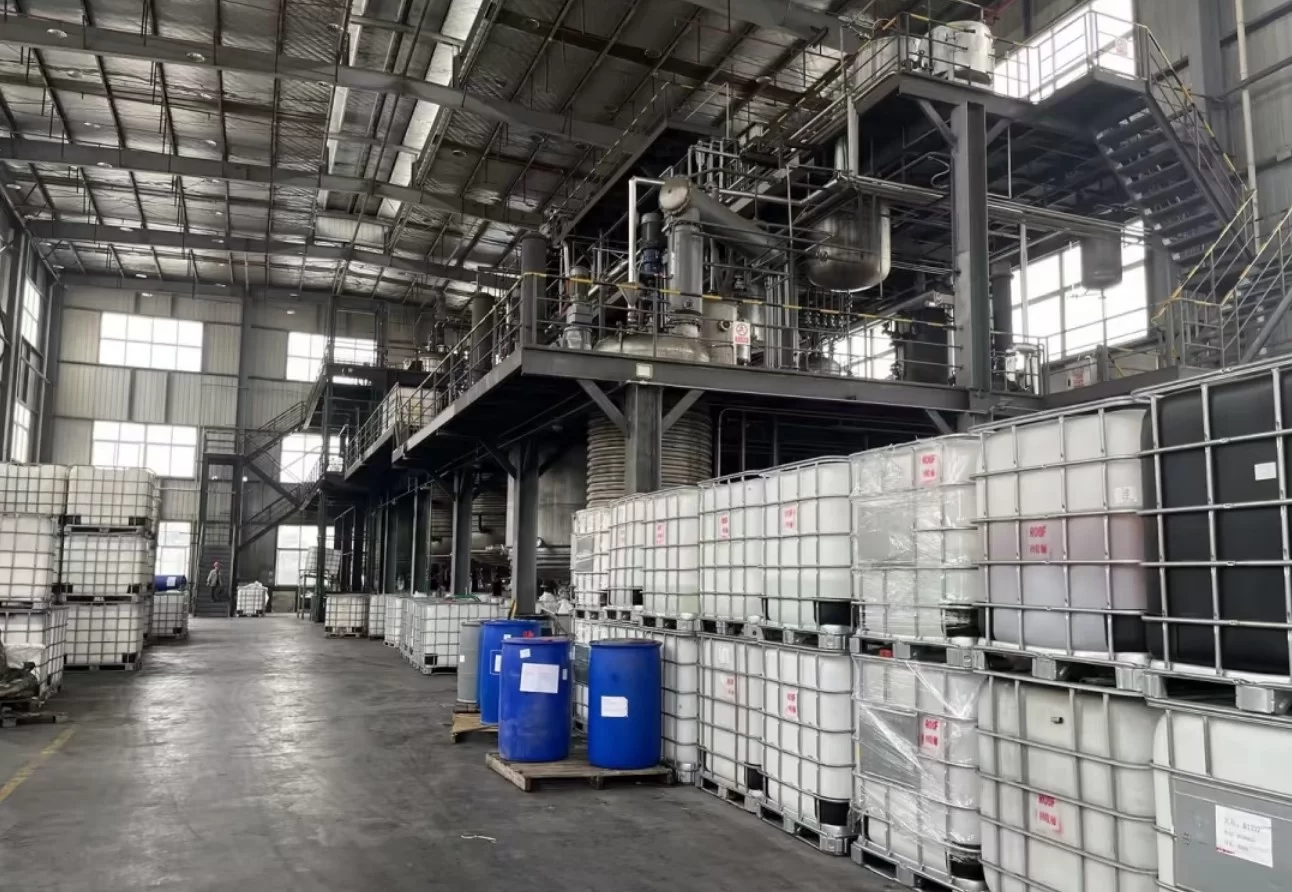
Storage and transportation of 96% LABSA also require careful consideration. Due to its acidic nature, LABSA is stored in corrosion-resistant containers and handled according to established safety protocols. Manufacturers working with Linear Alkyl Benzene Sulfonic Acid benefit from partnering with experienced suppliers who understand both technical and logistical requirements.
Environmental And Regulatory Considerations Of Linear Alkyl Benzene Sulfonic Acid
Environmental responsibility has become increasingly important in the Surfactant industry. Compared to older detergent raw materials, Linear Alkyl Benzene Sulfonic Acid offers improved biodegradability due to its linear alkyl chain structure. This characteristic has supported the continued global use of LABSA in compliance with environmental regulations.
When used appropriately, 96% LABSA meets regulatory requirements in many regions for household and industrial cleaning products. Manufacturers must ensure that finished formulations comply with local standards related to biodegradability, wastewater discharge, and consumer safety. Responsible sourcing and proper formulation practices help maximize the environmental acceptability of LABSA-based products.
Market Demand And Strategic Importance Of 96% LABSA
Global demand for 96% LABSA continues to grow alongside expanding detergent and cleaning product markets. Emerging economies, in particular, rely heavily on LABSA due to its cost efficiency and strong cleaning performance. As consumer expectations for cleanliness and hygiene rise, Linear Alkyl Benzene Sulfonic Acid remains a strategic raw material for detergent manufacturers.
The versatility of LABSA allows it to serve multiple market segments, from mass-market household detergents to specialized industrial cleaners. Its established supply chain and proven performance make 96% LABSA a dependable choice for long-term production planning.
Future Outlook For LABSA-Based Surfactant Systems
Looking ahead, LABSA will continue to play a vital role in the evolution of Surfactant systems. Innovations in formulation technology are focusing on combining Linear Alkyl Benzene Sulfonic Acid with biodegradable co-Surfactant ingredients to further improve environmental performance. At the same time, manufacturers are optimizing the use of 96% LABSA to achieve higher efficiency and lower environmental impact.
With its balance of performance, cost, and availability, 96% LABSA remains a foundational ingredient for the global cleaning products industry. As market demands evolve, LABSA will continue to support reliable, high-performance detergent formulations worldwide.