Trisodium Citrate: A Comprehensive Guide to Applications and Benefits
Trisodium citrate is a versatile chemical compound with a wide range of applications across various industries, from food and beverage to pharmaceuticals and industrial cleaning. As a key ingredient in many products, understanding its properties and uses is crucial. This article provides an in-depth overview of trisodium citrate, covering its chemical characteristics, manufacturing processes, diverse applications, safety considerations, and sourcing information. ZJSLES Chemical is a leading supplier of high-quality trisodium citrate, catering to diverse global needs.

What is Trisodium Citrate? – Chemical Properties & Production
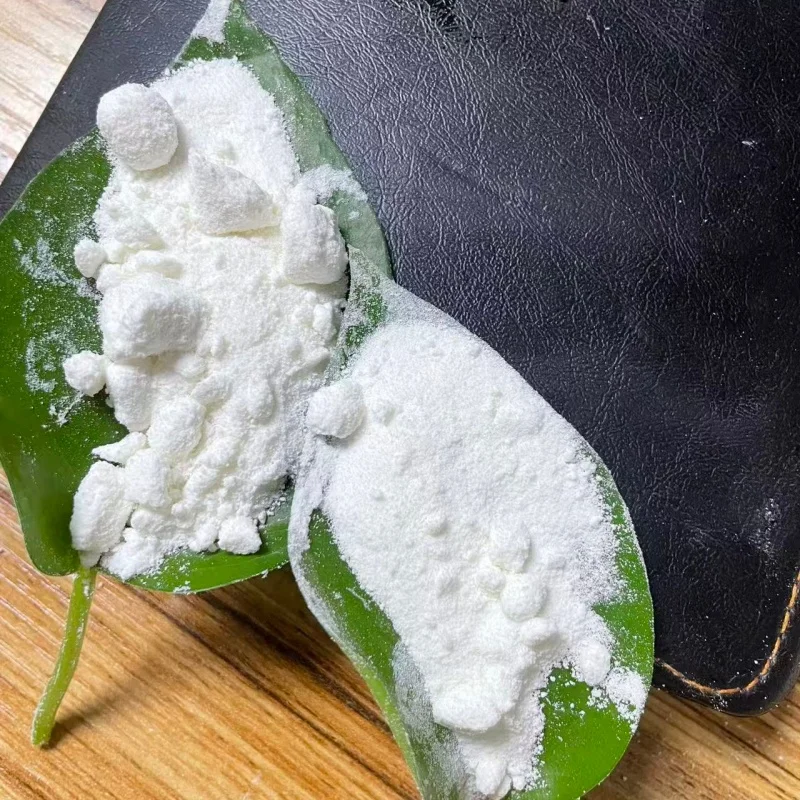
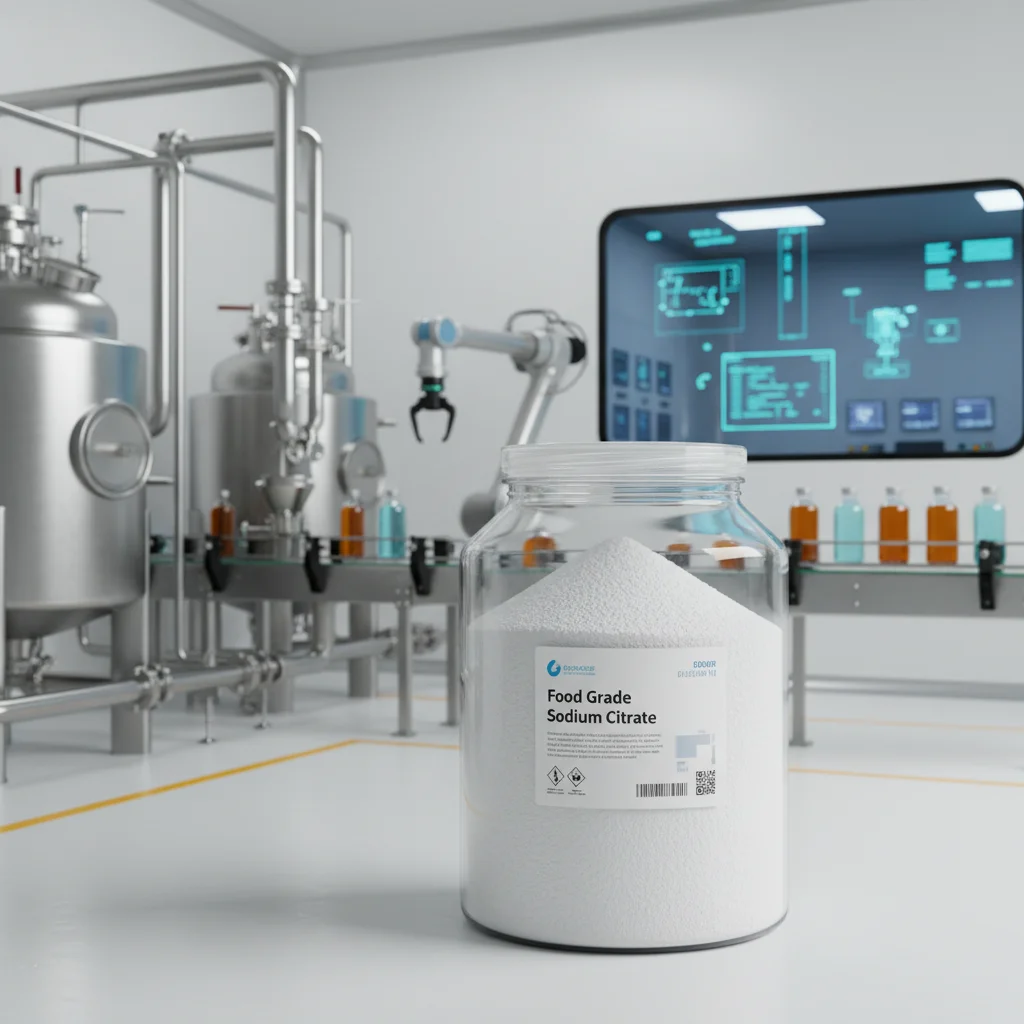
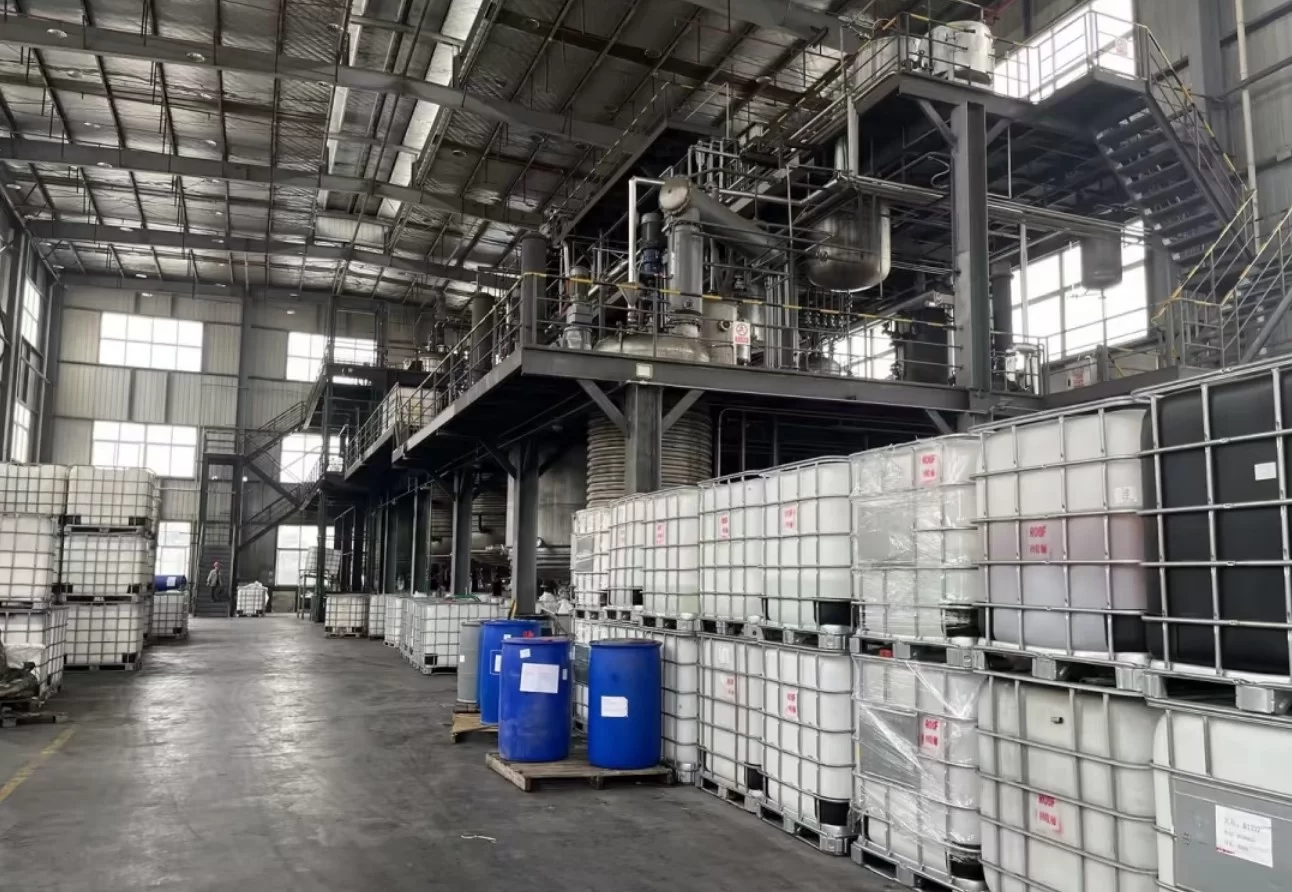
Trisodium citrate (Na₃C₆H₅O₇) is the sodium salt of citric acid. It’s a white, odorless, crystalline powder that is readily soluble in water. Its chemical formula reveals it contains three sodium ions bonded to a citrate molecule. This compound is alkaline, meaning it has a pH greater than 7 when dissolved in water. It’s generally produced through the neutralization of citric acid with sodium carbonate or sodium hydroxide. The process involves careful control of pH and temperature to ensure high purity and quality. The resulting trisodium citrate is then crystallized, dried, and packaged for distribution. ZJSLES Chemical utilizes advanced manufacturing techniques to produce trisodium citrate meeting stringent industry standards.
Key Highlights: Alkaline nature, readily soluble in water, produced by neutralizing citric acid with sodium carbonate or sodium hydroxide, manufactured under strict quality controls.
Trisodium Citrate Applications in the Food and Beverage Industry
The food and beverage sector represents a significant portion of trisodium citrate’s application. It functions as a buffering agent, controlling acidity and maintaining a stable pH, which is crucial in various food processing applications. It's also widely used as an emulsifier, helping to blend ingredients that wouldn't normally mix well, such as oil and water. Furthermore, it acts as a sequestrant, binding to metal ions to prevent discoloration and preserve flavor. Common uses include stabilizing processed cheeses, enhancing the flavor of beverages, and as an ingredient in effervescent drinks. Our trisodium citrate meets food-grade standards, ensuring its safety and suitability for these applications.
Food and Beverage Benefits:
• Buffering agent for pH control
• Emulsifier for blending ingredients
• Sequestrant to prevent discoloration
• Flavor enhancer in beverages
Trisodium Citrate in Pharmaceutical and Medical Applications
Beyond food, trisodium citrate plays a vital role in the pharmaceutical and medical fields. It's frequently used as an anticoagulant in blood collection tubes, preventing blood from clotting. It’s also a component in certain medications, acting as a buffering agent or stabilizer. Furthermore, it is used in dialysis solutions to help prevent calcium buildup in patients undergoing kidney treatment. Due to its biocompatibility and low toxicity, trisodium citrate is considered safe for internal use in pharmaceutical applications. ZJSLES Chemical offers pharmaceutical-grade trisodium citrate, complying with rigorous quality and purity requirements.
Industrial Applications of Trisodium Citrate
Trisodium citrate isn’t limited to food and pharmaceuticals; it also finds uses in industrial applications. It’s an effective cleaning agent, particularly for removing rust and scale from metal surfaces. Its chelating properties allow it to bind to metal ions, lifting them away from surfaces. It’s also used in textile processing as a mordant, helping dyes adhere to fabrics. Further, it’s incorporated into detergents and cleaning compounds to enhance their effectiveness. ZJSLES Chemical provides industrial-grade trisodium citrate suitable for these demanding applications.
Trisodium Citrate: Safety and Handling Considerations
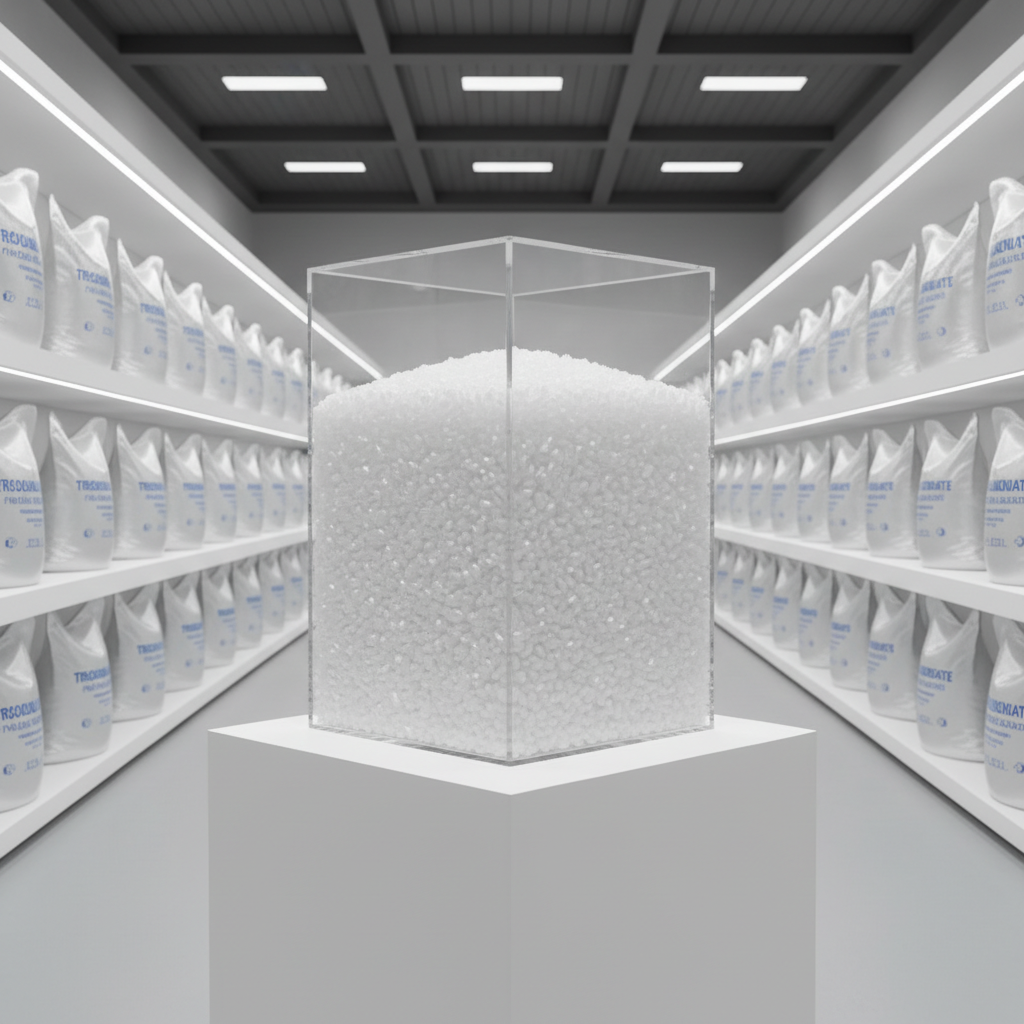
Trisodium citrate is generally considered safe for its intended uses. However, as with any chemical, proper handling is essential. Avoid contact with eyes and prolonged skin contact. In case of contact, rinse thoroughly with water. While generally non-toxic, ingestion of large quantities can cause gastrointestinal discomfort. Always refer to the Safety Data Sheet (SDS) for detailed safety information and handling procedures. Ensure proper ventilation when handling the powder, and store it in a cool, dry place away from incompatible materials. ZJSLES Chemical provides comprehensive SDS documentation with all our products.
Conclusion: A Versatile Chemical for Diverse Needs
Trisodium citrate is a highly versatile chemical compound with extensive applications across numerous industries. Its buffering, emulsifying, chelating, and anticoagulant properties make it invaluable in food processing, pharmaceuticals, industrial cleaning, and more. ZJSLES Chemical is committed to providing high-quality trisodium citrate to meet your specific needs, backed by reliable supply and expert support.
Frequently Asked Questions (FAQs)
What are the main differences between trisodium citrate, sodium citrate and citric acid?
Citric acid is the organic acid found in citrus fruits. Sodium citrate refers to a family of sodium salts of citric acid – monosodium, disodium, and trisodium. The number indicates how many sodium ions are attached to each citrate molecule. Trisodium citrate (Na₃C₆H₅O₇) is the most alkaline of the three, possessing the highest buffering capacity. It’s often preferred in applications requiring a strongly alkaline environment, whereas monosodium and disodium citrates are used when a more neutral pH is desired. Each form has slightly different solubility and properties, influencing their specific applications.
What is the shelf life of Trisodium Citrate?
When stored correctly in a cool, dry place, away from direct sunlight and moisture, trisodium citrate has a long shelf life – typically 2-3 years from the date of manufacture. However, it's always best practice to check the product packaging for the manufacturer's specific expiry date. Exposure to humidity can cause clumping, but this doesn’t necessarily render the product unusable. Proper storage is key to maintaining its quality and effectiveness.
Is Trisodium Citrate biodegradable?
Yes, trisodium citrate is considered readily biodegradable. It breaks down into naturally occurring substances in the environment, minimizing its environmental impact. This makes it a preferred choice over some other chelating agents and cleaning compounds that can persist in the environment. Its biodegradable nature contributes to its eco-friendly profile and supports sustainable practices.
Where can I source high-quality Trisodium Citrate?
ZJSLES Chemical is a trusted supplier of high-quality trisodium citrate for various applications. We offer competitive pricing, reliable supply chains, and comprehensive technical support. Our trisodium citrate meets stringent industry standards and is available in various grades to suit your specific needs. Contact us today for a quote and to discuss your requirements.