Trisodium 2-Hydroxypropane-1,2,3-tricarboxylate: A Comprehensive Guide
Trisodium 2-Hydroxypropane-1,2,3-tricarboxylate, often referred to as Citrate, is a versatile chemical compound with applications spanning various industries, from food and beverage to pharmaceuticals and industrial cleaning. This comprehensive guide will delve into its properties, uses, benefits, and safety considerations, offering valuable insights for potential users. Understanding the intricacies of Trisodium Citrate is crucial for optimizing its application and maximizing its efficacy. It’s a key ingredient for multiple applications worldwide.
Understanding the Chemical Properties of Trisodium 2-Hydroxypropane-1,2,3-tricarboxylate
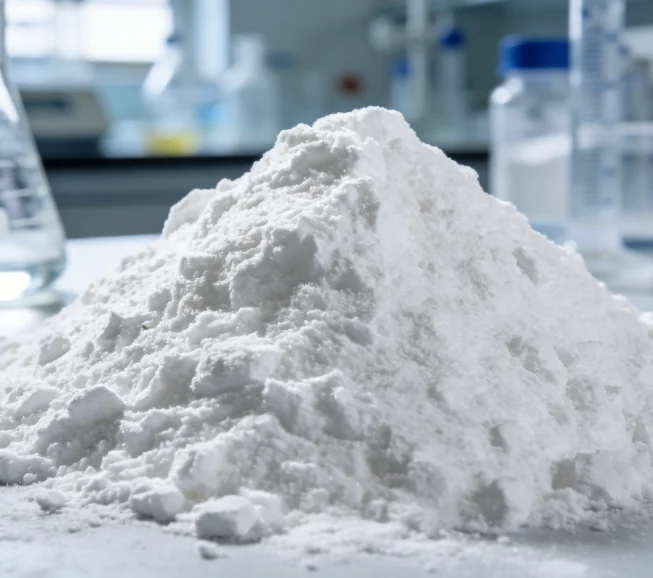
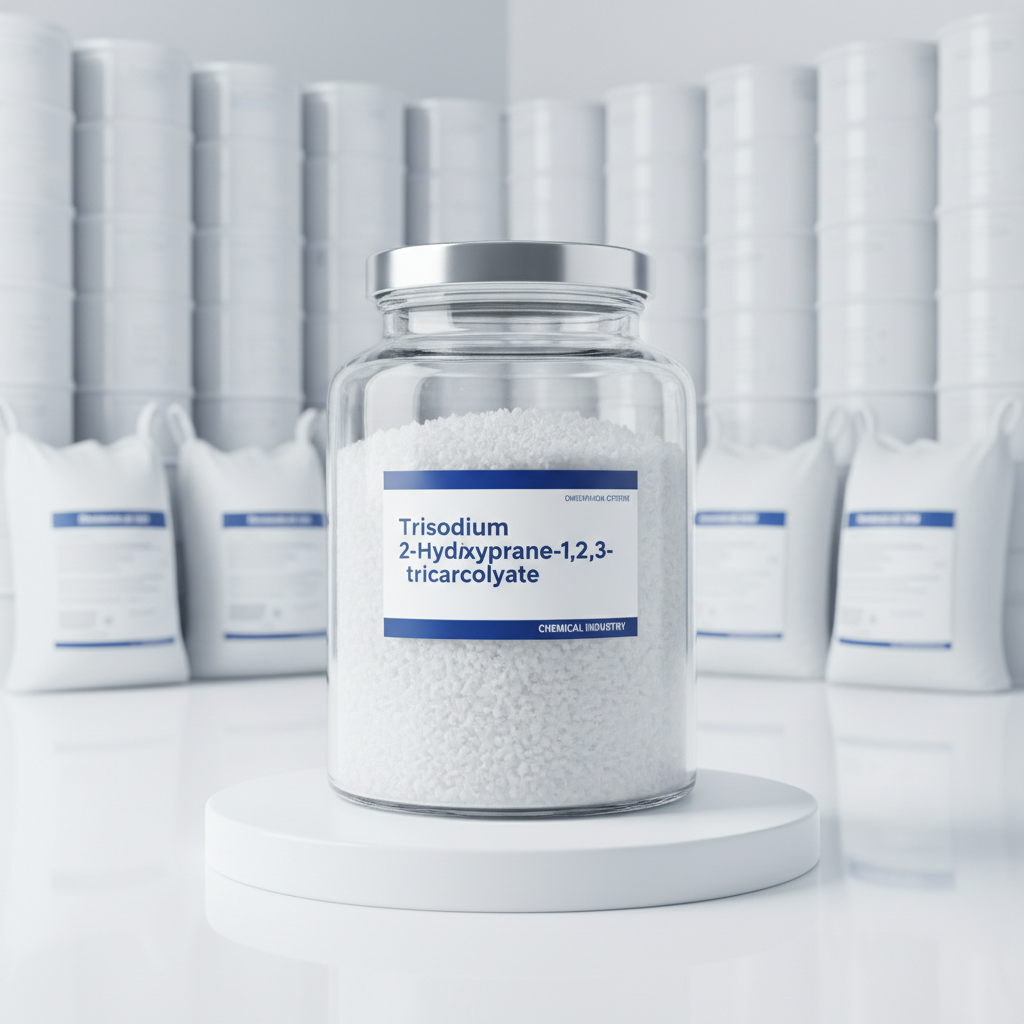
Trisodium 2-Hydroxypropane-1,2,3-tricarboxylate is a white, odorless, crystalline powder highly soluble in water. It is the trisodium salt of citric acid. Its molecular formula is C6H5Na3O7 and it boasts a molecular weight of 253.06 g/mol. Crucially, it functions as a chelating agent, binding to metal ions and preventing their interference in chemical reactions. This property makes it invaluable in applications requiring metal ion control. The substance's pH in solution is typically alkaline, ranging from 8.0 to 9.5. Its hygroscopic nature means it readily absorbs moisture from the air, requiring careful storage. The quality of Trisodium Citrate depends on its purity and consistency.
Key Highlights: Highly soluble in water, functions as a chelating agent, alkaline pH, hygroscopic nature, crucial for metal ion control.
Diverse Applications Across Industries
The versatility of Trisodium 2-Hydroxypropane-1,2,3-tricarboxylate stems from its unique chemical properties. In the food and beverage industry, it's commonly used as a buffering agent, emulsifier, and preservative. Pharmaceutical applications include its use as an anticoagulant and a source of sodium. Industrial cleaning leverages its chelating properties to remove scale and rust. It also finds application in detergents, textiles, and photographic solutions. Moreover, in the medical field, it's utilized in blood collection tubes to prevent coagulation. The demand for high-quality Trisodium Citrate continues to grow across these sectors.
Application Benefits:
• Buffering agent in food & beverage
• Anticoagulant in pharmaceuticals
• Chelating agent for industrial cleaning
• Prevents blood coagulation in medical applications
Trisodium Citrate vs. Sodium Citrate: A Comparative Analysis
While both Trisodium Citrate and Sodium Citrate are salts of citric acid, they differ in their degree of neutralization. Sodium Citrate can exist in different forms (mono-, di-, and tri-sodium), while Trisodium Citrate specifically refers to the fully neutralized form. This difference impacts their pH and buffering capacity. Trisodium Citrate generally exhibits a higher pH and stronger buffering action. Selecting the appropriate citrate salt depends on the specific application requirements. Choosing the right citrate ensures optimal performance and desired outcomes.
Quality Control and Safety Considerations
When sourcing Trisodium 2-Hydroxypropane-1,2,3-tricarboxylate, it's paramount to prioritize quality and safety. Ensure the product meets relevant purity standards (e.g., food-grade, pharmaceutical-grade) and is free from harmful contaminants. Proper handling procedures, including wearing appropriate personal protective equipment (PPE) like gloves and eye protection, are essential. Refer to the Material Safety Data Sheet (MSDS) for detailed safety information. ZJSLES provides high-quality, rigorously tested Trisodium Citrate, ensuring compliance with international standards.

Product Specifications
Below is a typical specification sheet for our Trisodium 2-Hydroxypropane-1,2,3-tricarboxylate product:
Conclusion: Trisodium 2-Hydroxypropane-1,2,3-tricarboxylate – A Valuable Chemical Solution
Trisodium 2-Hydroxypropane-1,2,3-tricarboxylate offers a remarkable combination of properties and applications. Its versatility and effectiveness make it a valuable asset across numerous industries. By understanding its chemical characteristics, ensuring quality sourcing, and prioritizing safety, users can unlock its full potential. ZJSLES is committed to providing high-quality Trisodium Citrate and expert support to meet your specific needs.
Frequently Asked Questions (FAQs)
What are the primary uses of Trisodium Citrate in the food industry?
Trisodium Citrate serves multiple roles in the food industry. It acts as a buffering agent to stabilize pH levels, preventing unwanted changes in acidity or alkalinity. It’s also used as an emulsifier to help blend oil and water-based ingredients, improving texture and preventing separation. Additionally, it functions as a preservative by chelating metal ions that can contribute to spoilage. It's commonly found in processed cheeses, beverages, and jams.
How should Trisodium Citrate be stored to maintain its quality?
Due to its hygroscopic nature, Trisodium Citrate should be stored in a cool, dry, and well-ventilated area. It’s crucial to keep it sealed in an airtight container to prevent moisture absorption. Avoid exposure to direct sunlight and extreme temperatures. Proper storage will help maintain its purity and prevent caking or degradation.
Is Trisodium Citrate safe for human consumption?
Yes, Trisodium Citrate is generally recognized as safe (GRAS) by regulatory bodies like the FDA when used in accordance with good manufacturing practices and within specified limits. It's naturally present in citrus fruits and is readily metabolized by the body. However, excessive consumption may cause gastrointestinal upset. Always adhere to recommended usage levels in food and pharmaceutical applications.
What are the benefits of using Trisodium Citrate as a chelating agent?
As a chelating agent, Trisodium Citrate effectively binds to metal ions, preventing them from interfering with chemical processes or causing unwanted reactions. This is particularly beneficial in cleaning applications, where it helps remove scale and rust. In food processing, it prevents discoloration and preserves flavor. Its chelating properties also enhance the effectiveness of detergents and other cleaning formulations.