Methylisothiazolinone Solution: A Comprehensive Guide
Methylisothiazolinone (MIT) solution is a powerful biocide widely used as a preservative in various industrial applications. Its effectiveness in preventing microbial growth makes it an essential component in products ranging from paints and coatings to cosmetics and detergents. This article delves into the properties, applications, handling, and safety considerations of Methylisothiazolinone solution, providing a comprehensive overview for industry professionals and end-users. Understanding the nuances of this chemical is crucial for maximizing its benefits while ensuring responsible and safe utilization.
What is Methylisothiazolinone (MIT) Solution?
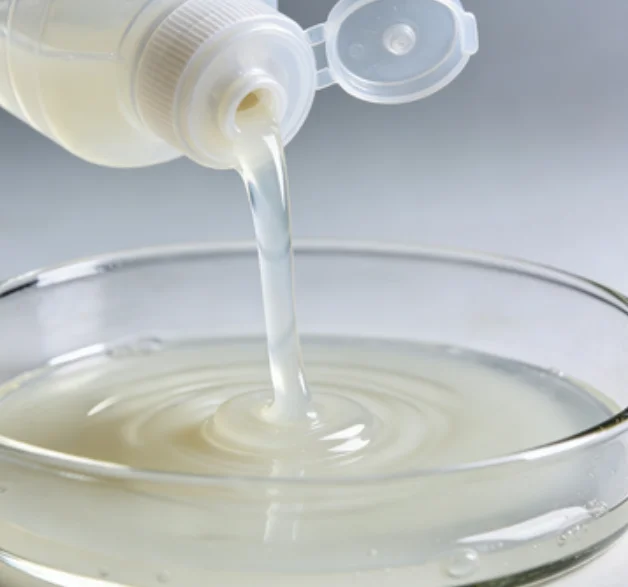
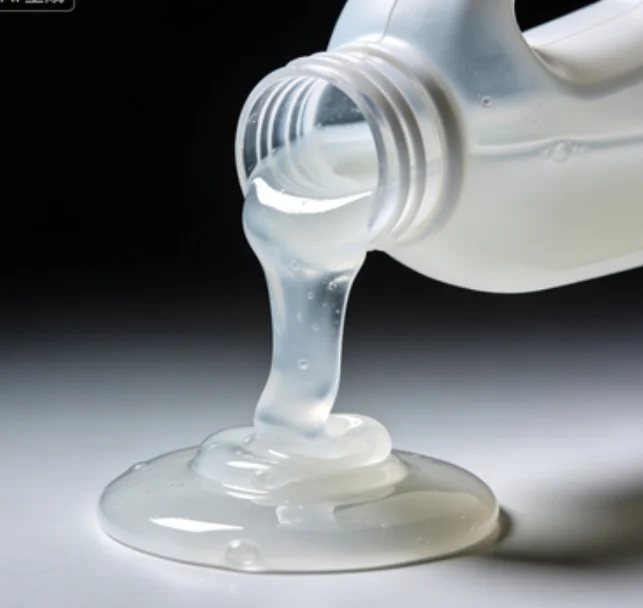
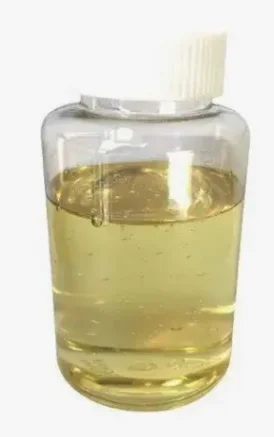
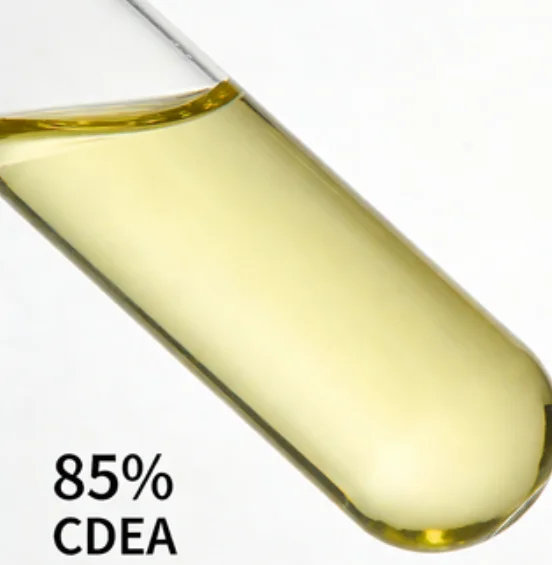
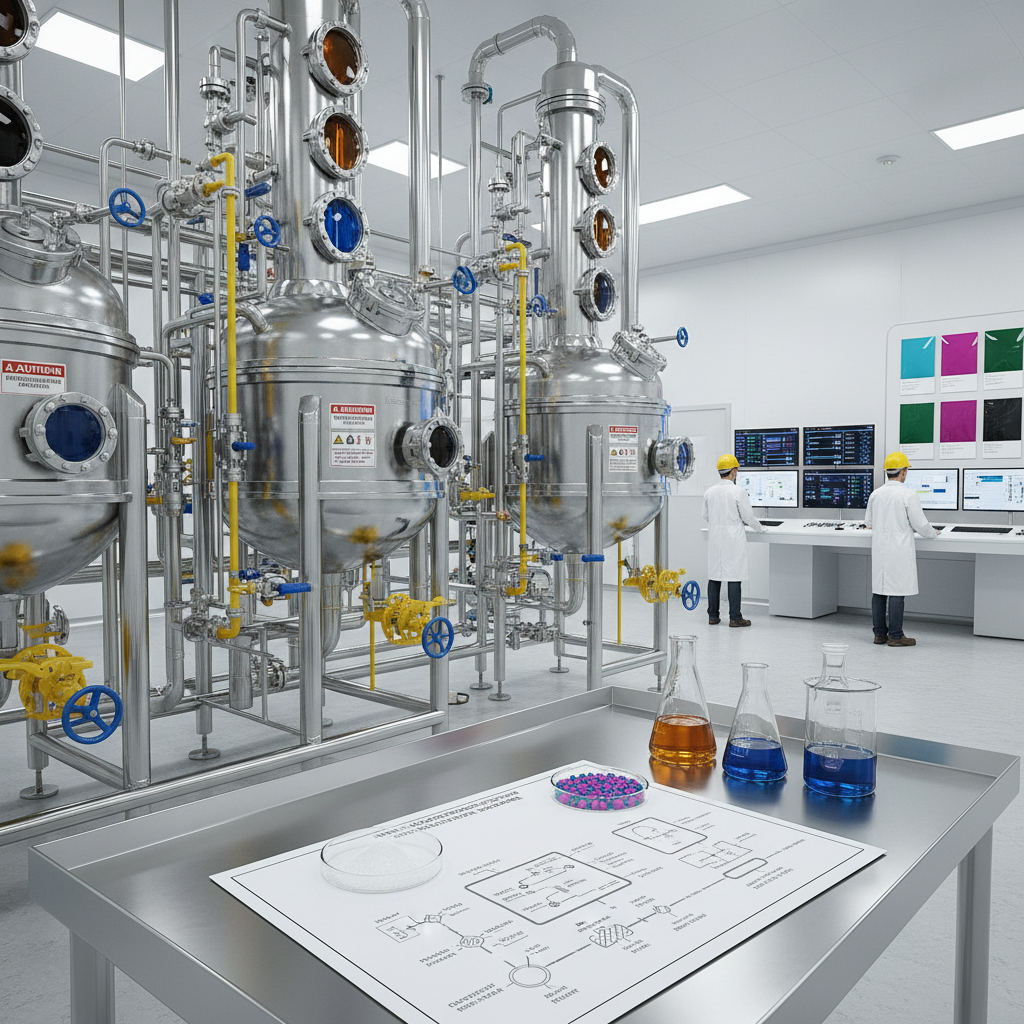
Methylisothiazolinone (MIT) is a synthetic organic compound belonging to the isothiazolinone family. It's typically available as a solution in water, often combined with other biocides like Methylchloroisothiazolinone (CMIT) to broaden its antimicrobial spectrum. MIT functions by disrupting the metabolic processes of microorganisms, effectively inhibiting their growth and proliferation. This makes it invaluable in preventing spoilage and extending the shelf life of numerous products. It's a clear, colorless to pale yellow liquid with a slight odor. ZJSLES provides high-quality MIT solutions tailored to diverse industrial needs.
Key Highlights: Powerful biocide; Effective against bacteria, fungi, and algae; Widely used as a preservative; Available as a water-based solution.
Applications of Methylisothiazolinone Solution
The versatility of MIT solution drives its adoption across a wide range of industries. In the paints and coatings sector, it prevents microbial growth in water-based formulations, ensuring product stability and performance. The cosmetics industry utilizes MIT to preserve shampoos, lotions, and other personal care products. It’s also a key ingredient in detergents, cleaning agents, and paper manufacturing to control bacterial contamination. Further applications include metalworking fluids, adhesives, and textile processing. The precise concentration used varies depending on the specific application and regulatory requirements.
Common Applications:
• Paints and Coatings
• Cosmetics & Personal Care Products
• Detergents and Cleaning Agents
• Metalworking Fluids
Methylisothiazolinone Solution: Concentration & Specifications
MIT solution is available in various concentrations, typically ranging from 10% to 50% active ingredient. The selection of the appropriate concentration depends on the target microorganisms, the application, and regulatory guidelines. Here’s a breakdown of common specifications:
Safe Handling and Storage of MIT Solution
Although effective, MIT solution requires careful handling and storage. Always wear appropriate personal protective equipment (PPE) – including gloves, safety glasses, and a respirator if necessary – when handling the concentrated solution. Avoid contact with skin and eyes. In case of contact, rinse immediately with plenty of water. Store MIT solution in a cool, dry, and well-ventilated area, away from direct sunlight and incompatible materials like oxidizing agents. Keep containers tightly closed when not in use. Refer to the Safety Data Sheet (SDS) for detailed safety information and handling procedures. ZJSLES provides comprehensive SDS documentation with all our products.
Regulatory Considerations and Future Trends
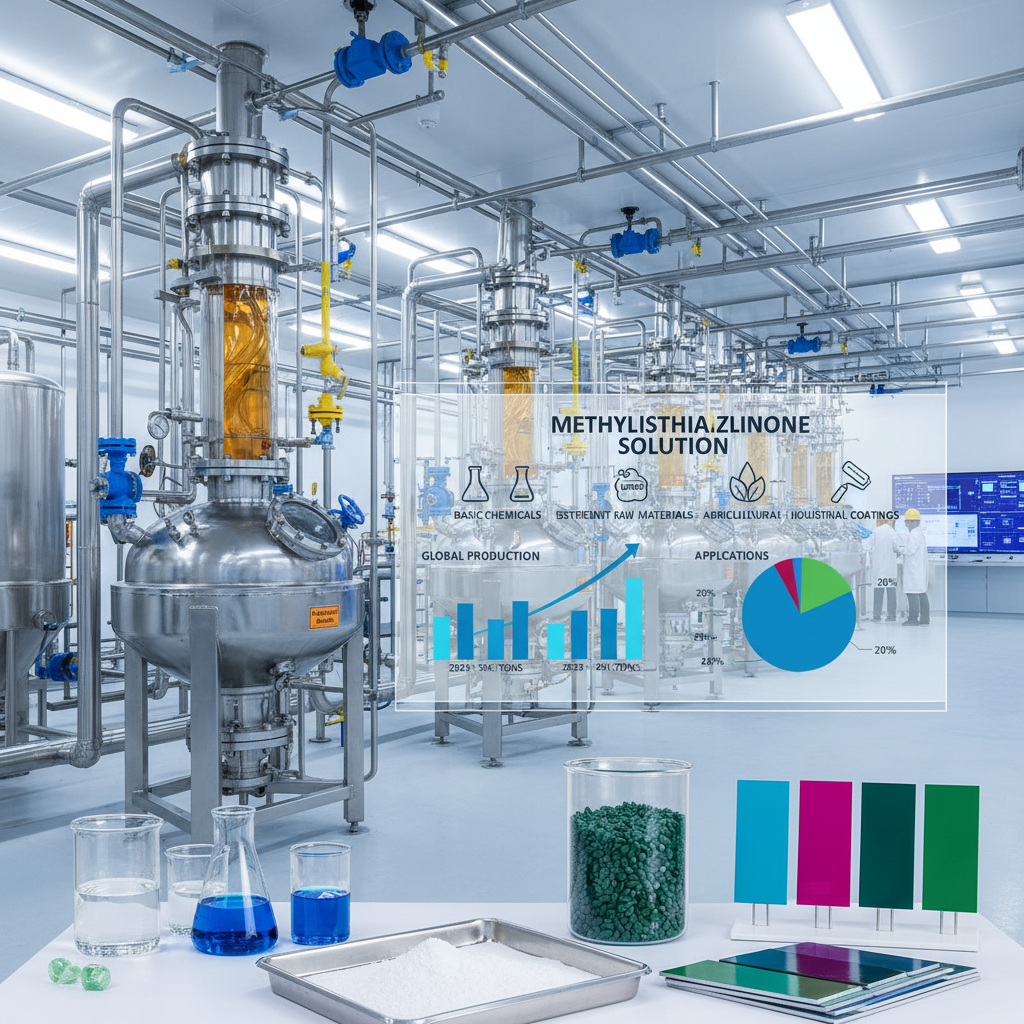
The use of MIT is subject to regulatory oversight in many countries. Concentration limits vary depending on the application. For example, cosmetic regulations may restrict the permissible concentration of MIT to minimize the risk of skin sensitization. It’s crucial to stay updated on the latest regulatory changes and ensure compliance. Current trends involve exploring alternative preservatives and optimizing MIT formulations to reduce potential allergenic reactions. Research is focused on enhancing the efficacy and safety profile of MIT while minimizing its environmental impact.
Conclusion
Methylisothiazolinone solution remains a vital preservative across numerous industries, offering effective microbial control. Responsible handling, adherence to regulatory guidelines, and ongoing research are key to maximizing its benefits while ensuring safety and sustainability. ZJSLES is committed to providing high-quality MIT solutions and supporting our customers with expert guidance and technical support.
Frequently Asked Questions (FAQs)
What are the potential risks associated with Methylisothiazolinone?
The primary concern with Methylisothiazolinone (MIT) is its potential to cause skin sensitization, leading to allergic contact dermatitis in some individuals. This is more common with higher concentrations of MIT. Symptoms can include redness, itching, blistering, and swelling. Proper handling procedures, including the use of personal protective equipment (PPE), can significantly minimize this risk. Manufacturers are also actively working on formulations with lower MIT concentrations to reduce the potential for sensitization. It's crucial to follow recommended usage levels and consult the Safety Data Sheet (SDS) for detailed safety information.
How does MIT compare to other biocides?
MIT offers several advantages over some other biocides. It is generally effective at lower concentrations, has a broad spectrum of activity against bacteria, fungi, and algae, and is compatible with a wide range of formulations. Compared to formaldehyde-releasing biocides, MIT does not release formaldehyde, which is a known carcinogen. However, MIT’s potential for skin sensitization is a consideration. Often, MIT is used in combination with Methylchloroisothiazolinone (CMIT) to enhance its effectiveness and broaden its antimicrobial spectrum. The choice of biocide ultimately depends on the specific application and regulatory requirements.
What is the shelf life of Methylisothiazolinone solution?
The shelf life of Methylisothiazolinone solution typically ranges from 12 to 24 months, depending on storage conditions. It's crucial to store the solution in a cool, dry, and well-ventilated area, away from direct sunlight and incompatible materials. Keeping the container tightly closed is also essential to prevent degradation. While the solution may remain effective beyond the stated shelf life, it's recommended to verify its potency through laboratory testing before use, especially for critical applications. Always refer to the product's Certificate of Analysis (CoA) for specific shelf life information.