DMDM Hydantoin Preservative: A Comprehensive Guide
In the realm of personal care and cosmetic formulations, preservation is paramount. Maintaining product integrity and preventing microbial contamination requires effective and safe preservatives. DMDM Hydantoin emerges as a widely utilized and versatile option, offering broad-spectrum antimicrobial activity. This article will delve into the characteristics, applications, benefits, and considerations surrounding DMDM Hydantoin, offering a detailed overview for formulators and industry professionals. Understanding the nuances of this preservative is crucial for ensuring product quality and consumer safety.

What is DMDM Hydantoin?
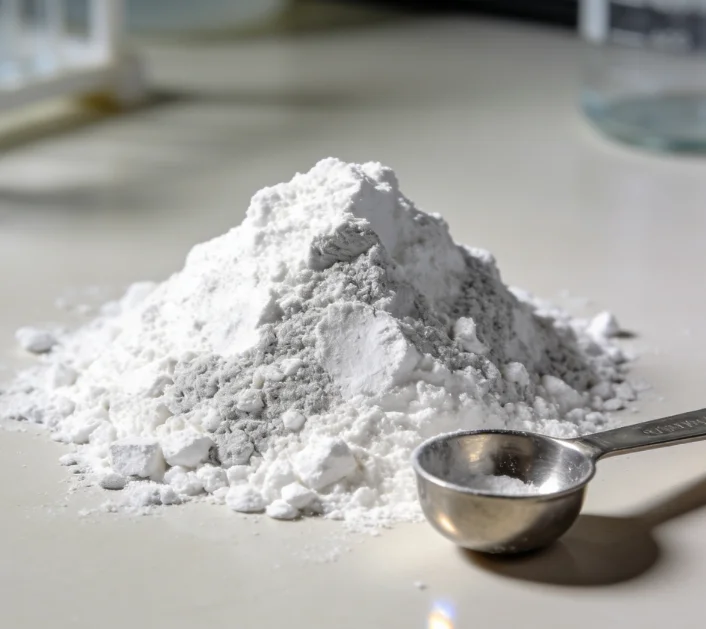
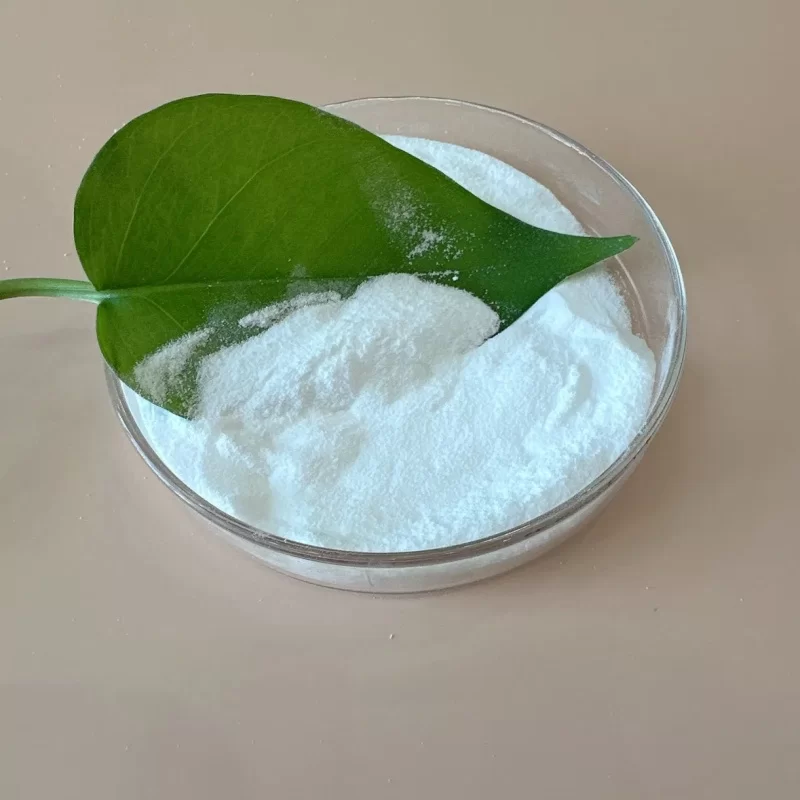
DMDM Hydantoin (Dimethyldimethyldantoin) is an imidazolidinyl urea derivative, functioning as a formaldehyde-releasing preservative. It is a white, crystalline powder that is readily soluble in water, making it easy to incorporate into water-based formulations. Its primary mechanism of action involves slowly releasing formaldehyde in small amounts, which inhibits the growth of bacteria, yeast, and molds. This broad-spectrum antimicrobial activity makes it suitable for a diverse range of cosmetic and personal care products. ZJSLES offers high-quality DMDM Hydantoin, ensuring consistent performance and adherence to industry standards.
Key Highlights: Effective broad-spectrum antimicrobial activity, water solubility for easy formulation, and slow formaldehyde release for prolonged preservation.
Applications of DMDM Hydantoin in Cosmetics
DMDM Hydantoin finds extensive application across various cosmetic and personal care categories. Common uses include shampoos, conditioners, body washes, lotions, creams, sunscreens, and makeup products. Its versatility allows it to preserve a wide array of formulations, protecting them from microbial spoilage. The concentration of DMDM Hydantoin used typically ranges from 0.1% to 0.6%, depending on the product's formulation and desired shelf life. Careful consideration of compatibility with other ingredients is crucial during formulation.
Common Cosmetic Applications:
• Shampoos & Conditioners
• Body Washes & Lotions
• Creams & Moisturizers
• Sunscreens
DMDM Hydantoin vs. Other Preservatives: A Comparative Analysis
Several preservative options exist in the market, each with its own advantages and disadvantages. DMDM Hydantoin is often compared to parabens, phenoxyethanol, and other formaldehyde-releasing preservatives. While parabens have faced scrutiny due to potential health concerns, phenoxyethanol is effective but can sometimes cause skin sensitivity. DMDM Hydantoin offers a cost-effective and broad-spectrum solution, though it's essential to consider the formaldehyde release aspect. The choice of preservative depends on factors like formulation type, target market preferences, and regulatory requirements.
Safety and Regulatory Considerations
The release of formaldehyde from DMDM Hydantoin has been a topic of discussion. However, the amount of formaldehyde released is typically very low and within acceptable safety limits set by regulatory bodies like the FDA and the European Commission. Individuals with formaldehyde sensitivities may experience allergic reactions. Transparency in labeling and providing information about ingredients are crucial for consumer awareness. ZJSLES ensures all products meet stringent quality control standards and adhere to global regulations.
Sourcing DMDM Hydantoin from a Reliable Supplier
The quality and purity of DMDM Hydantoin are critical for ensuring product safety and efficacy. Choosing a reputable supplier like ZJSLES guarantees consistent quality, adherence to industry standards, and reliable supply. We provide comprehensive documentation, including Certificates of Analysis, to demonstrate product specifications and purity. Partnering with a trusted supplier is essential for maintaining the integrity of your formulations.
Conclusion: A Versatile Preservative for Modern Formulations
DMDM Hydantoin remains a valuable preservative option for cosmetic and personal care formulators, offering broad-spectrum antimicrobial activity and cost-effectiveness. By understanding its characteristics, applications, and safety considerations, professionals can effectively utilize this ingredient to create safe, stable, and high-quality products. Partnering with a reliable supplier like ZJSLES ensures access to premium-grade DMDM Hydantoin and expert support.
Frequently Asked Questions (FAQs)
What is the recommended usage level of DMDM Hydantoin in cosmetics?
The typical usage level of DMDM Hydantoin ranges from 0.1% to 0.6% of the total formulation. The exact concentration depends on several factors, including the product's formulation, the presence of other preservatives, the pH level, and the desired shelf life. It's crucial to conduct challenge testing to verify the preservative efficacy at the chosen concentration. Higher concentrations do not necessarily equate to better preservation and can potentially increase the risk of skin sensitivity. Careful formulation and testing are vital to ensure optimal preservation and safety.
Is DMDM Hydantoin safe for sensitive skin?
While DMDM Hydantoin is considered safe for use in cosmetics within regulatory limits, individuals with known formaldehyde sensitivities may experience allergic reactions. Dermatological testing and patch tests are recommended for products containing DMDM Hydantoin, particularly those intended for sensitive skin. Formulators can also consider using lower concentrations or combining DMDM Hydantoin with other gentle preservatives to minimize the risk of irritation. Providing clear ingredient labeling allows consumers to make informed choices.
How does pH affect the efficacy of DMDM Hydantoin?
DMDM Hydantoin is most effective at acidic to neutral pH levels, typically between pH 3.0 and 7.0. At higher pH levels, the release of formaldehyde can decrease, potentially reducing its preservative efficacy. It's essential to adjust the pH of the formulation to within the optimal range to ensure DMDM Hydantoin functions effectively. Regular pH monitoring during production and storage is also recommended to maintain preservative activity.