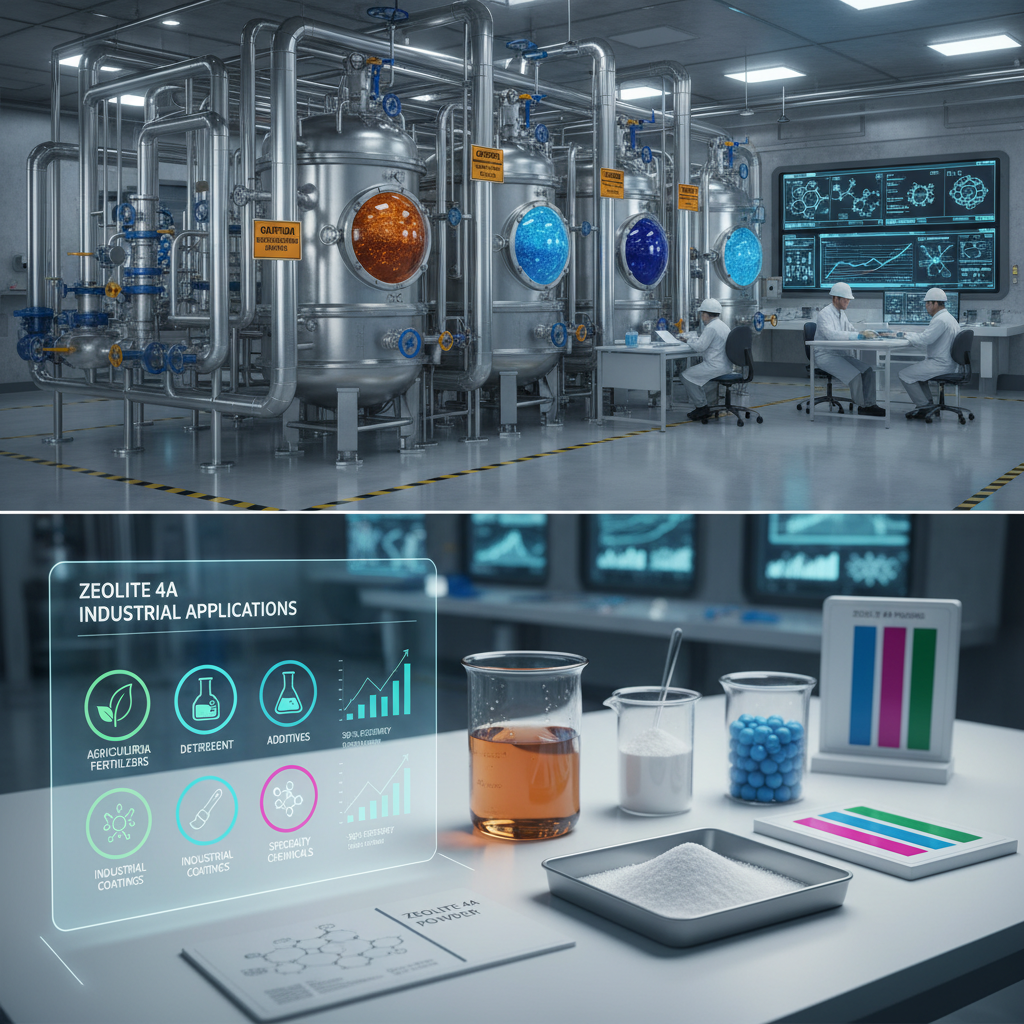
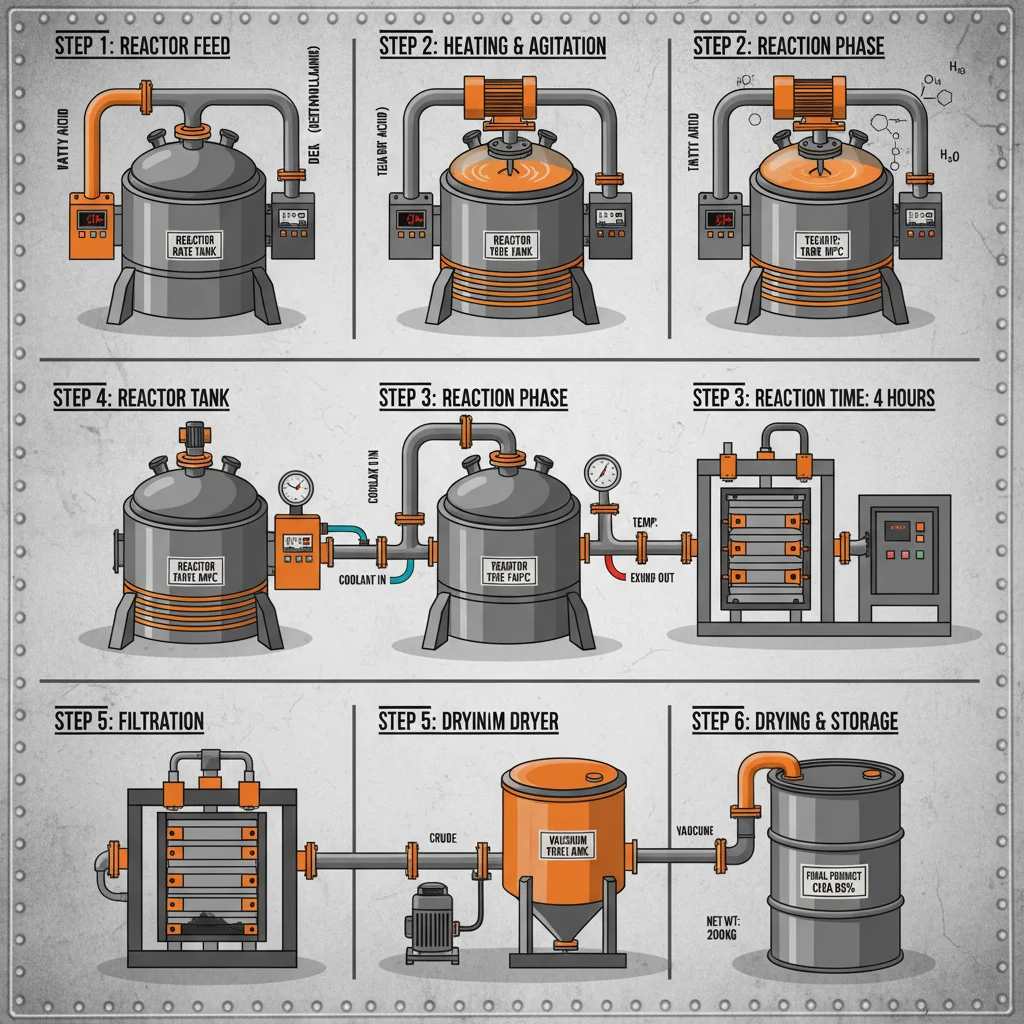
Zeolite 4A, a crystalline aluminosilicate, is a powerful desiccant and adsorbent with widespread industrial applications. Its unique molecular sieve structure, characterized by pore sizes of approximately 4 Angstroms, makes it highly effective in selectively absorbing molecules of specific sizes and shapes. Globally, the demand for Zeolite 4A is driven by increasing needs in drying agents, detergents, catalysts, and gas purification, representing a multi-billion dollar market.
The rising complexities of industrial processes, coupled with stringent environmental regulations, are creating a demand for more efficient and sustainable solutions. Zeolite 4A addresses this need by offering a cost-effective, energy-efficient, and environmentally friendly alternative to traditional drying and separation techniques. Its ability to selectively adsorb water, carbon dioxide, and other pollutants makes it crucial for improving product quality and reducing emissions.
Understanding the properties and applications of Zeolite 4A is vital for optimizing industrial processes, developing innovative products, and addressing global challenges related to resource management and environmental sustainability. From improving the performance of laundry detergents to enhancing the efficiency of natural gas purification, Zeolite 4A plays a critical role in numerous industries.
The Significance of Zeolite 4A in Modern Industry
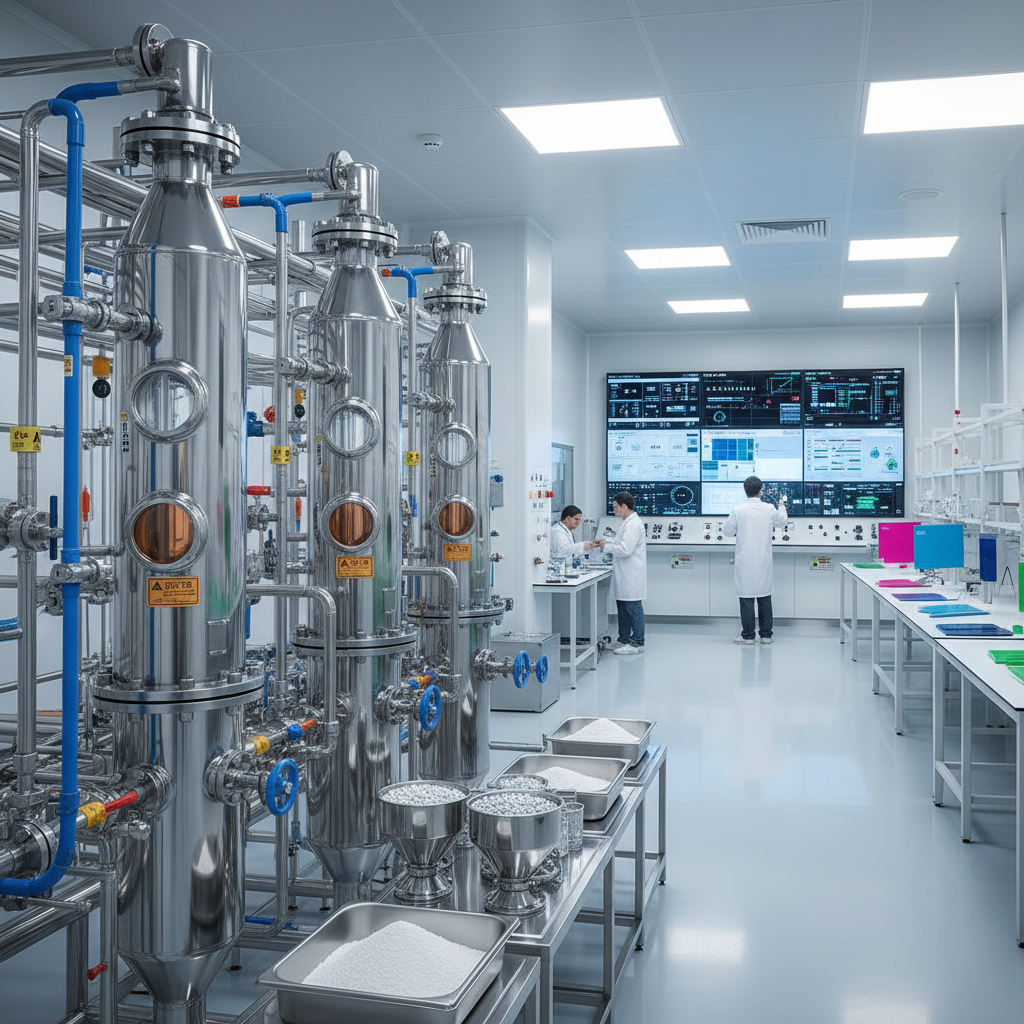
Zeolite 4A's significance stems from its remarkable ability to selectively adsorb molecules based on their size and polarity. This characteristic makes it invaluable across diverse industries, including detergents, where it acts as a builder to enhance cleaning power; and petrochemicals, where it's used for gas drying and purification. The consistent demand for higher efficiency and sustainability fuels its continued importance.
The chemical industry relies heavily on Zeolite 4A for various catalytic applications, contributing to more efficient and environmentally benign processes. As industries strive to minimize their environmental footprint, the role of Zeolite 4A as a sustainable solution continues to grow, solidifying its position as a key component in modern manufacturing.
Defining Zeolite 4A: Structure and Composition
Zeolite 4A is a synthetic crystalline aluminosilicate belonging to the zeolite family. Its structure comprises a three-dimensional framework of interconnected tetrahedra consisting of silica (SiO4) and alumina (AlO4). The key feature is its consistent pore size of approximately 4 Angstroms (0.4 nanometers), dictated by the arrangement of these tetrahedra. This uniform pore structure enables selective adsorption.
The chemical formula for Zeolite 4A is typically represented as Na2Al2Si2O7·xH2O, indicating the presence of sodium cations within the framework and varying amounts of water of hydration. This composition influences its adsorption capacity and stability in different applications. The framework structure also contributes to its thermal and chemical stability.
Its connection to modern industry lies in its ability to replace less efficient and environmentally harmful alternatives. For example, it often substitutes phosphate builders in detergents, reducing water pollution. This aligns with global sustainability efforts and regulatory pressures, making Zeolite 4A a crucial component in greener industrial processes.
Core Properties of Zeolite 4A
One of the most critical properties of Zeolite 4A is its high adsorption capacity. The uniform pore structure allows it to selectively adsorb molecules of a specific size, effectively removing contaminants from gases and liquids. This property is fundamental to its use in drying agents and purification processes.
Thermal Stability is another defining characteristic. Zeolite 4A can withstand high temperatures without significant degradation, making it suitable for applications involving elevated temperatures, such as catalytic cracking in the petrochemical industry. This resistance to thermal breakdown ensures long-term performance and reliability.
Chemical Inertness contributes to its versatility. Zeolite 4A is generally unreactive with most chemicals, preventing unwanted side reactions and maintaining the purity of the processed materials. This inertness is crucial in applications where maintaining product integrity is paramount. Moreover, its regenerability—the ability to be reactivated through heating—enhances its economic viability.
Global Applications of Zeolite 4A
Zeolite 4A finds extensive use in the detergent industry as a builder, enhancing cleaning power by softening water and sequestering calcium and magnesium ions. This reduces the amount of phosphate needed, minimizing environmental impact. Demand is highest in regions with strict phosphate regulations, such as Europe and North America.
In the petrochemical sector, Zeolite 4A is crucial for drying natural gas and removing carbon dioxide and hydrogen sulfide. This process ensures pipeline integrity and prevents corrosion. Major applications are found in gas processing plants across the Middle East, Russia, and North America.
Further, it serves as a desiccant in air-drying systems used in refrigeration, compressed air systems, and packaging. The consistent need for dry air in these applications drives demand globally, with significant consumption in industrial zones across Asia and South America.
Zeolite 4A Application Distribution by Industry
Advantages and Long-Term Value of Using Zeolite 4A
The primary advantage of Zeolite 4A lies in its cost-effectiveness. Compared to alternative drying agents or adsorbents, it often offers a lower total cost of ownership due to its regenerability and long service life. This translates into significant savings for industries relying on continuous drying or purification processes.
From a sustainability perspective, Zeolite 4A is far more environmentally friendly than many traditional materials. Its non-toxic nature, coupled with its ability to reduce reliance on harmful chemicals (like phosphates), contributes to a lower environmental footprint. This aligns with increasing corporate social responsibility and environmental regulations.
Future Trends and Innovations in Zeolite 4A Technology
Ongoing research is focused on developing modified Zeolite 4A materials with enhanced selectivity and adsorption capacity. This involves incorporating metal ions or organic molecules into the zeolite framework to tailor its properties for specific applications. These innovations promise increased efficiency and performance.
The integration of Zeolite 4A with membrane technology is also gaining traction. Combining the selective adsorption of Zeolite 4A with the separation capabilities of membranes could lead to more energy-efficient and cost-effective separation processes, particularly in gas purification and wastewater treatment.
Challenges and Solutions in Zeolite 4A Application
One common challenge is fouling, where the pores of Zeolite 4A become blocked by contaminants, reducing its adsorption capacity. Solutions include pretreatment of feed streams to remove particulate matter and the development of fouling-resistant zeolite coatings.
Another limitation is the potential for pressure drop across zeolite beds, which can increase energy consumption. Optimizing bed design, using smaller particle sizes, and employing pulsed flow techniques can help mitigate this issue. Regular monitoring and regeneration are also crucial.
Finally, ensuring consistent product quality can be a challenge. Implementing rigorous quality control measures throughout the manufacturing process and conducting thorough performance testing are essential to guarantee the reliability and effectiveness of Zeolite 4A.
Summary of Challenges and Solutions for Zeolite 4A Applications
| Challenge |
Impact on Performance |
Proposed Solution |
Implementation Cost (Scale 1-10) |
| Fouling |
Reduced adsorption capacity, decreased efficiency |
Feed stream pretreatment, fouling-resistant coatings |
6 |
| Pressure Drop |
Increased energy consumption, reduced flow rate |
Optimized bed design, smaller particle size |
7 |
| Moisture Sensitivity |
Compromised structural integrity |
Improved storage and handling procedures |
3 |
| Thermal Degradation |
Loss of adsorption properties |
Lower operating temperatures, zeolite stabilization |
5 |
| Particle Attrition |
Increased pressure drop, dust formation |
Improved mechanical strength, careful handling |
4 |
| Quality Control |
Inconsistent performance, unreliable results |
Rigorous testing, process monitoring |
8 |
FAQs
The lifespan of Zeolite 4A in drying applications varies depending on the feed stream's contaminant level and the regeneration frequency. Generally, it can last for 2-5 years with proper maintenance, including regular reactivation. Consistent monitoring of adsorption capacity is key to determining when regeneration or replacement is necessary. Factors like temperature and pressure also influence longevity.
The regeneration frequency depends heavily on the application and the amount of contaminants adsorbed. As a general guideline, regeneration is needed when the adsorption capacity drops below a predetermined threshold. Typically, this is done through heating the zeolite to drive off adsorbed water or gases. Continuous monitoring of effluent streams can indicate when regeneration is required, usually every few weeks to several months.
Yes, Zeolite 4A is considered environmentally friendly. It's a non-toxic material and doesn't release harmful substances during use. It often replaces environmentally damaging alternatives like phosphate builders in detergents. Furthermore, it's regenerable, reducing waste generation. Its use contributes to more sustainable industrial processes and reduces overall environmental impact.
Zeolite 4A is highly effective at removing polar molecules with a kinetic diameter of less than 4 Angstroms. This includes water, carbon dioxide, hydrogen sulfide, and certain organic solvents. Its selective adsorption properties make it ideal for drying gases and liquids, as well as purifying streams containing specific impurities. However, it is not effective for larger, non-polar molecules.
Zeolite 4A exhibits good thermal stability, allowing its use in temperatures up to approximately 400°C (752°F). However, prolonged exposure to very high temperatures may lead to structural degradation. It’s crucial to consider the specific temperature range and duration of exposure for a given application to ensure long-term performance and prevent loss of adsorption capacity.
Different zeolite types are characterized by their pore size and chemical composition. Zeolite 4A has a pore size of approximately 4 Angstroms, making it suitable for adsorbing smaller molecules. Other zeolites, like Zeolite 3A (3 Angstroms) and Zeolite 5A (5 Angstroms), have different pore sizes and are used for different applications. The choice of zeolite depends on the specific molecules that need to be adsorbed.
Conclusion
Zeolite 4A stands as a cornerstone material in numerous industrial processes, offering a potent combination of adsorption capacity, thermal stability, and environmental friendliness. Its versatility enables critical applications in detergent manufacturing, gas purification, and air drying, significantly enhancing efficiency and sustainability. Understanding its properties and optimal use is paramount for industries seeking to improve performance and reduce their environmental impact.
Looking ahead, continued innovation in Zeolite 4A technology, including modifications to enhance selectivity and integration with advanced separation techniques, holds immense potential. Investing in research and development will unlock even greater benefits, paving the way for more sustainable and efficient industrial practices. To learn more about how Zeolite 4A can benefit your operations, visit our website: Zeolite 4A.