30% CAPB, or Caprylyl/Capryl Glucoside, is rapidly gaining prominence as a versatile and eco-friendly ingredient across diverse industries. Its gentle yet effective properties make it a sought-after surfactant in personal care, cleaning products, and even specialized applications like oil recovery. Understanding the nuances of 30% CAPB is becoming crucial for formulators, manufacturers, and consumers alike, as the demand for sustainable and biodegradable alternatives to traditional chemical compounds continues to surge globally.
The global surfactant market is a multi-billion dollar industry, with a growing emphasis on bio-based options. Regulations and consumer preferences are shifting away from harsh chemicals like sulfates, creating a significant opportunity for ingredients like 30% CAPB. This shift isn't merely a trend; it’s a fundamental change driven by increasing environmental awareness and a desire for safer, milder products. The availability and cost-effectiveness of 30% CAPB are key factors in its expanding adoption.
The growing need for sustainable chemical solutions and environmentally-friendly consumer products is driving the increased use of 30% CAPB. From industrial cleaning to personal care items, this mild, non-ionic surfactant is proving to be a valuable asset in meeting the needs of a conscious consumer base and adhering to increasingly strict environmental regulations. The unique properties of 30% CAPB represent a significant advancement in green chemistry and material science.
Introduction to 30% CAPB
30% CAPB is a mild, non-ionic surfactant derived from renewable vegetable sources like coconut and palm kernel oil. This composition makes it an environmentally friendly alternative to traditional petroleum-based surfactants, and a cornerstone in the development of 'green' chemical solutions. Its biodegradability and low toxicity are significant benefits, aligning with growing consumer demand for sustainable products.
The increasing adoption of 30% CAPB reflects a wider industry trend towards bio-based chemistry. Driven by both regulatory pressure and consumer preference, manufacturers are actively seeking sustainable alternatives to conventional ingredients. The versatility of 30% CAPB extends its applications from personal care to industrial cleaning, positioning it as a crucial ingredient in a variety of formulations.
Defining 30% CAPB and Its Relevance
30% CAPB stands for Caprylyl/Capryl Glucoside, a non-ionic surfactant created by the glycosidation of fatty alcohols (caprylic and capric alcohol) with glucose. This process results in a highly biodegradable and exceptionally mild ingredient. The "30%" refers to the typical concentration of active surfactant in commercially available solutions, often diluted in water or glycerin for ease of handling and formulation.
Its relevance stems from the increasing demand for gentler, more sustainable surfactants. Traditional surfactants, like Sodium Lauryl Sulfate (SLS), can be harsh and irritating to the skin, leading to allergic reactions and dryness. 30% CAPB offers a compelling alternative, providing effective cleansing and foaming action without these undesirable side effects.
The connection to modern industry and humanitarian needs lies in its versatility and low environmental impact. It's used in everything from baby shampoos and facial cleansers to eco-friendly detergents and even oil spill dispersants, demonstrating its broad applicability and its potential to address critical sustainability challenges.
Core Characteristics of 30% CAPB
One of the key characteristics of 30% CAPB is its exceptional mildness. It doesn’t strip the skin of its natural oils, making it ideal for sensitive skin formulations. This is due to its non-ionic nature, meaning it doesn't carry an electrical charge that can disrupt the skin's protective barrier. This aspect makes it a valuable ingredient in skincare targeted toward children and individuals with delicate skin.
Biodegradability is another significant characteristic. 30% CAPB breaks down rapidly and completely in the environment, minimizing its long-term impact. This aligns with the growing demand for eco-friendly products and supports sustainable manufacturing practices. Certifications like COSMOS and ECOCERT often validate this biodegradability, providing assurance to consumers and manufacturers.
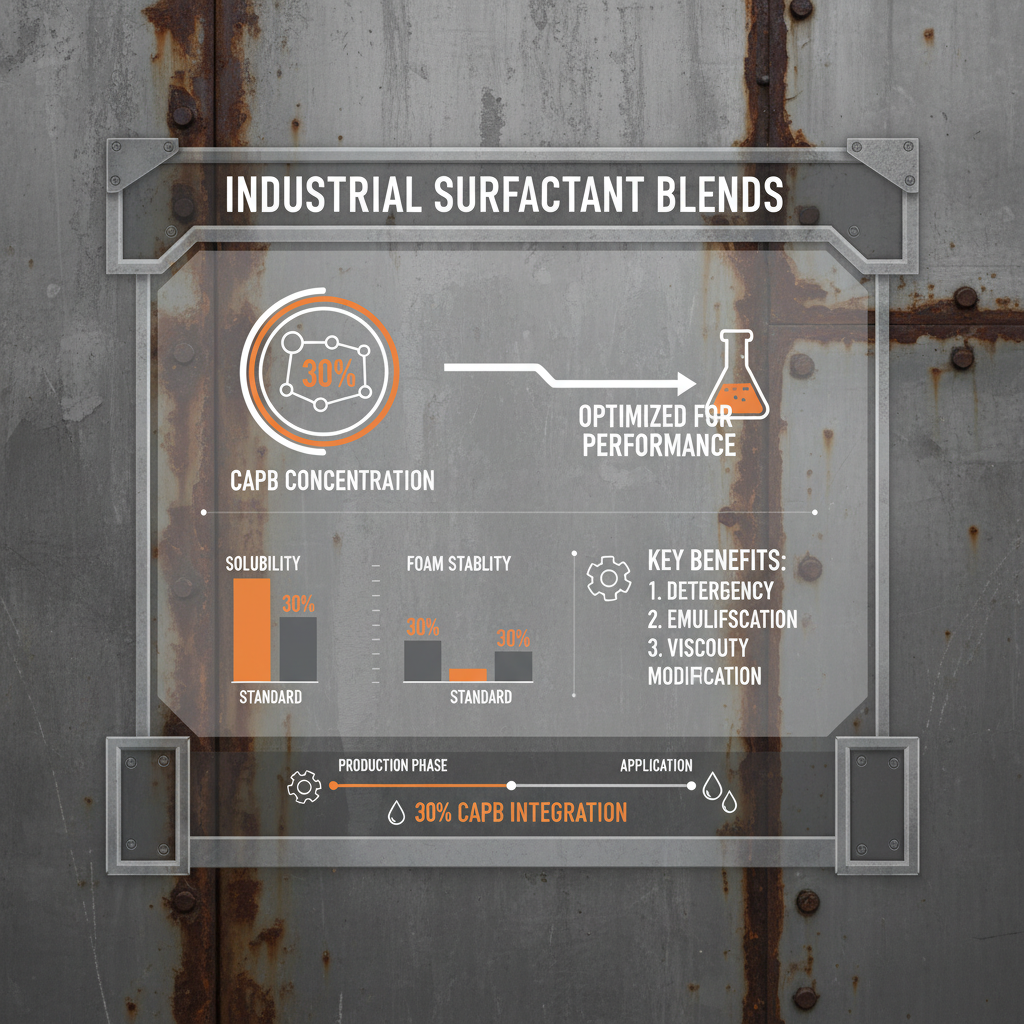
30% CAPB also boasts excellent foaming properties and good detergency. It creates a stable, creamy foam, enhancing the sensory experience of products. Coupled with its effective cleansing ability, it delivers a satisfying and functional benefit to consumers. Moreover, its compatibility with other surfactants and ingredients broadens its formulation flexibility.
Key Performance Indicators for 30% CAPB
Evaluating the performance of 30% CAPB requires considering several key indicators. Surfactant efficiency, measured by its ability to reduce surface tension, is crucial for effective cleaning and emulsification. Another important metric is its critical micelle concentration (CMC), which indicates the concentration needed for micelle formation and optimal cleaning action.
Foaming capacity and stability are also vital KPIs, particularly for personal care products. Consumers often associate foam with cleaning power and a pleasant experience. The compatibility of 30% CAPB with other ingredients in a formulation, and its impact on viscosity and pH, further influence its performance.
Performance Comparison of 30% CAPB in Different Applications
Global Applications of 30% CAPB
The applications of 30% CAPB are incredibly diverse and span numerous industries. In personal care, it’s a key ingredient in shampoos, body washes, facial cleansers, and baby products, appreciated for its mildness and skin-friendly properties. These products are globally available, with significant demand in regions prioritizing natural and organic skincare.
In the cleaning industry, 30% CAPB is used in dishwashing liquids, laundry detergents, and all-purpose cleaners. Its excellent detergency and biodegradability make it a sustainable alternative to harsher chemicals. Demand is particularly strong in Europe and North America, where environmental regulations are stringent and consumer awareness is high. In post-disaster relief operations, its gentle nature is invaluable for sanitation.
Advantages and Long-Term Value of 30% CAPB
The tangible benefits of using 30% CAPB are numerous. Cost-effectively, it provides a competitive alternative to many traditional surfactants, especially when considering the long-term cost savings associated with reduced environmental impact and potential regulatory compliance issues. Sustainability is a major advantage, contributing to a reduced carbon footprint and supporting circular economy principles.
From a social impact perspective, the use of 30% CAPB promotes safer, healthier products for consumers. The gentleness of the ingredient minimizes the risk of skin irritation and allergic reactions, improving product acceptability and consumer well-being. This fosters trust and brand loyalty, contributing to long-term value and competitive advantage. Reliability in sourcing and consistent product quality are also key benefits.
The long-term value extends beyond immediate product performance. By investing in sustainable ingredients like 30% CAPB, companies demonstrate a commitment to environmental responsibility and social values, enhancing their brand reputation and attracting environmentally conscious consumers.
Future Trends and Innovations in 30% CAPB
The future of 30% CAPB is intertwined with broader trends in green chemistry and sustainable manufacturing. Ongoing research focuses on optimizing production processes to further reduce the environmental footprint and improve cost-effectiveness. Exploring new raw material sources, such as algae-based feedstocks, could enhance sustainability.
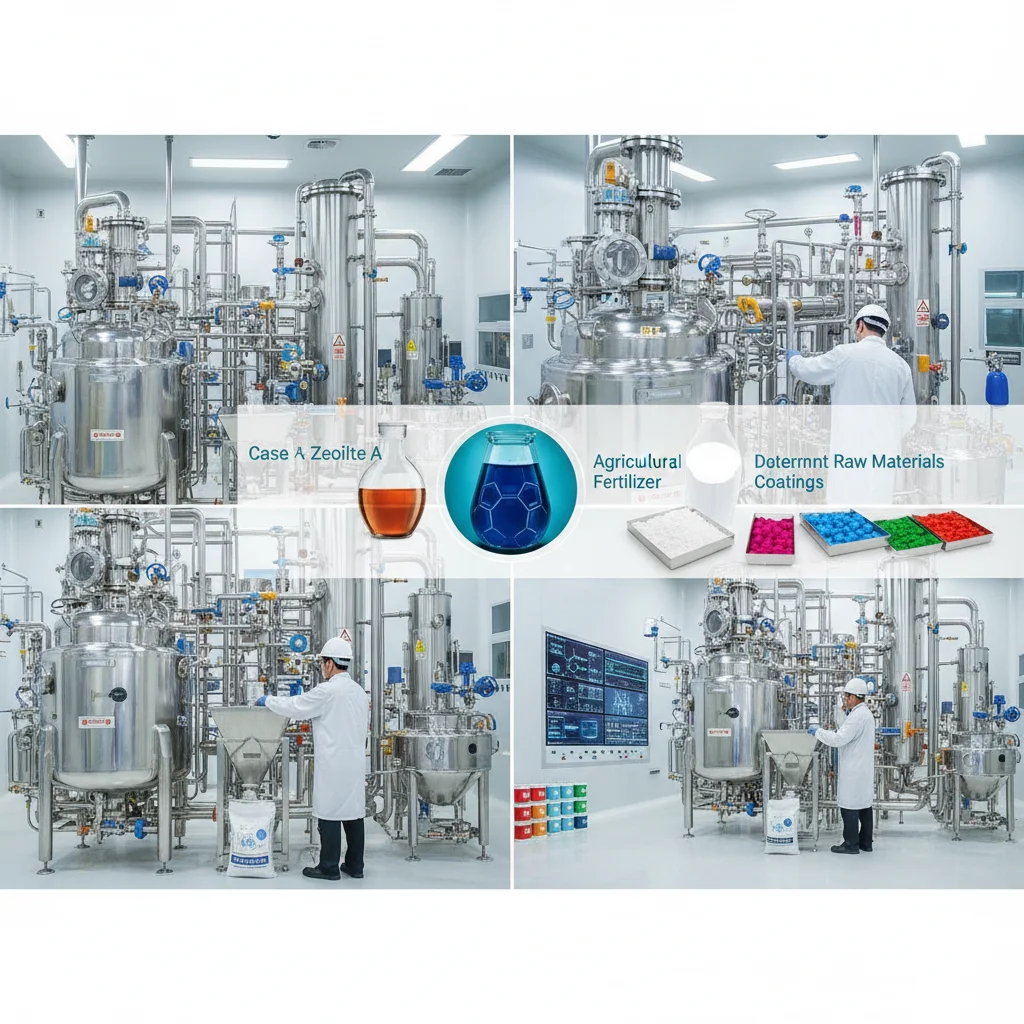
Digital transformation and automation are playing a role in streamlining the production and quality control of 30% CAPB, ensuring consistent product standards and efficient supply chains. Advancements in formulation technology are also expanding its applications, allowing for the development of innovative products with enhanced performance and sustainability features.
The integration of 30% CAPB into biomimicry-inspired formulations, replicating natural cleaning and emulsifying mechanisms, represents a promising area of innovation. This approach aligns with the growing demand for products that are both effective and harmonious with the environment.
FAQS
30% CAPB is derived from renewable resources – typically coconut and palm kernel oil – and is readily biodegradable, unlike many petroleum-based surfactants. This means it breaks down quickly in the environment, minimizing its long-term impact. Its production process also generally requires less energy and produces fewer harmful byproducts, further contributing to its sustainability profile.
Yes, 30% CAPB is exceptionally mild and non-irritating, making it an excellent choice for sensitive skin formulations. Its non-ionic nature means it doesn’t disrupt the skin’s natural barrier function, unlike some harsher surfactants. It’s often used in baby products and formulations for individuals with eczema or dermatitis.
While SLS is a powerful cleanser, it can be harsh and stripping, often causing irritation. 30% CAPB offers excellent cleansing and foaming properties with significantly less irritation. It may not provide quite the same level of aggressive cleaning power as SLS in certain applications, but the trade-off is a much milder and more skin-friendly experience.
Absolutely. 30% CAPB is highly compatible with a wide range of other surfactants, including anionic, cationic, and non-ionic types. Combining it with other surfactants can allow formulators to tailor the properties of their products, such as foam density, viscosity, and cleansing power. It's often used as a co-surfactant to mitigate the harshness of more aggressive surfactants.
Look for certifications like COSMOS, ECOCERT, and RSPO (Roundtable on Sustainable Palm Oil) to ensure the 30% CAPB is derived from sustainable sources and meets strict environmental and ethical standards. These certifications provide assurance of the product's quality, traceability, and environmental impact.
The typical usage rate of 30% CAPB varies depending on the application and desired properties. In personal care products, it is commonly used at concentrations between 10% and 30%. For hard surface cleaning, concentrations of 5-15% are often effective. Formulators should conduct testing to determine the optimal usage rate for their specific formulation.
Conclusion
In conclusion, 30% CAPB represents a significant advancement in surfactant technology, offering a compelling combination of performance, sustainability, and mildness. Its versatility makes it a valuable ingredient across diverse industries, from personal care to cleaning, and its biodegradable nature addresses growing environmental concerns. As consumer demand for eco-friendly products continues to rise, 30% CAPB is poised to play an increasingly important role in shaping the future of formulation.
Looking ahead, further innovation in production processes and raw material sourcing will enhance the sustainability and cost-effectiveness of 30% CAPB. Embracing this ingredient is not just a smart business decision; it’s a commitment to a more sustainable future. For more information and to explore our range of 30% CAPB products, visit our website: 30% CAPB.