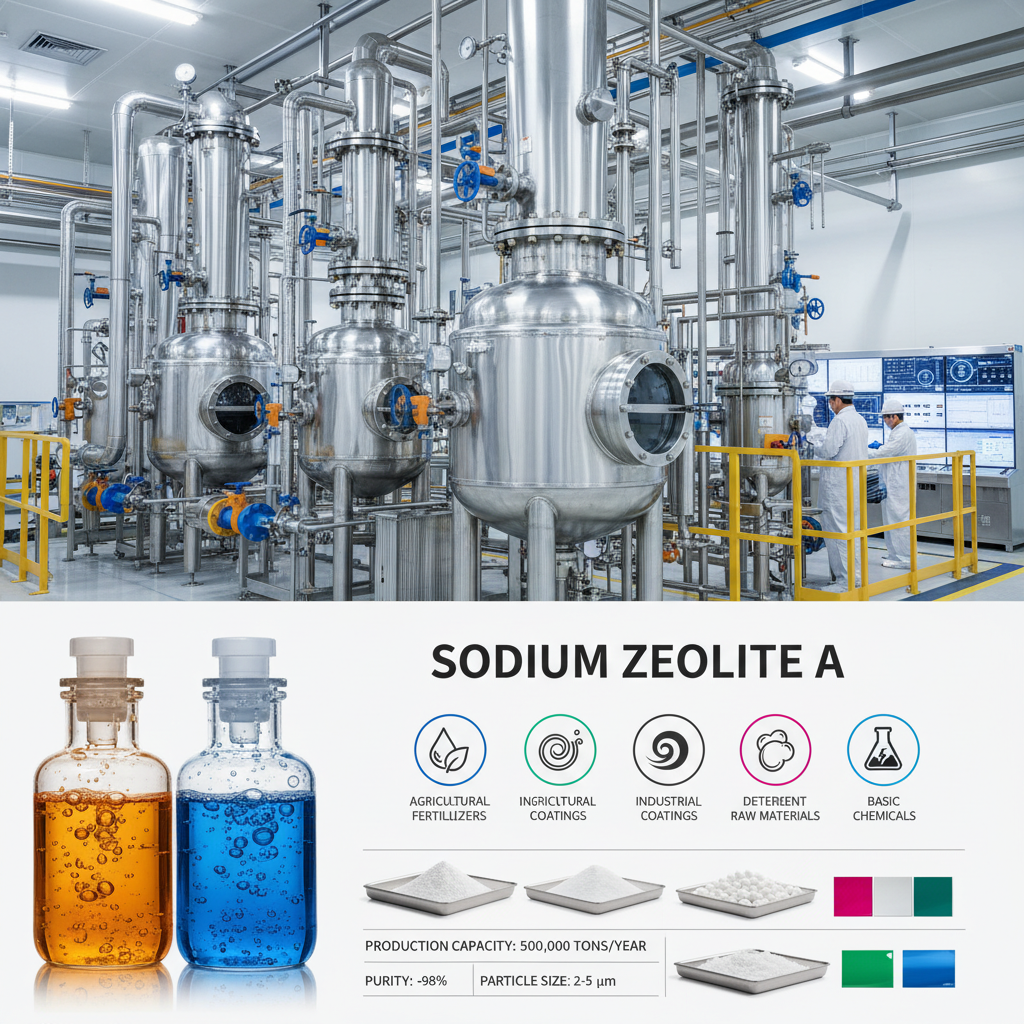
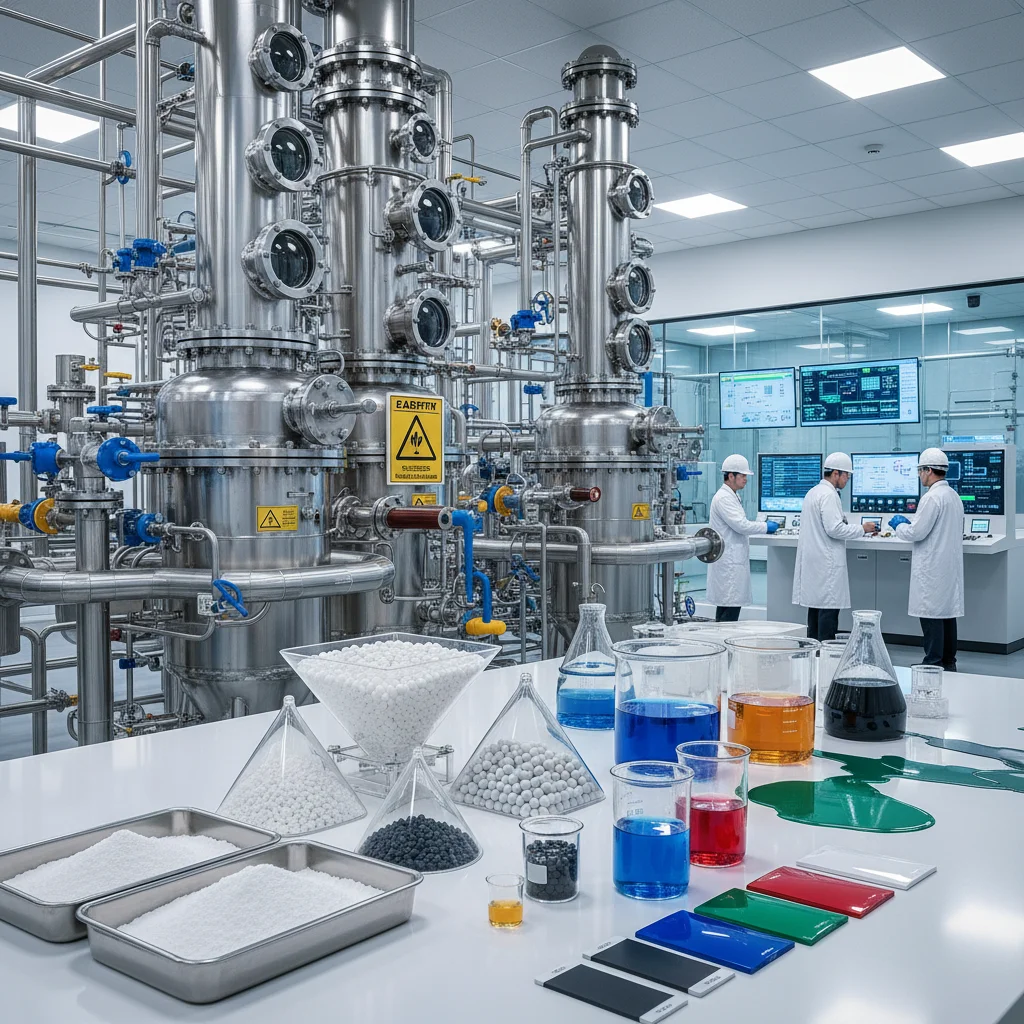
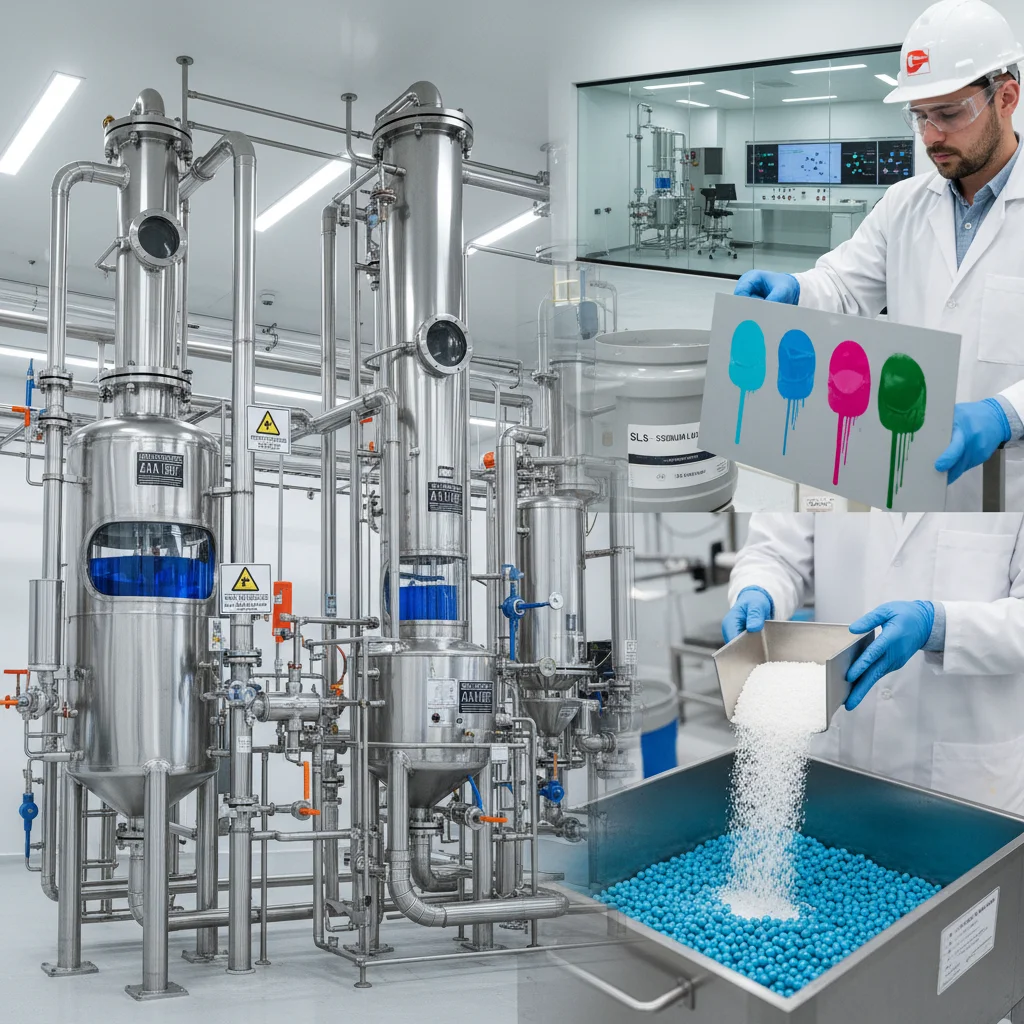
Sodium Zeolite A stands as a cornerstone of modern industrial chemistry, offering an unparalleled crystalline structure that enables precise molecular sieving and ion exchange. As global industries shift toward more sustainable and efficient chemical processes, the demand for high-purity aluminosilicates has surged, making this material essential for everything from high-end detergents to advanced environmental remediation.
Understanding the multifaceted nature of Sodium Zeolite A is critical for manufacturers aiming to optimize product performance and reduce environmental footprints. By replacing traditional phosphates in cleaning agents and enhancing the filtration of heavy metals, it addresses some of the most pressing ecological challenges of the 21st century, bridging the gap between commercial efficacy and environmental stewardship.
Globally, the adoption of Sodium Zeolite A has transformed the chemical landscape, driving innovation in the "green chemistry" sector. From its role in stabilizing complex formulations to its capacity for selective adsorption, this material provides a versatile solution that empowers industries to meet stringent international standards while maintaining high operational throughput.
Global Industrial Context of Sodium Zeolite A
On a global scale, the utilization of Sodium Zeolite A is deeply intertwined with the evolution of the detergent and water treatment industries. With ISO standards emphasizing the reduction of eutrophication—often caused by phosphate runoff—this synthetic zeolite has become the primary alternative for water softening in household and industrial cleaners. Statistics from global chemical trade monitors indicate a steady CAGR in the synthetic zeolite market, driven largely by emerging economies in Asia and Latin America.
The challenge that Sodium Zeolite A addresses is the delicate balance between cleaning efficiency and ecological safety. By effectively sequestering calcium and magnesium ions from hard water, it prevents the precipitation of soap scum without introducing the nutrient-loading issues associated with phosphates. This shift not only satisfies regulatory mandates but also enhances the longevity of industrial machinery by preventing mineral scaling.
Defining the Properties of Sodium Zeolite A
In simple technical terms, Sodium Zeolite A is a crystalline aluminosilicate with a specific pore size that allows it to act as a molecular sieve. Its structure consists of a three-dimensional framework of SiO4 and AlO4 tetrahedra, where the sodium ions reside within the cavities, ready to be exchanged for other cations. This unique geometry makes it exceptionally efficient at capturing specific molecular sizes while ignoring others.
The connection to modern humanitarian and industrial needs is evident in its ability to purify water and air. In regions struggling with heavy metal contamination, the ion-exchange capacity of Sodium Zeolite A provides a cost-effective method for removing toxins from drinking water supplies. Its ability to "trap" pollutants makes it an indispensable tool for public health initiatives in industrial zones.
Beyond filtration, the material serves as a critical catalyst carrier in the production of specialized chemicals. The high internal surface area of Sodium Zeolite A allows for a high dispersion of active phases, which increases reaction rates and selectivity in chemical synthesis. This makes it a fundamental building block for the specialty chemical manufacturing sector.
Core Components and Performance Factors
The efficiency of Sodium Zeolite A is primarily determined by its crystalline purity and particle size distribution. A consistent pore diameter is essential for ensuring that the molecular sieving process remains selective, preventing larger molecules from clogging the internal channels while ensuring target ions are captured swiftly.
Scalability and cost-efficiency are two other critical pillars. Because Sodium Zeolite A can be synthesized from readily available raw materials like silica and alumina, it can be produced in massive quantities without a proportional increase in cost, making it viable for low-margin consumer products like laundry powders.
Furthermore, the thermal stability and chemical durability of Sodium Zeolite A allow it to function under extreme industrial conditions. Whether it is used in high-temperature catalytic processes or corrosive cleaning environments, the framework maintains its integrity, ensuring a long lifecycle and reducing the frequency of material replacement.
Global Applications and Use Cases
The real-world application of Sodium Zeolite A spans across multiple continents and sectors. In the European Union, where environmental regulations are particularly strict, it is the gold standard for phosphate-free detergents. In the North American industrial sector, it is frequently employed in the painting and coating industry to remove moisture and volatile organic compounds (VOCs) from air streams, ensuring a pristine finish for automotive and aerospace components.
In more specialized contexts, such as post-disaster relief operations in remote industrial zones, Sodium Zeolite A is utilized in portable water filtration kits. These kits leverage the material's ion-exchange properties to rapidly remove hazardous minerals and heavy metals from contaminated groundwater, providing immediate access to safe drinking water when infrastructure has collapsed.
Performance Comparison of Sodium Zeolite A Variations
Tangible Advantages and Long-Term Value
The primary advantage of Sodium Zeolite A lies in its sustainability profile. Unlike early synthetic chemicals that persisted in the environment, zeolites are essentially mineral-based and biologically inert. This creates a logical path for companies to enhance their Corporate Social Responsibility (CSR) profiles while simultaneously lowering the cost of raw material procurement through the use of abundant silicate sources.
From an emotional and trust-based perspective, using Sodium Zeolite A signifies a commitment to safety and innovation. Consumers are increasingly wary of "chemical" additives in their homes; however, the mineral nature of zeolite allows brands to market their products as safer and more eco-friendly. This transition from traditional chemical additives to mineral-based solutions fosters a deeper sense of trust between the manufacturer and the end-user.
Future Trends and Sustainable Innovations
The future of Sodium Zeolite A is leaning heavily toward nanotechnology. Researchers are currently developing "nano-zeolites" that possess an even higher surface-area-to-volume ratio, allowing for the capture of pollutants at the parts-per-billion (ppb) level. This digital transformation in material science enables the creation of "smart" filters that can be tuned to specific contaminants in real-time.
Furthermore, the integration of green energy into the synthesis process is a major trend. Traditional hydrothermal synthesis requires significant energy; however, new methods using microwave-assisted heating or ultrasound are reducing the carbon footprint of producing Sodium Zeolite A. This alignment with carbon-neutral goals ensures that the material remains relevant in a net-zero economy.
Automation and AI-driven molecular modeling are also playing a role. By using predictive algorithms, chemists can now simulate how Sodium Zeolite A will interact with various organic pollutants before ever entering the lab. This accelerates the development of customized zeolites for specific industrial needs, such as the recovery of precious metals from electronic waste.
Overcoming Implementation Challenges
Despite its benefits, the implementation of Sodium Zeolite A is not without hurdles. One common limitation is the "clogging" effect, where large organic molecules block the narrow pores, reducing the active ion-exchange capacity over time. To overcome this, experts recommend a pre-filtration stage or the use of hybrid zeolite-polymer composites that protect the crystalline core.
Another challenge is the potential for "zeolite spotting" in certain detergent formulations, where the powder doesn't dissolve completely, leaving white residues on fabrics. This is solved through precision milling—reducing the particle size to a micron level—and optimizing the surfactant blend to ensure better dispersion of Sodium Zeolite A in the wash liquor.
Finally, the initial transition cost for factories moving from phosphate-based systems to zeolite-based systems can be significant. However, this is mitigated by the long-term reduction in regulatory fines and the ability to enter "green" markets. By adopting a phased integration approach, companies can transition their product lines without disrupting their supply chain.
Comparative Analysis of Sodium Zeolite A Implementation Strategies
|
Strategy Type
|
Implementation Cost
|
Efficiency Gain
|
Environmental Impact
|
| Standard Replacement |
Low |
Moderate |
Significant Reduction |
| Nano-Sized Integration |
High |
Extreme |
Very High |
| Hybrid Composite |
Medium |
High |
High |
| Micronized Processing |
Medium |
Moderate |
Moderate |
| Catalytic Customization |
High |
Very High |
Positive |
| Phased Migration |
Low-Medium |
Steady |
Gradual Improvement |
FAQS
Unlike phosphates, which lead to algal blooms and water eutrophication, Sodium Zeolite A is an environmentally inert mineral. It provides the same water-softening capabilities by exchanging sodium ions for calcium and magnesium, but it does not act as a nutrient for algae, making it the ecologically responsible choice for modern cleaning products.
The lifespan depends on the concentration of contaminants. In standard industrial water softening, Sodium Zeolite A can last for thousands of cycles if properly regenerated. However, in heavy metal filtration, it may require replacement or chemical regeneration once the exchange sites are saturated with target ions.
Yes, provided it is manufactured to high-purity standards. Sodium Zeolite A is generally recognized as safe due to its inorganic, non-toxic nature. It is frequently used in the pharmaceutical industry as a desiccant or for the purification of specific medicinal compounds.
Absolutely. One of the key advantages of Sodium Zeolite A is its regenerability. By flushing the material with a concentrated brine (sodium chloride) solution, the captured calcium and magnesium ions are displaced by sodium ions, restoring the zeolite to its original active state.
Yes, significantly. Smaller particles provide a larger external surface area and shorter diffusion paths, which increases the rate of ion exchange. For detergent applications, micronized Sodium Zeolite A is preferred to prevent residue and ensure rapid dissolution in water.
Companies should ensure that the supplier provides a comprehensive Certificate of Analysis (CoA) confirming the purity and pore size of the Sodium Zeolite A. It is also important to verify compliance with REACH or other regional chemical safety regulations to ensure seamless customs clearance and industrial application.
Conclusion
In summary, Sodium Zeolite A represents a perfect synergy of chemical efficiency and ecological responsibility. By mastering its unique ion-exchange properties and molecular sieving capabilities, industries can achieve superior product performance—whether in high-end detergents, water purification, or industrial coatings—while drastically reducing their environmental footprint. Its scalability and cost-effectiveness ensure it remains a viable solution for global manufacturers.
Looking forward, the continued innovation in nano-zeolites and green synthesis will further solidify the role of Sodium Zeolite A in a sustainable future. We suggest that companies prioritize the integration of high-purity aluminosilicates to not only meet regulatory demands but to lead the market in "green" innovation. To explore high-grade solutions and procurement options, visit our website: www.zjsles.com