Trisodium Citrate serves as a cornerstone in modern chemical manufacturing, acting as a versatile buffering agent, emulsifier, and chelating agent across a vast array of industrial sectors. From enhancing the stability of food products to optimizing the performance of industrial detergents, its ability to regulate pH levels and sequester metal ions makes it indispensable for maintaining product quality and consistency on a global scale.
In the current industrial landscape, the transition toward biodegradable and non-toxic alternatives has propelled the demand for Trisodium Citrate. As regulatory bodies like ISO and various environmental agencies push for "green chemistry," this salt of citric acid has emerged as a superior replacement for harsher phosphates, reducing the ecological footprint of manufacturing processes without sacrificing efficacy.
Understanding the chemical properties and strategic applications of Trisodium Citrate allows manufacturers to optimize their formulations for better cost-efficiency and safety. Whether used in high-precision painting and coating or large-scale agricultural fertilizers, its role in preventing precipitation and ensuring a homogenous mixture is vital for operational success.
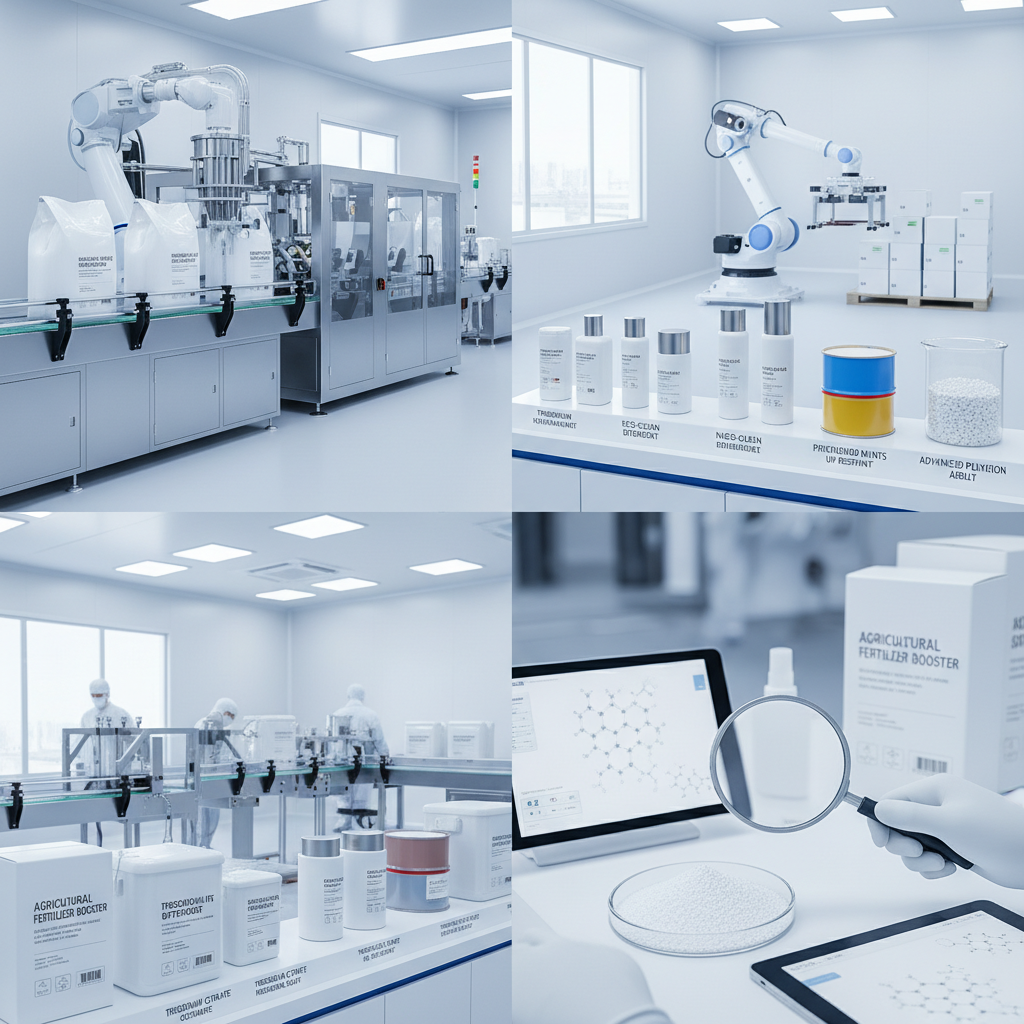
Global Relevance and Industrial Context of Trisodium Citrate
The global market for Trisodium Citrate is intrinsically linked to the expansion of the food, pharmaceutical, and detergent industries. According to global trade data, the shift toward eco-friendly additives has seen a steady increase in citrate adoption, as industries seek to replace synthetic EDTA and phosphates. This transition is not merely a trend but a regulatory necessity driven by the need to prevent eutrophication in water bodies.
In regions like Europe and North America, where stringent environmental laws govern chemical runoff, Trisodium Citrate has become the gold standard for "green" sequestration. The challenge remains in balancing the high purity required for pharmaceutical grades with the cost-effectiveness needed for industrial-scale detergent production, creating a dynamic market where innovation in fermentation and synthesis is key.
Defining Trisodium Citrate and Its Technical Significance
In simple technical terms, Trisodium Citrate is the sodium salt of citric acid. It acts as a powerful buffering agent, meaning it resists changes in pH when small amounts of acid or base are added to a solution. This property is crucial in chemical reactions where a stable environment is necessary to prevent the degradation of active ingredients or to ensure a consistent reaction rate.
Beyond pH control, its primary significance lies in its ability to act as a chelating agent. By binding to multivalent metal ions (such as calcium and magnesium), Trisodium Citrate prevents these ions from interfering with other components in a mixture. In the detergent industry, this prevents "soap scum" from forming in hard water, ensuring that surfactants can work at peak efficiency.
From a humanitarian and health perspective, it is widely utilized in anticoagulants for blood transfusions and as a flavor modifier in food science. Its biocompatibility and low toxicity profile make it a preferred choice over synthetic chemicals, bridging the gap between heavy industrial utility and safe consumer application.
Core Components and Functional Factors
The effectiveness of Trisodium Citrate is defined by several core functional factors, the most prominent being its Chelation Capacity. This ability to capture metal ions ensures that catalysts in chemical synthesis remain active and that minerals in water do not precipitate, which is vital for the longevity of industrial machinery and the clarity of liquid products.
pH Stability and Buffering is another critical aspect. Because Trisodium Citrate can maintain a steady alkaline environment, it is extensively used in the formulation of Painting & Coating products to ensure pigment dispersion and prevent premature curing of the resin.
Finally, Biodegradability and Safety represent the long-term value of the compound. Unlike phosphorus-based builders, Trisodium Citrate breaks down naturally in the environment, making it a scalable solution for companies aiming to meet ESG (Environmental, Social, and Governance) targets without compromising on performance.
Global Applications and Real-World Use Cases
The application of Trisodium Citrate spans diverse sectors. In the detergent and surfactant industry, it serves as a primary builder that softens water, allowing soaps to lather better. In the agricultural sector, it is incorporated into liquid fertilizers to ensure that micronutrients remain soluble and available for plant uptake, preventing the "locking" of minerals in the soil.
In more specialized industrial zones, such as textile dyeing and painting, Trisodium Citrate is used to control the pH of dye baths, ensuring uniform color penetration. For instance, in large-scale coating plants in Southeast Asia, utilizing citrate-based buffers has significantly reduced the rate of paint coagulation, leading to a 15% increase in application efficiency.
Performance Analysis of Trisodium Citrate Variants
Long-Term Value and Sustainability Advantages
The adoption of Trisodium Citrate provides immense long-term value through the reduction of toxicity in waste streams. By replacing non-biodegradable chelators, companies can lower their water treatment costs and avoid heavy fines associated with phosphate pollution. This transition fosters a sense of trust with consumers who are increasingly demanding "clean label" and environmentally responsible products.
Logistically, the reliability of Trisodium Citrate lies in its stability. It is non-volatile and safe to handle in bulk, reducing the risk of workplace accidents compared to strong caustic bases. This safety profile, combined with its multi-functional nature, allows manufacturers to simplify their ingredient lists, lowering inventory costs and streamlining production cycles.
Future Trends and Innovations in Citrate Chemistry
The future of Trisodium Citrate is being shaped by the digital transformation of chemical synthesis. AI-driven molecular modeling is now being used to create "enhanced" citrate complexes that offer even higher binding affinities for specific heavy metals, making them more effective in wastewater remediation and advanced industrial cleaning.
Sustainability is also driving a shift toward bio-based feedstock. Instead of traditional corn-based fermentation, researchers are exploring the use of agricultural waste as a substrate for producing citric acid. This circular economy approach will likely lower the carbon footprint of Trisodium Citrate production, making it even more attractive for green-certified industries.
Furthermore, the integration of automation in dosing systems is allowing for "precision buffering." By using real-time sensors to monitor pH and metal ion concentration, industrial systems can now inject Trisodium Citrate in exact quantities, eliminating waste and maximizing the efficacy of the chemical process.
Current Challenges and Expert Solutions
Despite its advantages, Trisodium Citrate faces challenges regarding its sensitivity to certain high-temperature conditions, where it may undergo thermal degradation. Additionally, in extremely high-concentration environments, it can sometimes act as a nutrient source for microbial growth, potentially shortening the shelf life of some liquid formulations.
To overcome these limitations, experts recommend a synergistic approach. Combining Trisodium Citrate with mild, biodegradable preservatives can effectively inhibit microbial growth without compromising the product's "green" status. For high-temperature applications, the use of stabilized citrate derivatives or a two-stage addition process can mitigate degradation.
Another challenge is the price volatility of raw materials. To solve this, many leading manufacturers are entering into long-term strategic partnerships with bio-refineries. By securing a stable supply of fermented citric acid, they can ensure that the cost of Trisodium Citrate remains competitive, ensuring long-term operational viability.
Comparative Analysis of Trisodium Citrate Application Performance
| Application Sector |
Primary Function |
Efficiency Score (1-10) |
Sustainability Rating |
| Detergents |
Water Softening |
9 |
Excellent |
| Agrochemicals |
Nutrient Chelating |
8 |
High |
| Painting/Coating |
pH Stabilization |
7 |
Moderate |
| Pharmaceuticals |
Buffering Agent |
10 |
Excellent |
| Food Industry |
Acidity Regulator |
9 |
High |
| Water Treatment |
Scale Inhibition |
6 |
Moderate |
FAQS
Unlike phosphates, which lead to nutrient overload in water bodies and cause harmful algal blooms (eutrophication), Trisodium Citrate is fully biodegradable. It provides similar water-softening capabilities by sequestering calcium and magnesium ions but breaks down naturally, making it an environmentally responsible choice for modern surfactant formulations.
In the painting and coating industry, Trisodium Citrate acts as a pH buffer and chelating agent. It prevents the precipitation of pigments and inhibits the premature reaction of resins by controlling the alkalinity of the solution. This results in a smoother application, better color consistency, and a longer shelf life for the product.
Yes, it is widely used in organic-compliant liquid fertilizers. It helps keep micronutrients like iron, zinc, and manganese in a soluble form (chelation), preventing them from reacting with soil minerals. This ensures that plants can easily absorb these essential nutrients, enhancing crop yields without introducing synthetic, persistent chemicals into the soil.
Absolutely. Trisodium Citrate is recognized as safe (GRAS) and is frequently used in skincare and cosmetics as a pH adjuster. Because it is mild and non-irritating compared to strong bases like NaOH, it is ideal for maintaining the skin's natural barrier while ensuring the product remains chemically stable.
To maintain maximum purity and efficacy, Trisodium Citrate should be stored in a cool, dry environment, away from direct sunlight and strong oxidizing agents. Since it can be hygroscopic (absorbing moisture from the air), keeping it in airtight containers is essential to prevent clumping and ensure easy dosing during production.
Importing Trisodium Citrate requires verifying the grade (Industrial, Food, or Pharma) and ensuring compliance with local chemical regulations (such as REACH in Europe). We recommend working with a certified supplier who provides a comprehensive Certificate of Analysis (CoA) and MSDS to ensure the product meets your specific technical requirements.
Conclusion
In summary, Trisodium Citrate stands as a pivotal compound that harmonizes industrial performance with environmental stewardship. Its dual role as a buffering agent and a chelator provides indispensable value across the detergent, agricultural, and coating sectors, ensuring product stability while significantly reducing the ecological impact of chemical manufacturing. By replacing harsher synthetics with this biodegradable alternative, industries are not only complying with global regulations but are also enhancing their operational efficiency and brand trust.
Looking forward, the integration of bio-based production and precision dosing will further solidify the role of Trisodium Citrate in the global supply chain. We encourage manufacturers to audit their current chelating agents and consider the long-term sustainability and safety benefits of transitioning to citrate-based solutions. For high-quality sourcing and technical consultation, visit our website: www.zjsles.com.