HighPerformance SLES 70 Solutions for Canada

HighPerformance SLES 70 Solutions for Canada

High-Performance SLES 70% Solutions for Canada

Premium industrial-grade surfactants tailored for the Canadian cosmetics and personal care manufacturing sector, ensuring superior stability in diverse climates.

High-Performance SLES 70% Solutions for Canada

Providing the Canadian chemical industry with high-purity Sodium Laureth Sulfate to meet rigorous North American safety and quality standards for sustainable production.

Market Landscape of Chemical Surfactants in Canada

Analyzing the supply chain dynamics and environmental demands of the Canadian forest-based chemical industry.

The Canadian market for surfactant materials is heavily influenced by its vast forestry resources and stringent environmental regulations. In provinces like Quebec and British Columbia, the integration of forest-derived chemicals into industrial cleaning and personal care creates a unique demand for high-purity raw materials.

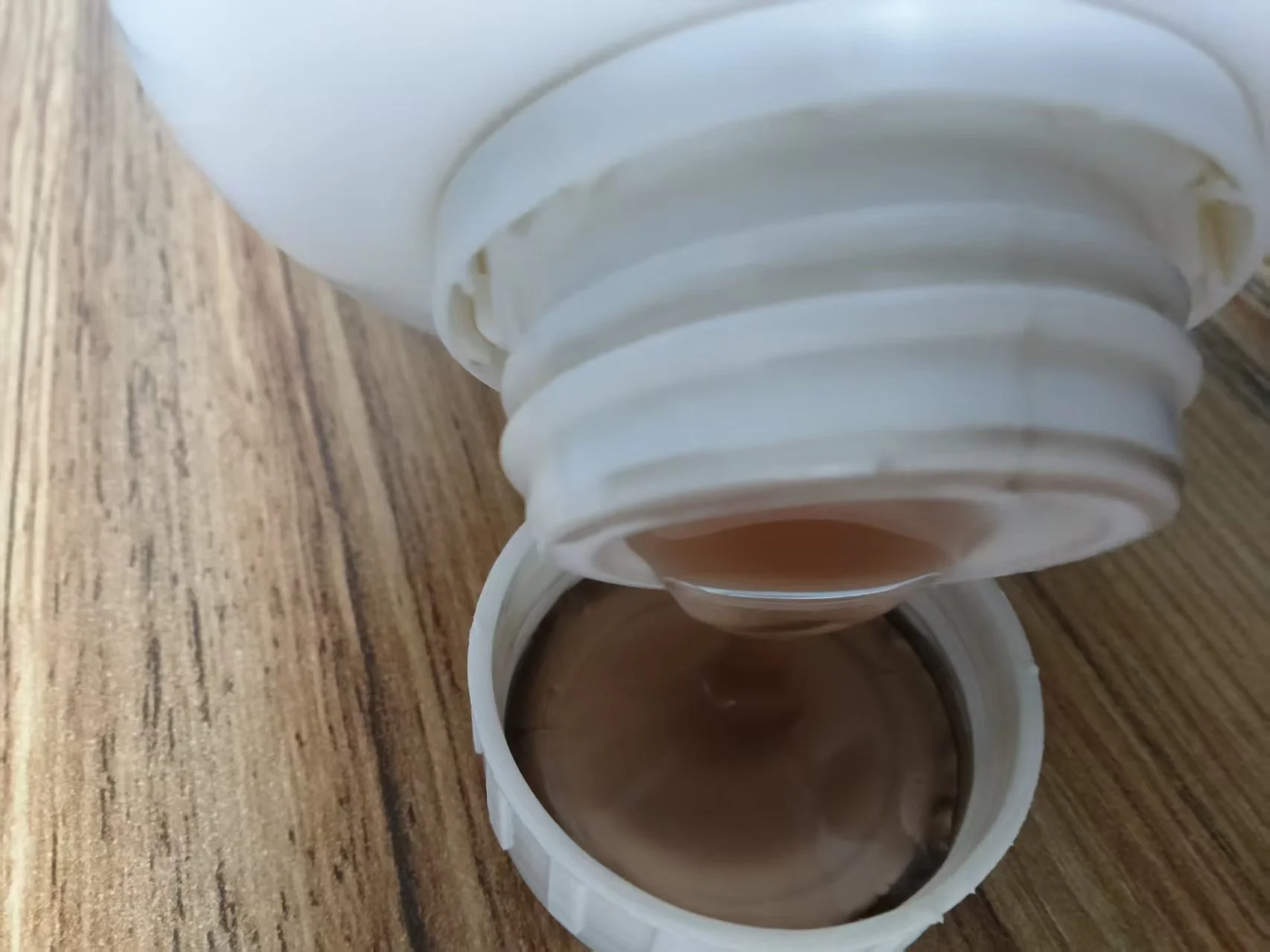
Climate extremes in Canada, ranging from humid summers to freezing winters, require a Sodium Lauryl Ether Sulfate that maintains chemical stability and viscosity throughout the logistics chain. This has led to a preference for concentrated grades like SLES 70% to reduce transportation costs across expansive geographic territories.

Moreover, the shift toward "Green Chemistry" in North America has pushed Canadian manufacturers to optimize their formulation processes, seeking materials that combine high foaming capacity with biodegradable profiles to satisfy the eco-conscious consumer base in cities like Toronto and Vancouver.
Evolution and Trajectory of SLES Manufacturing

From basic emulsifiers to precision-engineered molecular chains for the modern era.

Market Development History

In the late 20th century, the Canadian industry relied on basic bulk surfactants with minimal purity controls, focusing primarily on industrial degreasers and heavy-duty soaps.

Between 2005 and 2015, the transition toward specialized Cosmetics ingredients began. The industry moved from simple laureth sulfates to precision-ethoxylated versions to reduce skin irritation, aligning with Health Canada's evolving safety guidelines.

From 2016 to the present, the focus has shifted to "Low-Carbon Logistics," where the adoption of SLES 70% paste became the standard over diluted versions to minimize the carbon footprint during trans-continental shipping.

Future Development Trends

Bio-Based Feedstock Integration

Integration of sustainable palm kernel oil and Canadian forest-derived alcohols to create a fully renewable surfactant chain.

Ultra-Low 1,4-Dioxane Standards

Technological upgrades in vacuum stripping to meet the strictest North American purity levels for consumer safety.

Smart-Formulation Compatibility

Developing SLES variants that interact synergistically with botanical extracts common in premium Canadian skincare brands.

Industry Outlook and Strategic Forecast

Anticipating the shifts in raw material demand and regulatory frameworks in Canada.

Eco-Certified Sourcing
Increasing demand for RSPO-certified materials to align with Canada's net-zero emissions targets.
Concentration Optimization
The transition from 25% liquid to 70% paste to maximize storage efficiency in urban warehouses.
Dermatological Precision
Development of ultra-mild variants for the sensitive skin demographics in the North American market.
Supply Chain Resilience
Digital tracking of raw materials from forest pulp to final surfactant delivery.

Industry Outlook

Based on search trends and industrial data, we predict a 4.2% CAGR in the demand for high-purity Sodium Laureth Sulfate within the Canadian market over the next 3-5 years. This is driven by the expansion of local organic personal care brands.

The future will see a convergence of biotechnology and traditional chemical engineering, where the "forest-to-bottle" concept becomes a marketing standard for Canadian cosmetics manufacturers.

Localized Application Scenarios in Canada

Real-world implementations of SLES 70% across diverse Canadian industrial sectors.

01. Premium Canadian Shampoo Formulations

Utilizing SLES 70% as the primary foaming agent for professional hair care lines in Toronto, ensuring rich lather despite the use of mineral-rich local water.

02. Industrial Forestry Degreasers

Implementing high-concentration surfactant solutions for cleaning heavy machinery in the Alberta oil sands and BC forestry hubs.

03. Eco-Friendly Hand Soaps for Quebec

Creating biodegradable liquid soaps for the hospitality sector in Montreal, blending SLES with local botanical extracts for a mild skin feel.

04. Automotive Winter Wash Concentrates

Developing high-viscosity cleaning agents that remain stable at low temperatures for the Canadian winter automotive care market.

05. Specialized Cosmetic Cleansers

Formulating low-irritation facial cleansers for the luxury Cosmetics market in Vancouver, focusing on pH-balanced stability.

Brand Story

Global Development Journey of Shandong Zhongjin Chemical Co., Ltd.

Foundational Excellence

Established with a focus on high-purity chemical synthesis, we solved the early industry pain point of inconsistent viscosity in surfactant batches.

Technological Breakthrough

Developed a proprietary stripping process that reduced 1,4-Dioxane levels to industry-leading lows, opening doors to the North American market.

Global Expansion

Strategically expanded logistics to support Canadian manufacturers, providing a stable supply of SLES 70% to remote industrial zones.

Sustainability Pivot

Launched the "Green Chemistry" initiative, integrating bio-based raw materials to reduce the ecological footprint of forest-chemical products.

Future Vision

Aiming to become the primary partner for Canadian sustainable chemical manufacturing through innovation and rigorous quality control.

Complete Product Portfolio for the Canadian Market

A comprehensive range of surfactants designed for extreme climates and high-end applications.

Canadian Industry FAQ

Addressing the most common technical and regulatory queries from our Canadian partners.

What are the advantages of using SLES 70% in Canadian logistics?

Using a 70% concentration significantly reduces shipping volumes and costs across Canada's vast distances while minimizing the carbon footprint of transport.

How does Sodium Laureth Sulfate comply with Health Canada regulations?

Our SLES is produced under strict quality controls to ensure purity levels and low residual monomers, meeting all Canadian safety standards for personal care products.

Can this surfactant be used in cold-process manufacturing?

Yes, but SLES 70% usually requires heating for dilution. We provide technical guidance for optimizing heating cycles in cold Canadian warehouse environments.

Is the product biodegradable for use in forestry-rich regions?

Our Sodium Lauryl Ether Sulfate is designed for high biodegradability, making it suitable for applications in environmentally sensitive areas of Canada.

What is the ideal pairing for SLES in luxury Cosmetics?

For premium Canadian skincare, we recommend pairing SLES with Cocamidopropyl Betaine to reduce irritation and enhance foam creaminess.

How is the stability of the surfactant maintained during winter shipping?

We use specialized temperature-controlled packaging and high-stability formulations to prevent phase separation during transit in extreme Canadian winters.

Expert Chemical Support for Canada

Get in touch with our technical team to optimize your formulations with high-purity surfactants in Canada.

Contact Us Now

If you are interested in our products, you can choose to leave your information here, and we will be in touch with you shortly.

  • captcha