HighPerformance SLES 70 Solutions for Norway’s Industrial Sector

HighPerformance SLES 70 Solutions for Norway’s Industrial Sector

Premium SLES 70% Solutions for Norway's Industrial Sector

High-performance chemical raw materials engineered for the demanding standards of Northern Europe's manufacturing excellence.

Current Landscape of Forest-Based Chemical Manufacturing in Norway

Analyzing the synergy between Nordic raw materials and advanced surfactant technology.

Norway's chemical landscape is deeply intertwined with its vast forest resources and strict environmental regulations. The demand for a high-quality surfactant has grown as the country shifts toward bio-based chemistry, utilizing pulp and paper by-products to create sustainable industrial cleaners.

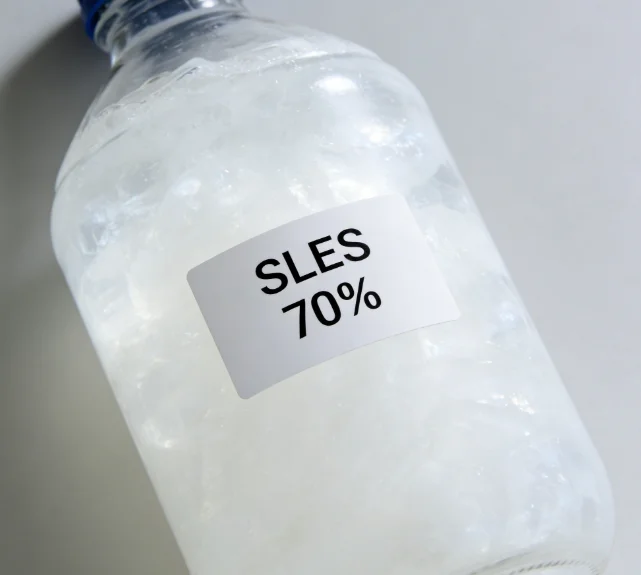
In the cold Nordic climate, the viscosity and stability of chemical agents are critical. The adoption of SLES 70% allows Norwegian manufacturers to reduce transportation costs and carbon footprints by importing concentrated forms that maintain efficacy in low temperatures.

Furthermore, the Norwegian market is characterized by a high preference for "Green Chemistry." This drives the need for Sodium Lauryl Ether Sulfate that meets rigorous REACH standards and EU ec labels, ensuring minimal aquatic toxicity in the fragile fjord ecosystems.
Evolution and Trajectory of Nordic Chemical Processing

From traditional soap boiling to high-precision molecular engineering.

Market Development History

Prior to the 1990s, the Norwegian market relied heavily on basic fatty acid soaps derived from fish oils and forest resins. The transition to synthetic detergents began in earnest during the late 20th century to meet the needs of the growing oil and gas sector.

Between 2000 and 2015, there was a significant shift toward ethoxylated surfactants. The introduction of standardized Sodium Laureth Sulfate allowed for better foam control and skin compatibility in the burgeoning domestic Cosmetics industry.

Since 2016, the focus has moved toward "Circular Chemistry," where forest-derived lignins are combined with high-purity surfactants to create biodegradable industrial agents that adhere to Norway's strict zero-emission goals.

Future Development Trends

Bio-Based Ethoxylation

Integration of bio-ethanol derived from forest waste to replace petroleum-based ethylene oxide in surfactant production.

Cold-Process Manufacturing

Development of low-energy mixing technologies that allow SLES 70% to be blended without high-heat requirements.

Hyper-Concentrated Formulations

A shift toward 80%+ active matter concentrates to further minimize logistical emissions across the Norwegian coastline.

Future Outlook for Norwegian Specialty Chemicals

Predicting the 3-5 year shift in surfactant demand and application.

Eco-Certified Raw Materials
Rising demand for RSPO-certified palm kernel oil bases in surfactant synthesis.
Biodegradability Index
Strict adherence to OECD 301B standards for rapid biodegradability in Arctic waters.
Digital Supply Chain
Real-time tracking of chemical purity and batch consistency via blockchain.
Low-Irritation Variants
Optimization of ethoxylation degrees to minimize skin sensitivity for premium cosmetics.

Industry Outlook

Google Search trends indicate a sharp increase in "sulfate-free" and "eco-surfactants" within the Nordic region. However, the efficiency of Sodium Lauryl Ether Sulfate remains unmatched for industrial applications, leading to a trend of "hybridization" where SLES is combined with bio-polymers.

The future will likely see a consolidation of chemical manufacturing around the "Blue Economy," focusing on chemicals that are not only biodegradable but actively neutralize pollutants in marine environments, a priority for the Norwegian government.

Localized Applications in Norway

Tailored chemical solutions for Nordic environmental and industrial challenges.

1. High-Latitude Cosmetics Production

Utilizing Cosmetics grade surfactants to create hydrating shampoos and body washes that protect skin from the harsh, dry Norwegian winter air.

2. Marine-Safe Degreasers for Shipping

Application of specialized surfactant blends for cleaning vessel hulls in Oslo and Bergen ports, ensuring rapid biodegradation in seawater.

3. Pulp and Paper Processing Agents

Integration of SLES 70% in the foaming and flotation stages of forest-product refining to increase pulp purity and yield.

4. Industrial Cold-Water Detergents

Engineering high-solubility Sodium Laureth Sulfate for industrial laundry systems that operate at low temperatures to save energy.

5. Oilfield Emulsion Breaking

Applying concentrated Sodium Lauryl Ether Sulfate as a critical component in oil-water separation processes within North Sea offshore platforms.

Brand Story

Global Development History of Shandong Zhongjin Chemical Co., Ltd.

Foundational Excellence

Established with a mission to solve the instability of industrial surfactants, we focused on high-purity synthesis and quality control.

Technical Breakthroughs

Developed a proprietary 70% concentration process that significantly reduced moisture content and improved logistical efficiency.

European Expansion

Strategically entered the European market by aligning our production with EU REACH regulations and Nordic environmental standards.

Sustainable Innovation

Launched a series of biodegradable surfactant lines to help our clients transition to green chemistry without sacrificing performance.

Global Leadership

Today, we are a trusted partner for the world's leading cosmetic and industrial brands, providing stability and purity at scale.

Complete Chemical Portfolio for the Norwegian Market

Comprehensive surfactant solutions designed for extreme conditions and high purity requirements.

Common Questions for Norway Industry

Technical and logistical guidance for sourcing surfactants in the Nordic region.

How does the purity of SLES 70% affect cosmetics formulations in cold climates?

High-purity SLES ensures consistent viscosity and prevents phase separation when formulated into creams or gels used in Norway's low-temperature environment.

Is Sodium Laureth Sulfate compliant with Norway's strict environmental laws?

Yes, our SLES is produced according to international quality standards and is compatible with EU REACH and Nordic Swan Ecolabel requirements.

What is the logistical advantage of using a 70% surfactant concentrate?

It minimizes shipping volume and water transport, reducing the carbon footprint and lowering logistics costs across Norway's complex geography.

How does Sodium Lauryl Ether Sulfate perform in hard water common in some Nordic regions?

SLES exhibits excellent hard-water tolerance, maintaining high foaming and cleaning power where traditional soaps might fail.

Can SLES 70% be integrated into bio-based forest product cleaners?

Absolutely. It serves as an ideal primary surfactant when combined with lignosulfonates or other forest-derived additives for synergistic cleaning.

What is the recommended storage temperature for concentrated surfactants in Norway?

We recommend storing in climate-controlled warehouses above 15°C to maintain ease of pumping and prevent crystallization of the concentrate.

Partner with the Surfactant Experts

Optimize your chemical supply chain in Norway with high-performance, sustainable solutions.

Contact Us Now

If you are interested in our products, you can choose to leave your information here, and we will be in touch with you shortly.

  • captcha