HighPerformance SLES 70 Solutions for Sweden’s Manufacturing

HighPerformance SLES 70 Solutions for Sweden’s Manufacturing

High-Performance SLES 70% Solutions for Sweden's Manufacturing

Premium grade chemical raw materials engineered for the demanding standards of the Swedish cosmetics and personal care industry.

High-Performance SLES 70% Solutions for Sweden's Manufacturing

Delivering superior foaming and cleaning properties through advanced surfactant technology tailored for the Nordic market.

Chemical Manufacturing Landscape in Sweden

Analyzing the integration of forest-based chemistry and industrial surfactants.

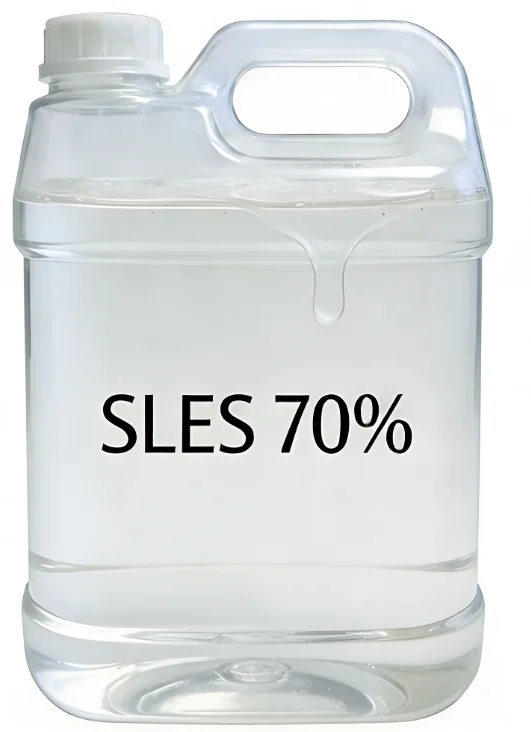
Sweden represents a unique intersection of rich forestry resources and high-tech chemical engineering. In the realm of forest product chemistry, the demand for high-purity Sodium Laureth Sulfate is driven by a sophisticated consumer base that prioritizes skin compatibility and environmental safety.

The local market is characterized by a strict adherence to EU REACH regulations and a strong push toward "Green Chemistry." This environment requires SLES 70% that maintains consistency even in the varied temperature profiles of Northern Europe, ensuring stability during transport and storage.

Furthermore, Swedish manufacturers are increasingly integrating bio-based feedstocks with traditional synthetics. This shift has positioned the region as a leader in sustainable Cosmetics production, where the efficiency of the raw material directly impacts the carbon footprint of the final product.
Evolution of Surfactant Technology in Sweden

From basic detergents to precision molecular engineering.

Market Development History

In the 1980s and 90s, the Swedish market relied heavily on basic anionic surfactants. The focus was primarily on industrial cleaning power, with limited regard for the long-term dermatological impact of harsh chemicals.

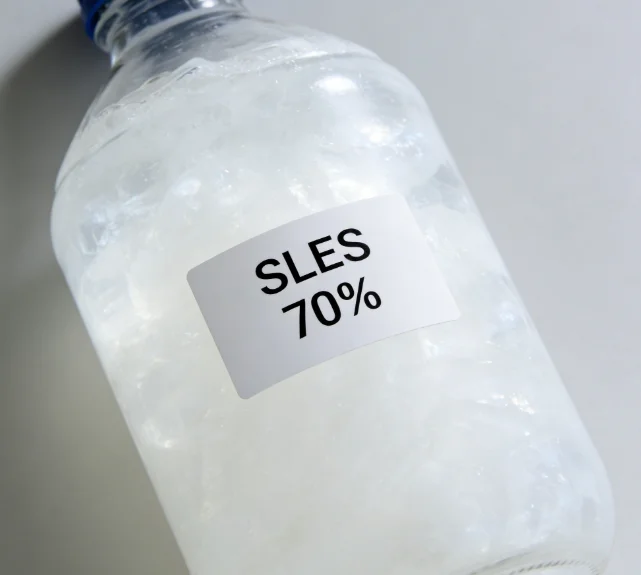
Between 2000 and 2015, a significant pivot occurred toward ethoxylation. The adoption of Sodium Lauryl Ether Sulfate became widespread as manufacturers sought a milder alternative that didn't sacrifice the rich lather required for premium personal care products.

From 2016 to the present, the focus has shifted to "Ultra-Pure" grades. The removal of 1,4-dioxane and the optimization of the 70% paste concentration have become the industry standard to reduce shipping volumes and environmental impact.

Future Development Trends

Circular Feedstock Integration

Moving toward 100% renewable carbon sources derived from Sweden's vast timber industry, blending forest chemistry with synthetic efficiency.

Low-Energy Processing

Implementation of cold-process blending techniques to reduce the energy required to dilute concentrated pastes into final formulas.

Biodegradability Optimization

Engineering molecules that break down faster in cold-water aquatic environments, specifically targeting the Baltic Sea ecosystem.

Industry Outlook and Future Projections

Strategic directions for the next 3-5 years in the Nordic chemical sector.

Eco-Certified Sourcing
Increased demand for RSPO certified palm kernel oil derivatives to meet Nordic sustainability labels.
Concentrate Logistics
Shift toward 70% concentrations to minimize transport emissions across the Swedish archipelago.
Precision Ethoxylation
Adoption of narrow-range ethoxylation to reduce skin irritation and improve clarity in gels.
AI-Driven Formulation
Using machine learning to optimize surfactant ratios for specific Swedish water hardness levels.

Industry Outlook

Based on Google search trends in Northern Europe, there is a rising trajectory for "Sulfate-Free" claims, yet the industrial demand for high-efficiency surfactant systems remains robust due to their unmatched cost-to-performance ratio.

The future will see a hybrid approach where synthetic performance is coupled with bio-based stability, ensuring that Sweden remains a global hub for specialized chemical manufacturing and forest-derived product innovation.

Localized Application Scenarios in Sweden

Practical implementations of SLES in the Swedish industrial and consumer landscape.

1. Premium Nordic Personal Care

Integration into high-end shampoos and body washes designed for the dry Swedish winter, where moisture retention and mild cleansing are critical.

2. Eco-Friendly Household Detergents

Formulating concentrated dish soaps that maintain high efficacy in low-temperature water, common in energy-efficient Swedish homes.

3. Industrial Forest-Product Degreasers

Utilizing SLES 70% as a primary emulsifier in cleaning agents for pulp and paper mill equipment.

4. Specialized Automotive Care

Developing snow-removing car wash foams that are biodegradable and safe for the sensitive Swedish roadside ecosystems.

5. Pharmaceutical Grade Cleansers

Serving the Swedish medical sector with high-purity surfactants for surgical hand scrubs and antiseptic foams.

Brand Story

Global Development Journey of Shandong Zhongjin Chemical Co., Ltd.

Industrial Foundation

Established as a focused manufacturer, bridging the gap between raw chemical synthesis and industrial application.

Technical Breakthrough

Perfecting the 70% concentration paste to ensure zero-defect stability for international shipping.

Global Expansion

Expanding into the European market, specifically tailoring purity levels to meet stringent Swedish and Nordic standards.

Sustainability Pivot

Investing in green supply chains to ensure that every ton of product supports a sustainable future.

Market Leadership

Becoming a trusted partner for leading Cosmetics brands across Sweden and Europe.

Sweden Market FAQ

Expert answers to common technical and logistical questions.

How does SLES 70% perform in cold Swedish climates?

Our SLES 70% is engineered for stability; however, we recommend controlled heating during the dilution process in winter to ensure a homogeneous mixture.

Is your Sodium Laureth Sulfate compliant with EU REACH?

Yes, all our exports to Sweden are fully REACH compliant, ensuring the highest safety and environmental standards for the European market.

What is the optimal dilution ratio for high-end cosmetics?

Depending on the viscosity required, most Swedish Cosmetics manufacturers dilute the 70% paste to a 25-30% active solution for ease of blending.

How do you minimize 1,4-dioxane levels in Sodium Lauryl Ether Sulfate?

We employ advanced vacuum stripping and precision ethoxylation to keep 1,4-dioxane levels well below the strict thresholds required by Nordic regulators.

Can this surfactant be used in biodegradable forest-based cleaners?

Absolutely. Our product acts as an excellent synergistic agent when blended with bio-surfactants derived from Swedish timber chemistry.

What are the lead times for bulk shipments to Gothenburg port?

We optimize our logistics chain to provide competitive lead times, ensuring a steady supply of raw materials to Swedish manufacturing hubs.

Consult Our Technical Experts

Ready to optimize your chemical supply chain in Sweden? Contact us for tailored formulations and bulk pricing.

Contact Us Now

If you are interested in our products, you can choose to leave your information here, and we will be in touch with you shortly.

  • captcha