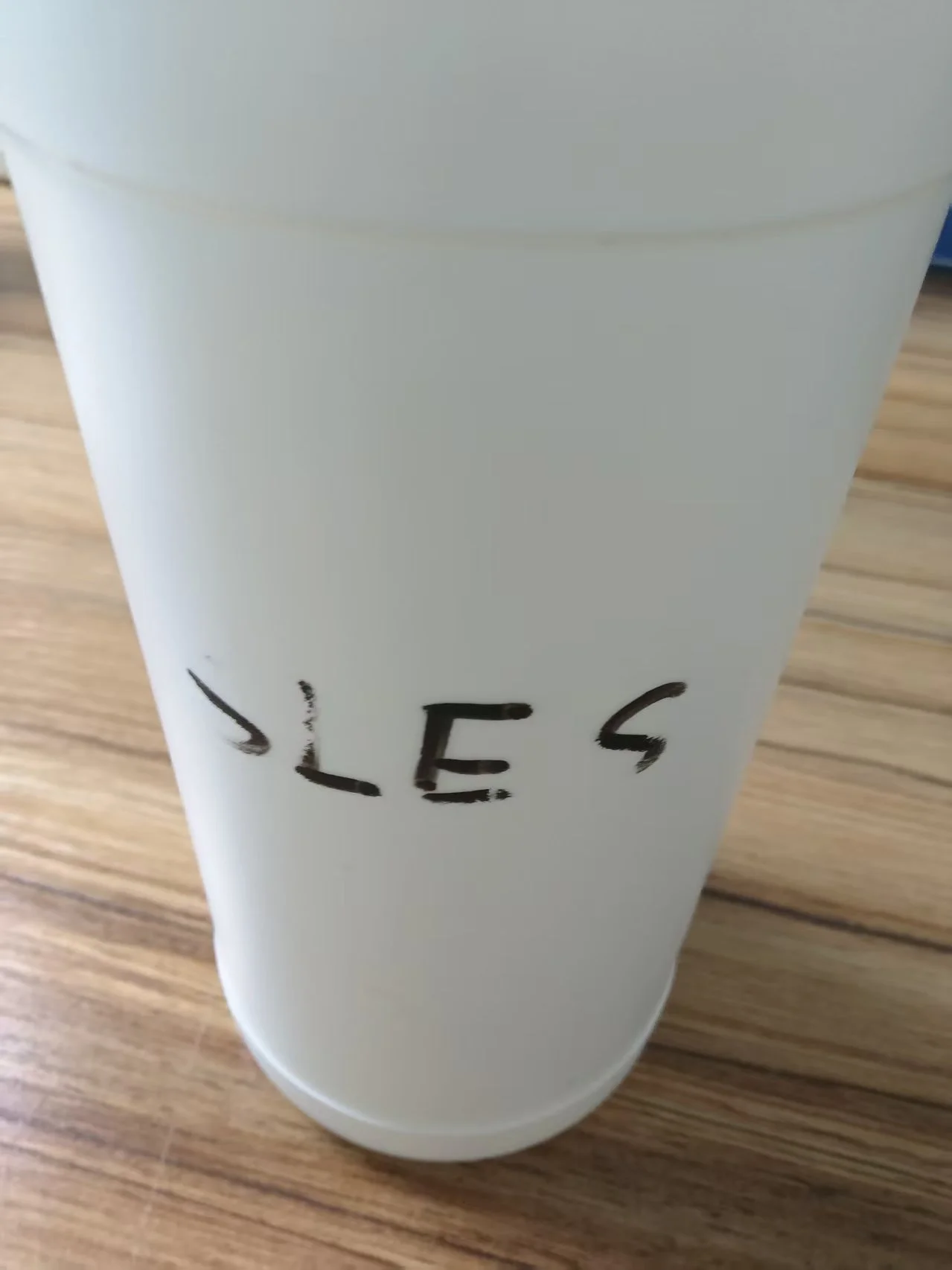
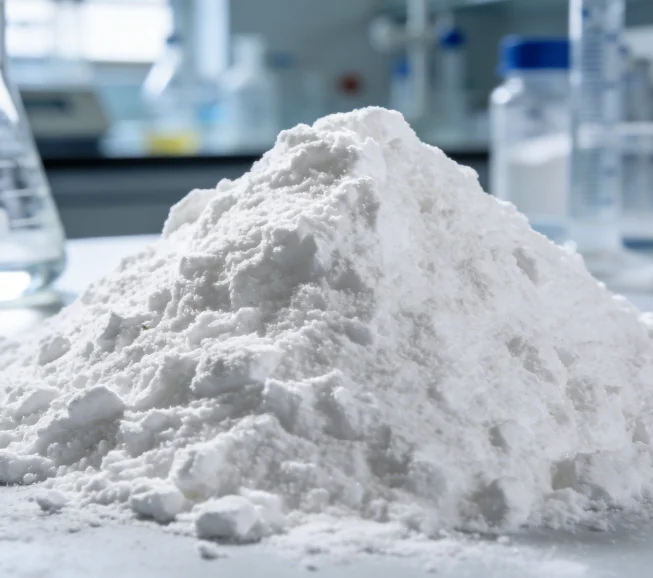
Premium SLES 70 Solutions for Sri Lanka’s Industrial Growth

Premium SLES 70 Solutions for Sri Lanka’s Industrial Growth

Premium SLES 70% Solutions for Sri Lanka's Industrial Growth

Driving the excellence of the Sri Lankan personal care and industrial cleaning sector with high-performance chemical surfactants.

Premium SLES 70% Solutions for Sri Lanka's Industrial Growth

We provide world-class Sodium Lauryl Ether Sulfate designed to meet the rigorous demands of the Asian manufacturing market, ensuring stability and superior foaming properties.

Chemical Manufacturing Landscape in Sri Lanka

Analyzing the current state of the surfactant and forestry-based chemical industry in the island nation.

Sri Lanka's chemical sector is currently navigating a transition toward higher efficiency. The demand for a high-quality surfactant has spiked due to the growth of local FMCG brands that require stable raw materials to maintain product consistency despite the humid tropical climate.

The local industry heavily relies on imported specialized chemical products to support the production of household cleaners and personal care items. With a growing focus on cost-optimization, the shift toward concentrated forms like 70% active matter is becoming the standard for Sri Lankan manufacturers to reduce logistics costs.

Furthermore, the integration of forestry-derived chemical products is gaining momentum as the region seeks to balance industrialization with environmental sustainability, pushing the demand for high-purity ingredients in Cosmetics and detergents.
Evolution of Surfactant Technology in Asia

From traditional soap bases to advanced synthetic ethoxylates.

Market Development History

In the early 2000s, the Sri Lankan market primarily used basic soap-based surfactants. However, by 2010, there was a significant shift toward synthetic detergents, introducing the widespread use of Sodium Laureth Sulfate to achieve better solubility and skin compatibility.

Between 2015 and 2020, the industry witnessed a technological iteration where manufacturers moved from low-concentration liquids to the high-viscosity SLES 70% paste, allowing for more precise formulation control and reduced shipping volumes.

Currently, the trajectory is moving toward "Green Chemistry," where the purity of the ethoxylation process is scrutinized to minimize 1,4-dioxane levels, aligning with international safety standards for the Asian export market.

Future Development Trends

Eco-Friendly Ethoxylation

Integration of bio-based catalysts to reduce the carbon footprint of surfactant production.

Concentrated Formulations

A move toward ultra-concentrated raw materials to combat rising freight costs in the Indian Ocean region.

Dermatological Optimization

Developing milder versions of surfactants to meet the rising demand for sensitive-skin care products in South Asia.

Industry Trends and Future Outlook

Forecasting the trajectory of specialty chemical manufacturing for the next 5 years.

Sustainable Sourcing
Increased reliance on RSPO certified palm kernel oil for all surfactant chains.
Digital Supply Chain
Implementing AI-driven demand forecasting to stabilize chemical inventories in Sri Lanka.
Customized Viscosity
Developing specific grade SLES for varyied humidity levels in South Asian regions.
Regulatory Alignment
Adapting products to meet the emerging Sri Lankan environmental protection agency guidelines.

Industry Outlook

Based on Google search trends, there is a growing interest in "sulfate-free" alternatives, but the sheer cost-efficiency of Sodium Lauryl Ether Sulfate ensures it will remain the backbone of the Sri Lankan detergent market for at least the next 5 years.

We predict a convergence where high-purity chemical manufacturing meets localized application, allowing Sri Lankan firms to export their finished Cosmetics to the broader Asian market.

Localized Application Scenarios in Sri Lanka

Practical implementations of our chemical solutions in the regional market.

01. Colombo Urban Hygiene Products

Utilizing high-foaming surfactants for the production of liquid hand soaps in densely populated urban areas where hygiene standards are rapidly increasing.

02. Kandy Herbal Cosmetics Integration

Combining traditional Ayurvedic extracts with Sodium Laureth Sulfate to create modern shampoos that retain traditional benefits.

03. Galle Coastal Tourism Cleaning Services

Developing industrial-strength degreasers for hotel and resort maintenance in coastal regions, requiring high stability against saline air.

04. Industrial Textile Processing in Free Trade Zones

Applying wetting agents in the garment industry for more efficient fabric pretreatment and dyeing processes.

05. Rural Agricultural Detergents

Formulating cost-effective cleaning agents for agricultural machinery that require powerful emulsification properties.

Brand Story

Global Development Journey of Shandong Zhongjin Chemical Co., Ltd.

Foundational Excellence

Established with a focus on high-purity chemical synthesis, solving the pain point of raw material inconsistency in early manufacturing.

Technological Breakthrough

Perfected the ethoxylation process for SLES 70%, ensuring ultra-low impurities and high active content.

Global Market Expansion

Extended our supply chain to Asia, specifically targeting the emerging industrial hubs in Sri Lanka and India.

Sustainable Innovation

Invested in green chemistry to provide the surfactant industry with environmentally responsible alternatives.

Future-Ready Partnership

Now serving as a strategic partner for cosmetics and detergent brands worldwide through reliability and precision.

Complete Product Portfolio for the Sri Lankan Market

A comprehensive range of chemical agents tailored for the Asian manufacturing environment.

Common Inquiries for Chemical Sourcing in Sri Lanka

Technical answers regarding surfactant procurement and application.

How does SLES 70% maintain stability in Sri Lanka's humid climate?

Our SLES 70% is formulated to resist phase separation, provided it is stored in a cool, dry environment. The high concentration reduces the water content, naturally increasing stability against microbial growth compared to diluted versions.

Is Sodium Laureth Sulfate suitable for organic-certified cosmetics in Asia?

While Sodium Laureth Sulfate is a synthetic surfactant, we provide documentation on its purity and ethoxylation process to help manufacturers comply with local regulatory standards for Cosmetics.

What is the difference between SLS and Sodium Lauryl Ether Sulfate?

The primary difference is the ethoxylation process. Sodium Lauryl Ether Sulfate is generally milder on the skin than SLS, making it the preferred choice for personal care products in the Sri Lankan market.

How to properly dilute a 70% surfactant paste for liquid soap?

Dilution should be done gradually with deionized water under slow agitation to avoid excessive aeration. Heating the paste slightly can facilitate a smoother mixing process for consistent viscosity.

What are the shipping requirements for bulk SLES to Sri Lanka?

Bulk shipments are typically handled in drums or IBC tanks. We ensure that all packaging is moisture-proof and compliant with international maritime dangerous goods (IMDG) codes for safe transit to Colombo port.

Can this surfactant be used in hard water areas of Sri Lanka?

Yes, unlike traditional soaps, our surfactants maintain excellent foaming and cleaning performance even in hard water conditions, which is critical for consistent product quality across different regions of the country.

Ready to Optimize Your Production?

Contact our technical team today for customized chemical solutions and bulk supply chain support in Sri Lanka.

Contact Us Now

If you are interested in our products, you can choose to leave your information here, and we will be in touch with you shortly.

  • captcha