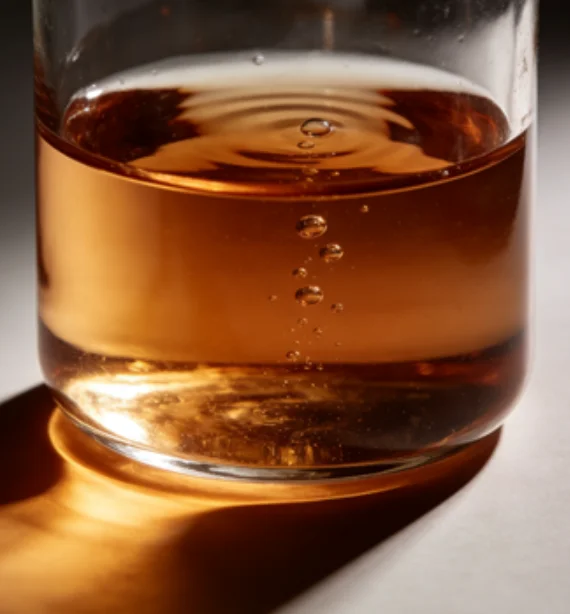
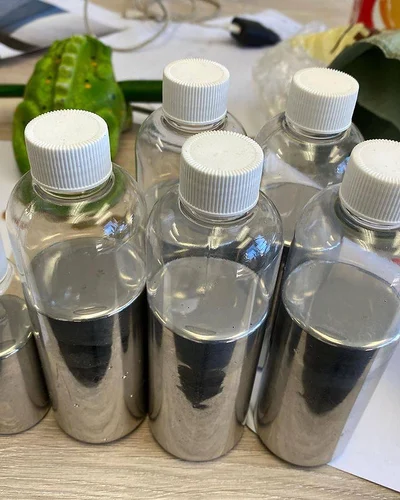
Premium SLES 70 Solutions for Uganda’s Industrial Growth

Premium SLES 70 Solutions for Uganda’s Industrial Growth

Premium SLES 70% Solutions for Uganda's Industrial Growth

Empowering Ugandan manufacturers with high-performance surfactants to revolutionize the local cosmetics and detergent sectors.

Premium SLES 70% Solutions for Uganda's Industrial Growth

Providing the backbone of cleaning technology to Uganda, our high-purity raw materials ensure stability, foam density, and cost-efficiency for local producers.

Current Landscape of Chemical Manufacturing in Uganda

Analyzing the demand for advanced surfactant technology in the East African hub.

Uganda's manufacturing sector is currently experiencing a shift toward localized production of fast-moving consumer goods. The humid tropical climate and expanding urban centers in Kampala and Entebbe have surged the demand for high-quality Cosmetics and hygiene products, creating a critical need for stable raw material supply chains.

However, many local producers struggle with inconsistent raw material purity, which affects the viscosity and shelf-life of the final products. The reliance on imported Sodium Laureth Sulfate has historically been plagued by logistical delays and fluctuating quality standards from diverse sources.

Currently, there is a strategic move toward adopting industrial-grade concentrates like SLES 70% to reduce shipping costs and storage footprints, allowing Ugandan SMEs to scale their production of soaps and shampoos more efficiently.
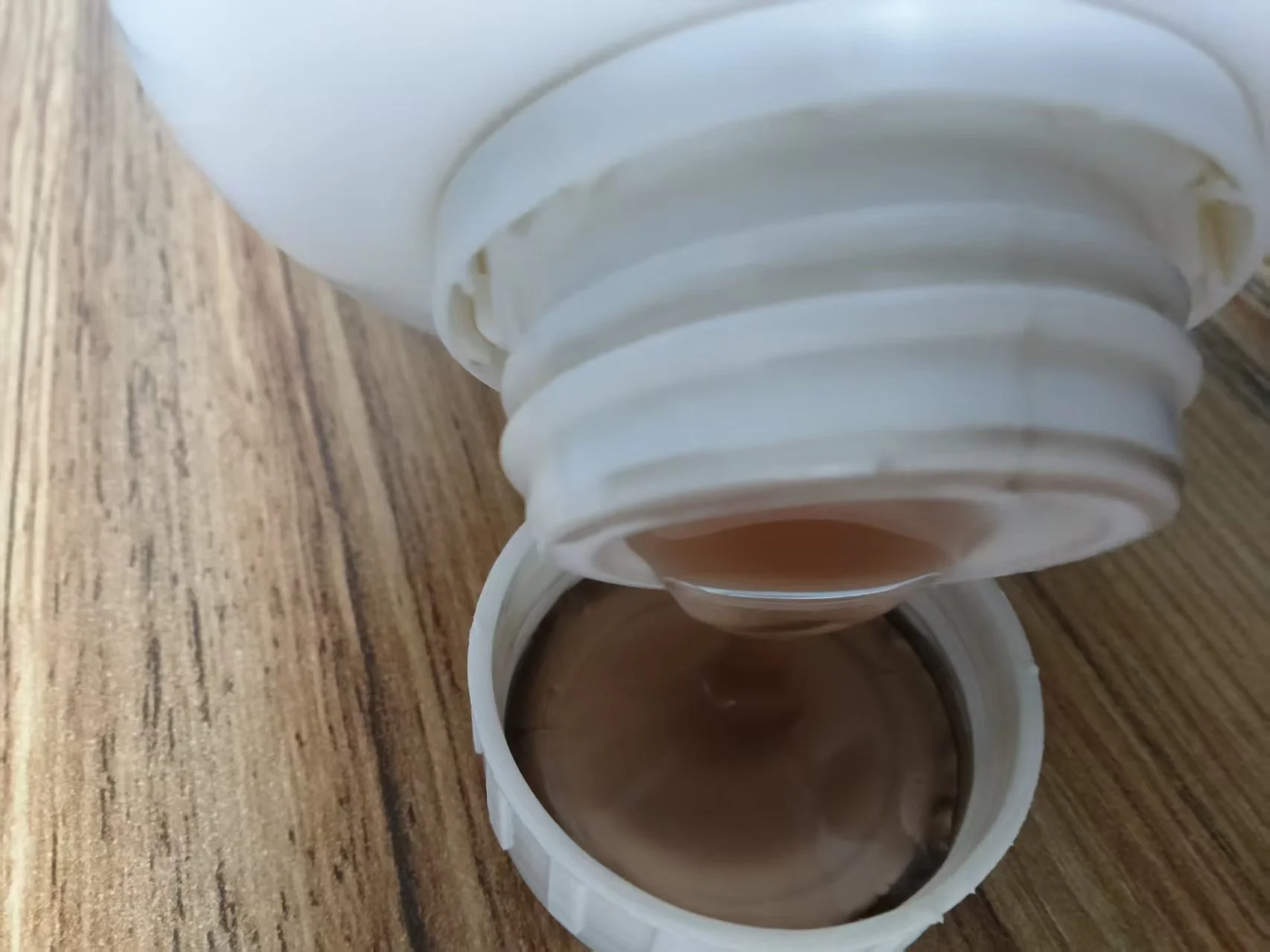
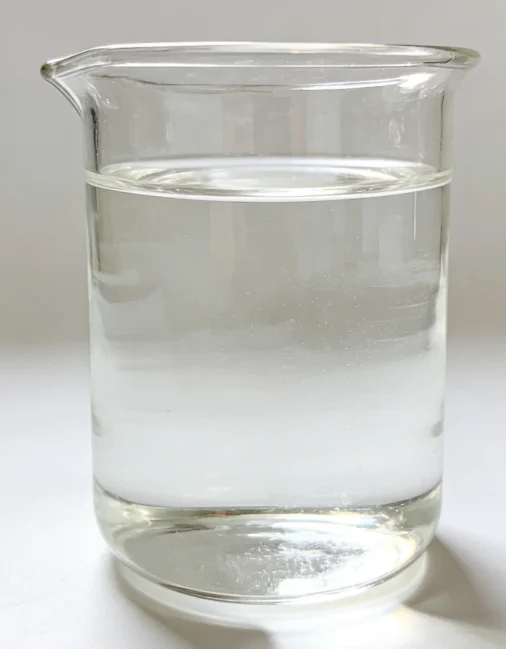
Evolution of Surfactant Technology in East Africa

Tracing the transition from traditional soap making to advanced chemical synthesis.

Market Development History

In the early 2000s, the Ugandan market relied heavily on basic soap bars produced from crude oils and caustic soda. The technical approach was primitive, focusing on basic cleansing without the refined foam profiles seen in modern products.

Between 2010 and 2020, the introduction of Sodium Lauryl Ether Sulfate marked a pivotal shift. Manufacturers began transitioning to liquid detergents and shampoos, requiring more sophisticated ethoxylation processes to ensure skin compatibility and foaming stability.

From 2021 to the present, the industry has evolved toward "precision chemistry." The focus has shifted from mere availability to the optimization of active matter content, where high-concentration pastes are preferred to maximize manufacturing throughput.

Future Development Trends

Eco-Friendly Ethoxylation

A shift toward biodegradable surfactant variants to meet emerging environmental regulations in the Great Lakes region.

Concentrated Formulation Adoption

Increased adoption of 70% active matter pastes to minimize carbon footprints during transport from global ports to landlocked Uganda.

Diversification of Cosmetic Grades

Expansion from basic cleaning agents to specialized mild-grade sulfates for the growing organic skin-care market in Uganda.

Industry Trends and Strategic Outlook

Forecasting the next 3-5 years of chemical raw material demand in Uganda.

Supply Chain Localization
Reducing lead times for SLES 70% through strategic regional warehousing.
Quality Standardization
Implementation of E-E-A-T compliant purity standards for Sodium Laureth Sulfate.
Product Diversification
Expanding into high-end Cosmetics grade surfactants for luxury skincare.
Digitalized Sourcing
Moving toward B2B digital procurement for the surfactant supply chain.

Industry Outlook

Based on Google search trends for "detergent raw materials in Africa," there is a significant increase in queries related to cost-optimization and high-concentration chemicals. We predict that the Ugandan market will shift entirely toward SLES 70% to mitigate the rising costs of freight and logistics.

Furthermore, the integration of forest-based chemical derivatives will likely merge with synthetic surfactant production, creating a hybrid approach to "Green Chemistry" that appeals to the environmentally conscious Ugandan youth demographic.

Localized Application Scenarios in Uganda

Real-world integration of SLES into Uganda's diverse manufacturing landscape.

1. High-Foam Liquid Dishwashers for Urban Households

Utilizing SLES 70% to create high-viscosity dish soaps that are effective against heavy grease, specifically tailored for the culinary habits of urban Kampala.

2. Mild Baby Shampoo Formulations

Integrating high-purity Sodium Laureth Sulfate to ensure a tear-free, low-irritation experience for the expanding infant care market in Uganda.

3. Industrial Degreasers for Logistics Hubs

Developing powerful surfactant blends for vehicle cleaning in Uganda's transport sector, focusing on removing red soil and dust residues.

4. Luxury Hand Wash for Hospitality

Supplying the tourism sector in Jinja and Entebbe with premium Cosmetics base materials to create moisturizing and aromatic hand soaps.

5. Budget-Friendly Laundry Detergents

Optimizing the ratio of Sodium Lauryl Ether Sulfate to provide maximum cleaning power at a low cost per liter for rural Ugandan markets.

Brand Story

Global Development Journey of Shandong Zhongjin Chemical Co., Ltd.

Foundation of Excellence

Established with a vision to solve the purity crisis in industrial surfactants, we began by refining the synthesis of ethoxylated alcohols.

Technological Breakthrough

We perfected the 70% concentration paste, eliminating the need for excessive water transport and reducing global shipping costs.

Entering African Markets

Identifying the growth potential in Uganda, we tailored our logistics and packaging to support African SME manufacturers.

Quality Certification

Achieved global standards for safety and efficacy, ensuring our raw materials meet the strictest cosmetic regulations worldwide.

Future Sustainability

Committed to developing bio-based surfactants that empower Uganda's green industrial revolution.

Comprehensive Chemical Portfolio for Uganda

A curated selection of high-performance raw materials for every detergent and cosmetic application.

Uganda Market FAQ

Expert answers to common technical and logistical questions in the Ugandan chemical sector.

What is the advantage of using SLES 70% over liquid grades in Uganda?

The 70% paste significantly reduces freight costs and storage space, which is crucial for landlocked Uganda, while providing a higher concentration of active surfactant.

How does Sodium Laureth Sulfate affect the viscosity of local cosmetics?

It acts as a primary foaming agent that, when combined with salt (NaCl), allows manufacturers to precisely control the thickness and "premium feel" of shampoos and body washes.

Is Sodium Lauryl Ether Sulfate safe for sensitive skin products?

Yes, through the ethoxylation process, the irritation potential is significantly lower than that of SLS, making it ideal for the Ugandan skincare market.

What are the typical lead times for surfactant shipments to Kampala?

Depending on the shipping route through Mombasa or Dar es Salaam, lead times vary, but our optimized logistics chain ensures consistent availability for Ugandan producers.

Can SLES 70% be used in industrial-grade cleaners?

Absolutely. Its powerful emulsifying properties make it an excellent base for heavy-duty degreasers used in Ugandan automotive and factory maintenance.

How do I ensure the stability of my Cosmetic formulation in Uganda's heat?

By using high-purity SLES and appropriate stabilizers, you can prevent phase separation and maintain foam consistency even in high-temperature environments.

Ready to Scale Your Production?

Partner with the leading surfactant experts to optimize your chemical supply chain in Uganda.

Contact Us Now

If you are interested in our products, you can choose to leave your information here, and we will be in touch with you shortly.

  • captcha