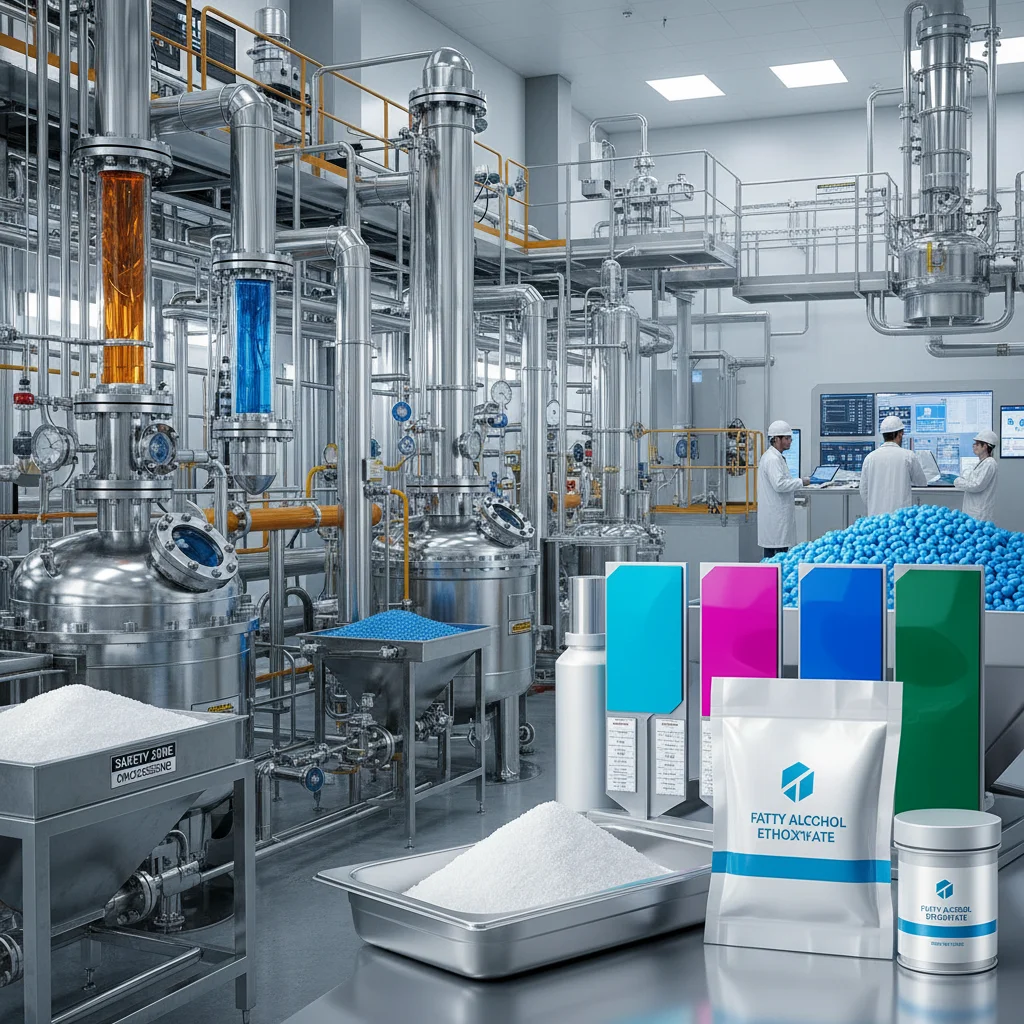
To be honest, things are changing fast these days. Everyone's talking about sustainability, right? Less carbon footprint, recyclable materials… It’s all well and good, but on the ground, you quickly find out that "eco-friendly" doesn't always mean "easy to work with." I mean, have you noticed how many new materials are coming out claiming to be the next big thing? Most of them end up being a headache.
The biggest trend I’m seeing is definitely this push for prefabrication. More stuff assembled off-site, shipped in modules. Sounds great in theory, less mess, faster build times. But it puts a lot more pressure on the initial design. Get that wrong, and you're looking at a world of problems on site trying to make it fit. And trust me, I've seen plenty of 'fast build' projects turn into expensive, drawn-out disasters.
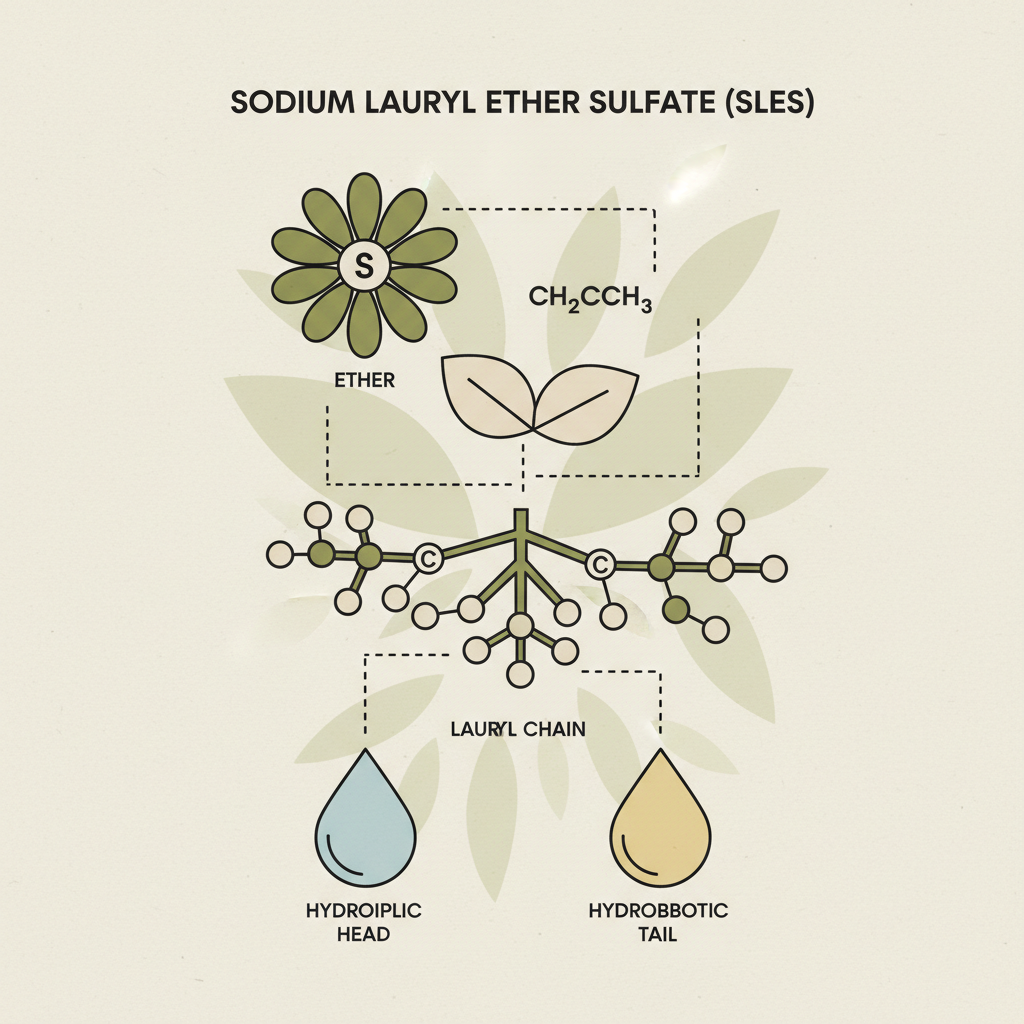
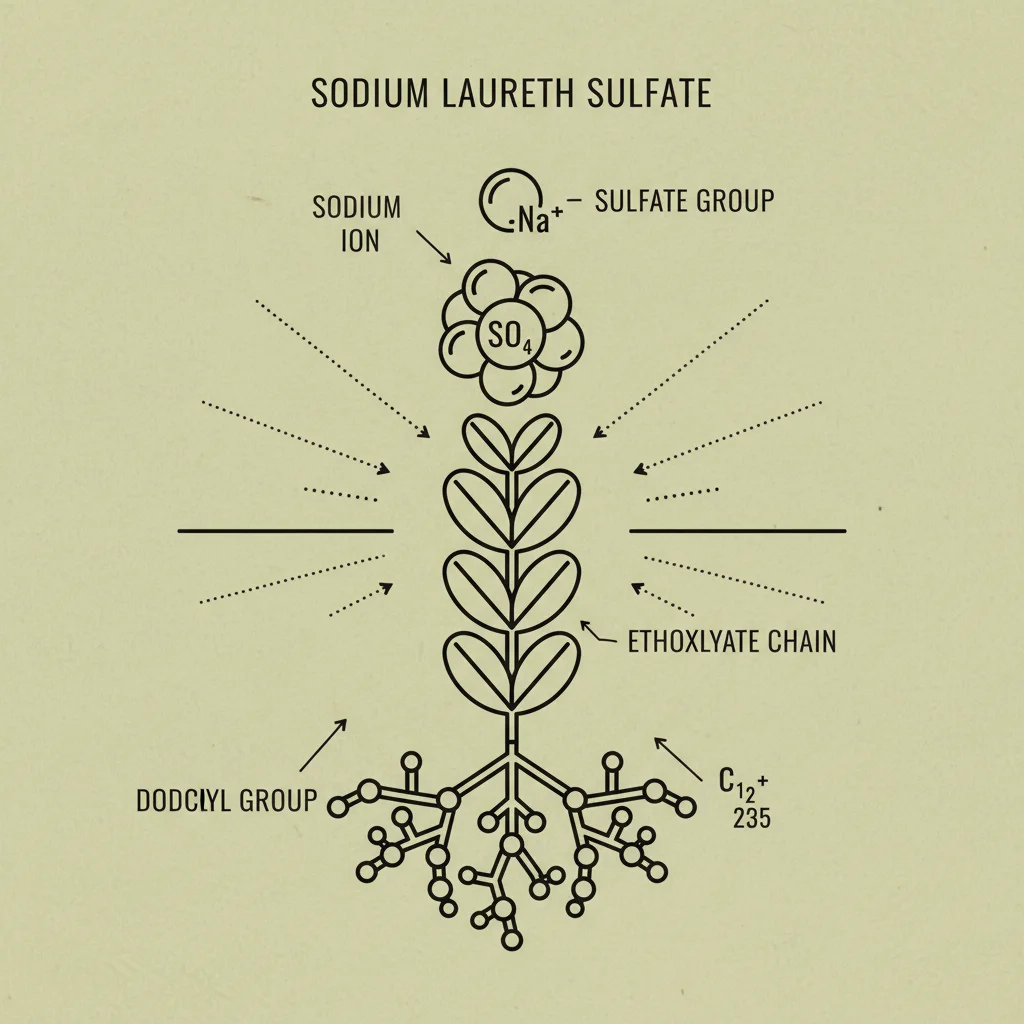
This stuff with Sodium Lauryl Ether Sulfate… it's creeping into more applications than you’d think. It's not just about cleaning anymore. We’re seeing it used in formulating some of these new concrete admixtures, believe it or not. Helps with workability, reduces surface tension… makes the concrete flow better. I encountered this at a factory in Jiangsu province last time, they were bragging about how much it improved their self-compacting concrete. Smells a bit funny though, kinda chemical-y. Not like the old days when all concrete smelled the same.
The Current Industry Landscape
Strangely enough, the demand for stuff that looks good is almost as high as the demand for stuff that works. Clients want smooth finishes, complex geometries… and they want it cheap. It's a constant balancing act. And with Sodium Lauryl Ether Sulfate showing up in more and more formulations, you're seeing a definite shift towards materials that are easier to manipulate and give a better final product. It’s about aesthetics as much as engineering these days.
Prefabrication is huge, I mentioned that. But so is this whole thing with "smart materials." Things that react to changes in temperature, or stress, or… well, whatever. Sodium Lauryl Ether Sulfate doesn’t fall directly into that category, but it facilitates the use of these fancier materials by making them more manageable during the production process. Makes a difference, it really does.
Design Pitfalls and Common Mistakes
Look, I've seen designs that are beautiful on paper but completely impractical to build. Too much detail, too many tight tolerances, not enough thought given to how the thing will actually be assembled. The biggest mistake? Ignoring the limitations of the materials. Assuming everything will just… cooperate. And with something like Sodium Lauryl Ether Sulfate, if you don't get the dosage right in a concrete mix, it can seriously mess with the set time and strength. It's not something you can just throw in and hope for the best.
Another common issue is over-engineering. Trying to make something bulletproof when it only needs to withstand normal wear and tear. Drives up costs, adds unnecessary weight, and makes the whole thing more complicated to build. Simplicity is key, always.
And don’t even get me started on drawings that aren't to scale. Seriously, it’s 2024. Get a proper CAD system and learn how to use it! I had a contractor yelling at me for an hour last week because the dimensions on a blueprint were off by a centimeter. A centimeter! It sounds small, but it threw everything off.
Material Properties and Handling
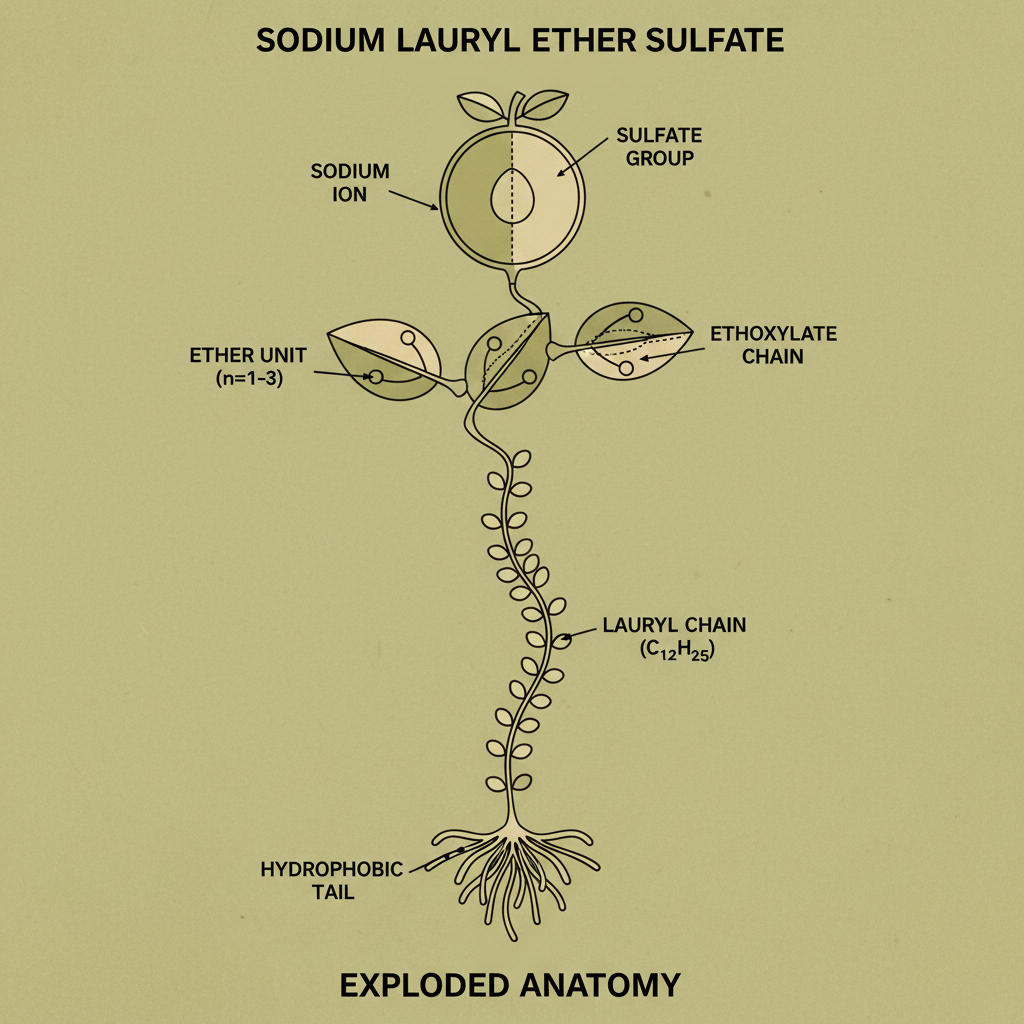
Sodium Lauryl Ether Sulfate itself... well, it's a surfactant, right? Means it reduces surface tension. Which is why it's good in concrete, helps it flow and fill voids. Feels kinda slippery when you get it on your hands, and has that faint chemical smell I mentioned. You gotta wear gloves when handling it, though. Not because it’s dangerous, just because it's unpleasant.
The concrete mixes it goes into? That's where things get interesting. You've got different types of cement, different aggregates, different admixtures… It's a complex system. You can change the mix slightly, add a bit more of this or less of that, and get a completely different result. It's an art as much as a science, honestly. And you learn it by getting your hands dirty. Literally.
And the raw materials themselves… the quality varies. I’ve seen aggregates that are contaminated with clay, cement that’s clumpy and doesn't mix properly. It all affects the final product. You have to be vigilant, inspect everything, and reject anything that doesn't meet your standards.
Real-World Testing and Performance
Lab tests are fine, but they don't tell you the whole story. You need to see how things perform in the real world, under actual conditions. I’ve seen concrete mixes that passed all the lab tests but cracked and crumbled after a single winter. It's about long-term durability, resistance to freeze-thaw cycles, exposure to chemicals… things you can’t easily simulate in a lab.
We do a lot of on-site testing, things like slump tests to measure workability, compressive strength tests to see how much load the concrete can handle. But we also just… look at things. Does the concrete look right? Does it feel solid? You develop a sense for it after years of doing this.
Concrete Mix Performance with Varying SLES Dosage
User Behavior and Unexpected Applications
Users… they always find a way to use things differently than you intended. I’ve seen contractors use concrete mixes as fill material when they were clearly designed for structural applications. It’s frustrating, but you can't control everything. You just have to make sure they have the information they need to use the product correctly.
And strangely, we've had a few requests for concrete mixes that are specifically designed to be colored. Apparently, there's a big market for decorative concrete these days. People want colorful patios, driveways, pool decks… Who knew?
Advantages, Disadvantages, and Customization
The advantage of using Sodium Lauryl Ether Sulfate in these applications is pretty clear: it improves workability, reduces water demand, and gives a better final product. But it's not a miracle cure. It can also increase the risk of air entrainment, which can reduce strength. And it's not cheap.
Customization? Absolutely. We can tailor the mix to meet specific requirements. Last month, that small boss in Shenzhen who makes smart home devices insisted on changing the interface to Type-C, and the result was a nightmare trying to get the electrical connections to work. Anyway, similar situation with the concrete. A client needed a mix that would set quickly in cold weather, so we adjusted the SLES dosage and added a different type of accelerator. It worked, but it cost a fortune.
A Customer Story: The Type-C Debacle
That guy in Shenzhen… his name was Li Wei. He was making these fancy smart thermostats. Obsessed with design, this guy. Insisted on everything being the latest and greatest. Which is fine, except he didn’t understand the implications of changing the connector to Type-C right before the production run. He was convinced it looked more "premium."
The conflict? The existing circuit boards were designed for micro-USB. Changing to Type-C required a complete redesign, which meant delaying production by weeks and blowing the budget. I tried to explain to him that it wasn’t worth it, but he wouldn’t listen. He was convinced he was a genius.
The result? He ended up having to rush the redesign, which introduced a whole new set of problems. The thermostats were buggy, unreliable, and had to be recalled. He lost a lot of money, and I gained a gray hair.
A summary of key analysis points regarding Sodium Lauryl Ether Sulfate usage
| Application Area |
Dosage Sensitivity |
Cost Impact |
Long-Term Durability |
| Self-Compacting Concrete |
High - precise control crucial |
Moderate |
8/10 (with proper dosage) |
| High-Performance Mortars |
Medium - some flexibility allowed |
Low |
7/10 |
| Shotcrete Applications |
Low - more forgiving |
Moderate |
6/10 (requires careful curing) |
| Precast Concrete Elements |
Medium - consistency is key |
High |
9/10 (quality control essential) |
| Decorative Concrete |
Low - aesthetic considerations dominate |
Low |
5/10 (durability often sacrificed) |
| Repair Mortars |
High - adhesion is critical |
Moderate |
7/10 (surface preparation vital) |
FAQS
Honestly, it's overdoing it. They think more is better, but that's not the case. Too much SLES can lead to excessive air entrainment, which reduces the strength of the concrete. You gotta follow the dosage recommendations carefully. I've seen guys throw it in by the bucket, thinking it’ll solve all their problems. It doesn't. It makes things worse.
That’s a tricky one. It’s biodegradable, which is good, but the production process isn't exactly green. It’s a complex chemical process that uses a lot of energy. There's a lot of talk about finding more sustainable alternatives, but nothing’s really taken off yet. It's a compromise, really. You get the benefits of improved workability, but you have to accept the environmental cost.
Not necessarily. It works best with Portland cement, but it can interact negatively with some specialized cements. You need to check the compatibility before adding it to the mix. I once had a client try to use it with calcium aluminate cement, and the whole thing set like a rock in about five minutes. It was a disaster. A complete waste of materials and time.
Temperature plays a big role. Cold temperatures slow down the hydration process, which can affect the effectiveness of the SLES. You might need to adjust the dosage or use a different type of admixture to compensate. Hot temperatures can accelerate the set time, which can be a problem if you're working on a large project. You have to monitor the temperature carefully and adjust the mix accordingly.
It's not particularly dangerous, but it can irritate your skin and eyes. Always wear gloves and safety glasses when handling it. And avoid breathing in the dust. It's a good idea to work in a well-ventilated area. Common sense stuff, really. I've seen guys get rashes just from splashing it on their hands. Not fun.
You’ll notice it right away. The concrete will be very fluid, almost like soup. It’ll also have a lot of foam on the surface. And when it sets, it’ll be weak and crumbly. If you see any of those signs, you’ve probably added too much. Unfortunately, at that point, there’s not much you can do except start over. It’s a costly mistake, believe me.
Conclusion
Ultimately, Sodium Lauryl Ether Sulfate is a tool. A useful tool, but just a tool. It can improve the workability and performance of concrete, but it’s not a silver bullet. It requires careful planning, precise dosage, and a good understanding of the underlying chemistry. It’s about finding the right balance between cost, performance, and sustainability.
And honestly, whether this thing works or not, the worker will know the moment he tightens the screw. If it feels right, looks right, and holds up under pressure… then it’s good. If not? Well, you go back to the drawing board. That’s just the way it is.