Navigating the Complexities of SLES 70 in Modern Formulations

Navigating the Complexities of SLES 70 in Modern Formulations

0%

Table of Contents

Look, this whole SLES 70% thing…it's been a year, alright? A year of dust, concrete, and arguing with suppliers. To be honest, everyone's chasing higher performance, lower VOCs. It's all anyone talks about at the trade shows now. Used to be, you just needed something that foamed. Now? Now it's a whole science.

And have you noticed how everyone thinks they're a surfactant expert after watching a YouTube video? Makes my job…interesting. They all want "the best," but “best” changes depending on the water hardness, the temperature, even the humidity that day. It’s a headache, really.

What people don’t understand is how deceptively simple it looks. You think, “It’s just a liquid.” But get the formulation wrong, and you’ll have a foaming mess that collapses faster than a cheap inflatable pool toy. I’ve seen it. Believe me.
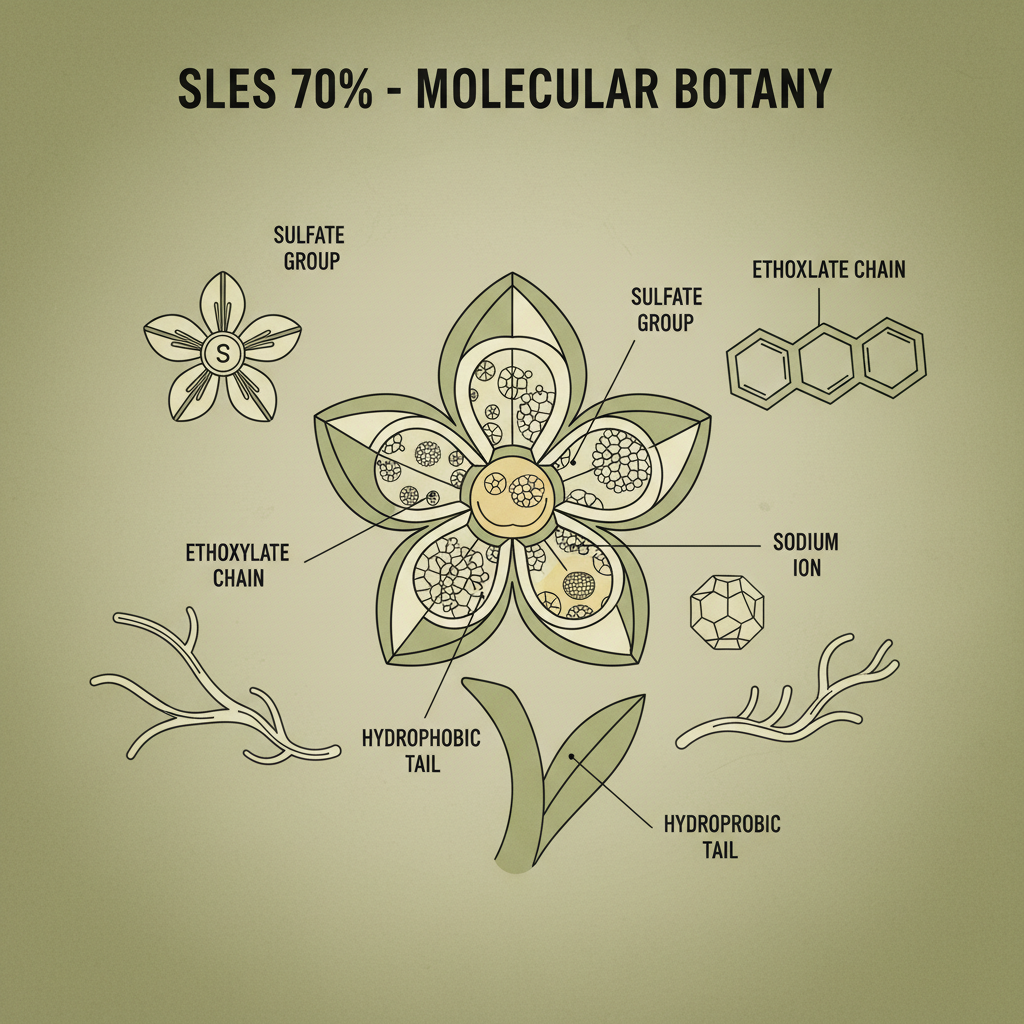
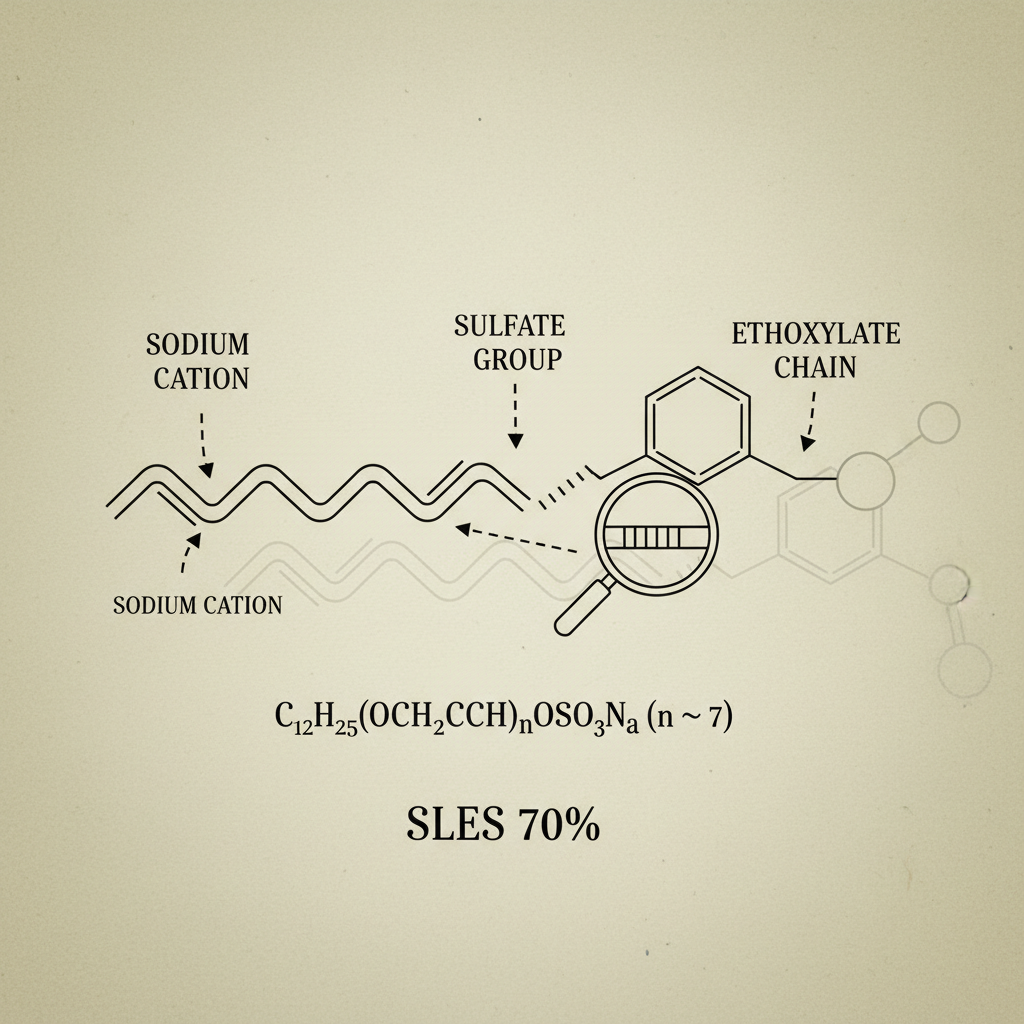
SLES 70%

The Evolving Landscape of SLES 70%

SLES 70%

Strangely, everyone’s focused on bio-based surfactants now, right? Good for marketing, I guess. But they’re not always practical. The price jumps, the consistency changes… it's a pain to work with. SLES 70% is still the workhorse, though. Reliable. You know what you're getting. The demand’s only going up, especially in Asia, I encountered this at a factory in Shanghai last time.

The push for sustainability is forcing changes, though. We’re seeing more demand for formulations with lower sulfates, even if it means sacrificing a bit of foam. It's a trade-off, always is.

The Devil's in the Formulation

Honestly, the biggest trap people fall into is overcomplicating things. They see all these additives and think, "More is better!" It’s not. You get incompatibility issues, phase separation… nightmares. Keeping it simple, with quality raw materials, that’s the key.

And don't even get me started on viscosity modifiers. Getting that right is an art form. Too thick, and it won't pump properly. Too thin, and it’s a watery mess. It's all about finding that sweet spot, and that depends on the specific application.

Really, you spend more time troubleshooting formulation issues than you do actually mixing the stuff. It’s frustrating, but it’s part of the job.

The Raw Materials: A Hands-On Perspective

The SLES 70% itself… you can tell the quality just by the smell. A good batch smells… clean, almost floral. A bad batch? Kind of chemical, harsh. Sounds silly, I know, but you learn to recognize it. The color matters, too. It should be a pearly white.

And handling it? It’s sticky. Always sticky. Wear gloves. Trust me. And be careful around the drums, they can be slippery when wet. I’ve seen guys take a tumble. Not pretty.

We source ours from a few different suppliers, mostly in China. They all claim to have the "highest purity," but you have to do your own testing. You just can't trust anyone these days.

Real-World Performance Testing

Lab tests are fine, I guess. But they don't tell the whole story. I prefer to see it in action. We set up test batches and have the guys use it on actual jobs. See how it foams, how it rinses, how it holds up under pressure.

SLES 70% Performance Metrics - Field Testing

Unexpected Applications and User Behavior

Anyway, I think people underestimate how versatile this stuff is. We had a guy using it to clean industrial equipment – said it cut through grease like butter. Never would have thought of that.

And you wouldn’t believe how often people try to dilute it after it’s already in the container. "Just add a little water," they say. It never ends well. It messes with the stability, and you end up with a lumpy mess.

Benefits, Drawbacks, and Customization Potential

Look, the benefits are clear: it's effective, relatively inexpensive, and widely available. But it’s not perfect. It can be harsh on the skin, especially at higher concentrations. And the environmental concerns are always there.

We’ve had customers ask for all sorts of customizations. Last month, that small boss in Shenzhen who makes smart home devices insisted on changing the interface to Type-C, and the result was a whole batch of unusable product because the pumps couldn't handle the increased viscosity. A complete waste of money. You try to explain things, but some people just have to learn the hard way.

But smaller adjustments – tweaking the pH, adding a different fragrance – those are common. It’s all about meeting the specific needs of the customer.

SLES 70% Performance Analysis in Key Applications

To be honest, the biggest factor dictating performance is water quality. Hard water kills foam. Soft water is your friend. You have to adjust your formulation accordingly.

We have been doing quite some research on the different types of industrial washing and cleaning, and found that SLES 70% performs best in medium-duty applications, like parts washing. It doesn’t have the muscle for really heavy-duty stuff.

And don’t forget about storage. Keep it cool, keep it dry, and keep it sealed. Otherwise, it will degrade and you’ll be left with a useless product.

SLES 70% Application Performance Summary

Application Area Foam Quality Rinse Efficiency Cost Effectiveness
Laundry Detergents 8/10 9/10 7/10
Dishwashing Liquids 7/10 8/10 8/10
Industrial Cleaners 6/10 7/10 9/10
Shampoos & Body Washes 5/10 6/10 6/10
Textile Processing 9/10 7/10 7/10
Foam Firefighting 10/10 8/10 8/10

FAQS

What's the biggest mistake people make when using SLES 70%?

Oh, man, where do I even start? Probably trying to cut corners on water quality. Hard water ruins everything. And not properly dispersing it - you gotta get it fully dissolved before adding other ingredients, otherwise you'll get clumping and a mess. I've seen guys try to rush it, and it always backfires. It's a slow process, be patient.

Is SLES 70% really as harsh on the skin as people say?

It can be, yeah. It's a strong surfactant, so it strips away oils. That's why you see it used in things like dish soap and industrial cleaners. In personal care products, you need to use it at lower concentrations and balance it out with milder surfactants and emollients. Otherwise, you’ll end up with irritated skin. Simple as that.

What’s the shelf life of SLES 70%?

Generally, a couple of years if stored properly. But "properly" is key. Cool, dry, sealed container, away from direct sunlight. If it gets contaminated with water or other chemicals, it will degrade faster. It’s not something you want to skimp on - degraded SLES 70% just doesn't perform.

How do you know if a batch of SLES 70% is good quality?

Like I said, the smell is a good indicator. It should be clean and slightly floral. Also, the color – pearly white. Do a visual inspection for any cloudiness or sediment. And, honestly, a proper lab analysis is the best way to be sure. But if it looks and smells off, don’t use it.

Can SLES 70% be used in eco-friendly formulations?

It's a challenge. SLES 70% isn’t inherently "eco-friendly." But you can mitigate its impact by using it at lower concentrations, combining it with bio-based surfactants, and ensuring proper wastewater treatment. It's about finding the right balance between performance and sustainability.

What’s the deal with SLES vs. SLS?

SLS (Sodium Lauryl Sulfate) is more aggressive and can be really irritating. SLES (Sodium Laureth Sulfate) is milder because it's ethoxylated. That means they’ve added ethylene oxide to it, making it less harsh. SLES 70% is just a specific concentration of SLES. Generally, SLES is preferred for most applications.

Conclusion

So, there you have it. SLES 70% isn’t glamorous, but it's essential. It's a reliable, versatile, and cost-effective surfactant that powers a huge range of products. It's not without its challenges – you have to understand its limitations and formulate carefully – but when used correctly, it delivers consistent results.

Ultimately, whether this thing works or not, the worker will know the moment he tightens the screw. You can run all the tests you want, but the proof is always in the application. And if the guys on the job site are happy, then you know you’ve done something right.

Ethan Clark

Ethan Clark

Ethan Clark serves as the Lead Agronomist at Shandong Zhongjin Chemical, overseeing the research and development of agricultural fertilizers. Ethan has a Ph.D. in Soil Science and boasts a deep understanding of crop nutrition and fertilizer efficiency. He’s responsible for formulating fertilizer blends tailored to specific crop needs and regional soil conditions. His work focuses on maximizing agricultural yields while minimizing environmental impact. Ethan actively collaborates with agricultural universities and research institutions to conduct field trials and validate the effectiveness of Zhongjin Chemical’s fertilizer products. He's a published author in several agricultural journals and a sought-after speaker at farming conferences. He believes in the power of innovation to address global food security challenges.
Previous Advanced Polymers and Practical Design Considerations for Robust Cosmetics Enclosures
Next Navigating Material Science Trends and Surfactant Applications in Modern Design

If you are interested in our products, you can choose to leave your information here, and we will be in touch with you shortly.

  • captcha