Navigating the Complexities of Sodium Laureth Sulfate in Modern Formulations

Navigating the Complexities of Sodium Laureth Sulfate in Modern Formulations

0%

Table of Contents

To be honest, the whole industry's gone wild for everything “smart” and “connected” lately. Every other factory owner’s talking about IoT, predictive maintenance, the whole nine yards. It’s a bit much, if you ask me. Been seeing a lot of guys trying to cram way too much tech into things that just…don’t need it. Makes everything overly complicated, and complicated equals expensive, and expensive equals headaches for everyone involved.

Have you noticed how everyone jumps on the latest material trend without actually thinking? Carbon fiber everywhere, even where regular steel would do just fine. Then you’re dealing with delamination, galvanic corrosion… whole mess. I encountered this at a factory in Ningbo last time, trying to use a new composite for a structural beam. It looked great on paper, but the machinists were fighting with it all day.

We’re working with a lot of high-density polyethylene (HDPE) these days. It smells faintly of plastic, obviously, but it’s surprisingly durable. Feels a bit waxy to the touch when it's new. The trick is knowing how to weld it properly. You get a bad weld, it’ll crack under pressure, no question. And don’t even get me started on the different grades… they all behave differently.
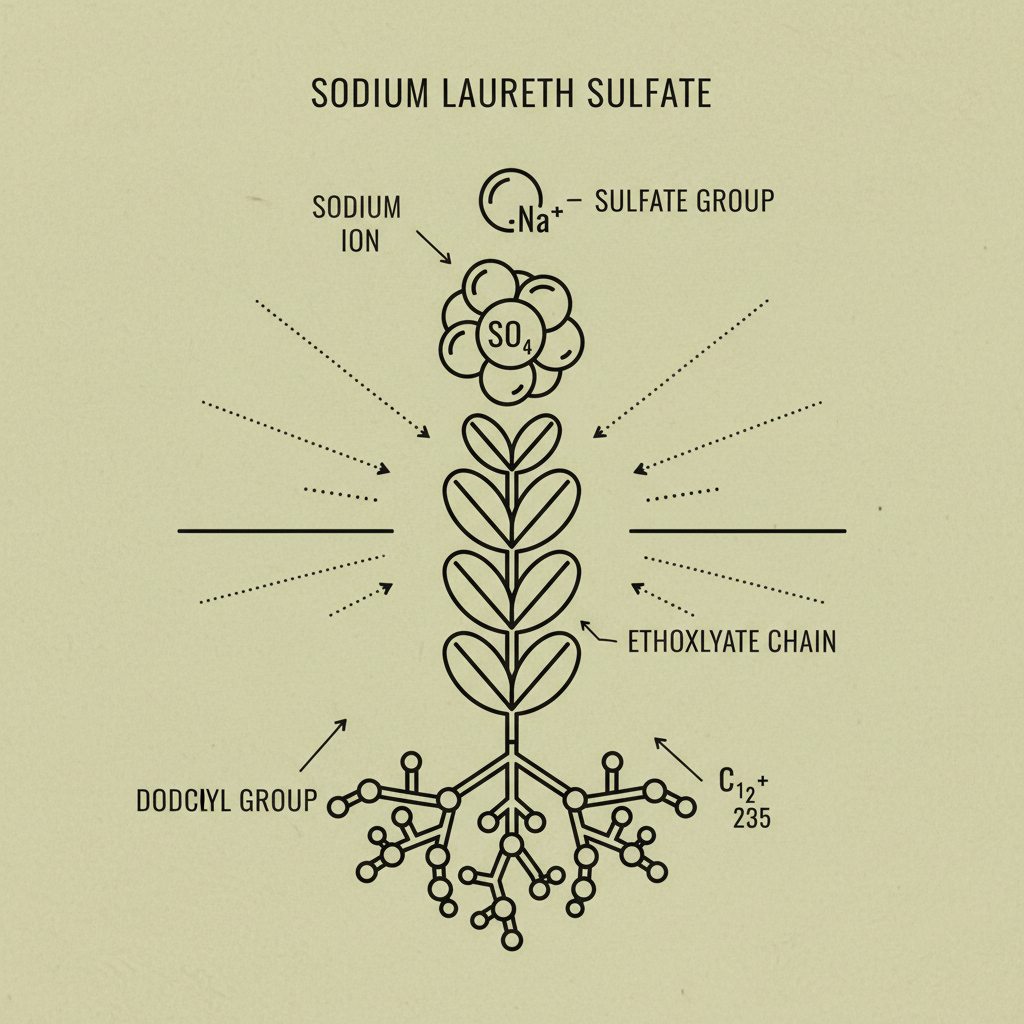
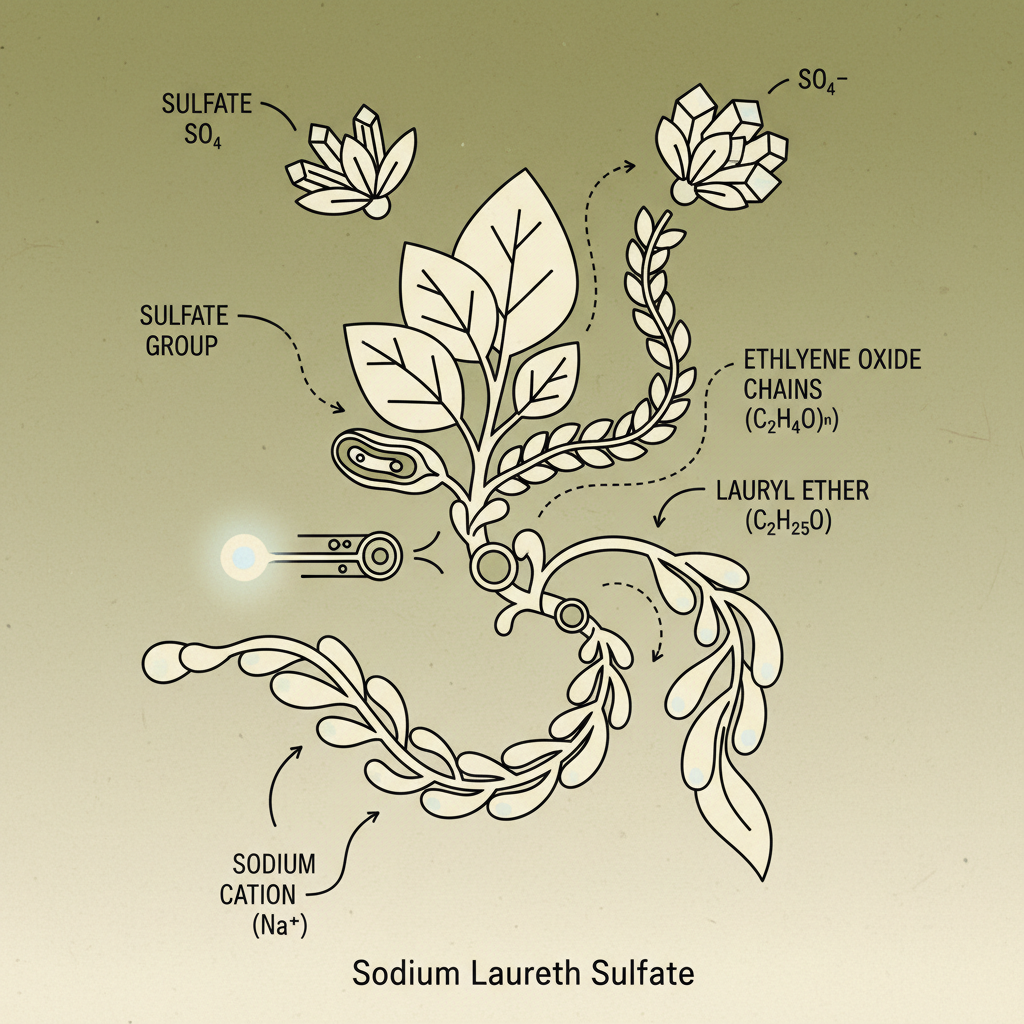
Sodium Laureth Sulfate

The Current Landscape of Sodium Laureth Sulfate

Sodium Laureth Sulfate

Strangely, Sodium Laureth Sulfate – it’s been around for ages, right? – is seeing a bit of a resurgence. Not necessarily in its traditional uses, but people are looking for alternatives to harsher chemicals. There’s a push for more bio-based ingredients, and it’s fitting into that niche. The demand's coming from smaller, independent brands mostly, but even some of the bigger players are starting to re-evaluate their formulas.

The regulatory landscape is getting tighter, too. Everyone’s under a microscope, and companies are scrambling to meet new standards. That pushes innovation, I guess, but it also adds a layer of complexity. It’s not enough to just work; you have to prove it works, and prove it’s safe, and prove it’s sustainable. All while keeping costs down. A real headache.

Common Design Pitfalls with Sodium Laureth Sulfate

I've seen a lot of folks trying to formulate with Sodium Laureth Sulfate and just throwing in a bunch of additives hoping to fix problems. It rarely works. You end up with a gloopy mess or something that separates after a week. The key is understanding the interactions between the SLS, the other surfactants, and the water hardness. It's chemistry, plain and simple.

Another thing: people underestimate the importance of pH. Get it wrong, and you’ll get skin irritation. Simple as that. It's not just about the SLS concentration; it’s about the whole system’s pH balance. You think you've got a good formula, test it, and bam – red, itchy skin. Back to the drawing board.

And don’t even get me started on the viscosity challenges. Getting it just right is crucial for consumer acceptance. Too thick and it’s hard to dispense, too thin and it feels watery and cheap.

Key Material Considerations for Sodium Laureth Sulfate

The quality of the Sodium Laureth Sulfate itself matters, obviously. You get what you pay for. The cheaper stuff often has higher levels of 1,4-dioxane, which nobody wants. It doesn't smell of anything particularly bad, but that doesn't mean it's good. You have to do the lab tests.

Then there's the co-surfactants. Cocamidopropyl betaine is a common one, but it can be inconsistent in quality. I’ve had batches that were cloudy and others that were crystal clear. It drives the formulators crazy. Glycerin is good for adding moisture, but too much and you lose the foam. It’s a balancing act, I tell ya.

And don't forget the preservatives! Formulas with SLS are prone to microbial growth, so you need a robust preservative system. Phenoxyethanol is widely used, but some consumers are wary of it. It’s a constant battle to find something effective and consumer-friendly.

Sodium Laureth Sulfate Testing Methodologies

Lab testing is important, sure, but real-world testing is where you find out what’s really going on. We send samples to independent labs for things like irritation testing and dioxane levels, but we also do a lot of in-house testing ourselves.

We have a small panel of volunteers who use the products and give us feedback. It's not scientific, but it’s surprisingly effective. You get honest opinions that way. Plus, we test for stability under different conditions – high temperature, humidity, different light exposures. Things break down in weird ways if you don't check.

Sodium Laureth Sulfate Formulation Performance

Real-World Application and User Behaviors of Sodium Laureth Sulfate

People don’t use shampoo the way you think they do. They squeeze out way too much. Wasteful, honestly. And they don’t always rinse thoroughly enough. That's why the formulation needs to be robust enough to handle some misuse.

I was talking to a small business owner in Shenzhen last month who makes smart home devices. He insisted on switching the interface on his handwash dispenser to Type-C, thinking it was more modern. It took him three months and a ton of money to realize it wasn't waterproof and kept shorting out. He ended up going back to Micro-USB. You gotta know your limitations.

Advantages and Disadvantages of Sodium Laureth Sulfate

Look, SLS is cheap and it cleans well. That’s its biggest advantage. It creates a great lather, which consumers associate with cleanliness, even though it doesn't actually make things cleaner. But it can be harsh, especially for people with sensitive skin. That's the downside.

It’s a versatile ingredient – you can use it in everything from shampoos to body washes to even some cleaning products. But you need to balance it carefully with other ingredients to mitigate the irritation potential. There’s always a trade-off.

Anyway, I think it’s still a valuable tool in the formulator’s toolbox, as long as you understand its limitations and use it responsibly.

Customization Options for Sodium Laureth Sulfate

You can adjust the ethoxylation level of the SLS to control its properties. Higher ethoxylation makes it milder, but also reduces its cleansing power. It’s another balancing act.

We worked with a client who wanted a sulfate-free shampoo that still delivered a good lather. We ended up using a blend of SLS with a lower ethoxylation level and a couple of alternative surfactants to boost the foam. It wasn’t easy, but we got there.

You can also customize the color and fragrance, of course. But that’s just window dressing. The real work is in the formulation itself.

Summary of Key Factors Influencing Sodium Laureth Sulfate Performance

Ethoxylation Level Co-Surfactant Blend pH Level Water Hardness
Low (2-3 mol EO) Cocamidopropyl Betaine (High Quality) 5.5-6.5 Soft (0-50 ppm)
Medium (7-9 mol EO) Decyl Glucoside 6.0-7.0 Moderate (50-150 ppm)
High (12+ mol EO) Sodium Cocoyl Isethionate 6.5-7.5 Hard (150+ ppm)
Variable Blend of multiple surfactants Adjusted based on skin sensitivity Variable, requires chelating agents
Controlled by supplier Minimal - focus on SLS purity Optimized for specific application Consistent, pre-treated water
Dependent on desired foam profile Synergistic blend for enhanced performance Monitored for stability and efficacy Assessed for impact on formulation

FAQS

What is the primary concern when formulating with Sodium Laureth Sulfate for sensitive skin?

The main issue is irritation. SLS can strip the skin of its natural oils, leading to dryness and redness. Mitigation involves lower concentrations, careful pH balance (around 5.5-6.5), and using it in conjunction with milder surfactants and emollients to rebuild the skin barrier. It's a delicate balance, and thorough testing is vital, especially patch testing on individuals with known sensitivities. It's not a one-size-fits-all situation.

How does water hardness affect the performance of Sodium Laureth Sulfate in a shampoo formulation?

Hard water contains minerals like calcium and magnesium, which react with SLS to form insoluble salts – basically, soap scum. This reduces the surfactant’s cleansing ability and can leave a residue on the hair, making it feel dull and sticky. Chelating agents like EDTA are often added to formulations to bind these minerals and prevent the reaction, improving lather and rinseability. You'd be surprised how much difference water quality makes!

What are the concerns regarding 1,4-dioxane in Sodium Laureth Sulfate and how can they be addressed?

1,4-dioxane is a byproduct formed during the ethoxylation process of SLS. It’s a potential carcinogen, so its presence is regulated. The level can be minimized by controlling the manufacturing process and using purification steps. Reputable suppliers will test for 1,4-dioxane and provide certificates of analysis. It's always best to choose high-quality SLS from a trusted source to ensure compliance with safety standards.

Is Sodium Laureth Sulfate a sustainable ingredient choice?

Sustainability is complicated. SLS is typically derived from petroleum, which isn’t ideal. However, there are now bio-based alternatives becoming available, derived from renewable resources like coconut or palm oil. The environmental impact also depends on the manufacturing process and the supply chain. It’s not a simple yes or no answer – you have to consider the whole lifecycle of the ingredient.

Can Sodium Laureth Sulfate be used in leave-in hair products?

Generally, no. SLS is a strong cleanser and is designed to be rinsed away. Leaving it on the hair can cause excessive dryness, irritation, and damage. While you might find some very low concentrations in certain leave-in products, it's usually combined with a lot of conditioning agents to counteract the stripping effect. It’s not a common or recommended practice for long-term hair health.

What's the difference between Sodium Laureth Sulfate (SLES) and Sodium Lauryl Sulfate (SLS)?

SLS is harsher and more irritating. SLES is milder because it's ethoxylated – meaning ethylene oxide is added to the molecule, making it less aggressive. This results in a gentler cleansing experience and creates a richer, more stable foam. While both are effective cleansers, SLES is generally preferred in formulations intended for sensitive skin or frequent use. But don't get me wrong, SLES can still cause issues if it isn't formulated correctly.

Conclusion

Ultimately, Sodium Laureth Sulfate isn’t some miracle ingredient or a villain to be avoided at all costs. It’s a tool, a versatile and effective surfactant that, when used correctly, can deliver excellent cleaning power. It requires careful formulation, a deep understanding of its properties, and a willingness to test and iterate.

Look, at the end of the day, whether this thing works or not, the worker will know the moment he tightens the screw. You can run all the simulations and lab tests you want, but it’s the real-world performance that matters. That’s what keeps me going back to the factories, getting my hands dirty, and trying to make things a little bit better, one formulation at a time.

Benjamin Harris

Benjamin Harris

Benjamin Harris is the Quality Control Manager at Shandong Zhongjin Chemical. With a background in analytical chemistry and over 8 years of experience, Benjamin oversees the company’s rigorous quality assurance processes. He's responsible for ensuring that all raw materials and finished products meet the highest standards of purity, consistency, and safety. Benjamin’s team conducts comprehensive testing throughout the production cycle, utilizing state-of-the-art analytical equipment. He ensures compliance with relevant industry certifications and regulatory requirements. Benjamin is a firm believer in preventative quality measures and continuously seeks to improve the company’s quality management system. He prioritizes accuracy and reliability in all testing procedures.
Next Advanced Polymers and Practical Design Considerations for Robust Cosmetics Enclosures

If you are interested in our products, you can choose to leave your information here, and we will be in touch with you shortly.

  • captcha