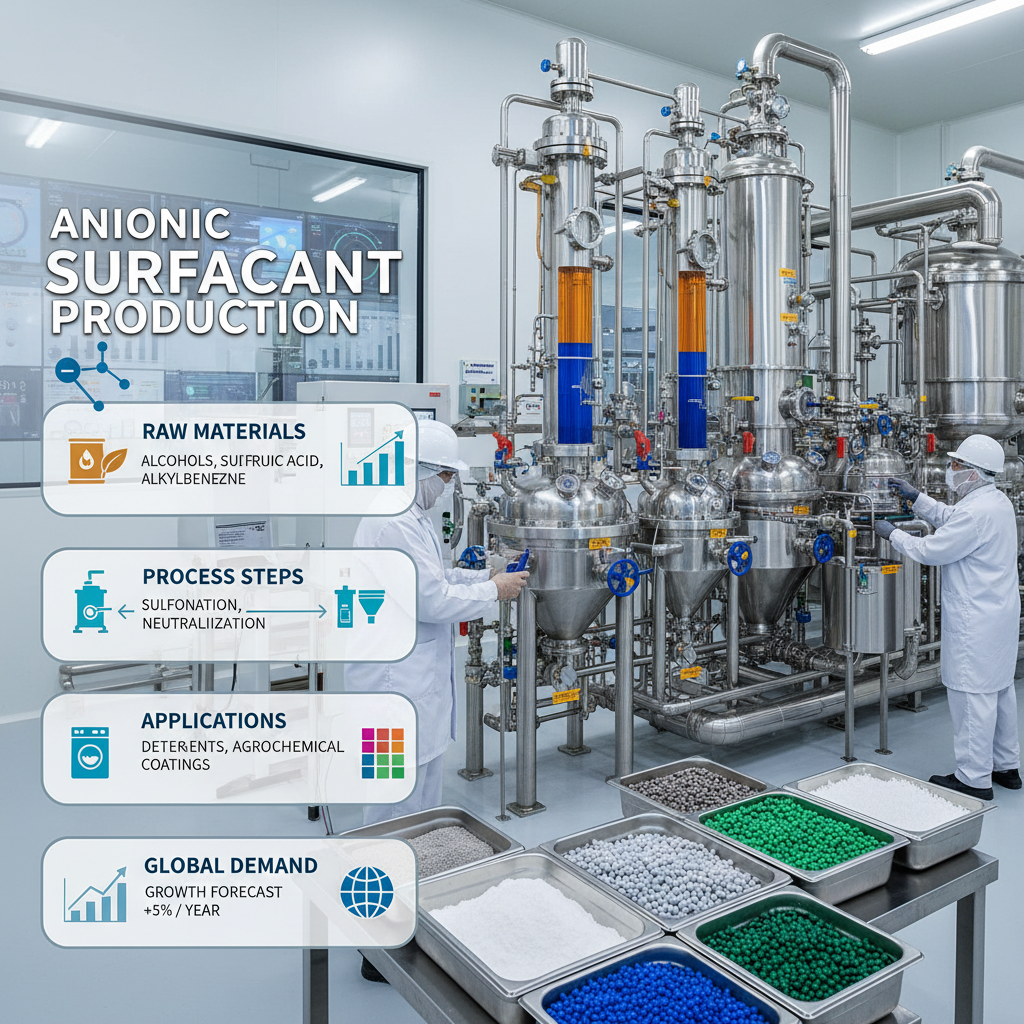
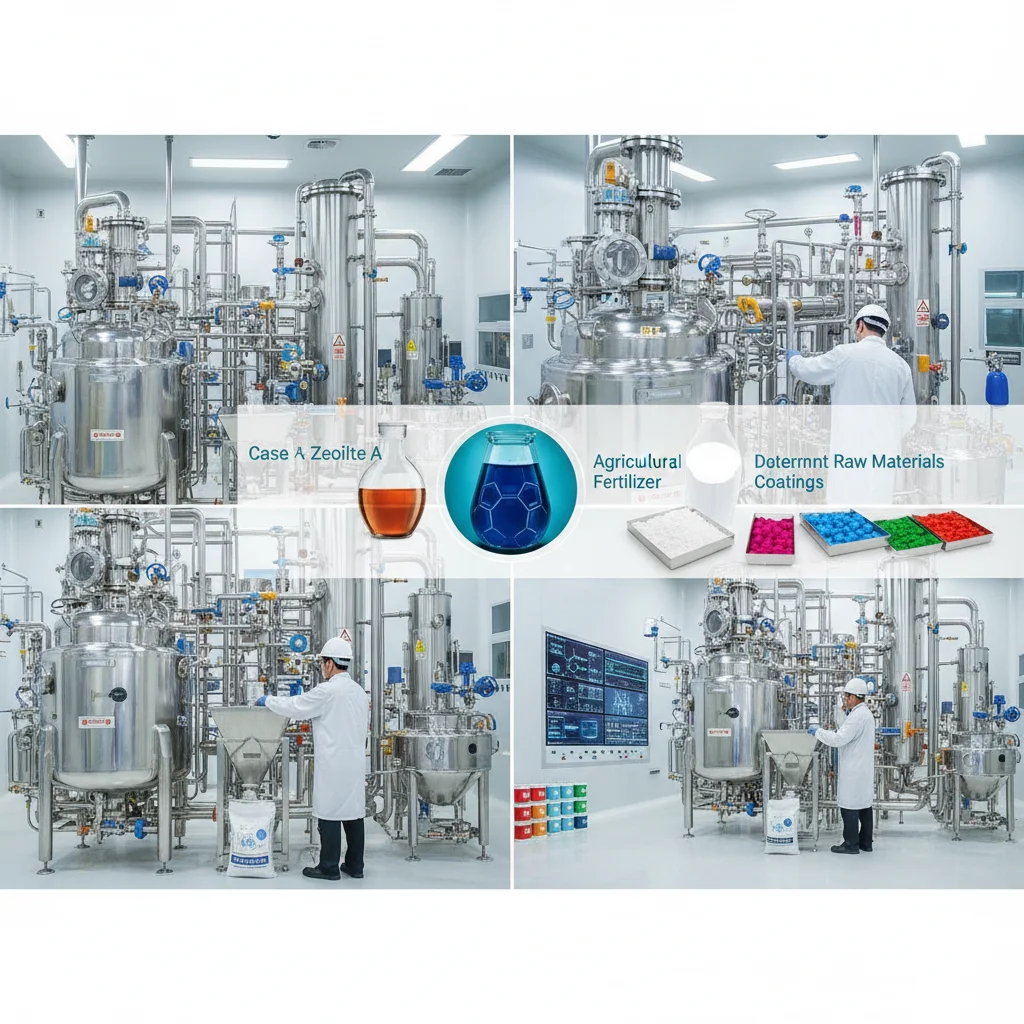
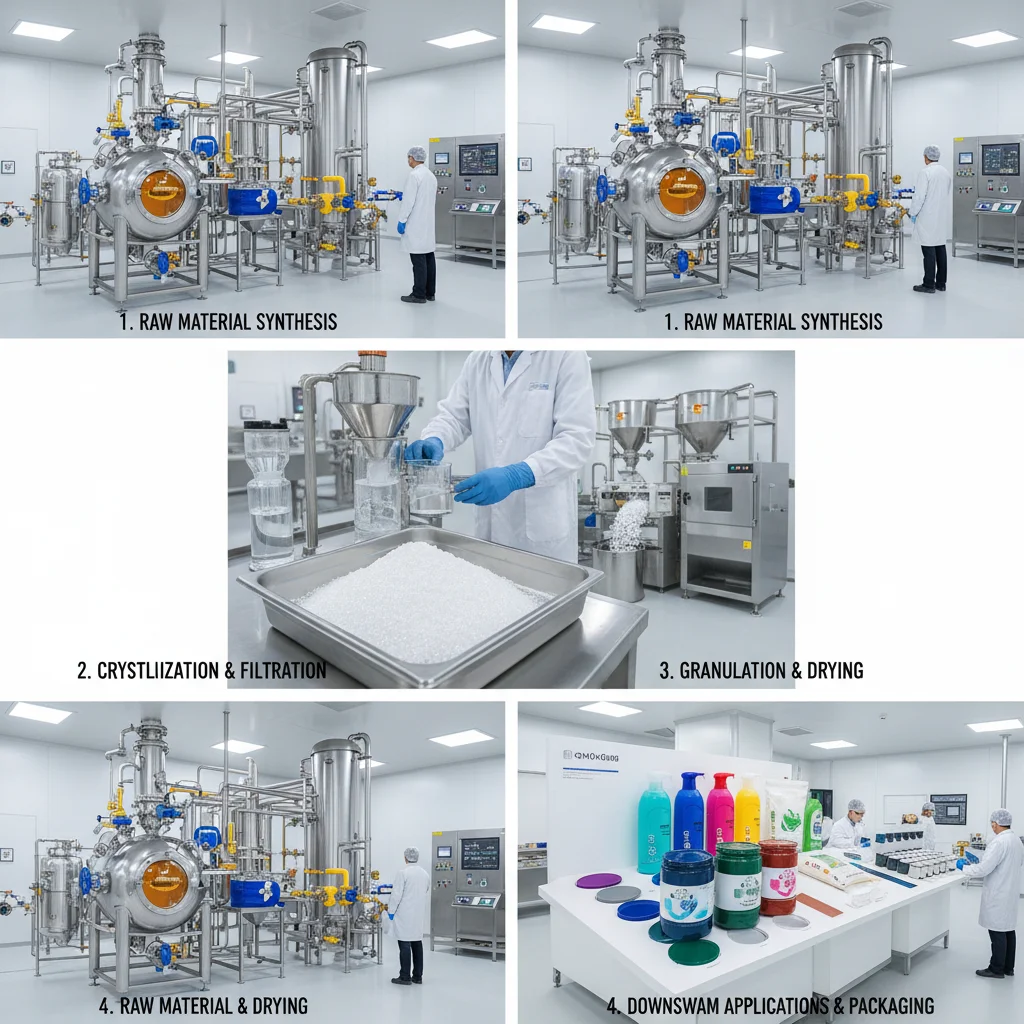
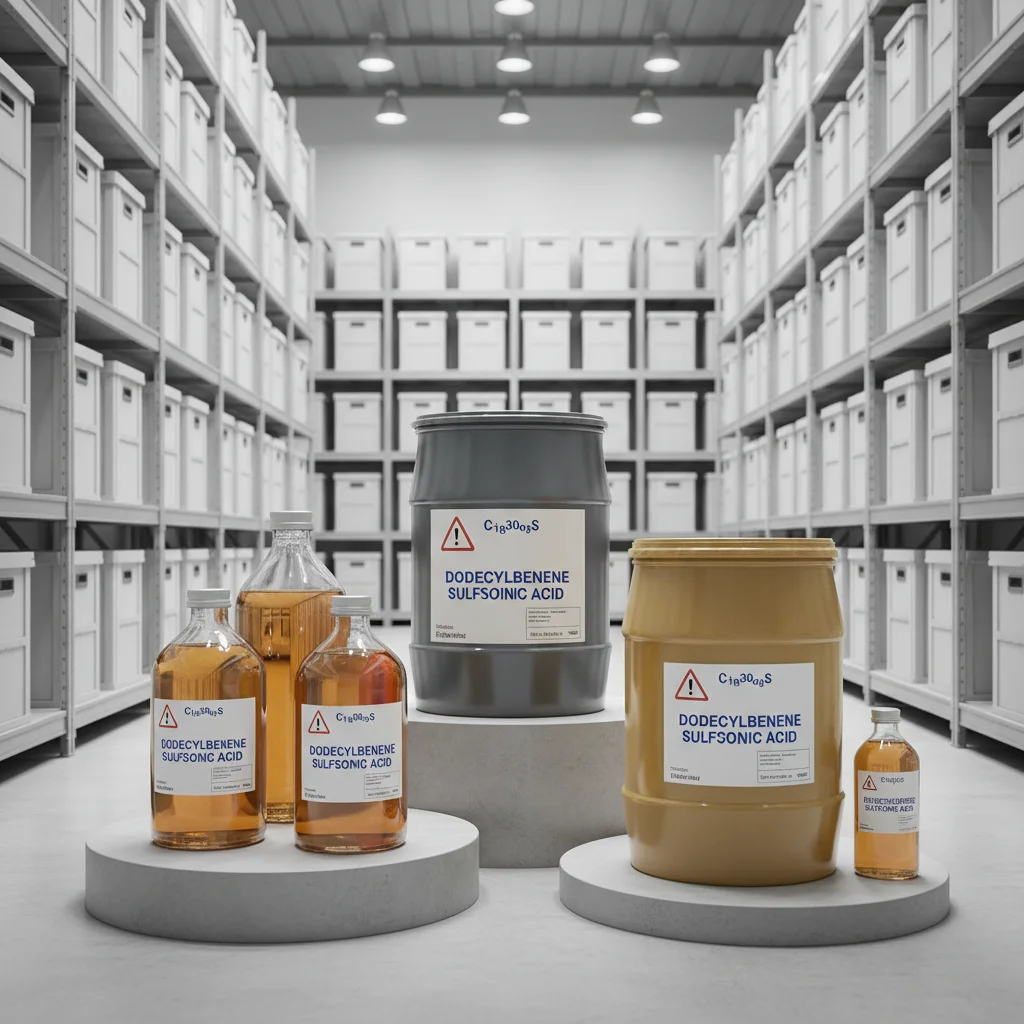
Anionic surfactants are a cornerstone of modern chemistry, playing a vital role in countless industries and everyday applications. Their unique ability to reduce surface tension, emulsify oils, and create stable foams makes them indispensable in cleaning products, personal care items, and industrial processes. Understanding the properties and applications of anionic surfactants is crucial for anyone involved in formulation chemistry, product development, or environmental science.
Globally, the demand for anionic surfactants is substantial and continues to grow, driven by increasing populations, rising standards of hygiene, and expanding industrial activities. According to recent market research, the global anionic surfactant market size was valued at USD 31.8 billion in 2023 and is projected to reach USD 40.5 billion by 2032, exhibiting a CAGR of 2.6% during the forecast period. This growth underscores the continued importance of these compounds in meeting diverse societal needs.
The significance of anionic surfactants extends beyond simple cleaning; they contribute to advancements in areas like enhanced oil recovery, agricultural formulations, and even biomedical applications. Addressing challenges related to their environmental impact and promoting sustainable alternatives are key focus areas for ongoing research and innovation, ensuring their continued relevance in a responsible and eco-conscious manner.
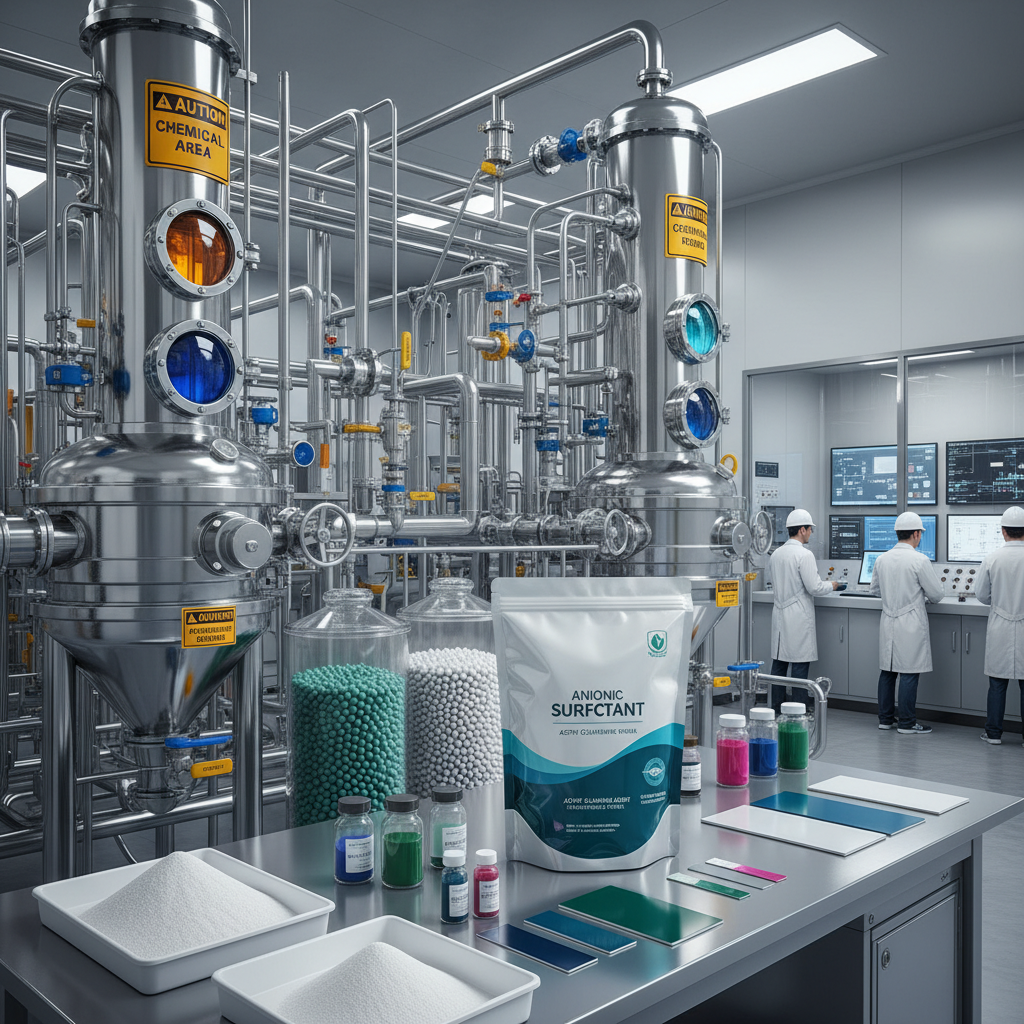
Introduction to anionic surfactant
Anionic surfactants represent a significant class of surface-active agents, characterized by a negatively charged hydrophilic head group. This negative charge is crucial to their functionality, influencing their interaction with surfaces and other molecules. They are widely used due to their excellent cleaning properties and relatively low cost compared to other surfactant types.
The versatility of anionic surfactant stems from their ability to form micelles in aqueous solutions, effectively solubilizing non-polar substances like oils and greases. This property is fundamental to their use in detergents, shampoos, and industrial cleaning formulations. Their application extends beyond cleaning, influencing processes in textiles, paints, and even pharmaceuticals.
Global Relevance and Challenges
The global surfactant market, dominated by anionic surfactants, is deeply intertwined with economic development and public health. Regions experiencing rapid urbanization and industrial growth, such as Asia-Pacific and Latin America, exhibit the highest demand. The UN Sustainable Development Goals, particularly those related to clean water and sanitation (SDG 6) and responsible consumption and production (SDG 12), highlight the importance of effective cleaning agents and sustainable chemical production.
However, the widespread use of anionic surfactants presents environmental challenges. Traditional anionic surfactants, often derived from petroleum sources, can be slow to biodegrade, leading to water pollution and potential harm to aquatic ecosystems. The discharge of surfactant-containing wastewater requires effective treatment technologies to minimize environmental impact. This is a critical challenge driving research into more biodegradable and sustainable alternatives.
Furthermore, fluctuating raw material prices and supply chain disruptions can impact the affordability and availability of anionic surfactant, particularly in developing countries. Innovation in sourcing renewable feedstocks and optimizing production processes are crucial for ensuring long-term sustainability and accessibility.
Defining anionic surfactant
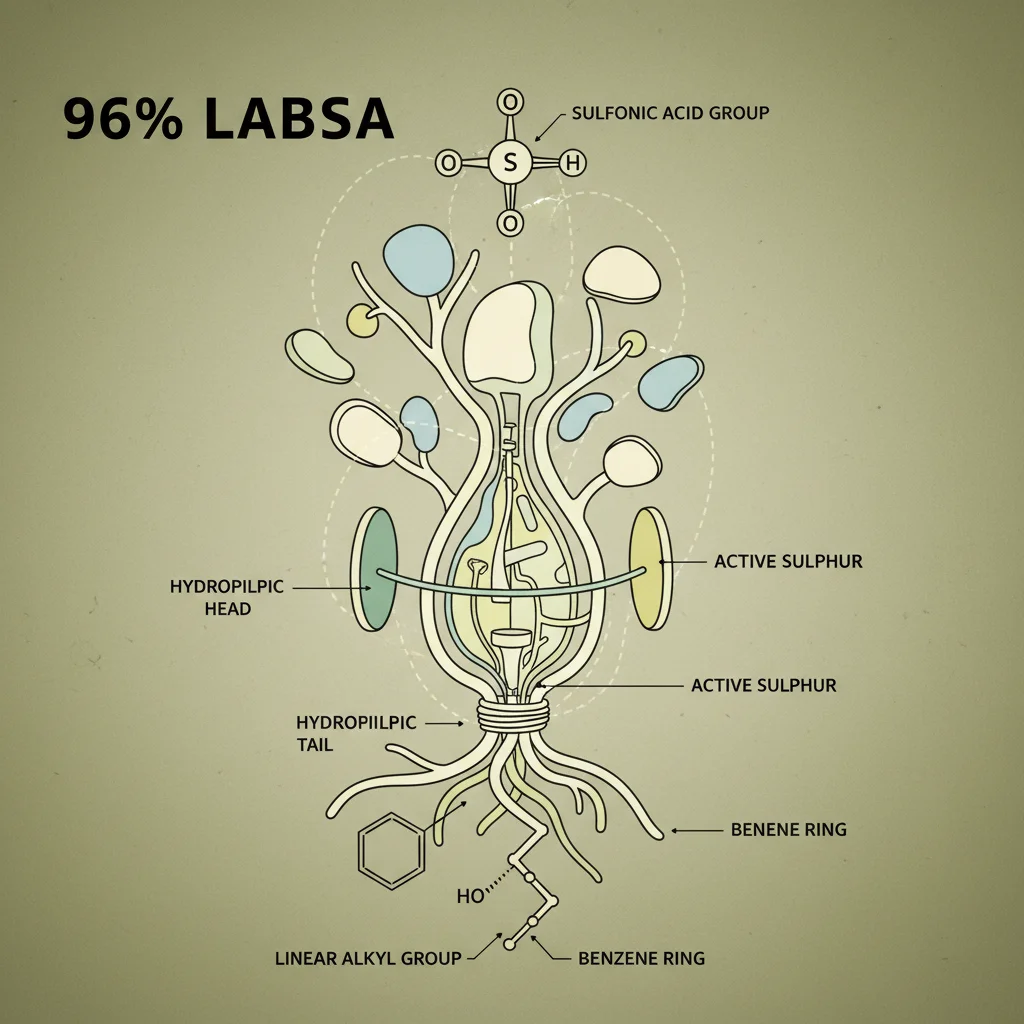
An anionic surfactant is a molecule possessing both a hydrophobic (water-repelling) tail and a hydrophilic (water-attracting) head containing a negative charge. This amphiphilic structure allows them to lower the surface tension of water, enabling it to spread more easily and penetrate surfaces. The negative charge arises from groups like sulfate, sulfonate, phosphate, or carboxylate attached to the hydrophilic portion of the molecule.
Their function is intrinsically linked to modern industry and humanitarian needs. From ensuring hygiene in healthcare settings to enabling efficient oil recovery, these compounds are fundamental to a wide range of processes. The effectiveness of detergents, the stability of emulsions, and the dispersion of pigments all rely on the unique properties of anionic surfactants.
The concentration at which an anionic surfactant begins to form micelles – the critical micelle concentration (CMC) – is a key parameter defining its performance. Lower CMC values indicate higher efficiency, requiring less surfactant to achieve the desired effect. The CMC is influenced by factors such as temperature, salinity, and the chemical structure of the surfactant.
Core Components of anionic surfactant
The performance of an anionic surfactant is defined by several key factors, each contributing to its overall effectiveness and suitability for specific applications. These include the chain length of the hydrophobic tail, the type of anionic head group, the degree of ethoxylation, and the presence of any branching in the alkyl chain. Each component impacts solubility, biodegradability, and surface activity.
Hydrophobic Tail: The length of the alkyl chain significantly affects the surfactant's hydrophobicity. Longer chains generally exhibit stronger surface activity but may have lower solubility in water. Anionic Head Group: Different anionic groups (sulfate, sulfonate, etc.) confer varying degrees of charge density and influence the surfactant's interaction with different surfaces. Ethoxylation: The addition of ethylene oxide units (ethoxylation) increases the surfactant's water solubility and modifies its foaming properties.
Performance Comparison of Different anionic surfactant Types
Applications of anionic surfactant
The application of anionic surfactant is incredibly broad, spanning numerous industries. In household cleaning products like laundry detergents, dish soaps, and bathroom cleaners, they effectively remove dirt, grease, and stains. In personal care products such as shampoos, body washes, and toothpastes, they provide foaming and cleansing properties.
Industrially, they're utilized in textile processing for wetting and scouring, in paint formulations for pigment dispersion and stabilization, and in agricultural applications as emulsifiers for pesticides and herbicides. Enhanced oil recovery (EOR) employs anionic surfactants to reduce interfacial tension between oil and water, increasing oil extraction efficiency. In post-disaster relief operations, they are vital components of sanitation kits and hygiene supplies.
Advantages and Long-Term Value
Anionic surfactants offer several key advantages. They are generally cost-effective, readily available, and highly effective at reducing surface tension. Their strong cleaning power makes them ideal for a wide range of applications. They demonstrate good compatibility with other ingredients commonly found in formulations, enabling versatile product development.
Long-term value stems from their contribution to improved hygiene, increased efficiency in industrial processes, and enhanced product performance. Innovation in biodegradable anionic surfactants addresses environmental concerns, providing a more sustainable solution. Their consistent performance and reliability build trust with consumers and industries alike.
Future Trends in anionic surfactant
The future of anionic surfactants is driven by sustainability and innovation. Research is focused on developing surfactants derived from renewable feedstocks, such as plant oils and sugars, reducing reliance on fossil fuels. "Green chemistry" principles are guiding the design of more readily biodegradable surfactants with minimal environmental impact.
Digital transformation and automation in manufacturing processes are improving production efficiency and reducing waste. The integration of artificial intelligence (AI) and machine learning (ML) is accelerating the discovery and optimization of new surfactant formulations. Policy initiatives promoting circular economy principles and stricter environmental regulations are further driving the demand for sustainable alternatives.
Biotechnology plays a growing role, with enzymatic production of anionic surfactants offering a more eco-friendly alternative to traditional chemical synthesis. These advancements are set to revolutionize the industry, ensuring a more sustainable and responsible future for anionic surfactant applications.
Summary Table of Anionic Surfactant Properties and Applications
| Surfactant Type |
Biodegradability (1-10) |
Cleaning Performance (1-10) |
Cost (USD/kg) |
| Sodium Lauryl Sulfate (SLS) |
4 |
9 |
1.50 |
| Sodium Laureth Sulfate (SLES) |
6 |
8 |
2.00 |
| Alpha Olefin Sulfonate (AOS) |
8 |
7 |
2.50 |
| Linear Alkylbenzene Sulfonate (LAS) |
5 |
9 |
1.20 |
| Sodium Coco Sulfate |
7 |
8 |
2.20 |
| Secondary Alkane Sulfonate |
9 |
6 |
3.00 |
FAQS
The main environmental concerns center around the biodegradability of certain anionic surfactants. Some formulations persist in the environment, contributing to water pollution and impacting aquatic ecosystems. The production of these surfactants also relies on fossil fuels, raising concerns about carbon emissions. However, significant progress is being made in developing more biodegradable and bio-based alternatives, mitigating these impacts.
The length of the alkyl chain in an anionic surfactant dramatically impacts its hydrophobicity. Longer chains increase hydrophobicity, leading to stronger surface activity and improved oil solubility. However, longer chains also reduce water solubility and can slow down biodegradation. Shorter chains offer better water solubility and faster biodegradation but may have lower surface activity.
Sodium Lauryl Sulfate (SLS) is a stronger, more effective cleanser, but can be more irritating to the skin due to its higher degree of denaturation of skin proteins. Sodium Laureth Sulfate (SLES) is milder as it's ethoxylated – meaning ethylene oxide has been added. This process reduces its harshness, making it less irritating, but also slightly less effective as a cleanser.
Absolutely! In fact, combining anionic surfactants with non-ionic, cationic, or amphoteric surfactants is a common practice to achieve synergistic effects. For example, combining an anionic surfactant with a non-ionic surfactant can improve foaming, cleaning performance, and stability of the formulation. Careful formulation is required to ensure compatibility and avoid unwanted reactions.
The anionic head group determines the surfactant’s charge and its interaction with water and other surfaces. Different anionic groups (sulfate, sulfonate, etc.) exhibit varying degrees of charge density and influence the surfactant’s solubility, foaming properties, and overall performance. The head group also affects the surfactant’s compatibility with other ingredients in a formulation.
Sustainability is a major focus. Researchers are developing anionic surfactants derived from renewable feedstocks like plant oils and sugars. Efforts are also underway to improve biodegradability and reduce the environmental impact of production processes. Green chemistry principles are guiding the design of more environmentally friendly formulations, minimizing waste and maximizing resource efficiency.
Conclusion
Anionic surfactants remain an essential component of numerous industries and everyday products, offering unparalleled cleaning power and versatility. Understanding their properties, applications, and the evolving landscape of sustainability is crucial for continued innovation and responsible chemical management. As the demand for eco-friendly solutions increases, the development and adoption of biodegradable and bio-based anionic surfactants will become paramount.
Looking ahead, continued research and collaboration are key to unlocking the full potential of these compounds while minimizing their environmental footprint. Investing in sustainable sourcing, efficient manufacturing processes, and innovative formulations will ensure that anionic surfactants continue to play a vital role in a cleaner, healthier, and more sustainable future. Visit our website: www.zjsles.com for more information and to explore our range of sustainable surfactant solutions.