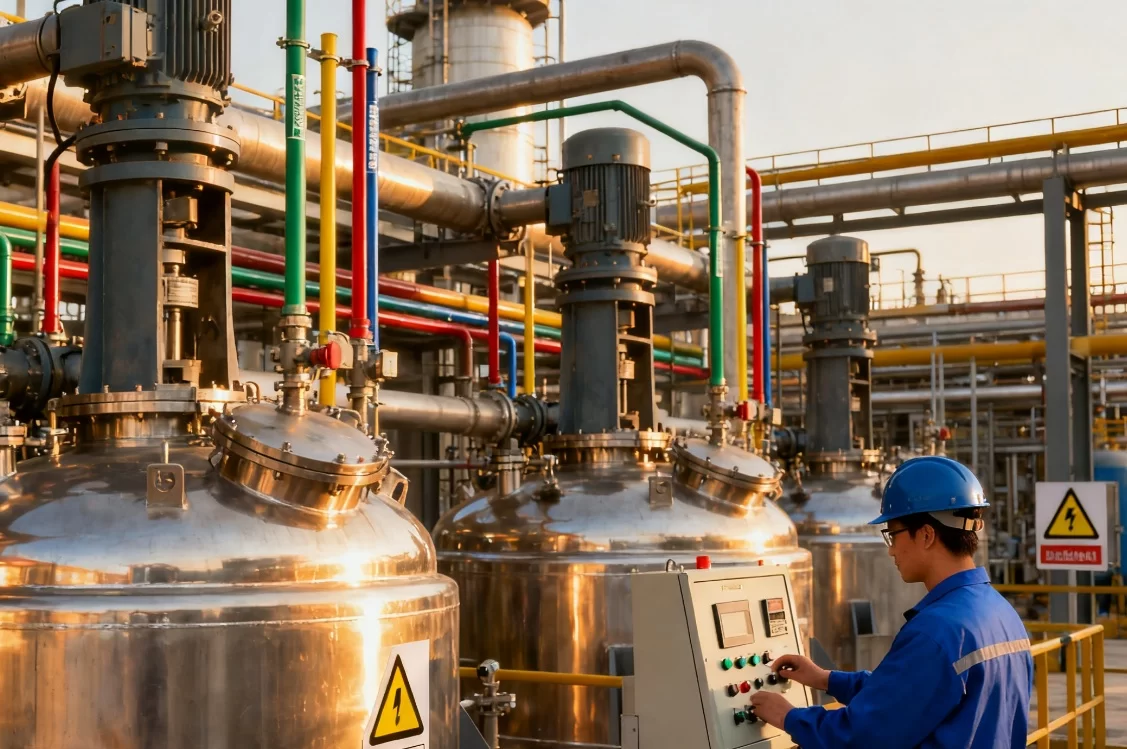
Molecular Sieve 4A: A Comprehensive Guide
Molecular sieves are aluminosilicate minerals with a highly porous structure, used for selective adsorption of molecules based on their size and polarity. Molecular Sieve 4A, specifically, is widely utilized across numerous industrial applications due to its 4 Angstrom pore size. This article will provide an in-depth look at its properties, applications, advantages, and key considerations for selecting the right product. Understanding the nuances of Molecular Sieve 4A is crucial for optimizing processes and achieving desired outcomes. From dehydration to gas purification, this versatile material offers solutions across diverse sectors.
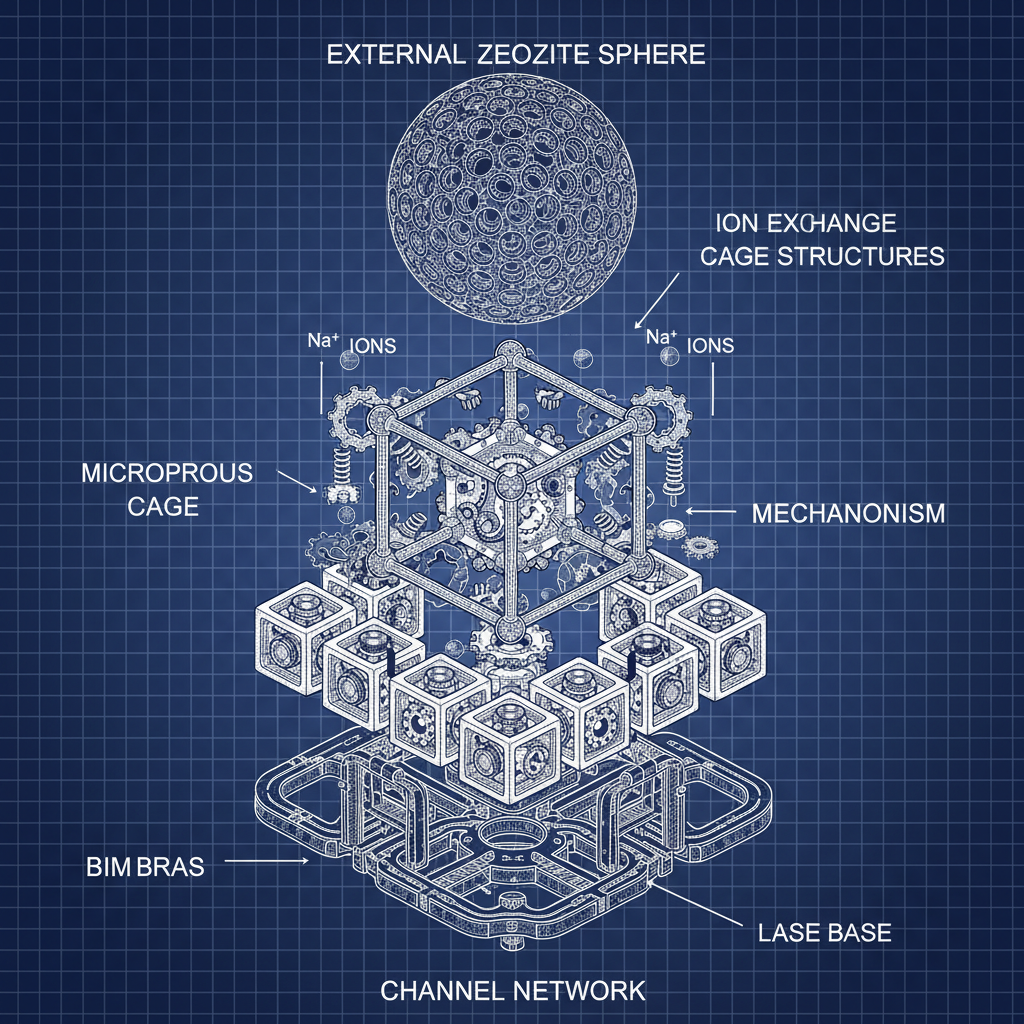
What is Molecular Sieve 4A?
Molecular Sieve 4A is a crystalline aluminosilicate with a uniform pore size of approximately 4 Angstroms (0.4 nanometers). This precise pore size allows it to selectively adsorb molecules with a kinetic diameter of less than 4 Angstroms, while excluding larger molecules. It’s commonly manufactured as white, spherical beads. The sieves are primarily used for drying gases and liquids, removing contaminants, and separating specific compounds. ZJSLES offers a high-quality range of 4A molecular sieves designed to meet diverse industrial needs.
Key Highlights: Selective adsorption based on molecular size, highly porous crystalline structure, widely used in drying and purification applications, available in various bead sizes.
Applications of Molecular Sieve 4A
The applications of Molecular Sieve 4A are incredibly diverse. It’s heavily used in the petrochemical industry for drying cracked gas, natural gas, and LPG. It’s also crucial in air separation processes to remove water, CO2, and H2S. Additionally, it finds application in refrigerants drying, solvent drying, and as a catalyst support. ZJSLES provides tailored solutions to meet specific application requirements.
Key Application Areas:
• Petrochemical industry (gas drying)
• Air separation processes
• Refrigerant drying
• Solvent purification
Molecular Sieve 4A vs. Other Molecular Sieves
Molecular sieves come in various pore sizes (3A, 4A, 5A, 6A, 13X). The key difference lies in the molecules they can adsorb. Molecular Sieve 3A adsorbs water, CO2, and H2S, excluding propane and butane. 5A adsorbs C4-C9 hydrocarbons, while 13X has a larger pore size and adsorbs larger molecules. Selecting the correct sieve depends on the specific separation or drying requirements.
Key Considerations When Selecting Molecular Sieve 4A
Several factors influence the choice of Molecular Sieve 4A. Bead size is important; smaller beads offer faster adsorption kinetics but create higher pressure drop. The activation temperature impacts the final dryness level achieved. Also, consider the source of the sieve – ZJSLES guarantees consistent quality and high purity. Understanding these parameters will ensure optimal performance and longevity.
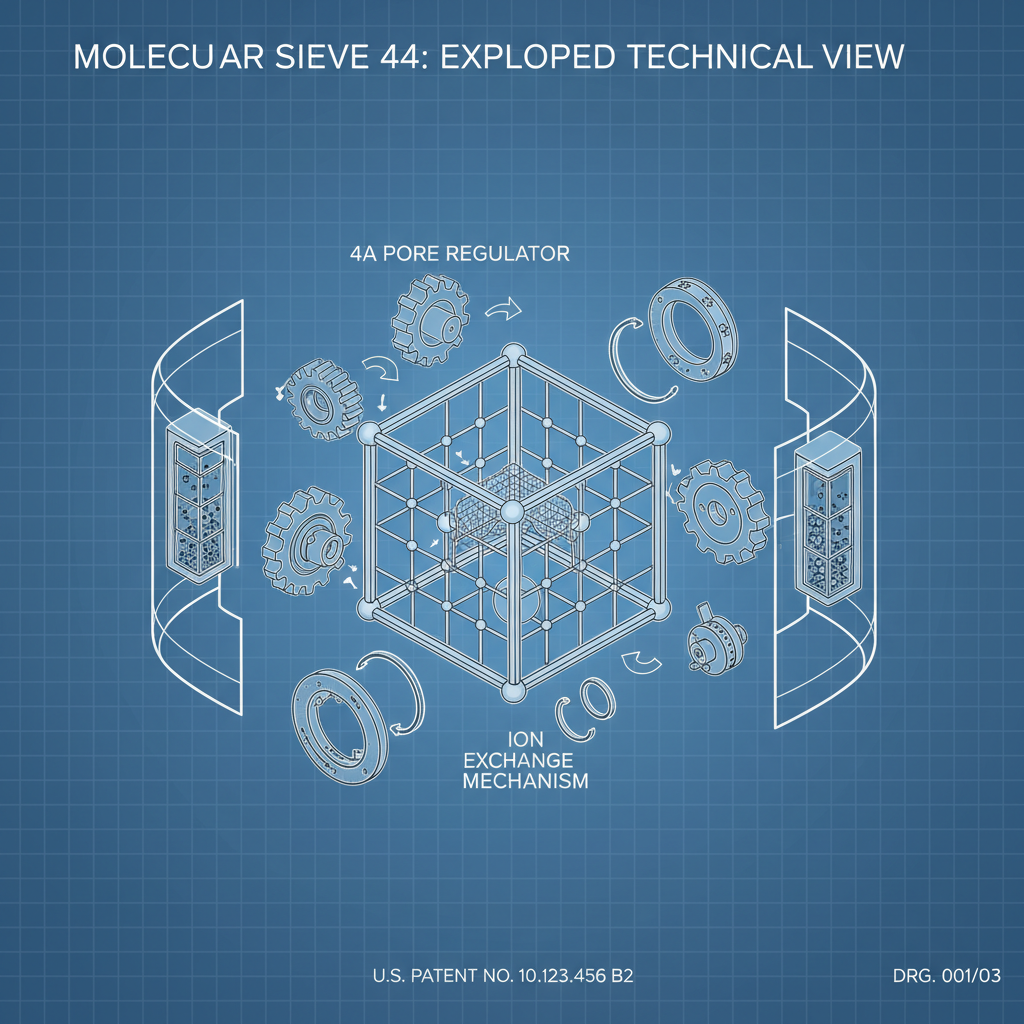
Product Specifications
Here are some typical specifications for our Molecular Sieve 4A:
Conclusion: Partner with ZJSLES for Superior Molecular Sieve Solutions
Choosing the right molecular sieve is critical for optimizing your processes and achieving superior results. ZJSLES provides high-quality Molecular Sieve 4A, backed by expert technical support and reliable supply chains. We are committed to delivering solutions that meet your specific needs and contribute to your success.
Frequently Asked Questions (FAQs)
How is Molecular Sieve 4A activated?
Molecular Sieve 4A typically requires activation before use. This involves heating the sieve to a specific temperature (usually between 200-300°C) under a dry gas purge (nitrogen is common) for several hours. This process removes any adsorbed water molecules and restores the sieve’s adsorption capacity. Proper activation is crucial for achieving optimal performance and ensuring the sieve functions as intended. The exact activation procedure can vary depending on the specific product and application, so it’s best to consult the manufacturer’s instructions. ZJSLES provides detailed activation guidelines with our products.
What is the shelf life of Molecular Sieve 4A?
If stored properly in a dry, sealed container, Molecular Sieve 4A has a virtually unlimited shelf life. However, it will gradually absorb moisture from the air if exposed, reducing its effectiveness. Therefore, it’s essential to keep the sieve sealed until ready for activation and use. Proper storage ensures that the sieve retains its adsorption capacity and performs optimally when deployed in an application.
Can Molecular Sieve 4A be regenerated?
Yes, Molecular Sieve 4A can be regenerated, restoring its adsorption capacity. Regeneration typically involves heating the sieve to drive off the adsorbed molecules. The specific regeneration temperature and method depend on the type of adsorbed molecules. For water removal, heating to 200-300°C under a dry gas purge is common. Successful regeneration extends the life of the sieve and reduces operational costs. ZJSLES can provide guidance on optimal regeneration procedures for specific applications.