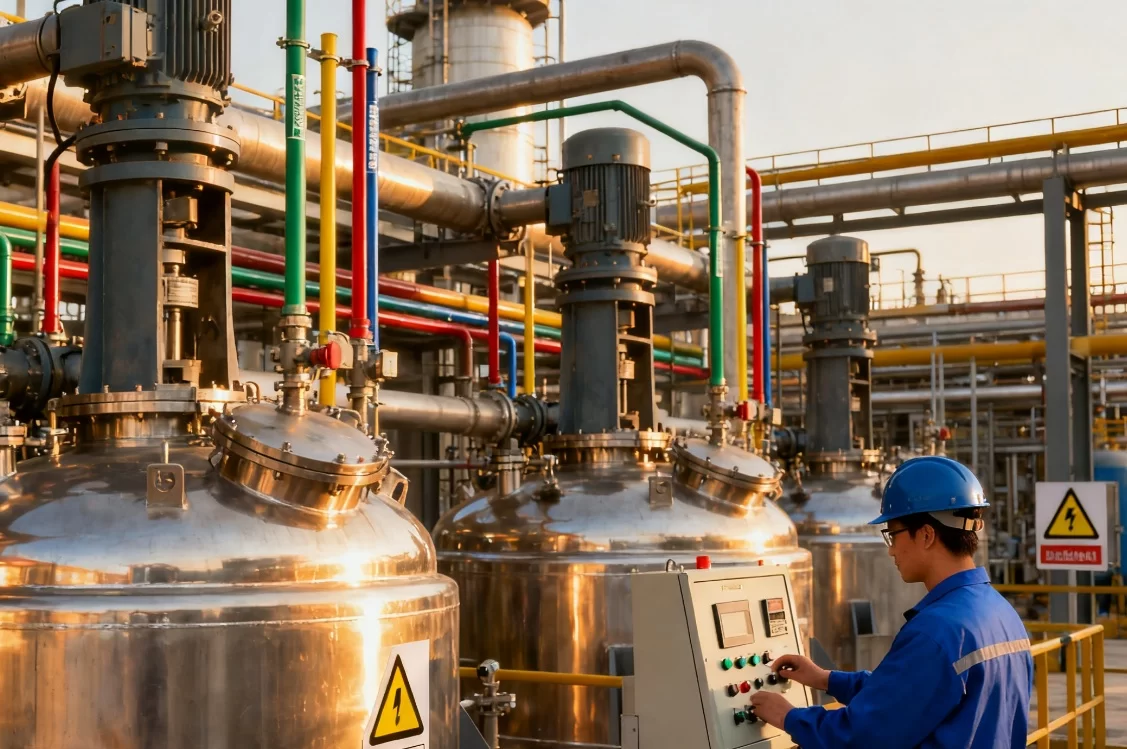
Synthetic Zeolite 4A: A Comprehensive Guide
Synthetic Zeolite 4A is a widely used molecular sieve with numerous industrial applications. Its unique pore structure and excellent adsorption properties make it ideal for drying, purification, and separation processes. This article provides an in-depth look at Synthetic Zeolite 4A, its properties, applications, and benefits. Understanding its capabilities is crucial for optimizing processes across a range of industries. Explore our comprehensive range of Zeolites at ZJSLES.
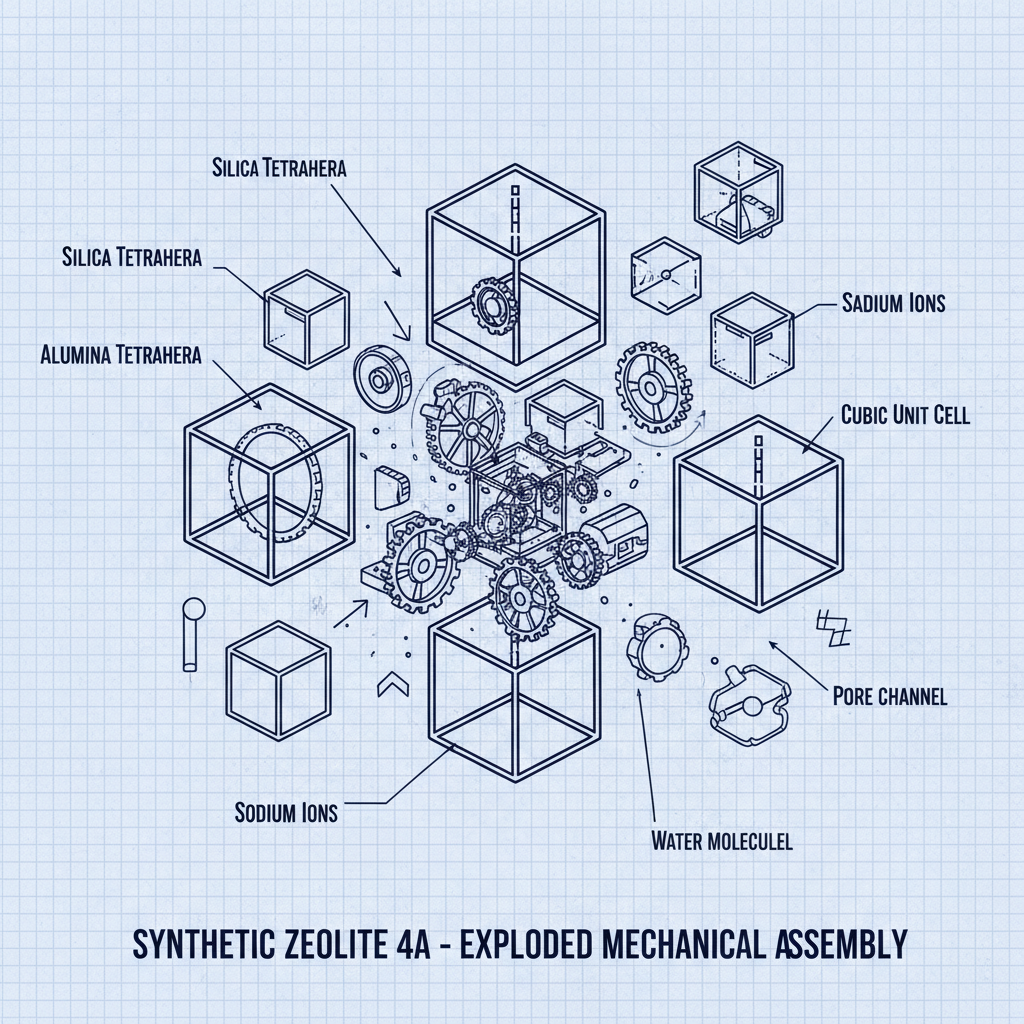
What is Synthetic Zeolite 4A?
Synthetic Zeolite 4A is a crystalline aluminosilicate with a highly uniform pore size of approximately 4 Angstroms (0.4 nanometers). This precise pore size is what makes it a selective adsorbent, allowing it to trap molecules that fit within its pores while excluding larger ones. It’s created through a hydrothermal process, offering consistent quality and purity compared to naturally occurring zeolites. This material is highly stable, resisting degradation even after repeated cycles of adsorption and desorption. ZJSLES specializes in producing high-quality Synthetic Zeolite 4A tailored to specific industry needs.
Key Highlights: Precise 4 Angstrom pore size, High adsorption capacity, Thermal and chemical stability, Manufactured for consistent quality.
Key Applications of Synthetic Zeolite 4A
The versatile nature of Synthetic Zeolite 4A lends itself to a broad spectrum of applications. It's commonly used for drying natural gas, refrigerants, and solvents. It also finds use in the separation of normal and iso-paraffins, air purification, and as a catalyst support. Its ability to selectively adsorb water and other polar molecules makes it invaluable in industries requiring high levels of purity. Furthermore, its use in laundry detergents enhances their cleaning power by trapping calcium and magnesium ions, softening the water. Explore our product catalog for application-specific zeolites.
Application Benefits:
• Drying of gases and liquids
• Selective adsorption of polar molecules
• Catalyst support for chemical reactions
• Water softening in detergents
Synthetic Zeolite 4A vs. Other Molecular Sieves
Different types of molecular sieves exist, each defined by its pore size. Zeolite 3A has a pore size of 3 Angstroms, suitable for drying unsaturated hydrocarbons. Zeolite 5A, with a 5 Angstrom pore size, is used for separating normal/iso-paraffins. Zeolite 4A falls in between, excelling at applications requiring a 4 Angstrom pore size. Selecting the right zeolite depends on the size of the molecules needing to be adsorbed or separated. ZJSLES provides expert guidance in choosing the optimal zeolite for your specific requirements.
Product Specifications & Physical Properties
Understanding the physical properties of Synthetic Zeolite 4A is essential for proper handling and application. ZJSLES offers products with varying particle sizes and water adsorption capacities to meet diverse customer needs. Our rigorous quality control ensures consistent performance and adherence to industry standards. Here's a snapshot of typical specifications:
Choosing the Right Supplier: ZJSLES Advantage
Selecting a reliable supplier is crucial for ensuring the consistent quality and performance of Synthetic Zeolite 4A. ZJSLES offers a comprehensive range of zeolite products, backed by rigorous quality control and technical expertise. We provide customized solutions to meet specific application requirements and offer competitive pricing. Our commitment to customer satisfaction and reliable supply chain makes us a trusted partner for businesses worldwide.
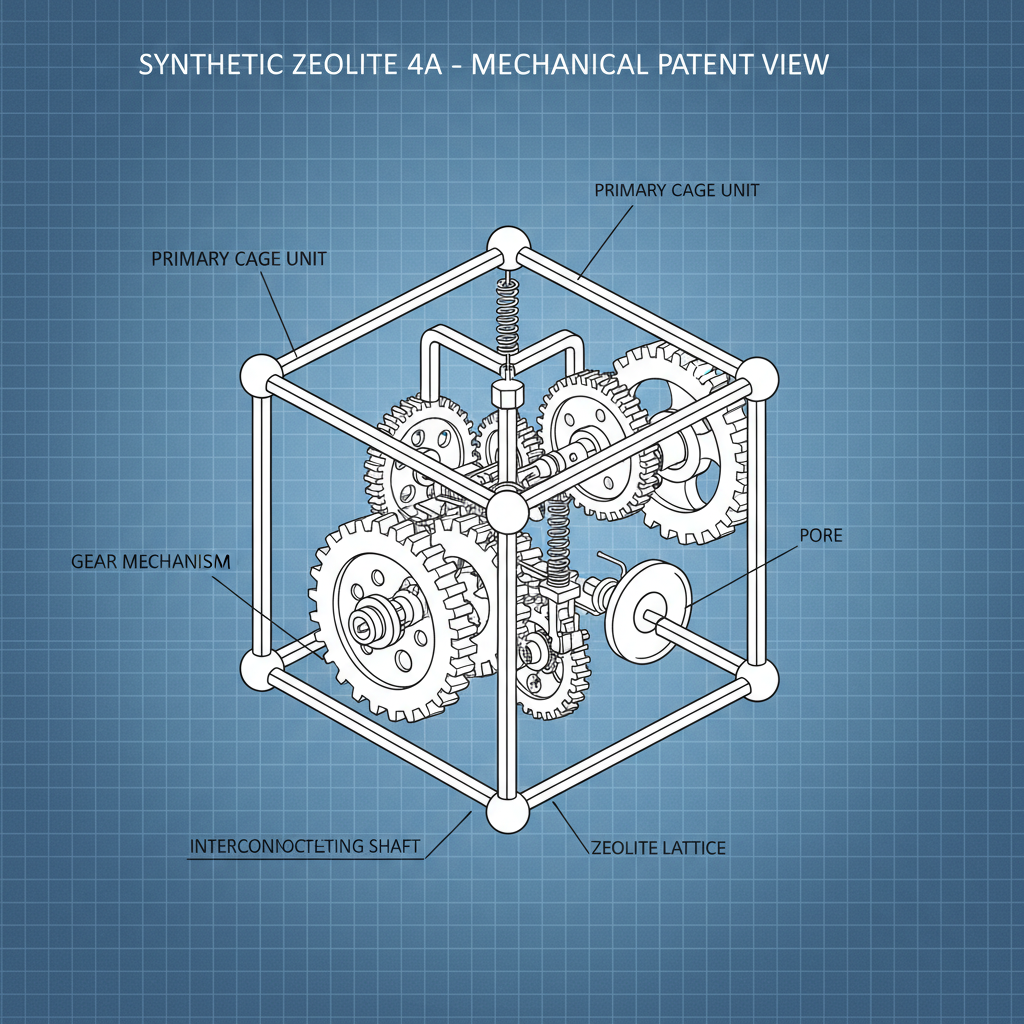
Conclusion: Optimizing Your Processes with Synthetic Zeolite 4A
Synthetic Zeolite 4A is a powerful tool for improving efficiency and purity in a wide range of industrial processes. Its unique adsorption properties, combined with its thermal and chemical stability, make it an essential component in numerous applications. ZJSLES is your trusted partner for high-quality Synthetic Zeolite 4A and expert technical support.
Frequently Asked Questions (FAQs)
How is Synthetic Zeolite 4A regenerated?
Synthetic Zeolite 4A can be regenerated by heating it to a temperature between 200-300°C (392-572°F) under a flow of dry gas or vacuum. This process drives off the adsorbed molecules, restoring the zeolite's adsorption capacity. The regeneration temperature and conditions depend on the type of adsorbed molecules. Multiple regeneration cycles can be performed, extending the lifespan of the zeolite. Proper regeneration is crucial for maintaining its efficiency and cost-effectiveness.
What safety precautions should be taken when handling Zeolite 4A?
While generally considered non-toxic, it's recommended to wear dust protection (mask) and eye protection when handling Synthetic Zeolite 4A, as the fine particles can cause irritation. Avoid prolonged inhalation of dust. Keep the material dry to prevent clumping and maintain its adsorption capacity. Refer to the Safety Data Sheet (SDS) for detailed safety information.
Can Synthetic Zeolite 4A be used in a pressure swing adsorption (PSA) system?
Yes, Synthetic Zeolite 4A is commonly used in PSA systems for gas separation and purification. Its selective adsorption properties make it ideal for separating gases based on their molecular size and polarity. PSA systems utilize cycles of adsorption and desorption under pressure to achieve efficient gas separation. ZJSLES offers zeolite products specifically designed for PSA applications.
What is the shelf life of Synthetic Zeolite 4A?
Synthetic Zeolite 4A has a long shelf life when stored properly in a dry, sealed container. Exposure to moisture can reduce its adsorption capacity. We recommend storing it in a cool, dry environment away from direct sunlight and contaminants. Generally, it can be stored for several years without significant degradation, provided the storage conditions are maintained.