Description
Methylisothiazolinone (MIT): A Broad-Spectrum Preservative for Industrial Applications
Chemical Profile and Overview
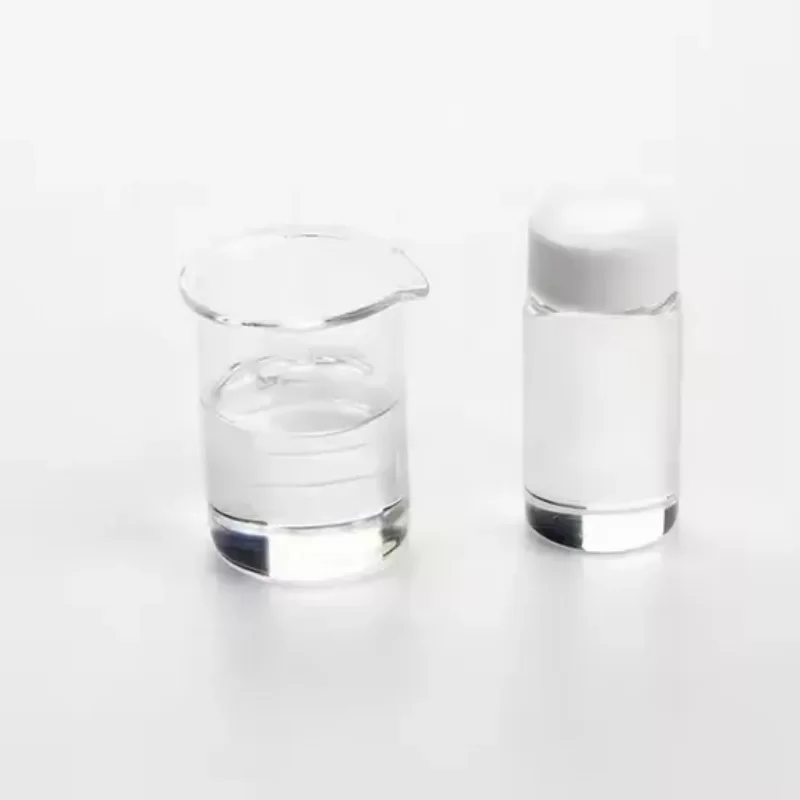
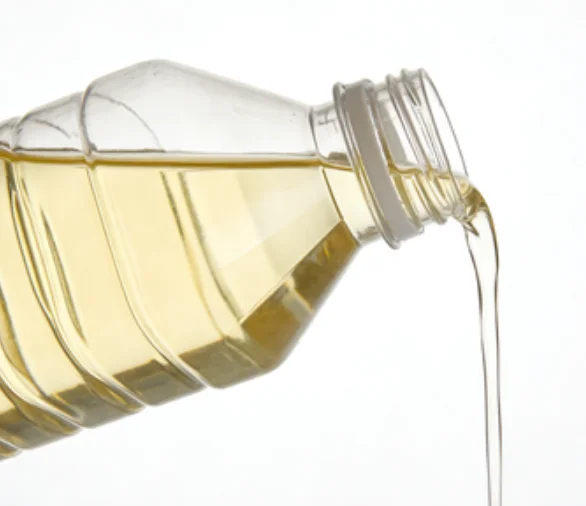
Methylisothiazolinone (MIT), with the chemical formula C4H5NOS, is a powerful, non-oxidizing biocide and preservative belonging to the isothiazolinone class. It appears as a clear, pale yellow to colorless liquid and is highly soluble in water and most organic solvents. Renowned for its broad-spectrum efficacy against bacteria, fungi, and algae at low concentrations, MIT has been widely used as a cost-effective stabilizing agent in industrial fluids, coatings, and various water-based formulations. Its primary function is to prevent microbial spoilage, thereby extending product shelf life and maintaining performance integrity.
Core Mechanism: Microbial Growth Inhibition
MIT functions as a highly effective cellular biocide. Its primary mode of action involves the inhibition of critical metabolic enzymes within microbial cells, specifically those involved in the Krebs cycle (citric acid cycle) and electron transport chain. This disruption halts cellular respiration and energy production, leading to rapid microbial cell death. Furthermore, it can react with thiol groups in proteins, causing broader cellular damage. This dual-action mechanism ensures potent and fast-acting control over a wide range of microorganisms, including Pseudomonas, E. coli, Aspergillus, and Penicillium species.
Primary Applications in Industrial and Consumer Products
Due to its efficacy, MIT has found significant use in various industrial and specialty consumer segments, though its applications are now more restricted.
Paints and Coatings: It serves as a crucial in-can preservative for water-based latex paints, primers, and polymer emulsions, preventing spoilage, gassing, viscosity loss, and odor development during storage.
Industrial Fluids: It is extensively used to preserve metalworking fluids, cooling water systems, and paper process waters, where microbial growth can lead to corrosion, slime formation, and degraded performance.
Adhesives and Sealants: Prevents microbial degradation of water-based adhesive and sealant formulations.
Household and I&I Cleaners: Historically used to preserve liquid detergents, fabric softeners, and hard surface cleaners.
Regulatory Status and Safety Considerations
The use of MIT, particularly in leave-on cosmetic products, has been subject to significant regulatory scrutiny and restriction over the past decade.
Cosmetics: The European Commission's Scientific Committee on Consumer Safety (SCCS) and other regulatory bodies have concluded that MIT is a strong sensitizer. Consequently, its use in leave-on cosmetic products (e.g., lotions, creams, wet wipes) is banned in the EU and many other regions. Its use in rinse-off cosmetics (e.g., shampoos, shower gels) is strictly limited to a maximum concentration of 0.0015% (15 ppm).
Industrial Applications: While still permitted in industrial applications like paints and metalworking fluids, there is a strong market-driven trend towards using alternative preservatives or MIT in combination with other biocides at the lowest effective concentration to mitigate potential risks for workers and end-users.
Key Technical and Handling Properties
Chemical Formula: C4H5NOS
CAS Number: 2682-20-4
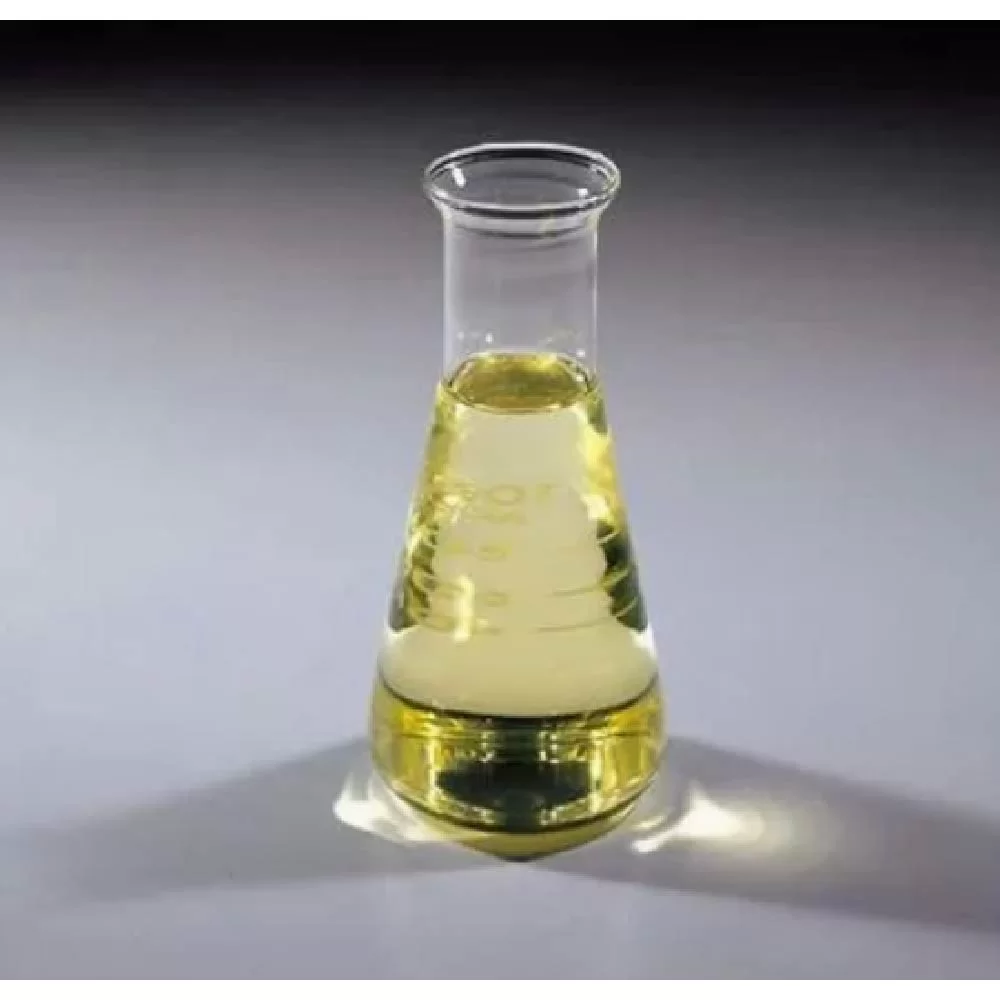
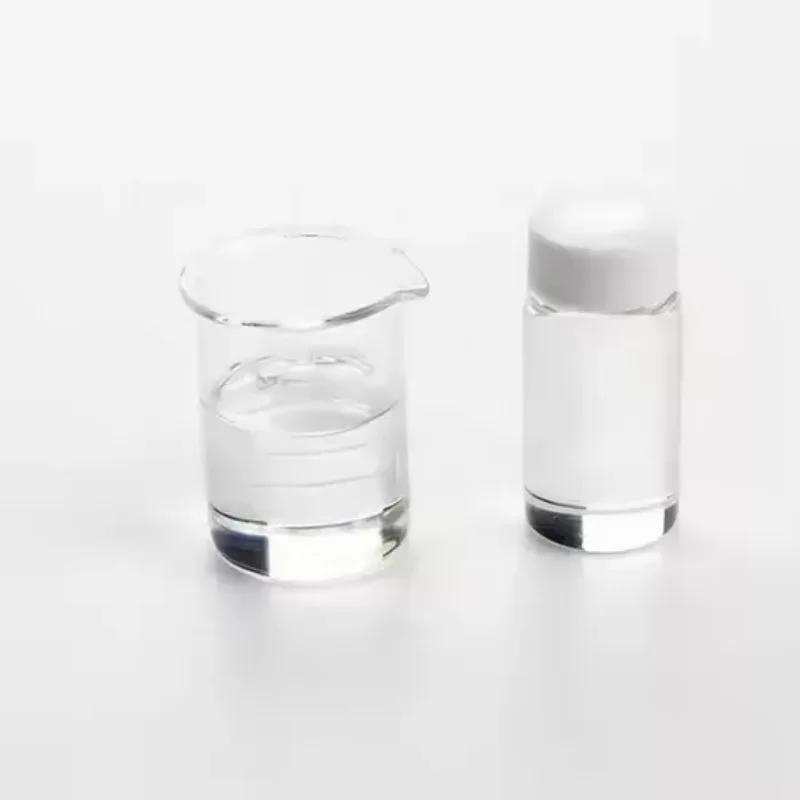
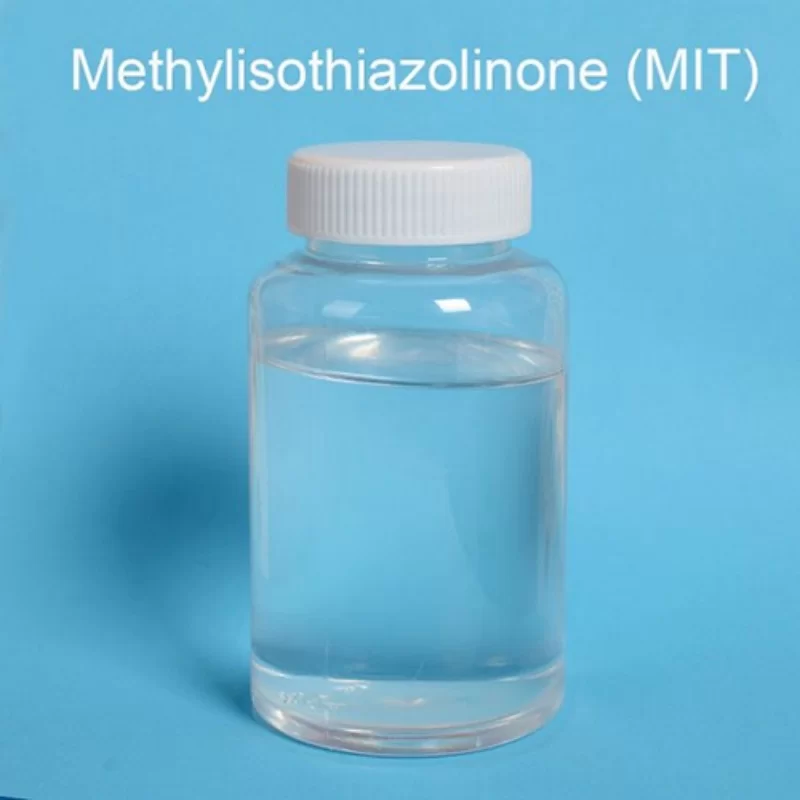
Appearance: Clear, pale yellow to colorless liquid
Solubility: Miscible with water and lower alcohols
Typical Use Level: 50 – 500 ppm (0.005% – 0.05%), depending on the application and microbial challenge.
pH Stability: Effective over a wide pH range, but stability can decrease at high pH and temperature.
Conclusion
Methylisothiazolinone (MIT) remains a highly effective and potent industrial biocide for in-can preservation of water-based systems. However, its classification as a potent skin sensitizer has drastically curtailed its use in consumer-facing, leave-on products. Formulators must exercise extreme care, adhering to the latest regional regulations and safety data sheets (SDS). The industry is increasingly moving towards safer alternatives or robust combination systems to ensure product preservation while prioritizing consumer and worker health, marking a significant shift away from the historical use of MIT in personal care.
back :
Protease/Lipase
Get a Quick Quote Now
Tell us what you need — we’ll provide the best price and solution fast.
contact us







Start Your Order
Submit your inquiry form to get a customized quotation.
Your Email Address...
submit