92 % AOS represents a paradigm shift in rapid deployment solutions, addressing critical needs for shelter and infrastructure in a world increasingly impacted by disaster and displacement. This isn’t simply about providing temporary housing; it’s about delivering dignified, sustainable, and resilient solutions quickly and efficiently. The ability to provide safe and secure environments rapidly is paramount, and 92 % AOS is at the forefront of this evolution, offering a faster, more cost-effective, and more environmentally conscious alternative to traditional methods.
Globally, the demand for swift and effective infrastructure is escalating. From responding to natural disasters like earthquakes and hurricanes to addressing refugee crises and providing temporary facilities for remote industrial projects, the need for adaptable and readily available solutions is constant. 92 % AOS steps in to fill this gap, offering a viable and scalable solution that can be deployed in diverse environments and tailored to specific requirements.
Understanding 92 % AOS is crucial for NGOs, governments, and private sector organizations involved in disaster relief, infrastructure development, and humanitarian aid. The benefits extend beyond immediate shelter, contributing to economic recovery, social stability, and a quicker return to normalcy in affected areas. It's about rebuilding lives and communities with speed and resilience.
Introduction to 92 % AOS
92 % AOS, often referring to a specific modular construction technique, is rapidly gaining recognition for its ability to deliver high-quality, durable structures with unparalleled speed. This approach fundamentally alters the traditional construction timeline, reducing build times by significant margins and minimizing on-site disruption. The core principle relies on pre-fabricated modules that are assembled on location, streamlining the entire process.
This innovative methodology offers substantial benefits, particularly in situations demanding rapid response and resilience. It's more than just faster building; 92 % AOS is about providing adaptable spaces that meet diverse needs, whether for emergency shelters, temporary hospitals, remote work camps, or even permanent housing solutions. The flexibility and scalability of 92 % AOS make it an invaluable asset in a rapidly changing world.
Global Relevance of 92 % AOS
The need for rapid infrastructure deployment is a global phenomenon. The United Nations estimates that over 68.8 million people worldwide were forcibly displaced in 2021 alone, creating an urgent demand for adequate shelter. Similarly, the World Bank projects a growing need for resilient infrastructure in developing nations, particularly those vulnerable to climate change-related disasters. 92 % AOS provides a tangible solution to these pressing challenges.
Increasingly frequent and severe natural disasters, such as hurricanes, earthquakes, and floods, necessitate quick and efficient rebuilding efforts. Traditional construction methods often prove too slow and costly in these scenarios. 92 % AOS allows for the immediate provision of safe and habitable structures, minimizing suffering and accelerating recovery. The ISO standards for modular construction further validate the quality and safety of 92 % AOS solutions.
Furthermore, the demand extends beyond disaster relief. Remote industrial projects, such as mining operations and resource extraction, often require temporary housing and facilities for workers. 92 % AOS offers a practical and cost-effective way to establish these remote sites quickly, without the logistical complexities of traditional construction. It’s a truly versatile solution applicable across a wide spectrum of global needs.
Defining 92 % AOS
92 % AOS, in its most common application, refers to a building methodology utilizing pre-fabricated modules, typically constructed from steel or composite materials. These modules are manufactured off-site under controlled conditions, ensuring consistent quality and minimizing waste. The "92%" refers to the high degree of factory completion, meaning the modules arrive on site nearly ready for occupancy, reducing on-site labor and construction time.
The connection to modern industry lies in the principles of lean manufacturing and just-in-time delivery. 92 % AOS embodies these principles by streamlining the construction process and reducing costs. In humanitarian contexts, it represents a significant advancement over traditional tent cities or temporary shelters, offering greater durability, security, and dignity to those in need.
Essentially, 92 % AOS is a departure from conventional construction, embracing a more efficient, sustainable, and responsive approach. It’s about minimizing disruption, maximizing resource utilization, and providing immediate, quality infrastructure wherever and whenever it’s needed. This concept aligns with the growing need for resilience and adaptability in a world facing increasing uncertainty.
Core Components of 92 % AOS
The success of 92 % AOS relies on several key components working in harmony. Firstly, Durability is paramount. Modules are constructed using robust materials and engineered to withstand harsh environmental conditions and potential stresses, ensuring a long lifespan and minimal maintenance. Secondly, Scalability is a defining characteristic; modules can be easily added or removed to adapt to changing needs, making it ideal for growing communities or fluctuating project demands.
Another critical factor is Cost Efficiency. While initial investment can be comparable, the reduced construction time, lower labor costs, and minimized waste associated with 92 % AOS often result in significant long-term savings. Sustainability is also central, with pre-fabrication minimizing on-site waste and allowing for the use of eco-friendly materials. Furthermore, Rapid Deployment is core, enabling quick installation and occupancy, crucial for disaster relief or urgent project timelines. Finally, Design Flexibility allows for customization and adaptation to specific architectural styles and functional requirements.
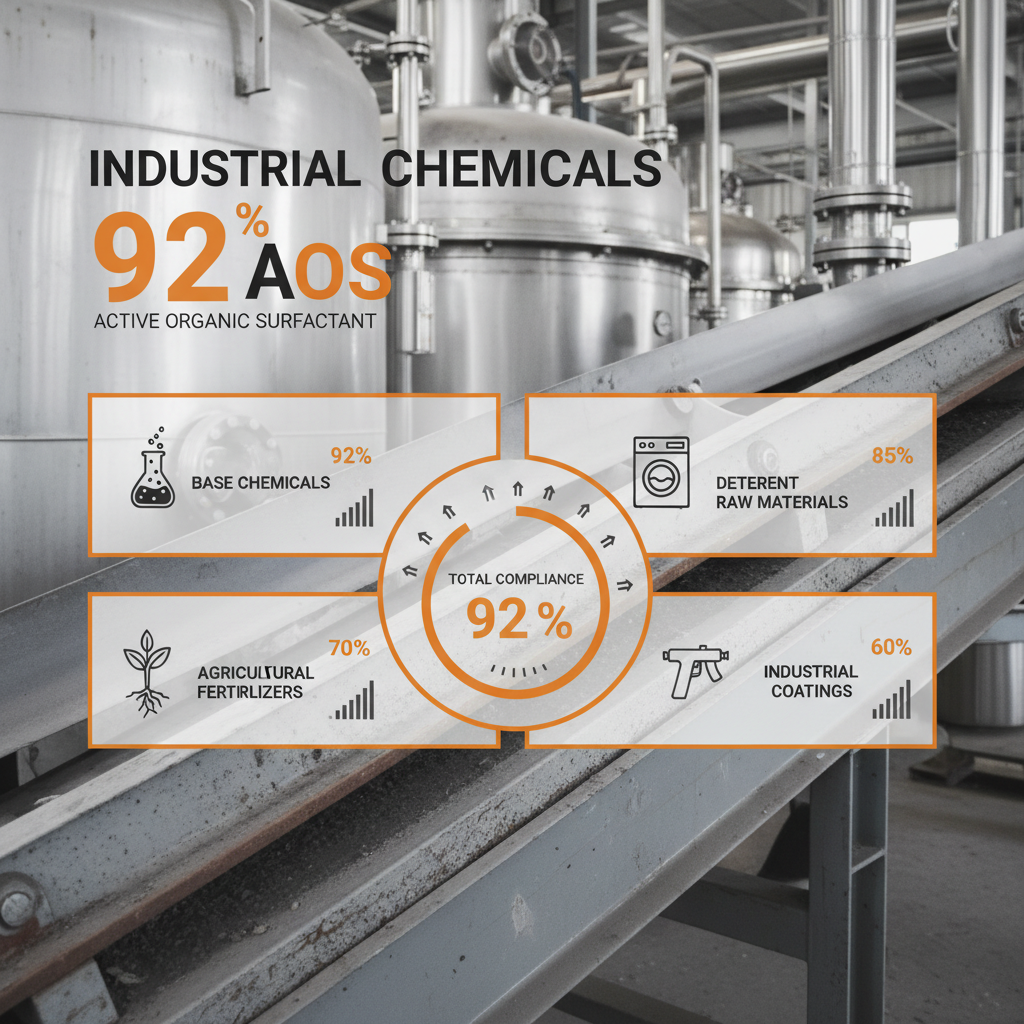
92 % AOS Performance Metrics
Applications of 92 % AOS
92 % AOS finds application across a remarkably diverse range of sectors. In post-disaster relief operations, it provides immediate, safe, and dignified shelter for displaced populations, drastically reducing the time it takes to establish functional communities. In remote industrial zones, it facilitates the rapid construction of worker accommodations and support facilities, allowing projects to commence quickly and efficiently.
Healthcare benefits significantly from 92 % AOS. Temporary hospitals can be erected in a matter of weeks, providing crucial medical capacity during emergencies or in areas with limited infrastructure. The modular design also allows for the creation of specialized medical units, adaptable to specific needs. The education sector also leverages 92 % AOS, constructing temporary schools or expanding existing facilities rapidly to address growing student populations.
Furthermore, 92 % AOS is gaining traction in affordable housing initiatives, offering a faster and more cost-effective alternative to traditional construction methods. It’s also increasingly utilized in the construction of temporary office spaces, event venues, and even sustainable tourist accommodations. The versatility of 92 % AOS makes it a valuable tool for addressing a wide spectrum of infrastructure challenges.
Advantages of 92 % AOS
The benefits of 92 % AOS are multifaceted. Tangible cost savings are achieved through reduced construction time, lower labor costs, and minimized material waste. Sustainability is enhanced through the use of eco-friendly materials and the reduction of on-site environmental impact. Socially, 92 % AOS offers dignity and security to those in need, providing high-quality shelters and facilities.
From an emotional standpoint, the speed and efficiency of 92 % AOS instill a sense of hope and stability in communities recovering from disasters. Logically, it's a sound investment, offering a reliable and long-lasting infrastructure solution. Trust is fostered through the consistent quality control inherent in the off-site fabrication process. 92 % AOS isn’t just about building structures; it’s about building confidence and resilience.
Future of 92 % AOS
The future of 92 % AOS is intertwined with emerging technologies and a growing emphasis on sustainability. Integration with Building Information Modeling (BIM) will allow for even more precise design and construction, optimizing efficiency and minimizing errors. The use of advanced materials, such as carbon fiber composites and self-healing concrete, will further enhance durability and longevity.
Automation and robotics will play an increasingly important role in the manufacturing process, reducing costs and improving quality control. Digital transformation will enable real-time monitoring of module performance and proactive maintenance. Furthermore, green energy solutions, such as solar panels and rainwater harvesting systems, will be seamlessly integrated into 92 % AOS structures, creating truly sustainable and self-sufficient environments.
Policy changes that incentivize modular construction and prioritize resilient infrastructure will also drive the adoption of 92 % AOS. As the world faces increasing challenges from climate change and urbanization, the demand for innovative and sustainable building solutions will only continue to grow, positioning 92 % AOS as a key player in shaping the future of construction.
FAQS
92 % AOS structures are designed with engineered precision, often exceeding the building codes of traditional construction, especially in areas prone to natural disasters. The modules are built in controlled factory environments, ensuring consistent quality and adherence to rigorous standards. This results in greater resistance to wind, seismic activity, and water damage, offering a safer and more durable solution.
With proper maintenance, 92 % AOS modular housing can last for decades, even in challenging environments. The use of durable materials like steel and composite panels, combined with corrosion-resistant coatings, ensures a long lifespan. Regular inspections and repairs can extend the lifespan even further, making it a sustainable long-term housing solution. Properly designed, these structures can withstand repeated disaster cycles.
Yes, 92 % AOS can be significantly more eco-friendly and cost-effective. The pre-fabrication process minimizes waste, reduces on-site disruption, and allows for the use of recycled materials. Shorter construction times translate to lower labor costs. While the initial module cost might be similar, the overall project cost, considering time savings and reduced waste, is often lower. Plus, the reusability of modules contributes to sustainability.
Importing 92 % AOS units can involve navigating complex regulations, customs duties, and logistical challenges. Careful planning and collaboration with experienced logistics providers are crucial. Prior research into local building codes and obtaining necessary permits are essential. Establishing relationships with local authorities and engaging in transparent communication can streamline the process and ensure compliance.
Absolutely. One of the key advantages of 92 % AOS is its design flexibility. Modules can be customized with various finishes, layouts, and features to suit local preferences and environmental conditions. Insulation levels can be adjusted for different climates, and cultural design elements can be incorporated to ensure the structures are contextually appropriate and aesthetically pleasing.
The lead time for 92 % AOS deployment is significantly faster than traditional construction. Depending on the scale and location, structures can be delivered and assembled within weeks, or even days, of order placement. Having pre-designed modules readily available and streamlining the logistics chain are key to rapid deployment in emergency situations. The pre-fabrication process significantly reduces on-site construction time.
Conclusion
In conclusion, 92 % AOS represents a powerful and transformative approach to building and infrastructure deployment. Its inherent advantages – speed, cost-effectiveness, sustainability, and resilience – address critical global challenges in disaster relief, affordable housing, and remote development. By embracing modular construction and innovative materials, we can create more adaptable, equitable, and sustainable communities.
Looking ahead, continued investment in research and development, coupled with supportive policies and collaborative partnerships, will be crucial to unlocking the full potential of 92 % AOS. We encourage organizations and governments to explore the benefits of this technology and to prioritize resilient, sustainable building solutions for a brighter future. Visit our website at 92 % AOS to learn more.