Detergent Grade Sodium Percarbonate: A Comprehensive Guide
Sodium percarbonate is a powerful oxidizing agent widely used in detergents, cleaning products, and various industrial applications. It's an environmentally friendly alternative to chlorine-based bleaches, offering excellent cleaning and whitening properties. This article explores the properties, applications, benefits, and considerations when using detergent grade sodium percarbonate. We'll delve into why it's becoming a staple in both household and industrial cleaning solutions.
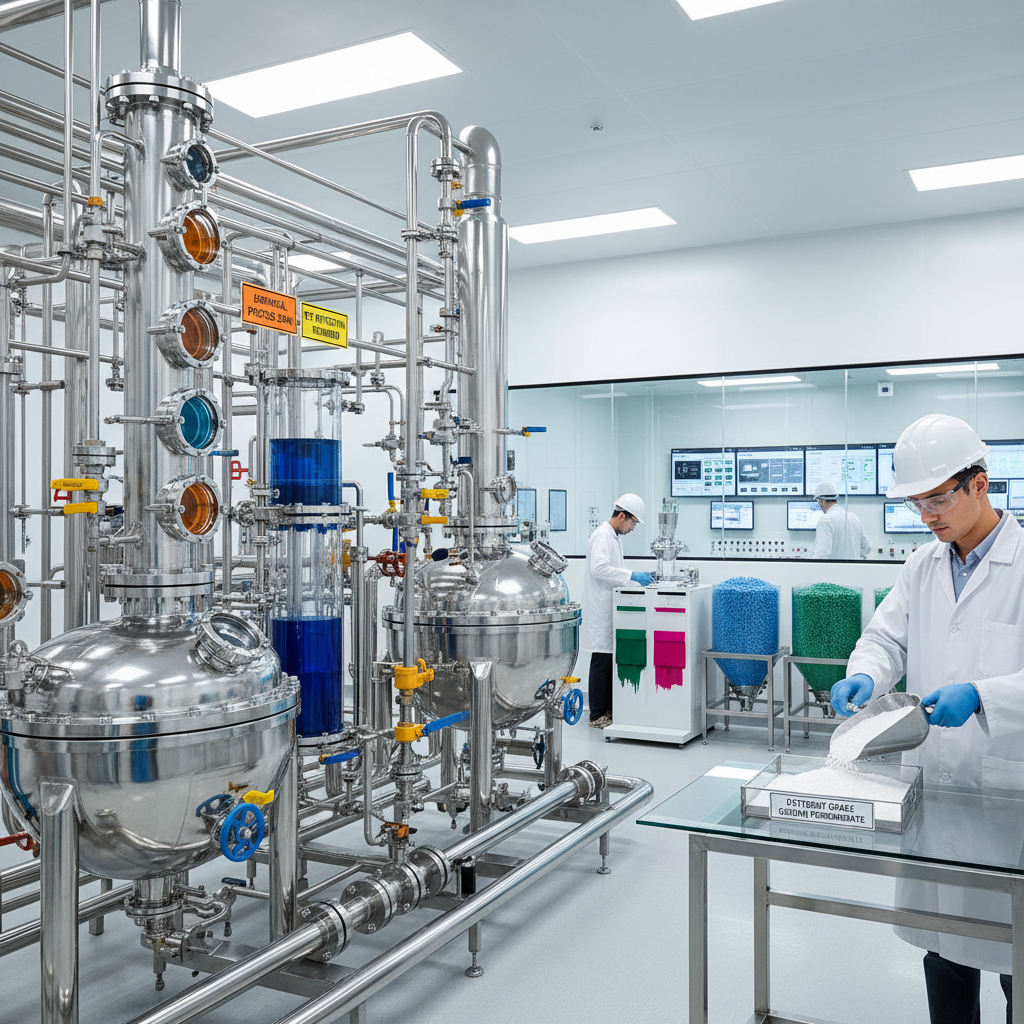
Understanding the Properties of Sodium Percarbonate
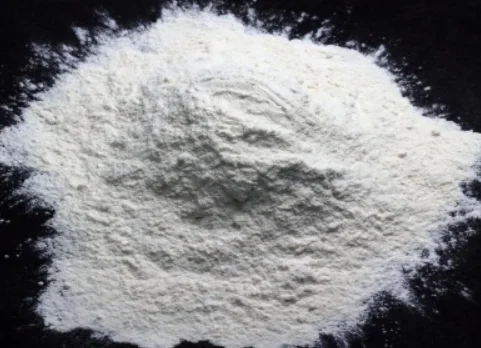
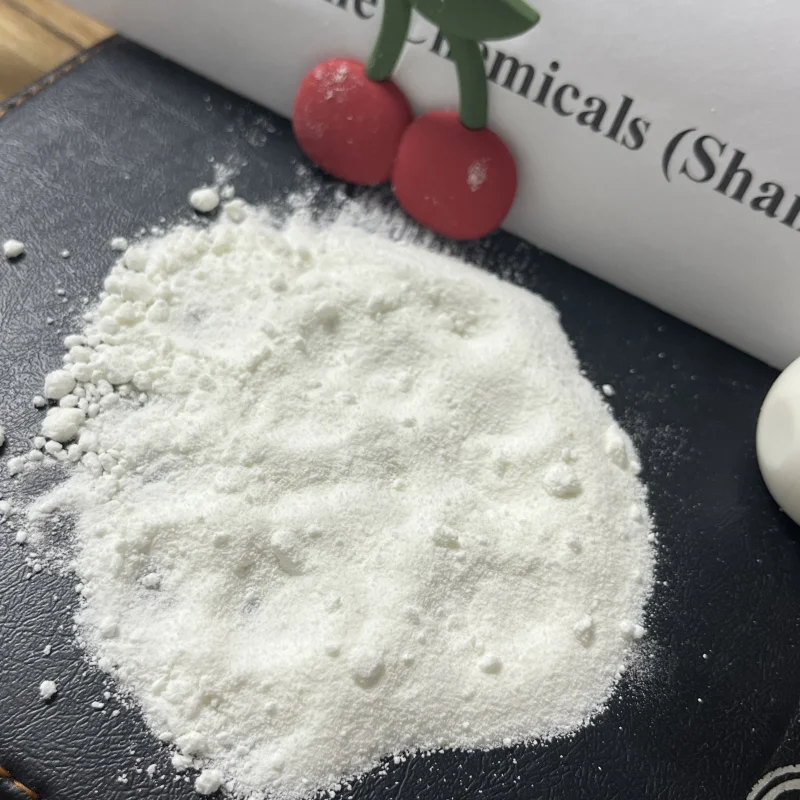
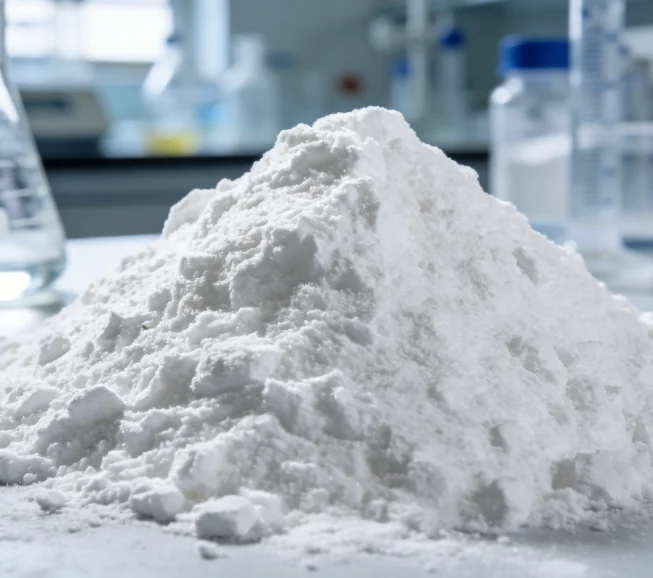
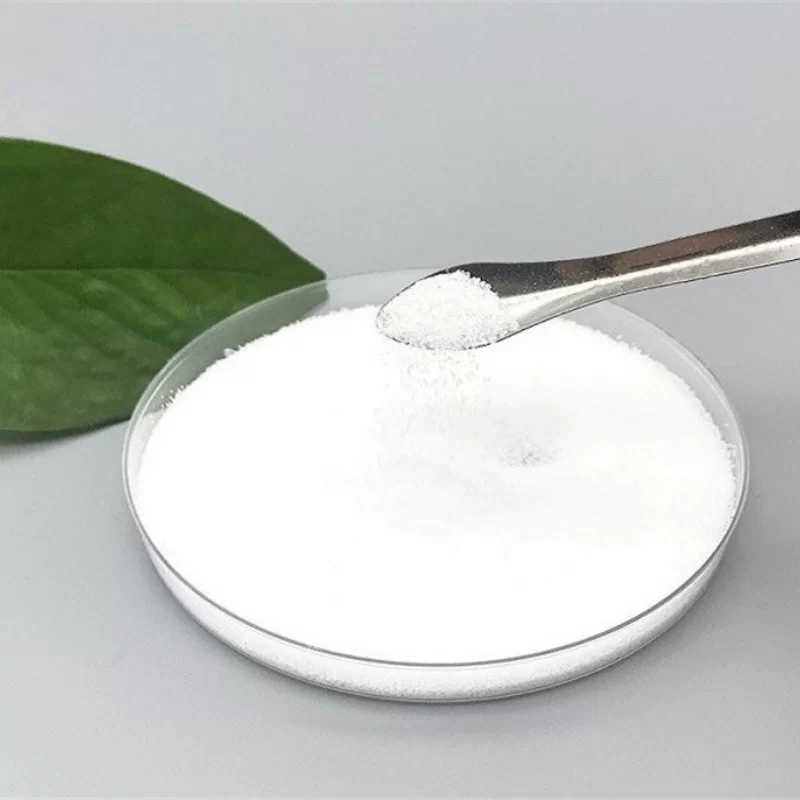
Sodium percarbonate (2Na₂CO₃·3H₂O₂) is a chemical compound formed by combining sodium carbonate and hydrogen peroxide. It appears as a white, granular powder. When dissolved in water, it decomposes into sodium carbonate (washing soda) and hydrogen peroxide, releasing oxygen. This released oxygen acts as a bleaching and oxidizing agent, effectively removing stains and disinfecting surfaces. The decomposition rate is influenced by water temperature; warmer water accelerates the process. It's important to note that sodium percarbonate is a relatively stable compound when kept dry, but prolonged exposure to moisture can cause it to degrade.
Key Properties: Powerful oxidizing agent, environmentally friendly, decomposes into sodium carbonate and hydrogen peroxide, effective bleaching and disinfecting properties.
Key Applications of Detergent Grade Sodium Percarbonate
The versatile nature of sodium percarbonate allows it to be used in a wide range of applications. In laundry detergents, it effectively brightens whites and removes colored stains. It's also a key ingredient in automatic dishwasher detergents, where it helps to remove stubborn food residues. Beyond laundry and dishwashing, it finds application in cleaning hard surfaces like tiles and grout, removing mold and mildew, and even in certain textile bleaching processes. Its environmentally friendly profile makes it a popular choice for eco-conscious consumers and manufacturers. ZJSLES provides high-quality sodium percarbonate for a variety of these applications.
Application Areas:
• Laundry detergents
• Automatic dishwasher detergents
• Hard surface cleaning
• Mold and mildew removal
Sodium Percarbonate vs. Chlorine Bleach: A Comparative Analysis
Traditionally, chlorine bleach has been the go-to solution for whitening and disinfecting. However, sodium percarbonate offers a compelling alternative with several advantages. Chlorine bleach releases harmful chemicals during use and can be damaging to the environment. In contrast, sodium percarbonate breaks down into harmless components – sodium carbonate and water – making it a more sustainable option. While chlorine bleach is a stronger oxidant, sodium percarbonate effectively tackles most everyday stains and offers a gentler cleaning action.
Factors Affecting the Effectiveness of Sodium Percarbonate
Several factors influence how well sodium percarbonate performs. Water temperature plays a crucial role, with warmer water accelerating the decomposition process and enhancing its cleaning power. Water hardness can also impact effectiveness, as minerals in hard water can reduce the concentration of active oxygen. The presence of activators, such as TAED (tetraacetylethylenediamine), can significantly boost performance, especially at lower temperatures. Proper storage is vital, keeping the product in a cool, dry place to prevent premature degradation.
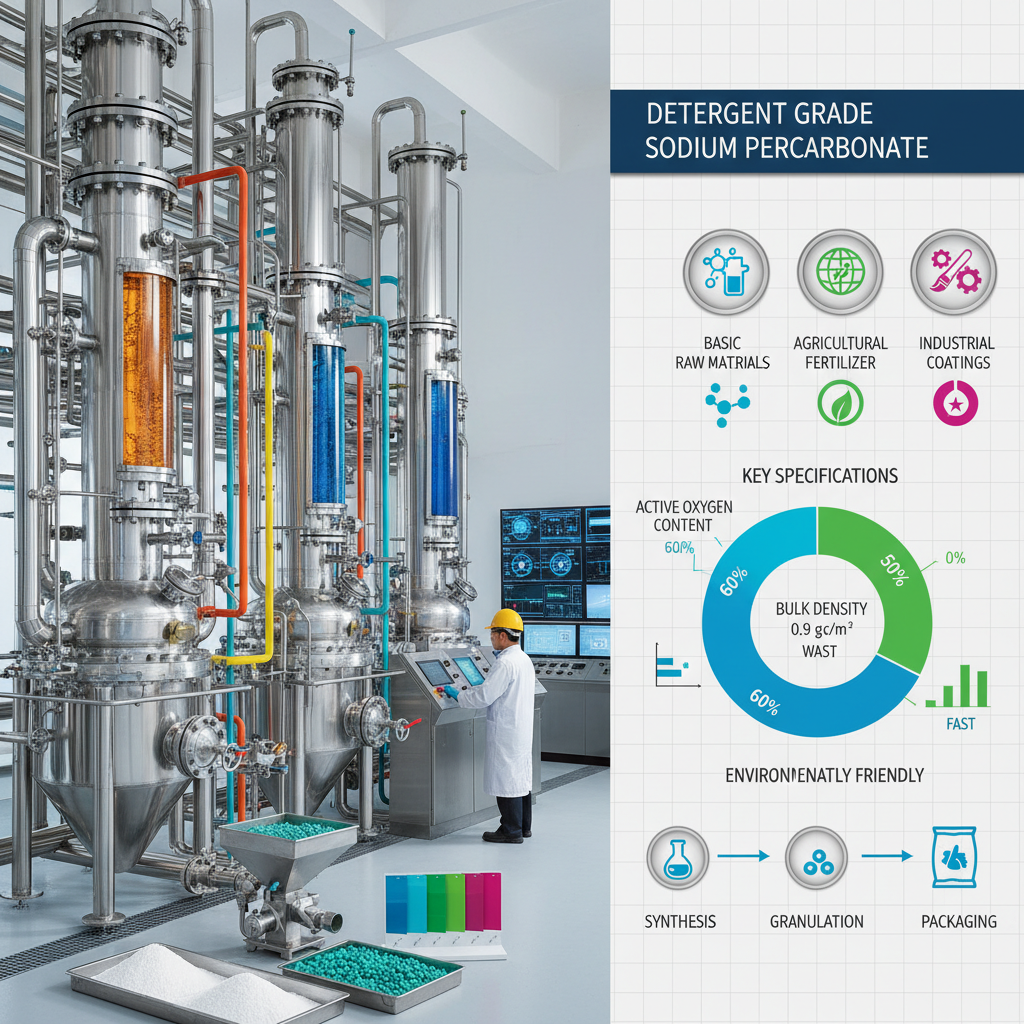
Product Specifications and Grades
Sodium percarbonate is available in various grades, depending on the intended application. Detergent grade typically refers to a purity level optimized for use in cleaning products. Key specifications include active oxygen content (usually around 7.5% - 12%), moisture content (typically below 0.5%), and particle size distribution. ZJSLES offers various grades to suit specific requirements, with detailed specifications available upon request.
Conclusion: A Sustainable Cleaning Solution
In conclusion, detergent grade sodium percarbonate presents a powerful, environmentally friendly alternative to traditional bleaching agents. Its versatility, effectiveness, and safety profile make it an ideal choice for a wide range of cleaning applications. By choosing sodium percarbonate, consumers and businesses can contribute to a more sustainable future without compromising on cleaning performance.
Frequently Asked Questions (FAQs)
Is sodium percarbonate safe for septic systems?
Yes, sodium percarbonate is generally considered safe for septic systems. It breaks down into environmentally friendly components (sodium carbonate and water) that do not harm the beneficial bacteria in a septic tank. Unlike chlorine bleach, it won't disrupt the delicate balance of the septic system. However, it's always advisable to use cleaning products in moderation, even if they are considered septic-safe.
How should I store sodium percarbonate?
Sodium percarbonate should be stored in a cool, dry, and well-ventilated area. Exposure to moisture can cause it to decompose and lose its effectiveness. Keep it tightly sealed in its original container, away from direct sunlight and heat sources. Avoid storing it near flammable materials. Proper storage will ensure the product maintains its quality and performance over time.
Can I use sodium percarbonate on colored fabrics?
While sodium percarbonate is generally considered color-safe, it's always recommended to test it on an inconspicuous area of the fabric first. Some dyes may be sensitive to oxidation, and prolonged exposure could cause fading. For delicate or brightly colored fabrics, consider using a lower concentration of sodium percarbonate or a shorter soaking time. Always follow the garment's care instructions.
What are the benefits of choosing ZJSLES for sodium percarbonate?
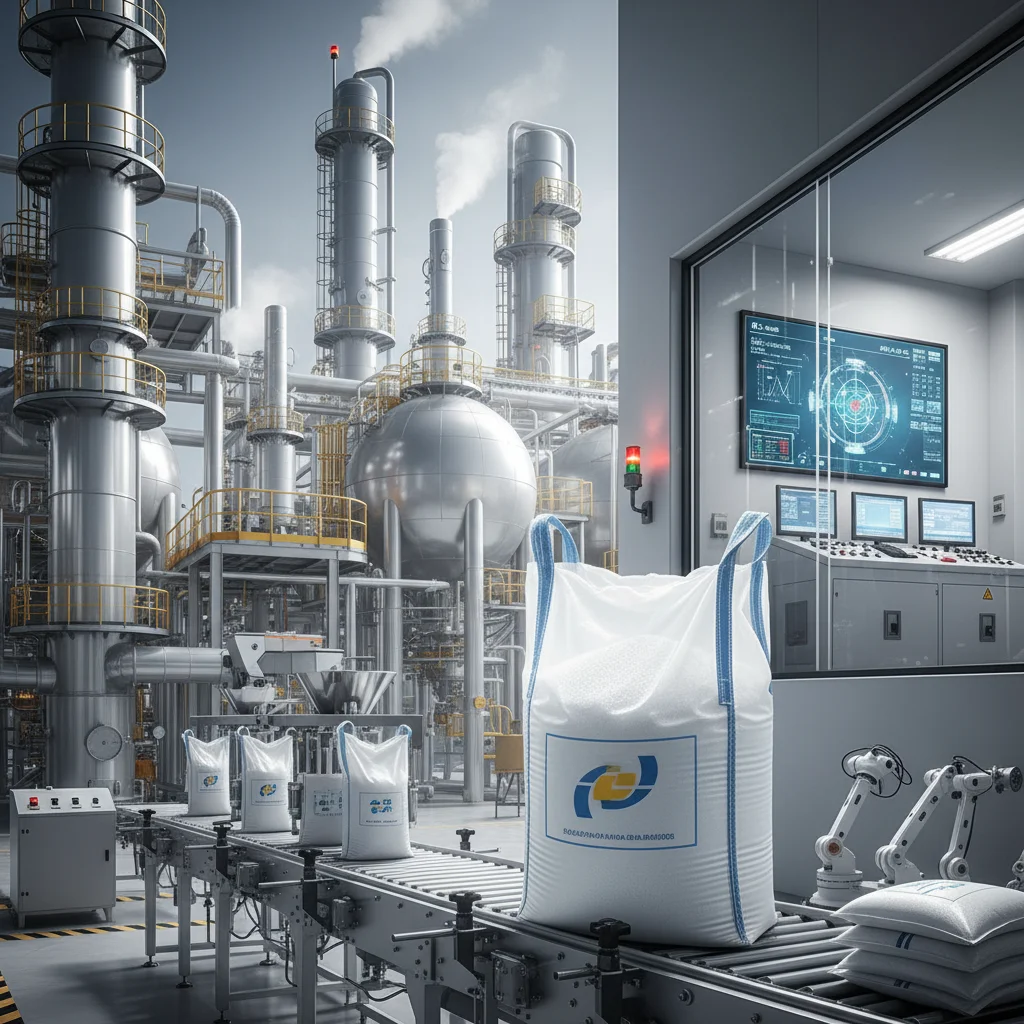
ZJSLES is a trusted supplier of high-quality sodium percarbonate, offering consistent purity and performance. We provide various grades to meet specific application needs, along with detailed technical specifications and reliable customer support. We are committed to sustainable practices and responsible manufacturing, ensuring a reliable and environmentally conscious supply of this valuable chemical.