Description
Sodium Sulfate Anhydrous: The Versatile Filler and Processing Aid Across Industries
Chemical Profile and Overview
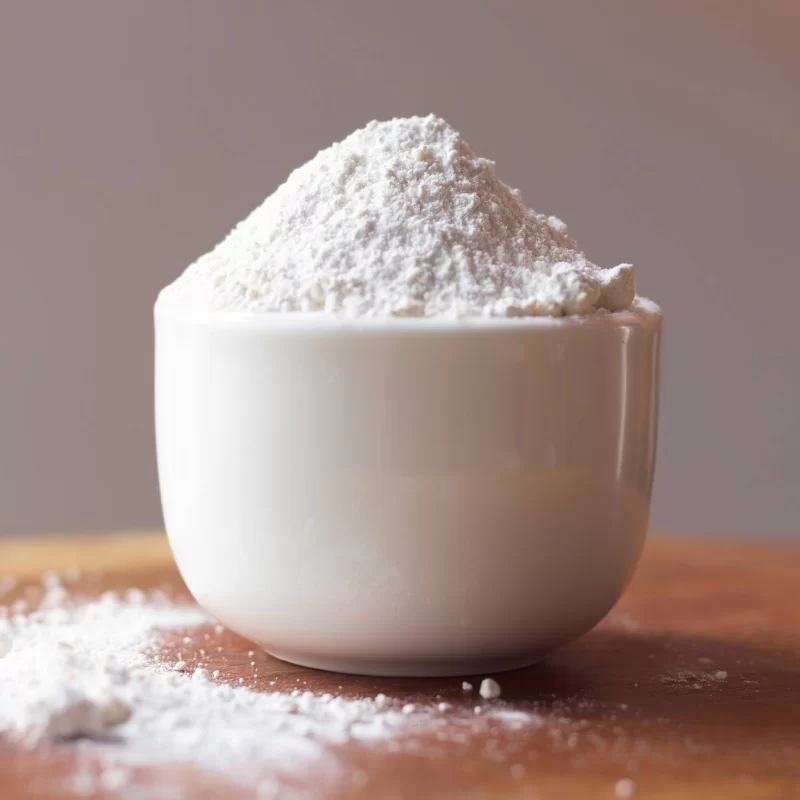
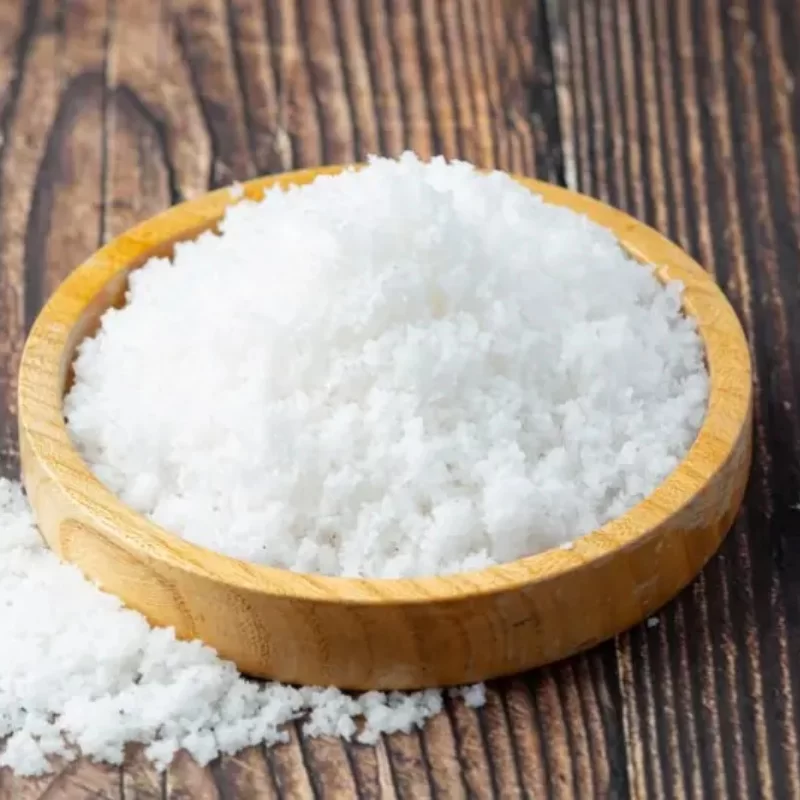
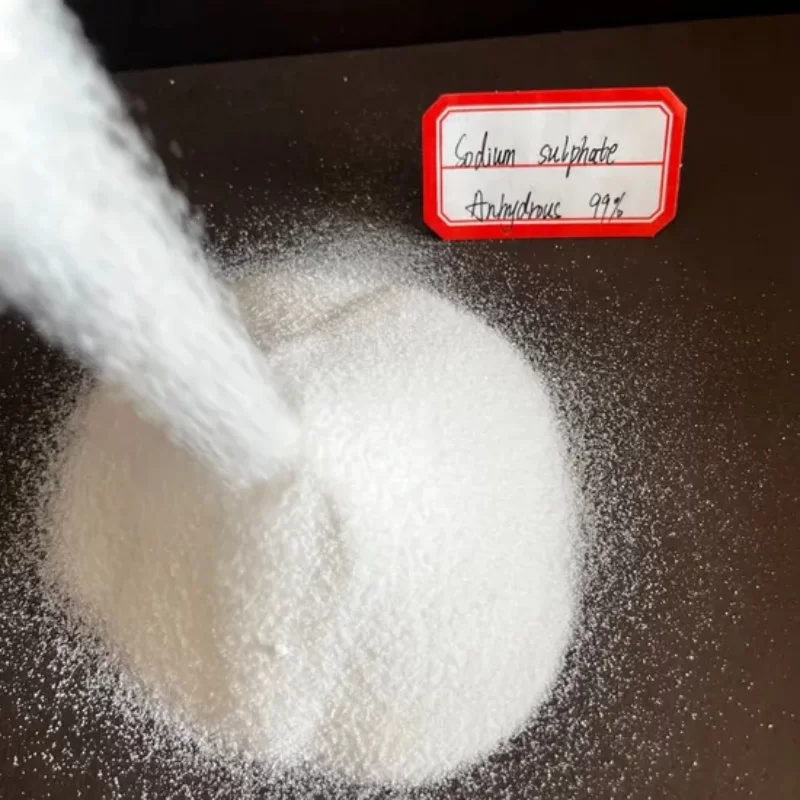
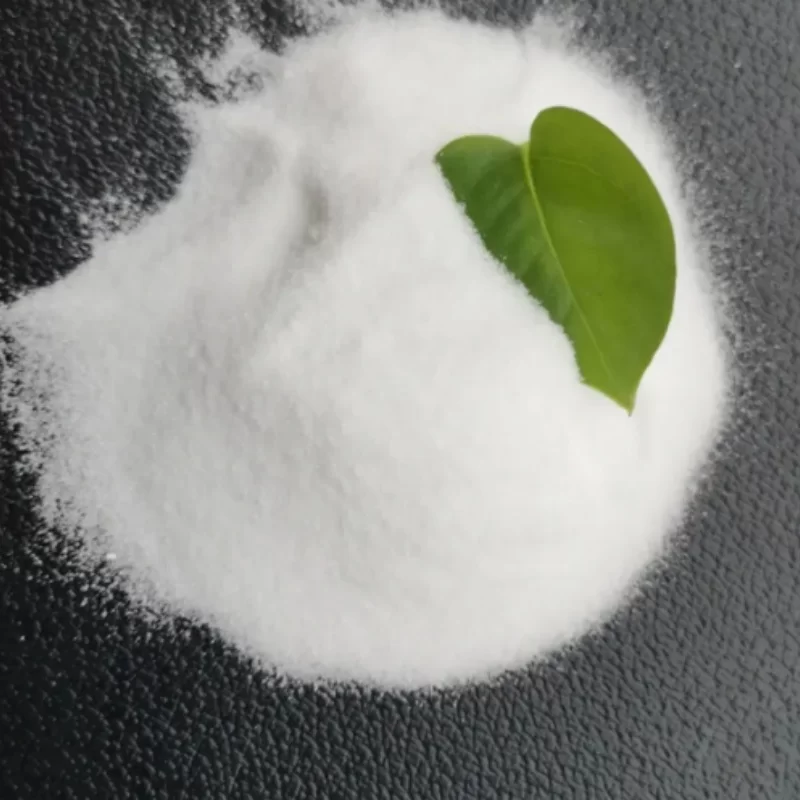
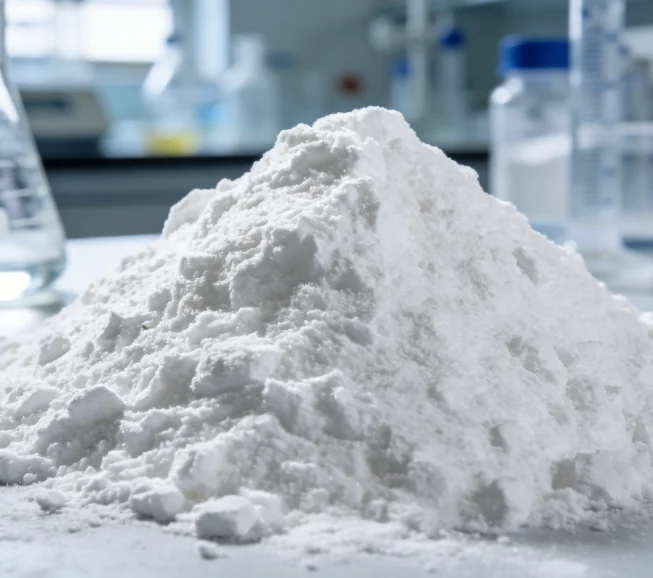
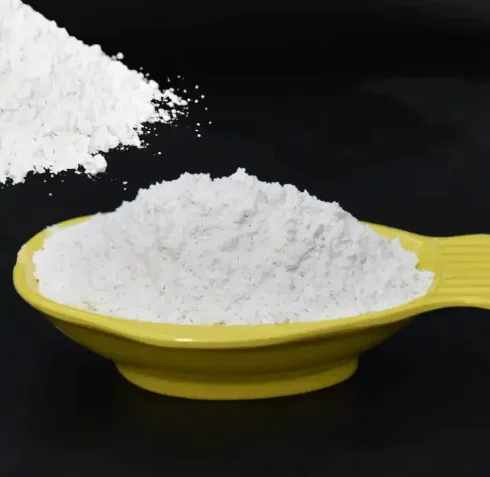
Sodium Sulfate Anhydrous, with the chemical formula Na₂SO₄, is the dehydrated sodium salt of sulfuric acid, appearing as a white, crystalline powder or granules. Unlike its hydrated form (Glauber's Salt, Na₂SO₄·10H₂O), the anhydrous version is free of water molecules, making it highly stable and hygroscopic only under conditions of very high humidity. This compound is valued for its chemical inertness, high solubility in water, and low cost, serving as a fundamental processing aid, filler, and additive in a remarkably diverse range of industrial applications, from detergents to glass manufacturing.
Primary Functions and Mechanism of Action
The utility of Sodium Sulfate Anhydrous stems from its fundamental physical and chemical properties. Its key functions include acting as an inert filler to add bulk and control density in powdered products, serving as a processing aid to lower the melting point of glass batches, and functioning as a levelling agent in textile dyeing by promoting even dye migration. As a neutral salt, it does not significantly alter pH but can exert a mild salting-out effect in aqueous solutions, helping to separate dissolved organic compounds.
Applications in Detergent and Cleaning Products
In the detergent industry, Sodium Sulfate Anhydrous is a ubiquitous ingredient, particularly in powdered laundry detergents. Its primary role is that of a cost-effective filler or builder, which helps to standardize product density, prevent caking, ensure free-flowing properties, and provide bulk for easier dispensing. Furthermore, in certain formulations, it can synergistically enhance the cleaning efficiency of surfactants by slightly increasing the ionic strength of the wash water, which can improve surfactant deposition on fabrics.
Applications in Glass Manufacturing
A significant volume of Sodium Sulfate Anhydrous is consumed by the glass industry. Here, it functions as a fining agent in the melting process. When added to the glass batch (typically in concentrations of 0.5-1.5%), it decomposes at high temperatures, releasing sulfur gases that help to remove small air bubbles from the molten glass. This results in a final glass product that is clearer, more homogeneous, and free of undesirable seeds and blisters.
Applications in Textile and Chemical Processing
The textile industry relies on Sodium Sulfate Anhydrous (often referred to as "salt cake") as a levelling agent in dyeing processes, particularly for cellulose fibers like cotton with direct or reactive dyes. It facilitates the slow and uniform migration of dyes onto the fabric, ensuring consistent color without splotches. In chemical synthesis, it is commonly used as an inert drying agent for organic liquids, due to its high capacity for absorbing water traces.
Typical Physical and Chemical Properties
Chemical Formula: Na₂SO₄
Appearance: White, crystalline powder or granules
Purity: Typically ≥99%
Bulk Density: ~1.0 g/cm³ (varies with grade)
Solubility in Water: 28.1 g/100 mL (25°C)
PH (5% solution): ~6-8 (neutral)
Conclusion
Sodium Sulfate Anhydrous is an indispensable, economical, and multifunctional industrial material. Its roles as a filler in detergents, a fining agent in glass, and a levelling agent in textiles highlight its broad utility. While seemingly a simple commodity chemical, its contribution to product performance, manufacturing efficiency, and cost-effectiveness across multiple sectors makes it a quietly essential component in global industrial processes.
next :
Sodium Citrate
back :
Sodium Silicate


Get a Quick Quote Now
Tell us what you need — we’ll provide the best price and solution fast.
contact us







Start Your Order
Submit your inquiry form to get a customized quotation.
Your Email Address...
submit