
Description
Sodium Citrate: The Multifunctional Ingredient for Food, Pharma, and Detergent Applications
Chemical Profile and Overview
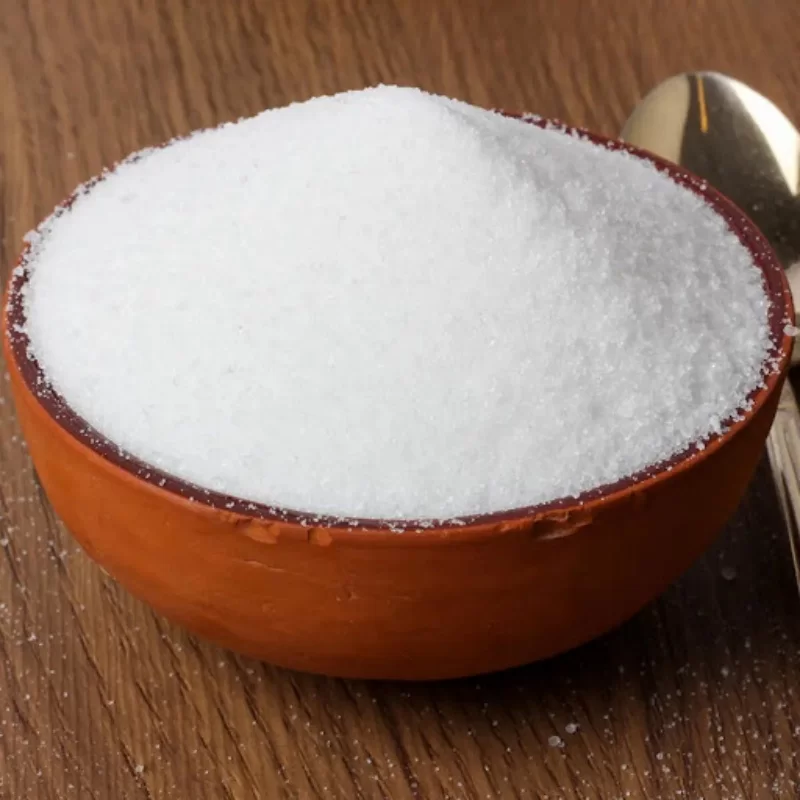
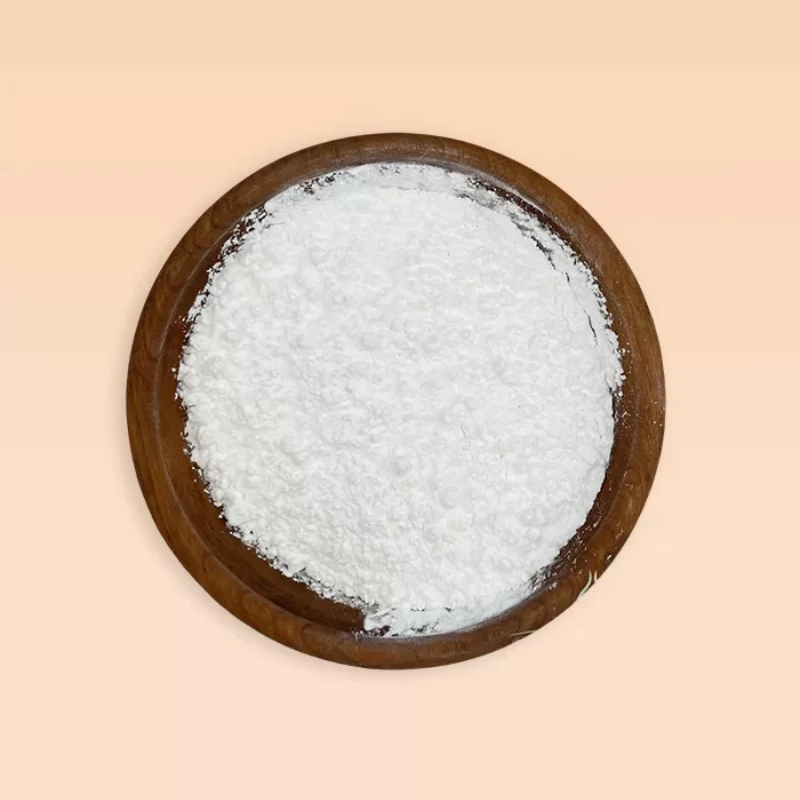
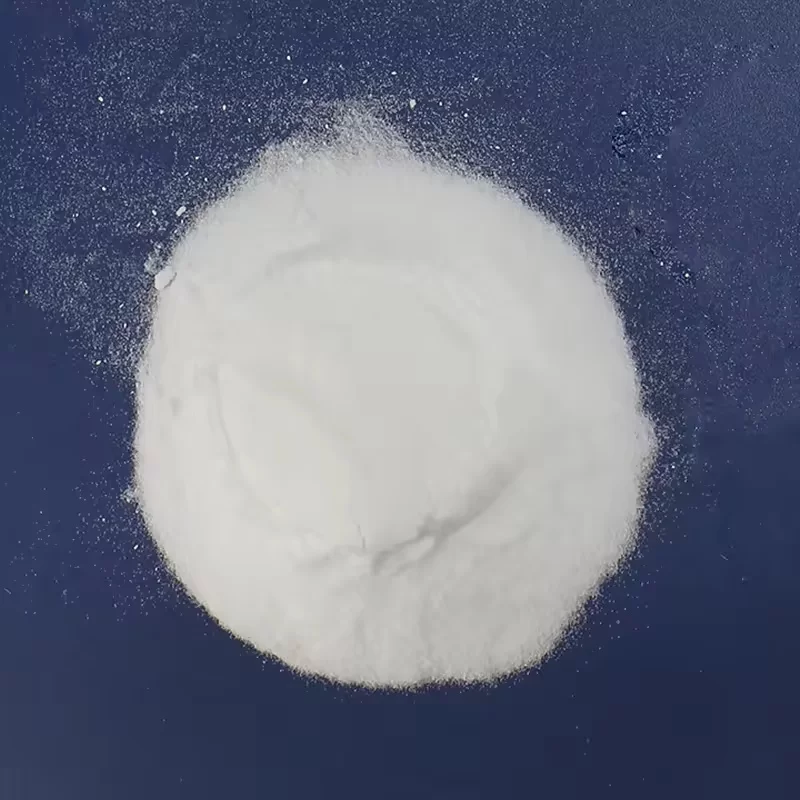
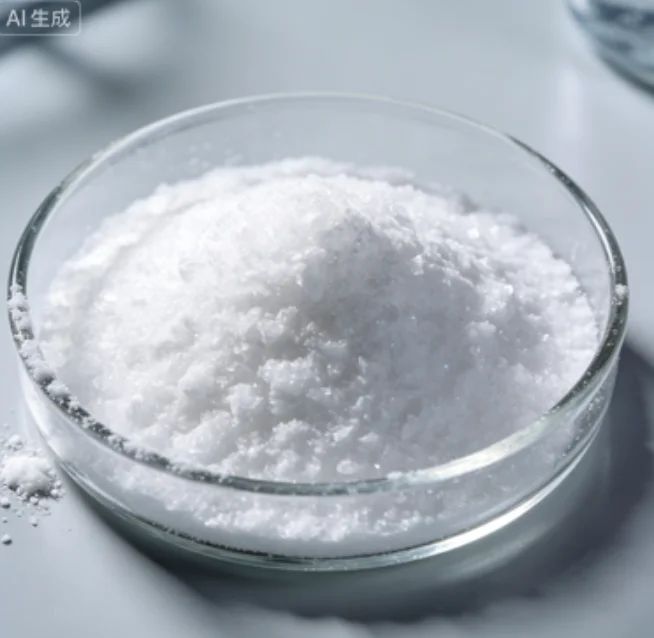
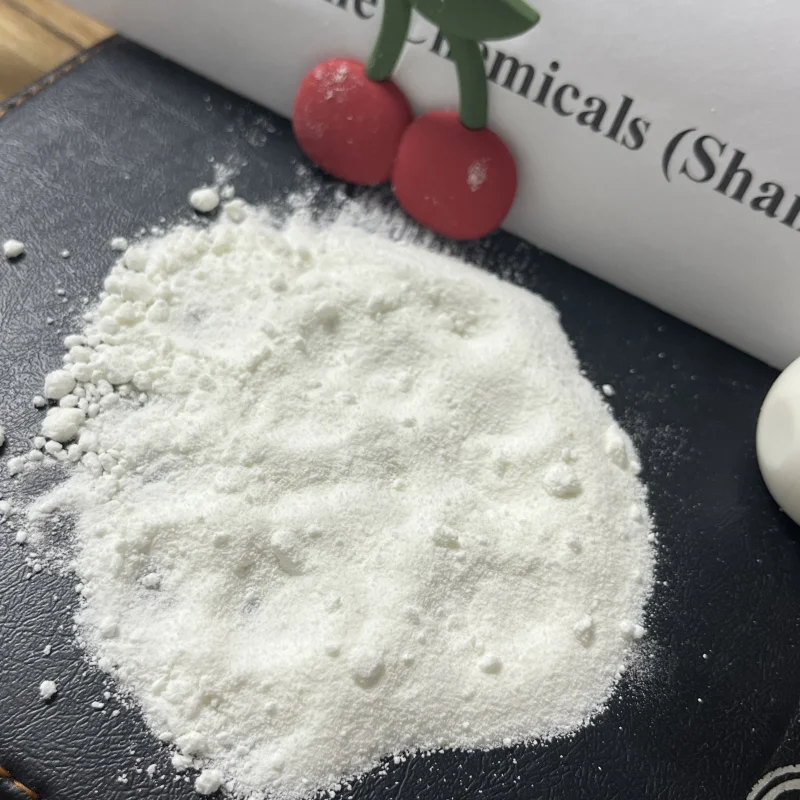
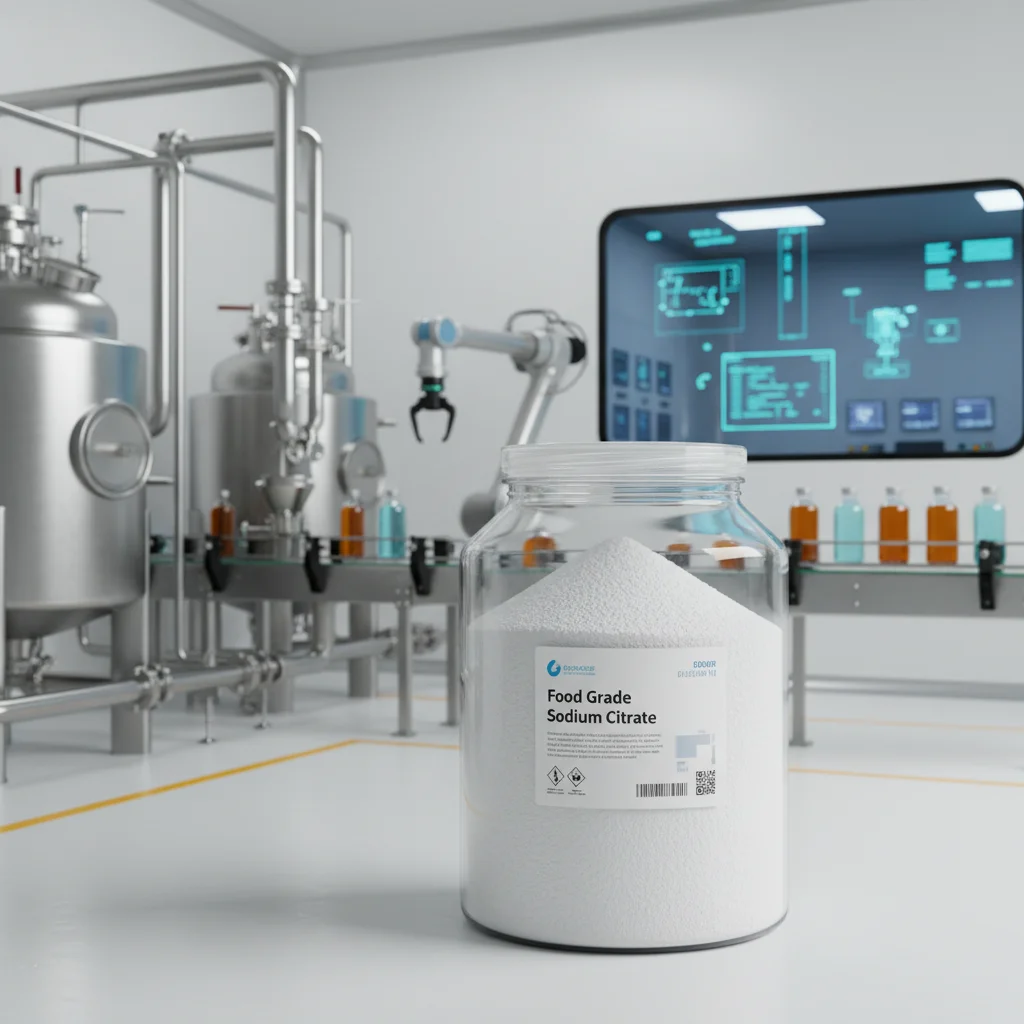
Sodium Citrate, scientifically known as Sodium 2-hydroxypropane-1,2,3-tricarboxylate, is the sodium salt of citric acid. It is available in different forms, primarily as monosodium citrate, disodium citrate, and the most common and versatile form, trisodium citrate dihydrate (C6H5Na3O7·2H2O). This white, crystalline powder or granules is renowned for its excellent solubility in water, mild saline taste, and non-toxic nature. As a multi-functional compound derived from a natural acid, it finds indispensable roles across the food, pharmaceutical, and industrial sectors, serving as a buffering agent, sequestrant, emulsifier, and stabilizer.
Key Functions and Mechanism of Action
The functionality of Sodium Citrate stems from its properties as an effective buffer and chelating agent. Its primary mechanism involves regulating and maintaining pH within a specific, stable range (typically around 7.5-9.0 for a 1% solution), which is crucial for the stability and efficacy of many formulations. Simultaneously, it acts as an excellent sequestrant, binding to metal ions such as calcium and magnesium. This chelation prevents these ions from causing oxidation, catalyzing decomposition, or interfering with the performance of other ingredients like surfactants. In dairy products, it specifically modifies the behavior of milk proteins.
Applications in Food and Beverage Industries
In the food industry, Sodium Citrate is a critical ingredient, recognized as safe (E331) by regulatory bodies worldwide. In processed cheese, it functions as an emulsifying salt, melting the cheese proteins (casein) to create a smooth, homogeneous, and stable melt without oil separation. In beverages, particularly carbonated soft drinks, it serves as a tartness modifier and acidity regulator, balancing the sharpness of citric acid. It also stabilizes emulsions in products like ice cream, prevents spoilage in meat products, and acts as an anticoagulant in blood collection tubes.
Applications in Detergents and Cleaning Products
Within the detergent industry, Sodium Citrate serves as a highly effective builder and co-builder. Its powerful chelation of water hardness ions (Ca²⁺ and Mg²⁺) prevents these ions from deactivating surfactants, thereby boosting cleaning efficiency and preventing soap scum formation. As a phosphate-free alternative, it aligns with global trends towards environmentally friendlier detergent formulations. Furthermore, its buffering capacity helps maintain an optimal alkaline pH for cleaning, and it contributes to the anti-redeposition of soils, keeping dirt suspended in the wash water.
Pharmaceutical and Medical Uses
In pharmaceuticals, Sodium Citrate is utilized as an alkalizing agent to correct acidity in the body or to maintain the stability of medications. Its most notable medical application is as an anticoagulant in blood collection tubes and during plasma apheresis, where it chelates calcium ions, an essential component of the blood clotting cascade. It is also a key component in oral solutions for the relief of urinary tract discomfort and as a laxative.
Conclusion
Sodium Citrate is a remarkably safe, versatile, and effective compound with a broad spectrum of applications. Its dual functionality as a buffering agent and a sequestrant makes it invaluable for ensuring product stability, enhancing performance, and improving safety in everything from food and beverages to laundry detergents and life-saving medical treatments. Its natural derivation and excellent safety profile further cement its status as a preferred ingredient in modern manufacturing.


Get a Quick Quote Now
Tell us what you need — we’ll provide the best price and solution fast.
contact us








Start Your Order
Submit your inquiry form to get a customized quotation.
Your Email Address...
submit