Advanced SLES 70 Solutions for Venezuela

Advanced SLES 70 Solutions for Venezuela

Advanced SLES 70% Solutions for Venezuela

Empowering the Venezuelan chemical manufacturing sector with high-purity surfactants for superior industrial and personal care applications.

Advanced SLES 70% Solutions for Venezuela

Providing world-class Sodium Laureth Sulfate to stabilize and enhance the production efficiency of the local forestry-based chemical industry.

Chemical Manufacturing Landscape in Venezuela

Analyzing the current state of surfactant demand within the South American market.

The chemical industry in Venezuela faces a unique intersection of abundant natural resources and complex economic volatility. For manufacturers of Cosmetics, the reliance on imported raw materials has created a demand for high-concentration ingredients like SLES 70% to reduce shipping costs and storage footprints.

Due to the humid tropical climate of the region, stability and shelf-life of chemical blends are critical. Local producers are increasingly seeking a high-performance surfactant that can maintain consistency across varying temperature gradients without compromising foaming properties.

Currently, the forestry chemical sector is transitioning toward more sustainable integration. By optimizing the use of Sodium Lauryl Ether Sulfate, Venezuelan plants are attempting to modernize their output to compete with Brazilian and Colombian imports.
Evolution of Surfactant Technology in Venezuela

From basic soap bases to precision-engineered chemical agents.

Market Development History

In the late 20th century, the Venezuelan market relied primarily on basic oleochemicals derived from local fats. Production was rudimentary, focusing on low-concentration detergents with limited stability.

Between 2000 and 2015, there was a strategic shift toward the adoption of ethoxylated sulfates. The introduction of Sodium Laureth Sulfate allowed for milder skin-contact products, catalyzing the growth of the local personal care sector.

From 2016 to the present, the focus has shifted toward "Concentrated Efficiency." The transition to SLES 70% has become the industry standard to mitigate logistics challenges and optimize chemical reactivity in industrial settings.

Future Development Trends

Bio-Based Synergies

Integrating forestry-derived lignosulfonates with synthetic surfactants to create hybrid, eco-friendly cleaning agents.

Precision Ethoxylation

Moving toward narrow-range ethoxylates to reduce irritation levels in high-end Cosmetics.

Digital Supply Chain Integration

Implementing IoT-driven inventory management for hazardous chemical transport within Venezuela's infrastructure.

Industry Trends & Future Outlook

Navigating the next 5 years of chemical innovation in South America.

Green Chemistry Shift
Rapid adoption of biodegradable surfactants to meet evolving environmental regulations in the Andean region.
Concentrated Logistics
Shift towards 70% active matter concentrations to optimize freight costs amidst fuel fluctuations.
Dermatological Focus
Increased demand for low-irritation SLES for premium skincare lines in urban centers like Caracas.
Industrial Diversification
Expanding surfactant use from cosmetics into enhanced oil recovery (EOR) for Venezuela's oil sector.

Industry Outlook

Based on Google search trends for "industrial surfactants South America," there is a marked increase in queries regarding sustainable formulation. The market is moving away from simple bulk chemicals toward specialty additives that offer specific performance metrics.

Over the next 3-5 years, we expect the Venezuelan market to stabilize around high-efficiency imports, with a growing emphasis on purity and certification to meet international export standards for local cosmetic brands.

Localized Applications in Venezuela

Real-world implementation of SLES in various regional industries.

01. Premium Shampoo Manufacturing in Caracas

Using Sodium Lauryl Ether Sulfate to create high-foaming, luxurious hair care products that cater to the urban middle-class market.

02. Industrial Degreasers for Oil Fields

Implementing high-concentration SLES 70% as a primary emulsifier in heavy-duty degreasing agents used in the Orinoco Belt.

03. Forestry-Based Detergent Lines

Blending surfactant agents with pine-derived extracts to produce organic-themed household cleaners.

04. Hand Soap Production for Public Health

Mass-producing cost-effective, stable liquid soaps for government health initiatives using optimized Sodium Laureth Sulfate.

05. Specialized Cosmetic Emulsions

Developing advanced Cosmetics creams that require precise micelle formation for active ingredient delivery.

Brand Story

Global Development Journey of Shandong Zhongjin Chemical Co., Ltd.

Foundational Excellence

Established as a specialist in ethoxylation, we focused on solving the purity issues that plagued early surfactant production.

Technological Breakthrough

Developed a proprietary process for SLES 70% that ensures minimal free oil and low dioxane levels.

Global Market Expansion

Expanded our logistics network to South America, overcoming the complex supply chain challenges of the Venezuelan market.

Sustainable Pivot

Launched a series of "Green" surfactants to help our clients transition toward eco-friendly forestry chemical manufacturing.

Industry Leadership

Today, we stand as a trusted partner for thousands of cosmetic and industrial plants worldwide, ensuring quality and stability.

Frequently Asked Questions - Venezuela

Technical insights and logistics support for local chemical importers.

How does SLES 70% optimize shipping costs to Venezuela?

By providing a 70% active concentration, we significantly reduce the amount of water transported, allowing more active surfactant per container, thus lowering the landed cost per kilogram.

Is Sodium Laureth Sulfate stable in tropical climates?

Yes, our Sodium Laureth Sulfate is engineered for high thermal stability, ensuring it does not separate or degrade during transit or storage in Venezuela's humid environments.

Can SLES be used in organic-certified Cosmetics?

While SLES is a synthetic surfactant, we provide ultra-pure grades that minimize impurities, making it suitable for high-end Cosmetics that require rigorous safety standards.

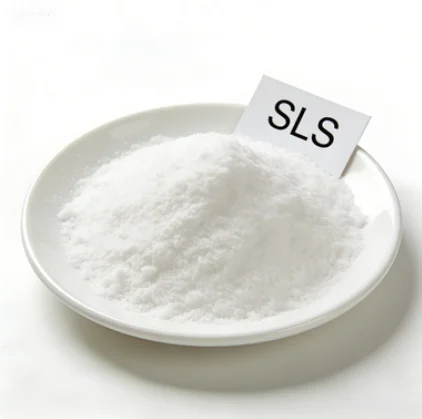
What is the difference between SLS and Sodium Lauryl Ether Sulfate?

Unlike SLS, Sodium Lauryl Ether Sulfate is ethoxylated, which makes it significantly milder on the skin and more soluble in hard water, which is common in several Venezuelan regions.

How to handle SLES 70% paste during manufacturing?

Because it is a high-viscosity paste, we recommend heating the material to approximately 50-60°C for easier pumping and mixing into your aqueous formulations.

What certifications accompany your chemical exports to South America?

All shipments include detailed COA (Certificate of Analysis), MSDS, and ISO compliance documents to ensure smooth customs clearance in Venezuela.

Contact Our Technical Experts

Ready to optimize your chemical production? Get in touch for customized surfactant solutions tailored for Venezuela.

Contact Us Now

If you are interested in our products, you can choose to leave your information here, and we will be in touch with you shortly.

  • captcha