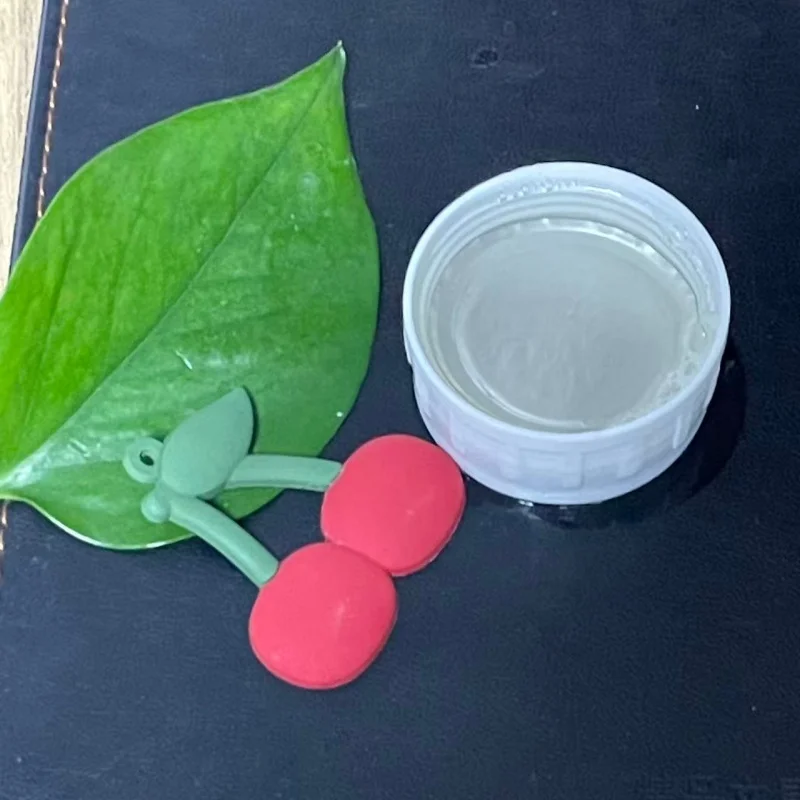
Cocamide DEA (Cocamide Diethanolamide):CDEA
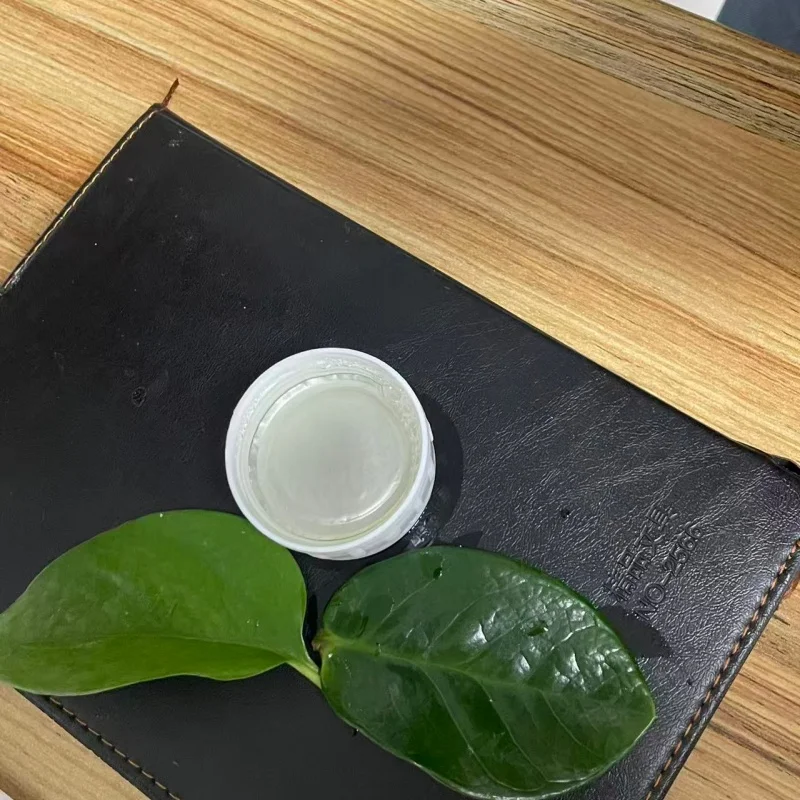
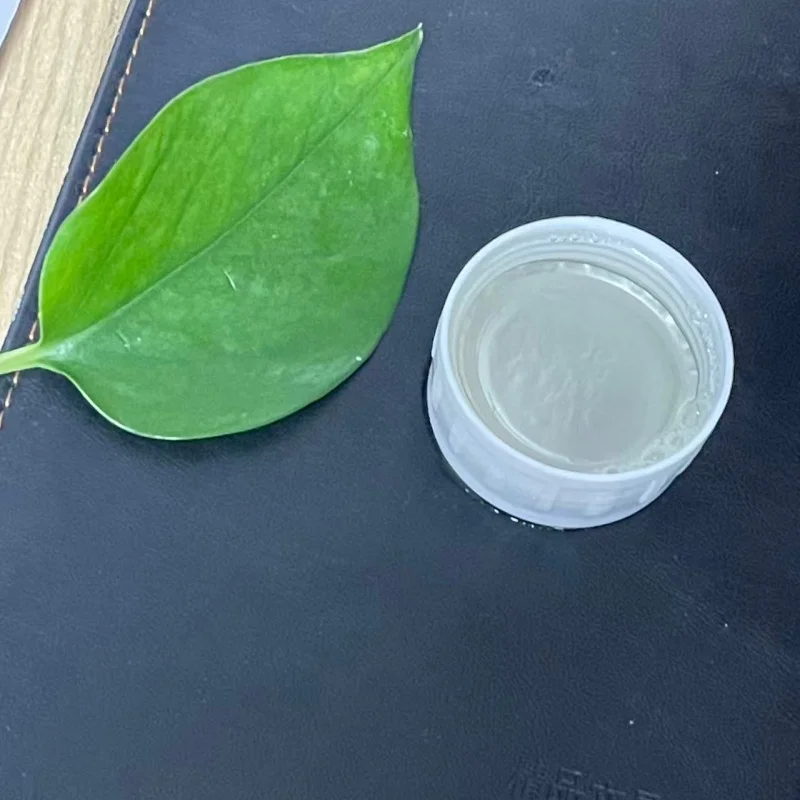
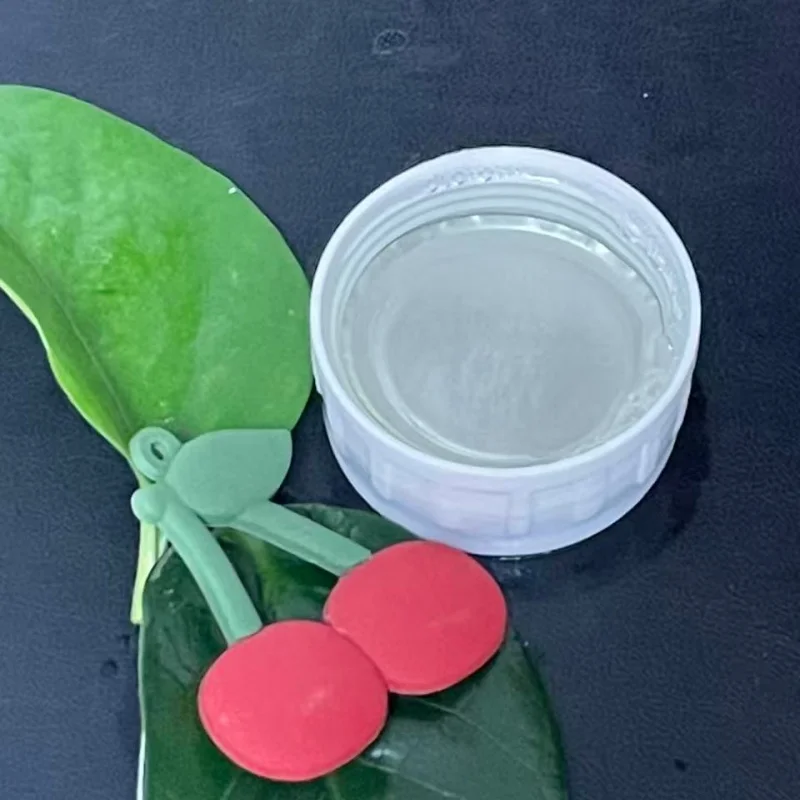
Cocamide DEA Advantages:
Non-toxic: Safe for use in various personal care and industrial applications with minimal irritation.
| Item | 1:1 | 1:1.5 | 1:2 |
| Appearance (at 25°C) | Light yellow viscous liquid | Light yellow viscous liquid | Light yellow viscous liquid |
| Amide Content (%) | 78 Min | 70 Min | 62 Min |
| Amine Value (mg KOH/g) | 10-40 | 60-90 | 100-130 |
| Free Amine Content (%) | 1.8-7.5 | 11-16.9 | 18.5-24.5 |
| Free Fatty Acid (%) | 0.5 Max | 0.5 Max | 0.5 Max |
| Ester (%) | 7 Max | 2 Max | 1 Max |
| Glycerol (%) | 10 Max | 9 Max | 8 Max |
| Water (%) | 1 Max | 1 Max | 1 Max |
| pH Value (10g/L, 10% ethanol-water solution) | 9-11 | 9-11 | 9-11 |
| Color (Hazen) | 500 Max | 500 Max | 500 Max |
Common Applications of Cocamide DEA (CDEA)
Personal Care Products
CDEA is commonly used in shampoos, body washes, and facial cleansers. It acts as a mild surfactant, providing effective foaming and cleaning while being gentle on skin and hair. CDEA enhances texture and stability, making personal care products feel more luxurious.
Detergents and Cleaning Products
CDEA is a key ingredient in laundry detergents, dishwashing liquids, and industrial cleaners. It contributes to excellent foam formation and cleaning power, making it effective in removing oils and grease for both household and industrial use.
Industrial Applications
In industrial applications, CDEA serves as an emulsifier and surfactant in lubricants, corrosion inhibitors, and oilfield drilling fluids. It helps improve efficiency and prevents buildup, ensuring better performance of industrial products.
Agricultural Products
CDEA is used in pesticide and herbicide formulations, acting as a wetting and emulsifying agent. It ensures better absorption and efficacy of active ingredients on plant surfaces.
Textile Industry
CDEA is used in textile processing, including fabric scouring, dyeing, and finishing. It enhances fabric penetration, improves dye uniformity, and creates smoother fabrics, making it vital in textile manufacturing.
Differences Between Liquid and Solid CDEA
Liquid CDEA:
The liquid form is easier to incorporate into liquid-based formulations like shampoos and body washes. It blends quickly and evenly into the product base without requiring dissolution.
Solid CDEA (if available):
The solid form of CDEA is less common and requires dissolution in water or other solvents before use. It is more suitable for dry or bulk applications, like powdered detergents, where precise control over concentration is necessary.
Summary:
Liquid CDEA is preferred for easy mixing in personal care and cleaning products, while the solid form (if available) is used in bulk or dry formulations, offering greater control over concentration. Liquid CDEA requires careful storage and handling, while solid CDEA is more stable and easier to store in bulk.







Start Your Order
Submit your inquiry form to get a customized quotation.
Your Email Address...