HighPerformance SLES 70 Solutions for Netherlands Industry

HighPerformance SLES 70 Solutions for Netherlands Industry

High-Performance SLES 70% Solutions for Netherlands Industry

Premium chemical raw materials engineered for the Dutch cosmetics and industrial cleaning sectors, ensuring superior foaming and stability.

High-Performance SLES 70% Solutions for Netherlands Industry

Providing the Netherlands market with professional-grade surfactant technology tailored for high-viscosity applications and sustainable formulation requirements.

The Current State of Chemical Manufacturing in the Netherlands

Analyzing the intersection of Dutch logistical excellence and strict EU environmental standards.

The Netherlands serves as a critical gateway for the European chemical industry, leveraging the Port of Rotterdam to distribute high-purity Sodium Laureth Sulfate across the continent. The local market is characterized by a shift toward "Green Chemistry," where manufacturers are under immense pressure to reduce carbon footprints while maintaining the high foaming power required for consumer goods.

Due to the mild, humid maritime climate of the Netherlands, there is a consistent demand for high-stability Cosmetics ingredients that can withstand varying storage temperatures without phase separation. The industry currently focuses on optimizing the concentration of active matter to reduce transport costs and packaging waste.

Furthermore, Dutch regulations regarding biodegradability and skin compatibility have forced a technical evolution. The reliance on a high-quality surfactant is no longer just about cleaning efficiency but about achieving an ECOCERT-compliant profile that satisfies the eco-conscious Dutch consumer base.
Evolution of Forest-Based Chemical Derivatives

From traditional soap bases to advanced ethoxylated sulfates.

Market Development History

In the early 20th century, the Dutch chemical sector relied heavily on basic fatty acid soaps derived from animal fats. By the 1960s, the introduction of synthetic detergents revolutionized the market, shifting focus toward linear alkylbenzene sulfonates for industrial cleaning.

The 1980s and 90s marked the transition to ethoxylation technology. The development of Sodium Lauryl Ether Sulfate allowed for a milder product compared to SLS, significantly reducing skin irritation and opening the doors for the modern luxury skincare market in Europe.

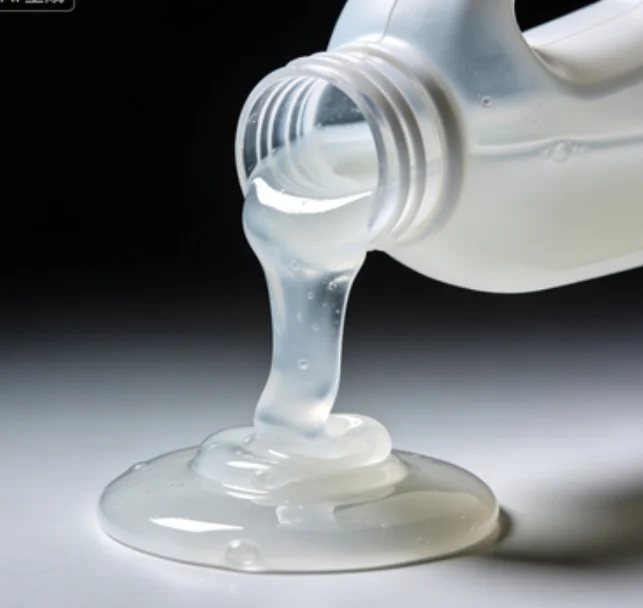
Since 2010, the trajectory has moved toward high-concentration pastes. The adoption of SLES 70% became the industry standard, enabling manufacturers to reduce water content in shipping, thereby aligning with the Netherlands' strict sustainability goals and logistics efficiency.

Future Development Trends

Bio-Based Feedstock Transition

A move toward 100% renewable carbon sources, replacing petroleum-derived ethylene oxide with bio-based alternatives to meet EU 2030 climate targets.

Ultra-Low 1,4-Dioxane Levels

Technical iterations focusing on vacuum stripping and advanced purification to ensure that cosmetic ingredients meet the most stringent safety thresholds.

Synergistic Surfactant Blending

Increased research into blending traditional sulfates with amphoteric surfactants to create "sulfate-free feel" products without sacrificing foam density.

Industry Outlook and Future Projections

Strategic forecasting for the specialty chemical sector in the Benelux region.

Circular Economy Integration
Implementation of closed-loop systems where chemical by-products are repurposed as raw materials.
Smart Manufacturing 4.0
AI-driven quality control for precisely managing the ethoxylation degree in SLES production.
Regulatory Compliance Agility
Rapid adaptation to ECHA guidelines and the REACH framework for safer chemical handling.
Concentrate Logistics
Increasing shift toward 70% paste over liquid forms to optimize the Dutch inland waterway transport.

Industry Outlook

Based on Google Search trends in Western Europe, there is a rising query volume for "biodegradable surfactants" and "sulfate-free alternatives." However, the industrial reality shows that high-performance Sodium Laureth Sulfate remains irreplaceable for high-foam applications due to its unmatched cost-to-performance ratio.

The next 3-5 years will see a convergence of biotechnology and synthetic chemistry. We predict that the Netherlands will lead the way in developing "hybrid surfactants" that combine the efficiency of SLES with plant-derived co-surfactants, catering to the premium organic cosmetics market.

Localized Application Scenarios in the Netherlands

Real-world deployments of specialty surfactants across various Dutch sectors.

1. Premium Dutch Personal Care Formulations

Utilization of ultra-pure SLES in high-end shampoo and body wash brands based in Amsterdam, focusing on achieving a rich, creamy lather that meets European luxury standards.

2. Industrial Degreasing in Rotterdam Port

Heavy-duty application of surfactants for cleaning maritime equipment and shipping containers, where high emulsification power is required to remove salt and oil deposits.

3. Eco-Friendly Household Detergents

Formulating concentrated laundry liquids that align with Dutch "Green Deal" initiatives, using SLES 70% to minimize water weight and packaging volume.

4. Specialized Agricultural Adjuvants

Incorporating surfactants into crop protection products used in the Dutch greenhouse sector to improve the wetting and penetration of nutrients on leaf surfaces.

5. Institutional Hygiene for Healthcare

Creating medical-grade hand soaps for Dutch hospitals that balance powerful antimicrobial cleansing with skin-friendly moisturizing properties.

Brand Story

Global Development Journey of Shandong Zhongjin Chemical Co., Ltd.

Foundational Excellence

Established with a mission to stabilize the supply chain of forest-based chemicals, focusing on the purity of primary surfactant bases.

Technical Breakthroughs

Perfecting the 70% concentration process to provide a more sustainable and logistically efficient product for global exporters.

European Market Entry

Expanding into the EU market by aligning production standards with REACH and ensuring rigorous quality control for Dutch importers.

Sustainability Pivot

Investing in green manufacturing to reduce the environmental impact of ethoxylation, solving the pain point of "chemical pollution" in specialty manufacturing.

Global Leadership

Becoming a trusted partner for the world's leading cosmetics brands, delivering consistency, purity, and technical support across six continents.

Comprehensive Product Portfolio for the Netherlands Market

Our full range of high-purity surfactants and chemical derivatives tailored for EU compliance.

Common Questions from Dutch Industry Partners

Technical and logistical insights for importing specialty chemicals into the Netherlands.

What is the advantage of using SLES 70% over liquid versions in the Netherlands?

The 70% paste significantly reduces shipping volume and water transport costs, which is critical for sustainable logistics in the Port of Rotterdam, and allows for easier dosage control in concentrated formulations.

Is your Sodium Laureth Sulfate compliant with EU REACH regulations?

Yes, our products are manufactured to strictly adhere to the REACH framework, ensuring all chemical safety data sheets (SDS) are updated for the European market.

How does the ethoxylation degree affect cosmetics formulation?

The degree of ethoxylation determines the balance between hydrophobicity and hydrophilicity. A precise molar ratio is essential for achieving the desired viscosity and skin-feel in luxury skincare products.

Can SLES 70% be used in sulfate-free claims?

No, SLES is a sulfate. However, it can be blended with glucose-based surfactants to reduce the overall sulfate concentration while maintaining professional foaming performance.

What are the storage requirements for high-concentration surfactants in humid climates?

To prevent moisture absorption and maintain stability in the Dutch climate, we recommend storing the paste in cool, dry warehouses with temperature-controlled environments.

How do you ensure the low presence of 1,4-Dioxane in your products?

We employ advanced vacuum stripping technology during the final stages of production to remove volatile organic compounds, ensuring our products meet the strictest safety thresholds.

Request a Technical Consultation

Connect with our chemical engineers to optimize your formulations for the Netherlands market.

Contact Us Now

If you are interested in our products, you can choose to leave your information here, and we will be in touch with you shortly.

  • captcha