Description
DMDM Hydantoin (DMDMH): A Formaldehyde-Releasing Broad-Spectrum Preservative
Chemical Profile and Overview
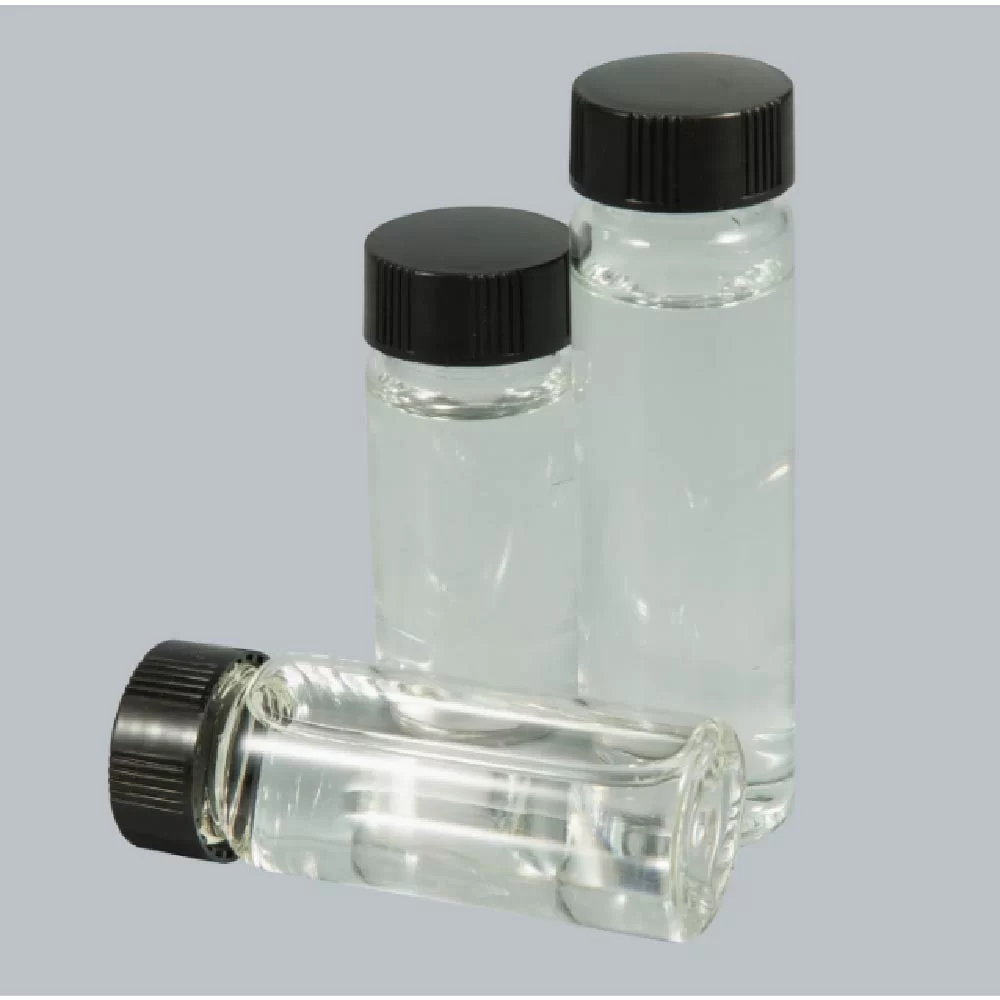
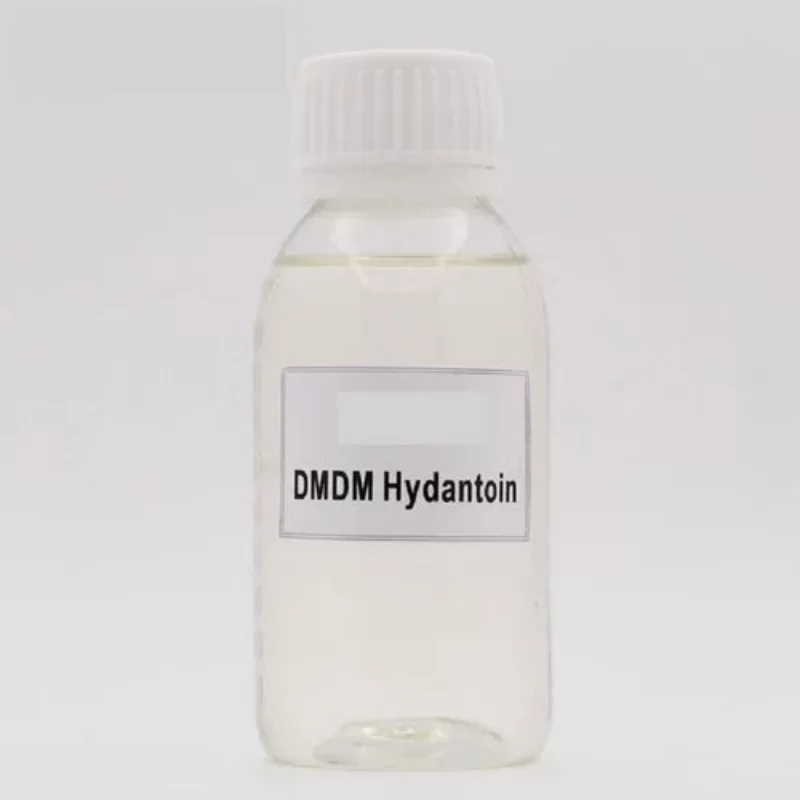
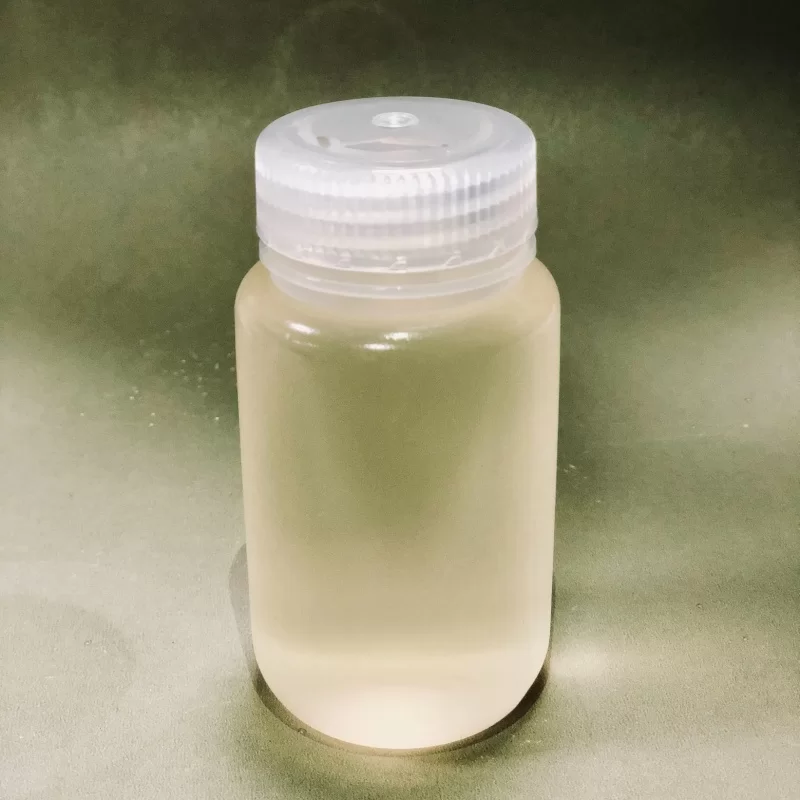
DMDM Hydantoin (1,3-Dimethylol-5,5-dimethylhydantoin) is an organic compound belonging to the class of formaldehyde-releasing agents, widely used as an antimicrobial preservative in cosmetics, personal care products, and water-based industrial formulations. It appears as a clear, colorless to pale yellow liquid with a faint, characteristic formaldehyde odor and is readily soluble in water and various polar solvents. Its primary function is to prevent microbial spoilage by providing broad-spectrum protection against bacteria, yeast, and mold, thereby ensuring product stability and shelf life.
Core Mechanism: Controlled Release Antimicrobial Action
The preservative efficacy of DMDM Hydantoin stems from its ability to slowly and continuously release small amounts of formaldehyde in aqueous solutions through a hydrolysis reaction. The released formaldehyde acts as the active biocide, exerting its antimicrobial effect by alkylating proteins and nucleic acids within microbial cells, leading to cross-linking, inactivation of essential enzymes, and ultimately, cell death. This controlled-release mechanism provides a lasting reservoir of antimicrobial activity, making it effective at low use concentrations (typically 0.1% to 0.6%) against a wide range of microorganisms, including Pseudomonas aeruginosa, Staphylococcus aureus, and Candida albicans.
Applications in Cosmetics and Personal Care
DMDM Hydantoin has been extensively used as a cost-effective and potent preservative in a wide array of rinse-off and leave-on products. Common applications include:
1.Shampoos, Conditioners, and Shower Gels
2.Liquid Soaps and Facial Cleansers
3.Moisturizing Lotions and Creams
4.Hair Styling Gels and Sprays
5.Makeup and Sunscreen Products
Its compatibility with a broad range of cosmetic ingredients, including surfactants, emulsifiers, and thickeners, has contributed to its historical popularity.
Regulatory Status and Safety Controversies
The use of DMDM Hydantoin is subject to significant regulatory scrutiny and consumer concern due to its formaldehyde-releasing nature.
Regulatory Limits: In the European Union and China, its maximum allowed concentration in finished cosmetics is 0.6%. In other regions, it must be used at the lowest effective concentration.
Safety Concerns: Formaldehyde is a known skin sensitizer and allergen. The release of formaldehyde from DMDM Hydantoin can cause contact dermatitis and allergic reactions in susceptible individuals, particularly with prolonged use on sensitive or compromised skin. This has led to a high incidence of consumer complaints and a negative public perception.
Market Trend: Growing consumer awareness and demand for "formaldehyde-free" and "clean-label" products have significantly driven the decline of DMDM Hydantoin in personal care formulations. Many major brands have proactively phased it out in favor of alternative preservation systems.
Key Technical and Handling Properties
Chemical Formula: C7H12N2O4
CAS Number: 6440-58-0
Formaldehyde Content: Typically releases up to 17% of its weight as formaldehyde.
PH Stability: Most effective in slightly acidic to neutral pH ranges (pH 4-9). Its efficacy and stability can decrease in highly alkaline conditions.
Incompatibilities: Can interact with amines and other nucleophiles, reducing its preservative efficacy.
Conclusion
DMDM Hydantoin has served as a highly effective and economical broad-spectrum preservative for decades. However, its mechanism of action as a formaldehyde-releaser has placed it at the center of significant health debates and regulatory attention. While still permitted for use within specific limits, the strong market shift towards safer and more consumer-friendly alternatives has drastically reduced its prevalence in new cosmetic and personal care formulations. Its future use is likely to be confined primarily to specific industrial applications or in regions with less stringent consumer safety standards, marking a clear transition in the preservative landscape.
Get a Quick Quote Now
Tell us what you need — we’ll provide the best price and solution fast.
contact us






Start Your Order
Submit your inquiry form to get a customized quotation.
Your Email Address...
submit