Description
Sodium Carboxymethyl Cellulose (CMC): The Versatile Water-Soluble Polymer for Rheology Modification and Stabilization
Chemical Profile and Overview
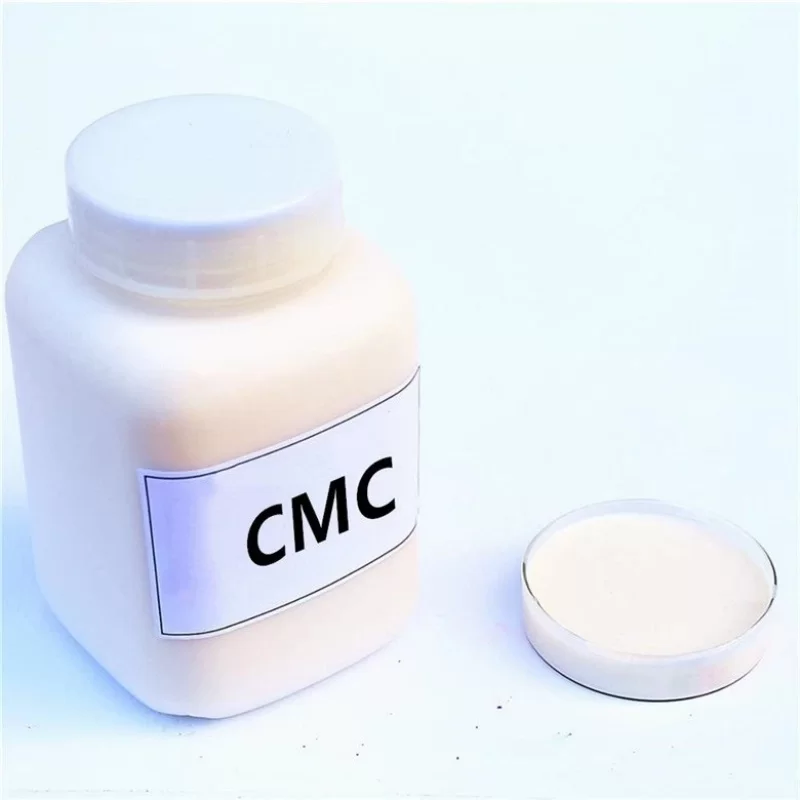
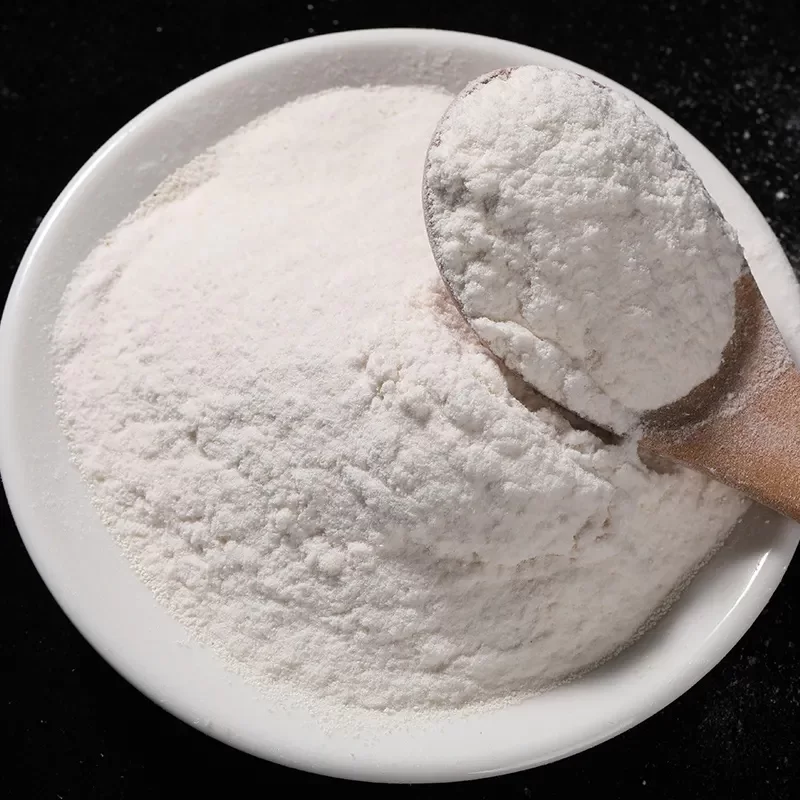
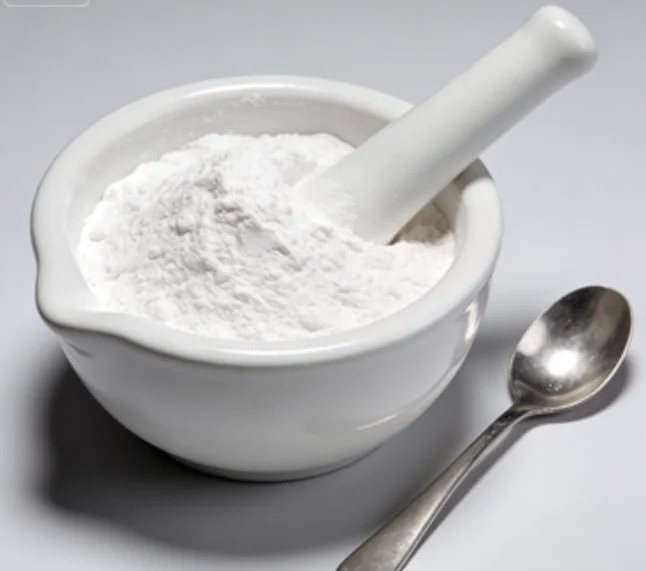
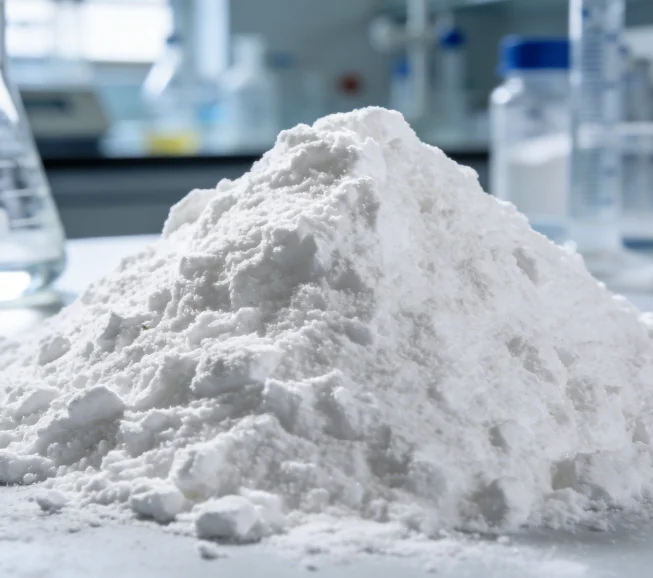
Sodium Carboxymethyl Cellulose (CMC), often referred to as cellulose gum, is an anionic, water-soluble polymer derived from natural cellulose. It is produced through the chemical modification of cellulose, involving a reaction with sodium hydroxide and chloroacetic acid, which introduces carboxymethyl groups (-CH₂-COO⁻Na⁺) onto the cellulose backbone. This modification transforms insoluble cellulose into a highly versatile hydrocolloid. CMC is available as a white to off-white, odorless, free-flowing powder or in granular form. Its key value lies in its ability to thicken, suspend, stabilize, and bind water, making it indispensable across food, pharmaceutical, and industrial sectors.
Core Mechanism: Thickening, Water Retention, and Stabilization
The functionality of CMC stems from its high molecular weight and anionic character. When dissolved in water, the polymer chains hydrate and uncoil, occupying a large volume and creating a viscous solution through chain entanglement and electrostatic repulsion. This mechanism provides three primary functions:
Rheology Modification: It effectively increases the viscosity of aqueous solutions, ranging from low-viscosity syrups to high-viscosity, pseudoplastic gels.
Water Binding: Its hydrophilic nature allows it to bind and retain large amounts of water, preventing syneresis (water separation) and maintaining moisture.
Suspension and Stabilization: The increased viscosity and potential for weak gel formation prevent the settling of insoluble particles and the coalescence of oil droplets, thereby stabilizing emulsions and suspensions.
Applications in Food and Beverage Industries
In the food industry, CMC is a widely used additive (E466) approved for its safety and functionality.
Dairy Products: Used in ice cream to control ice crystal growth, provide a smooth texture, and prevent whey separation. Also used in yogurt and cream cheeses for body and stability.
Baked Goods: Serves as a moisture-retention agent, extending shelf life and improving volume in gluten-free products.
Beverages: Acts as a suspending agent for pulp in juices and a stabilizer in protein drinks to prevent sedimentation.
Sauces and Dressings: Provides desired thickness and cling, and stabilizes emulsions.
Applications in Pharmaceutical and Personal Care
CMC's non-toxicity and biocompatibility make it a valuable excipient.
Pharmaceuticals: Used as a binder in tablets, a viscosity-enhancer in liquid formulations, and a lubricant in artificial tears and other ophthalmic preparations.
Toothpaste: A standard thickener that provides the desired rheology (paste structure and stand-up on the brush).
Personal Care: Found in lotions, creams, and shampoos as a stabilizer and thickener.
Industrial and Technical Applications
Beyond consumer goods, CMC is critical in various industrial processes.
Detergents: Used as a soil-suspending agent and anti-redeposition agent in laundry detergents, preventing dirt from re-adhering to fabrics.
Paper and Textile Manufacturing: Employed as a sizing agent and coating binder to improve strength and printability.
Oil Drilling: A key component of drilling muds, where it controls fluid loss and lubricates the drill bit.
Ceramics: Acts as a binder in the formation of ceramic bodies.
Key Technical Properties
Degree of Substitution (DS): Typically ranges from 0.6 to 1.2, indicating the average number of carboxymethyl groups per glucose unit. A higher DS generally improves water solubility.
Viscosity: Available in a wide range of grades (e.g., low, medium, high), specified for a given concentration in water.
Purity: Various grades are available, with technical grades used for industrial applications and high-purity grades for food and pharmaceuticals.
Solubility: Soluble in both hot and cold water, forming clear to opalescent solutions; insoluble in organic solvents.
Conclusion
Sodium Carboxymethyl Cellulose (CMC) is a premier example of a modified natural polymer that delivers consistent and controllable functionality. Its unparalleled ability to modify rheology, retain water, and stabilize complex mixtures secures its role as a critical, multi-functional additive in an immense variety of products, from the food we eat and the medicines we take to the detergents and industrial fluids that support modern life. Its safety, efficacy, and versatility ensure its continued dominance as a hydrocolloid of choice.
back :
DMDM Hydantoin (DMDMH)

Get a Quick Quote Now
Tell us what you need — we’ll provide the best price and solution fast.
contact us







Start Your Order
Submit your inquiry form to get a customized quotation.
Your Email Address...
submit