Sodium Citrate,Food Grade Sodium Citrate

Sodium Citrate,Food Grade Sodium Citrate

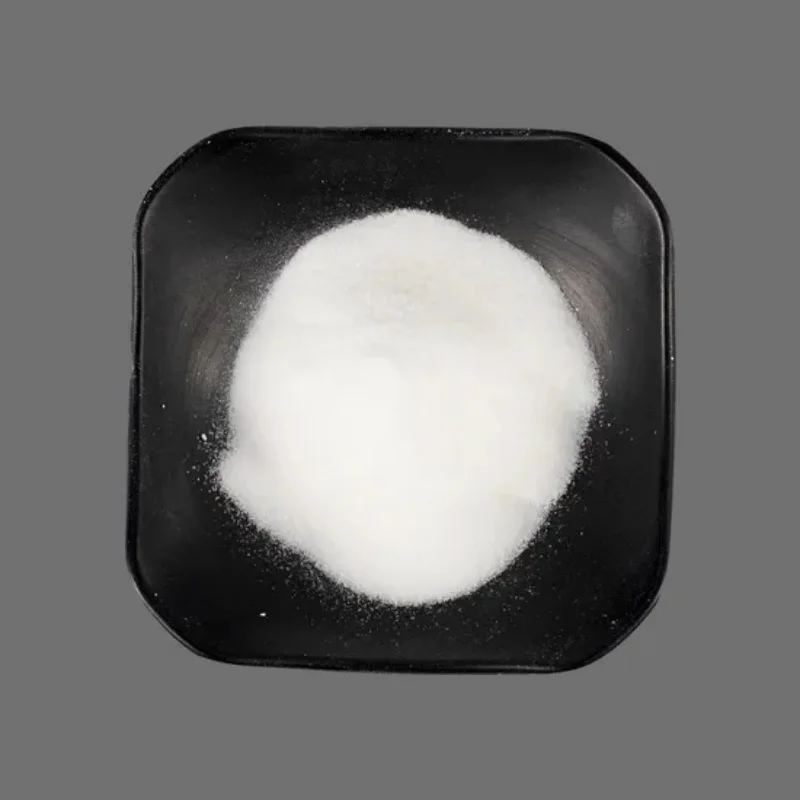
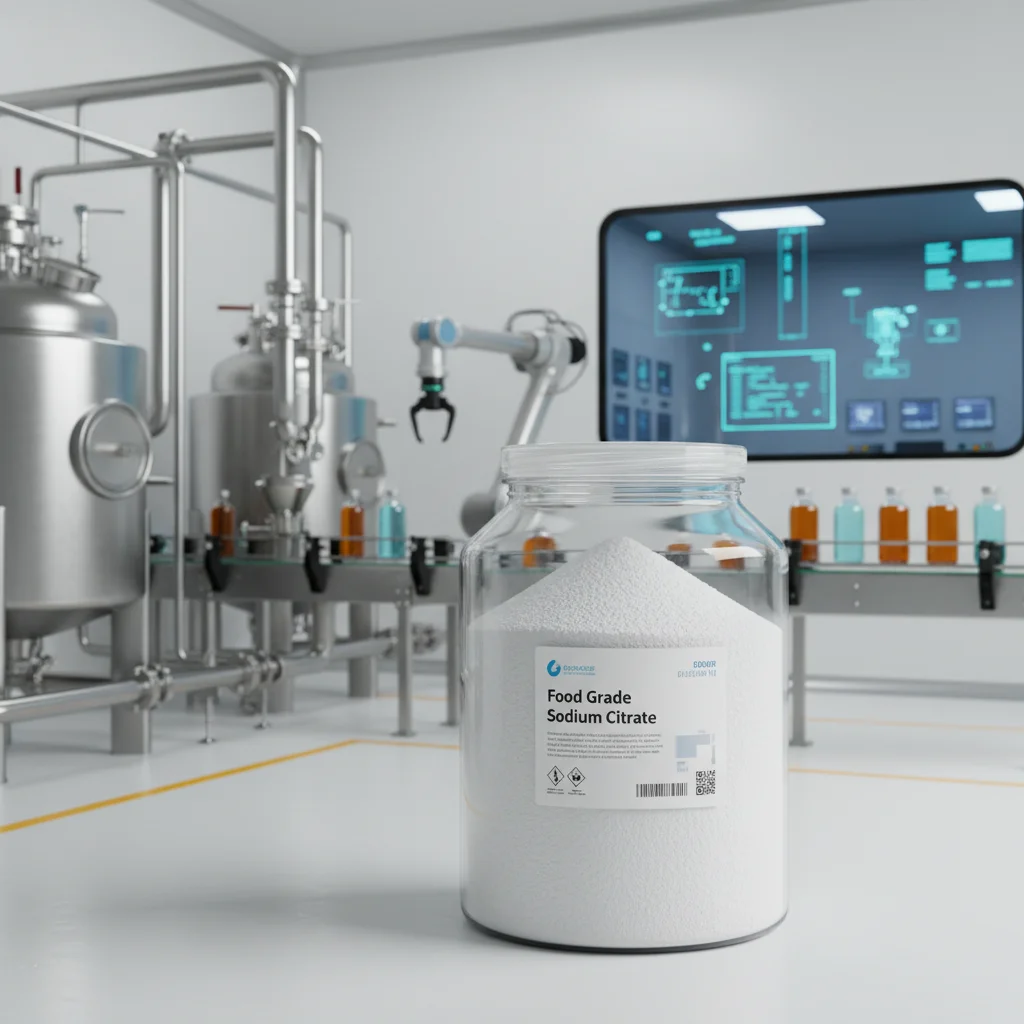
Sodium Citrate, scientifically known as Sodium 2-hydroxypropane-1,2,3-tricarboxylate, is the sodium salt of citric acid. It is available in different forms, primarily as monosodium citrate, disodium citrate, and the most common and versatile form, trisodium citrate dihydrate (C6H5Na3O7·2H2O). This white, crystalline powder or granules is renowned for its excellent solubility in water, mild saline taste, and non-toxic nature. As a multi-functional compound derived from a natural acid, it finds indispensable roles across the food, pharmaceutical, and industrial sectors, serving as a buffering agent, sequestrant, emulsifier, and stabilizer.

Description

Core Advantages

  1. High-Efficiency Chelation & Water Softening SupportIt forms stable, soluble chelates with water hardness ions such as calcium and magnesium, thus softening water quality. When compounded with 4A zeolite, it makes up for the latter's insufficient capacity to chelate magnesium ions, achieving a 1+1>2 synergistic water softening effect and greatly improving the decontamination efficiency of surfactants.
  2. Phosphorus-Free & Policy-CompliantBeing completely phosphorus-free, it is one of the high-quality alternatives to sodium tripolyphosphate (STPP). It avoids water eutrophication from the source, complies with the global environmental policies of "phosphorus limitation and prohibition", and is suitable for various green detergent formulations.
  3. Mild, Safe & Wide ApplicabilityNon-irritating to the skin and weakly alkaline, it is applicable to mild detergent products such as baby laundry detergents, underwear detergents and dishwashing detergents. Meanwhile, it is acid and alkali resistant with stable chemical properties, and compatible with multiple dosage forms including liquid detergents, powder detergents and laundry pods.
  4. Enhanced Washing ExperienceIt has a certain buffering capacity to stabilize the pH value of detergents, preventing clothing fiber damage caused by pH fluctuations during the washing process. It also enhances the dispersibility of dirt, avoids secondary dirt deposition, and leaves clothes cleaner and softer after washing.
  5. Strong Compatibility & Synergistic EffectIt has good compatibility with mainstream detergent raw materials such as AEO, LAS and 4A zeolite without any antagonistic reactions. Additionally, it can act as a solubilizer to improve the solubility of poorly soluble components in detergents and enhance formulation stability.

Typical Applications

  • Phosphorus-Free Powder/Liquid Detergents: Serving as a chelating agent and water softener, it can replace part of 4A zeolite or be used independently, reducing formulation costs and improving low-temperature washing performance.
  • Dishwashing Detergents: Taking advantage of its mildness and chelating ability, it removes oil stains and limescale on tableware surfaces while preventing hand skin irritation.
  • Specialty Detergents: Applied in detergents for high-end fabrics such as wool and silk, it prevents fiber damage caused by hardness ions and maintains the luster and softness of the fabrics.

Get a Quick Quote Now
Tell us what you need — we’ll provide the best price and solution fast.
contact us

Nonionic Surfactant
Detergent Raw Material

Start Your Order

Submit your inquiry form to get a customized quotation.

Your Email Address...

submit
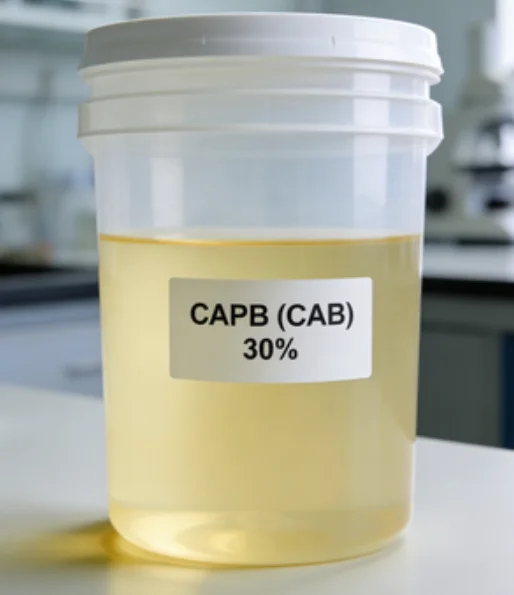
Cocamidopropyl Betaine
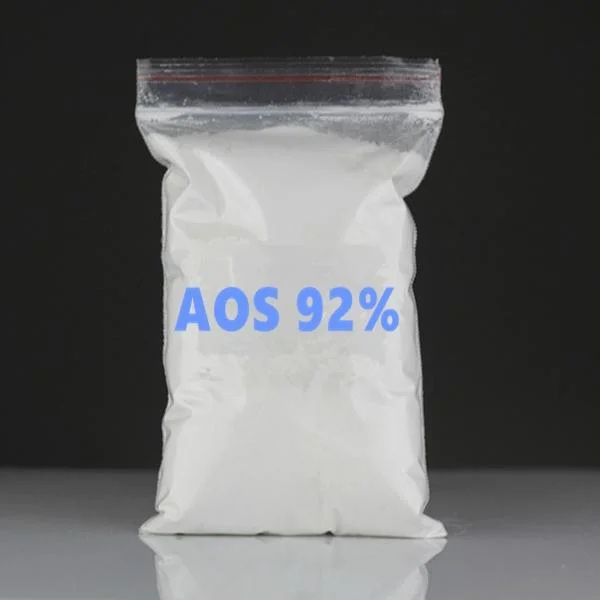
Sodium Alpha Olefin Sulfonate

If you are interested in our products, you can choose to leave your information here, and we will be in touch with you shortly.

  • captcha