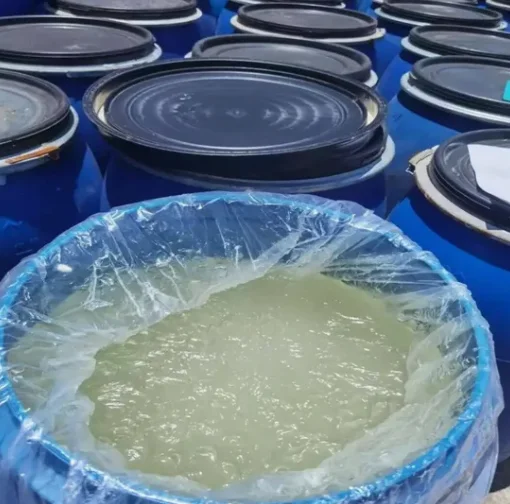
HighPerformance SLES 70 Solutions for Poland’s Industrial Sector

HighPerformance SLES 70 Solutions for Poland’s Industrial Sector

High-Performance SLES 70% Solutions for Poland's Industrial Sector

Supplying premium grade surfactants to elevate the formulation standards of the Polish chemical and personal care manufacturing industry.

High-Performance SLES 70% Solutions for Poland's Industrial Sector

Providing industry-leading chemical raw materials tailored for the unique demands of the European market, ensuring stability, efficiency, and high foam performance in every batch.

The Landscape of Chemical Manufacturing in Poland

Analyzing the strategic role of specialized surfactants in the Polish industrial ecosystem.

Poland has emerged as a central hub for chemical production in Europe, benefiting from its strategic geographic location and robust industrial infrastructure. The demand for a high-quality surfactant is driven by a booming domestic cosmetics market and a strong export orientation toward neighboring EU nations.

The local manufacturing sector faces a dual challenge: maintaining high production efficiency while adhering to the stringent REACH regulations of the European Union. This has led Polish manufacturers to prioritize high-concentration raw materials like SLES 70% to reduce logistics costs and minimize carbon footprints during transport.

Furthermore, the Polish climate, characterized by significant seasonal variations, requires chemical components that remain stable across various storage temperatures. This necessity has pushed the industry toward sourcing more refined and chemically stable versions of Sodium Laureth Sulfate to ensure consistent end-product quality.
Evolution and Trajectory of Forest Chemical Products

From basic cleaning agents to advanced molecular engineering in surfactant technology.

Market Development History

In the early 2000s, the Polish market relied heavily on basic anionic surfactants with lower purity levels. The focus was primarily on cost-efficiency for bulk detergents, with limited attention paid to the skin-compatibility of the raw materials used in personal care.

Between 2010 and 2020, a significant technical iteration occurred. The industry shifted toward ethoxylation processes that reduced the presence of 1,4-dioxane, aligning with EU safety standards. This era saw the widespread adoption of Sodium Lauryl Ether Sulfate as the gold standard for balance between foaming power and mildness.

Today, the market has entered a phase of "Precision Chemistry." Modern plants in Poland now integrate automated dosing and high-shear mixing technologies to handle high-viscosity pastes, allowing for the seamless integration of concentrated chemical agents into complex formulas.

Future Development Trends

Bio-based Feedstock Integration

The next 3-5 years will see a surge in the integration of renewably sourced alcohols, reducing the reliance on petrochemicals in the production of surfactants to meet "Green Deal" targets.

Hyper-Concentration Logistics

Driven by Google search trends for "sustainable chemical sourcing," there is a clear movement toward 70% and higher concentrations to eliminate water transport and reduce packaging waste.

Customized Molecular Weights

Future iterations will focus on precise control of the degree of ethoxylation to create tailored surfactants that provide specific viscosity profiles for premium Cosmetics.

Industry Outlook and Future Projections

Navigating the shift toward sustainable and high-efficiency chemical manufacturing.

Eco-Certified Raw Materials
Increasing demand for RSPO-certified and biodegradable surfactants to meet Polish consumer preferences for "clean beauty."
Supply Chain Digitization
Implementation of AI-driven inventory management to optimize the delivery of bulk chemicals across the EU.
Regulatory Compliance 2.0
Adapting to evolving REACH Annexes with higher purity levels of ethoxylated surfactants.
Concentrated Formulation
A shift toward waterless cosmetic formulations requiring specialized surfactants with higher active content.

Industry Outlook

The Polish chemical sector is poised for a transition from volume-driven growth to value-driven innovation. We anticipate that the synergy between forest-based chemical derivatives and synthetic surfactants will create a new category of "Hybrid Green" products that offer industrial strength with ecological safety.

Furthermore, as Poland continues to strengthen its position as a logistics gateway to Eastern Europe, the demand for high-stability bulk chemicals will grow, making the efficient supply of high-concentration agents a critical competitive advantage for manufacturers.

Localized Application Scenarios in Poland

Practical implementations of high-performance surfactants across diverse Polish industries.

1. Premium Shampoo Production in Warsaw

Utilizing high-purity SLES to create luxurious, high-foaming hair care products for the urban Polish market, where consumers demand sulfate-balanced formulas that provide deep cleaning without irritation.

2. Industrial Degreasing for Silesian Heavy Industry

Implementing concentrated surfactant blends for the removal of heavy oils and grease in the mining and automotive manufacturing sectors of Southern Poland, ensuring rapid emulsification.

3. Eco-Friendly Dishwashing Liquids in Kraków

Formulating biodegradable cleaning agents that meet the strict environmental standards of Polish municipal water treatment plants while maintaining superior grease-cutting power.

4. Specialized Cosmetic Emulsions for Spas

Supplying refined chemical agents for the luxury cosmetic industry in the Baltic coast regions, creating stable emulsions for high-end skin treatments and massage gels.

5. Agricultural Chemical Adjuvants

Integrating surfactants into crop protection products used in Poland's vast agricultural plains to improve the wetting and penetration of nutrients on leaf surfaces.

Brand Story

Global Development History of Shandong Zhongjin Chemical Co., Ltd.

Foundation and Core Vision

Established with a mission to resolve the instability of raw material purity in the surfactant industry, focusing on high-concentration chemical excellence.

Technological Breakthroughs

Developed a proprietary ethoxylation process that significantly reduced impurities, setting a new benchmark for SLES quality in the global market.

European Market Expansion

Strategically entered the EU market, establishing a robust supply chain to support the demanding standards of Polish and German manufacturers.

Sustainability Commitment

Pivoted toward green chemistry, integrating bio-based raw materials to solve the environmental pain points of traditional chemical manufacturing.

Global Leadership Status

Now recognized as a leading global supplier, providing tailored surfactant solutions that power thousands of cosmetic and industrial brands worldwide.

Comprehensive Product Portfolio for Poland

A curated selection of surfactants and chemical agents designed for the Polish manufacturing landscape.

Common Questions for Polish Industrial Clients

Expert answers to technical and regulatory queries regarding surfactant sourcing.

Does your SLES 70% comply with EU REACH regulations for the Polish market?

Yes, our products are fully REACH compliant, ensuring that all safety data sheets and chemical compositions meet the stringent legal requirements for import and use within Poland and the wider EU.

How does the concentration of SLES 70% affect the viscosity of my cosmetics?

The high active content allows for more precise control over the viscosity. When diluted, it provides a consistent base that responds predictably to salt thickening, essential for premium shampoo and gel formulations.

What is the best way to handle high-viscosity surfactant pastes in cold Polish winters?

We recommend using temperature-controlled storage or gentle warming equipment to reduce viscosity before pumping, ensuring a smooth flow into your mixing vessels without compromising the chemical integrity.

Can Sodium Laureth Sulfate be substituted for more mild surfactants in organic lines?

While SLES is highly efficient, for "organic" claims, we suggest blending it with amphoteric surfactants to reduce the irritation potential while maintaining the superior foaming properties.

What are the logistics advantages of sourcing SLES 70% over 25% solutions?

Sourcing 70% concentration reduces shipping volume and water weight by nearly 70%, significantly lowering freight costs and reducing the carbon footprint associated with transporting chemicals to Poland.

How do you ensure batch-to-batch consistency for large-scale industrial orders?

We employ automated quality control systems and HPLC analysis for every batch, ensuring that the ethoxylation level and active content remain identical across all shipments.

Optimize Your Chemical Supply Chain

Contact our expert team today for technical consultation and bulk pricing tailored for your operations in Poland.

Contact Us Now

If you are interested in our products, you can choose to leave your information here, and we will be in touch with you shortly.

  • captcha