Detergent Raw Material: What Industry Veterans Know
After spending a fair share of my career knee-deep in the industrial equipment and chemical sectors, I can tell you that detergent raw material is a deceptively complex topic. It might seem like just powders and liquids tossed together, but the reality is much more nuanced. There’s a whole science and engineering process behind ensuring these raw materials perform consistently, clean efficiently, and stay stable during storage.
Oddly enough, the choice of raw materials in detergent formulations can make or break product performance. You see, not all surfactants or builders are created equal. Some are designed with environmental sustainability in mind, others prioritize cost-effectiveness, and a few strike a delicate balance between the two. When I first entered the field, I noticed many plants relied heavily on petrochemical derivatives. Nowadays, there's a visible shift towards bio-based components, partly driven by regulations, partly by growing consumer demand for greener products.
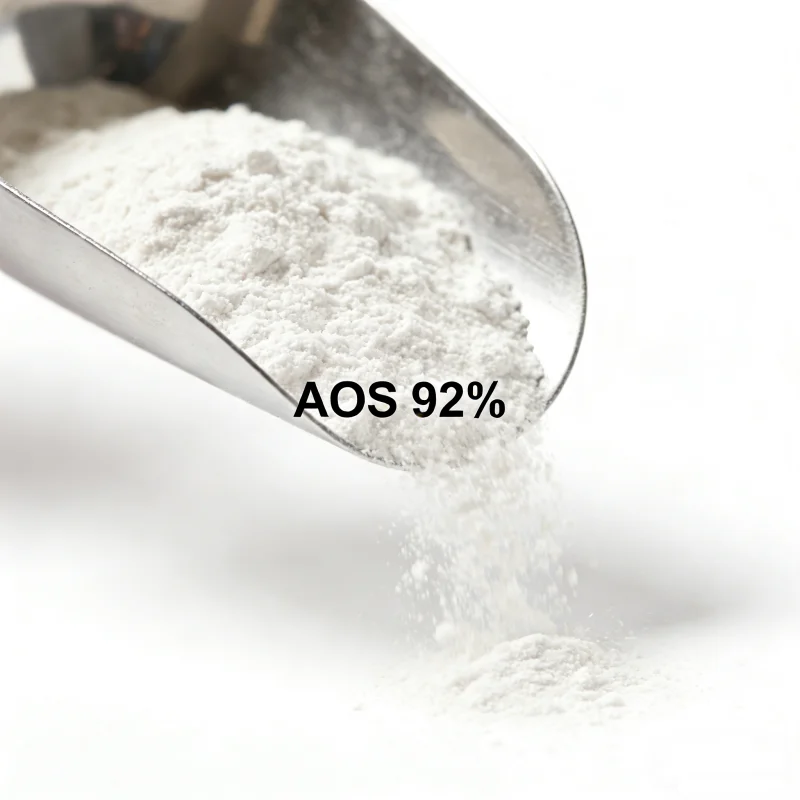
Let’s talk basics for a moment. The core determinant of a detergent's cleaning power often boils down to its surfactants—those molecules that reduce water’s surface tension and lift dirt away. Popular raw materials include anionic surfactants for heavy-duty grease removal, nonionic surfactants for delicate fabrics, and sometimes amphoteric types for skin-friendly applications. Then come the builders—water softeners that enhance the efficiency of surfactants. Common builders include phosphates (still used, though controversial), zeolites, and citrates.
| Raw Material | Type | Typical Properties | Common Use |
|---|---|---|---|
| Linear Alkylbenzene Sulfonate (LAS) | Anionic surfactant | High foaming, good grease removal | Laundry detergents, dishwashing |
| Sodium Tripolyphosphate (STPP) | Builder | Water softening, alkalinity builder | Powder detergents |
| Alcohol Ethoxylate | Nonionic surfactant | Mild, low foam, grease cutter | Delicates, liquid detergents |
| Zeolite A | Builder | Phosphate alternative, water softener | Eco-friendly powders |
Now, selecting the right vendor is equally crucial — quality control varies, pricing fluctuates, and delivery timelines can make or break production schedules. I remember a case a few years back where one client had a massive recall because their raw material supplier switched sources without adequate notification. That kind of slip-up is catastrophic, especially with regulatory bodies scrutinizing every ingredient.
| Supplier | Range of Materials | Quality Certification | Customer Support | Price Competitiveness |
|---|---|---|---|---|
| ZJSLES | Wide (surf., builders, enzymes) | ISO 9001 & REACH compliant | 24/7 service, knowledgeable reps | Moderate, volume discounts |
| Supplier X | Limited (mostly builders) | ISO 14001 certified | Business hours only | Competitive, limited negotiation |
| Supplier Y | Specialty surfactants | No formal certs | Responsive, but limited expertise | Higher than average |
Frankly, it feels like working with a dependable supplier is half the battle. Detergent raw material vendors who maintain transparency, have solid quality testing protocols, and respond quickly to queries save you headaches down the road.
Before I sign off, one quick story: a small detergent manufacturer I know was struggling with inconsistent cleaning results. After switching their alkylbenzene sulfonate supplier to a better quality product from ZJSLES, their batches stabilized and customer complaints dropped sharply. It’s proof that sometimes, investing in better raw materials pays off beyond just the price tag.
So, if you’re navigating detergent formulation, pay close attention to your raw materials. Test, verify, and keep the supplier relationship tight. In real terms, the chemistry is fascinating, but the human side of the supply chain is just as important.
Here's to cleaner, greener, and more reliable detergent products out there.
References:
1. Smith, J. (2020). Industrial Detergent Chemistry. Chemical Industry Press.
2. Environmental impact reports on phosphate builders. EPA.gov
3. ZJSLES Supplier Whitepaper, 2023.