Linear Alkyl Benzene Sulfonic Acid: A Veteran’s Take
After spending well over a decade in the industrial chemicals arena, you develop a certain eye for products that, frankly, just work. One such product that’s stood the test of time and tech shifts is Linear Alkyl Benzene Sulfonic Acid (LAS acid). If you’re in detergents, emulsifiers, or anything related, this stuff isn’t exactly glamorous but it’s absolutely critical. Oddly enough, it’s one of those ingredients that’s quietly ubiquitous—doing its job while most folks overlook it.
LAS acid is, in essence, a sulfonated linear alkyl benzene molecule. This structure makes it an anionic surfactant you want on your team whenever cleaning performance and environmental considerations collide. Over the years, I’ve seen a lot of different formulations, but LAS still hits that sweet spot between cost-efficiency and efficacy. It’s water-soluble but robust enough to tackle oily stains, dirt, and grime with ease.
In real terms, the key advantage lies in its linear alkyl chain. Compared to branched alternatives, it biodegrades faster—something environmental engineers deeply appreciate. Plus, from an industrial standpoint, quality testing for purity and sulfonation degree is rigorous but straightforward. You’ll notice that a lot of manufacturers hit a consistency sweet spot—usually around 70% active content. Too diluted, and it loses oomph; too concentrated, and it gets tricky to formulate.
| Specification | Typical Value |
|---|---|
| Active Matter Content | 68–72% |
| pH (10% solution) | 1.0 – 1.5 |
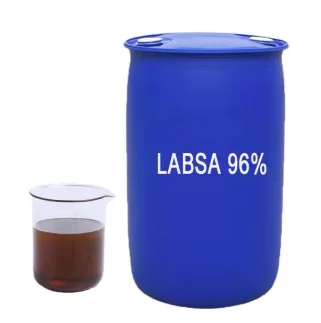
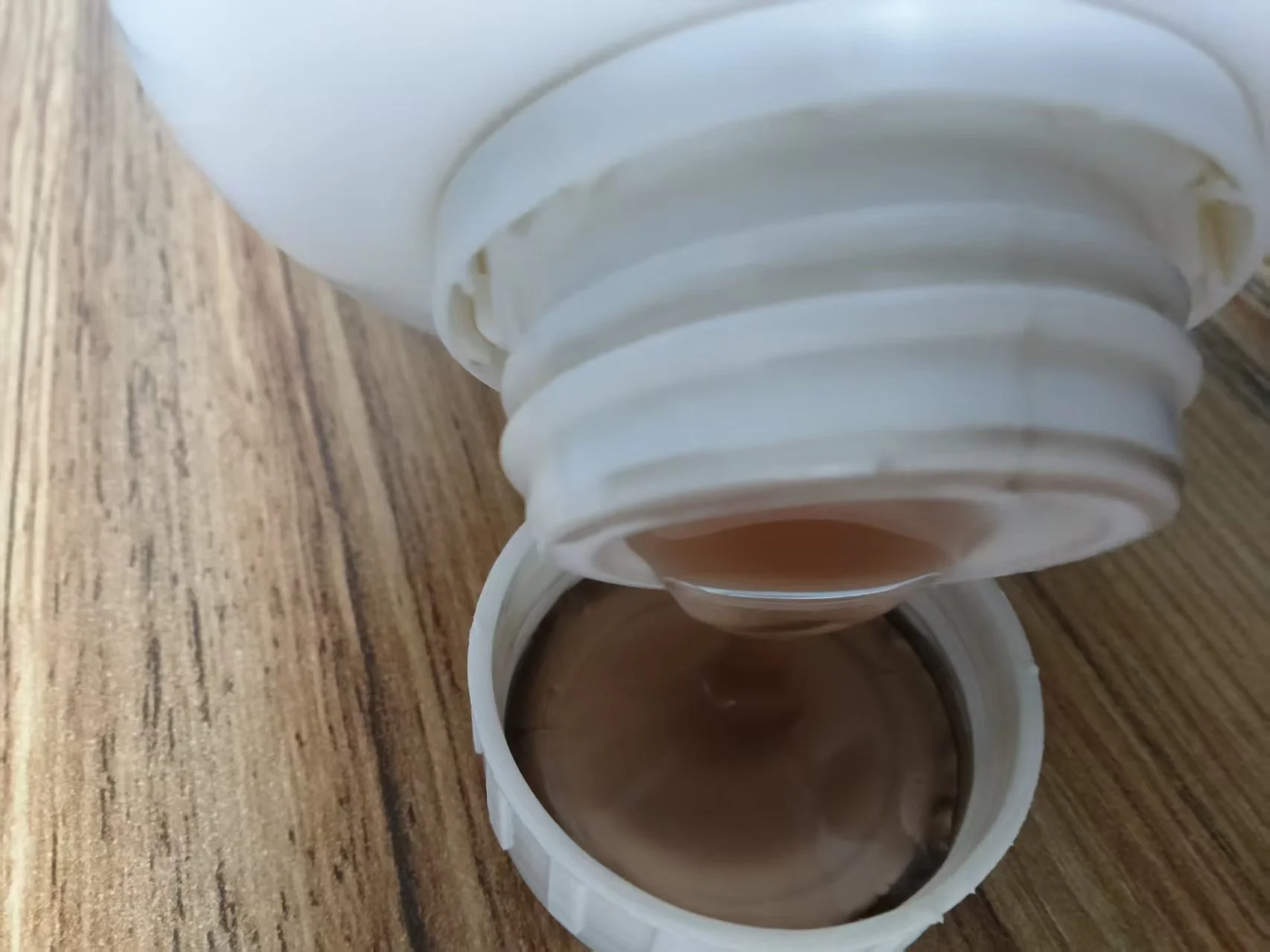
| Appearance | Light to dark brown viscous liquid |
| Moisture Content | <5% |
| Specific Gravity | 1.18 – 1.22 g/cm³ |
When it comes to suppliers, I’ve noticed some key nuances in quality, lead times, and technical support. Finding the right vendor can sometimes feel like more art than science—especially when you want reliable, consistent batches. I recall a mid-sized laundry detergent company I worked with—they switched suppliers twice within six months because the LAS acid quality was all over the map. It really affected their production yields.
| Vendor | Active Matter (%) | Price ($/ton) | Lead Time (days) | Technical Support |
|---|---|---|---|---|
| ZJ SLES | 70% | 800 | 7-10 | Excellent |
| Vendor B | 68% | 750 | 10-14 | Good |
| Vendor C | 65% | 700 | 15+ | Fair |
One important point: Always keep an eye on environmental regulations when sourcing and using LAS acid. Standards keep tightening globally, and a supplier with good compliance documentation saves headaches down the road. Also, compatibility with your formulation is key — I’ve seen LAS acid react differently depending on other ingredients, so testing is crucial.
For anyone diving into the world of surfactants, LAS acid is kind of foundational. It doesn’t scream innovation, but it reliably delivers on promises—and that counts for a lot. This product really epitomizes consistency, and frankly, I wouldn’t be surprised if it remains a staple for decades.
Remember, behind every great detergent (or cleaner) is a surfactant doing its humble magic — LAS acid is just one of the best-known players in that space.
Takeaway: Quality LAS acid isn’t just a raw material—it’s a linchpin in industrial formulations that quietly drives performance and compliance.
- “Environmental Fate and Effects of Linear Alkylbenzene Sulfonate (LAS)” – ECHA, 2020
- Chemical Economics Handbook – IHS Markit, 2023
- Industrial Surfactants and Their Applications – J. Industrial Chemistry, 2021