Understanding 92 % AOS: What It Is and Why It Matters Globally
So, you’ve probably come across the term 92 % AOS in industry conversations and wondered what it really means—and why so many sectors seem to care about it. At its core, 92 % AOS is shorthand for a specific degree of alpha-olefin sulfonate purity, typically used in surfactants, detergents, and water treatment chemicals. But don’t be fooled—it’s not just a lab label. Globally, understanding and applying 92 % AOS impacts everything from environmental sustainability to industrial efficiency. Getting familiar with it means better products, smarter sourcing, and often, lower ecological footprints.
Introduction: The Global Relevance of 92 % AOS
Why should anyone care about 92 % alpha-olefin sulfonate? Honestly, it might seem niche at the start. But when you zoom out, this compound plays a vital role in industries that affect billions. For example, the UN estimates worldwide water treatment need will surge by 40% over the next two decades, pushing demand for highly effective surfactants like 92 % AOS (1). Water cleaning, detergent formulations, even oil recovery—these are sectors that rely heavily on guaranteed purity and performance. Sadly, many products cut corners, offering lower concentration sulfonates that compromise quality or create environmental challenges. 92 % AOS addresses this by delivering consistency and potency, making industrial processes smoother and greener.
Mini takeaway: Globally, 92 % AOS is central to clean water, hygiene, and efficiency sectors, powering solutions that millions depend on daily.
Defining 92 % AOS
In the simplest terms, 92 % AOS means the alpha-olefin sulfonate content is present at 92% purity by weight—pretty high for industrial surfactants. Alpha-olefin sulfonates are sulfur-containing surfactants derived from linear alpha olefins, offering excellent detergency and foaming properties. These chemicals are less harsh than some traditional surfactants, making them well-suited for formulations that require both power and gentleness. In practice, 92 % AOS is the sweet spot balancing strength with environmental compliance. Many manufacturers prefer it because it optimizes cleaning action without unnecessary additives.
It’s especially relevant for sectors focused on modular housing chemicals, water purification, and even cosmetics, where product safety and reliability are non-negotiable.
Core Components and Factors of 92 % AOS
1. Purity and Consistency
The “92%” figure is critical because it guarantees consistent quality. Oddly enough, surfactant behavior can be wildly unpredictable if purity fluctuates. Manufacturers who need reliable foam stability, wetting ability, or emulsification properties depend on consistent 92 % AOS-grade substances to hit their specs every time.
2. Environmental Compatibility
Compared to lower-grade sulfonates, 92 % AOS tends to biodegrade more efficiently, reducing ecological impacts. With ISO guidelines tightening globally (2), surfactant users must balance performance with sustainability—which this grade can help achieve.
3. Cost Efficiency
Higher purity often suggests higher costs, but 92 % AOS strikes a smart balance. Users find they actually save money by needing less product per application, as its concentrated nature improves performance, especially in detergents and industrial cleaning agents.
4. Scalability
Mass producing 92 % AOS requires precise control but modern techniques have made scaling feasible. This means large water treatment plants and consumer goods manufacturers can procure it reliably at volume.
5. Versatility
From hand soaps to oilfield chemicals to wastewater treatment, the core chemical structure supports a range of applications, enhanced by the stable 92 % grade.
Real-World Applications: Where 92 % AOS Shines
Take disaster relief zones, for instance, where temporary housing and sanitation solutions must come online fast and work reliably. Detergents formulated with 92 % AOS ensure hygiene products perform under challenging conditions, reducing infection risks. Likewise, in remote industrial zones—say, mining in South America—water treatment systems rely on consistent surfactants to clean wastewater efficiently without environmental damage.
92 % AOS is also pivotal in cosmetics where milder, biodegradable formulas are prized, and in agricultural chemical formulations where precise wetting aids spray efficacy.
Advantages and Long-Term Value
- Cost Savings: Using a high-grade surfactant means needing less product and cutting waste.
- Sustainability: Better biodegradability aligns with global environmental targets.
- Reliability: Less product variability means fewer production hiccups.
- Social Impact: Cleaner water and safer detergents reflect societal responsibility.
It’s this mix of logical and emotional benefits that drives industries toward 92 % AOS adoption. Frankly, knowing you’re using a surfactant that’s cleaner and more sustainable feels good—and works better.
Product Specifications of Typical 92 % AOS Grade
| Property | Specification |
|---|---|
| Alpha-Olefin Sulfonate Content | ≥ 92 % |
| Active Matter | 45–55 % |
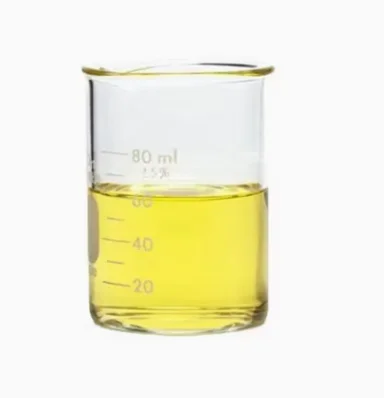
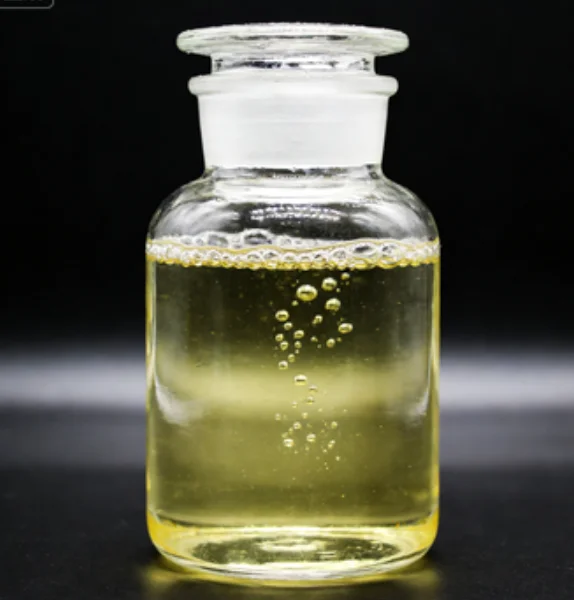
| Color | Light Yellow to Brown |
| pH (10% solution) | 8.5–10 |
| Biodegradability | >70% in 28 days |
Comparing Major 92 % AOS Vendors
| Vendor | Purity (%) | Global Reach | Pricing Tier | Eco Certifications |
|---|---|---|---|---|
| SulfoTech Inc. | 92.3 % | North America, Europe | Mid-High | ISO 14001, EcoLabel |
| GreenChem Solutions | 92.0 % | Asia, Africa | Mid | REACH Compliant |
| PureSulfa Corp. | 92.5 % | Global | High | ISO 14001, EcoLabel, REACH |
Future Trends & Innovations
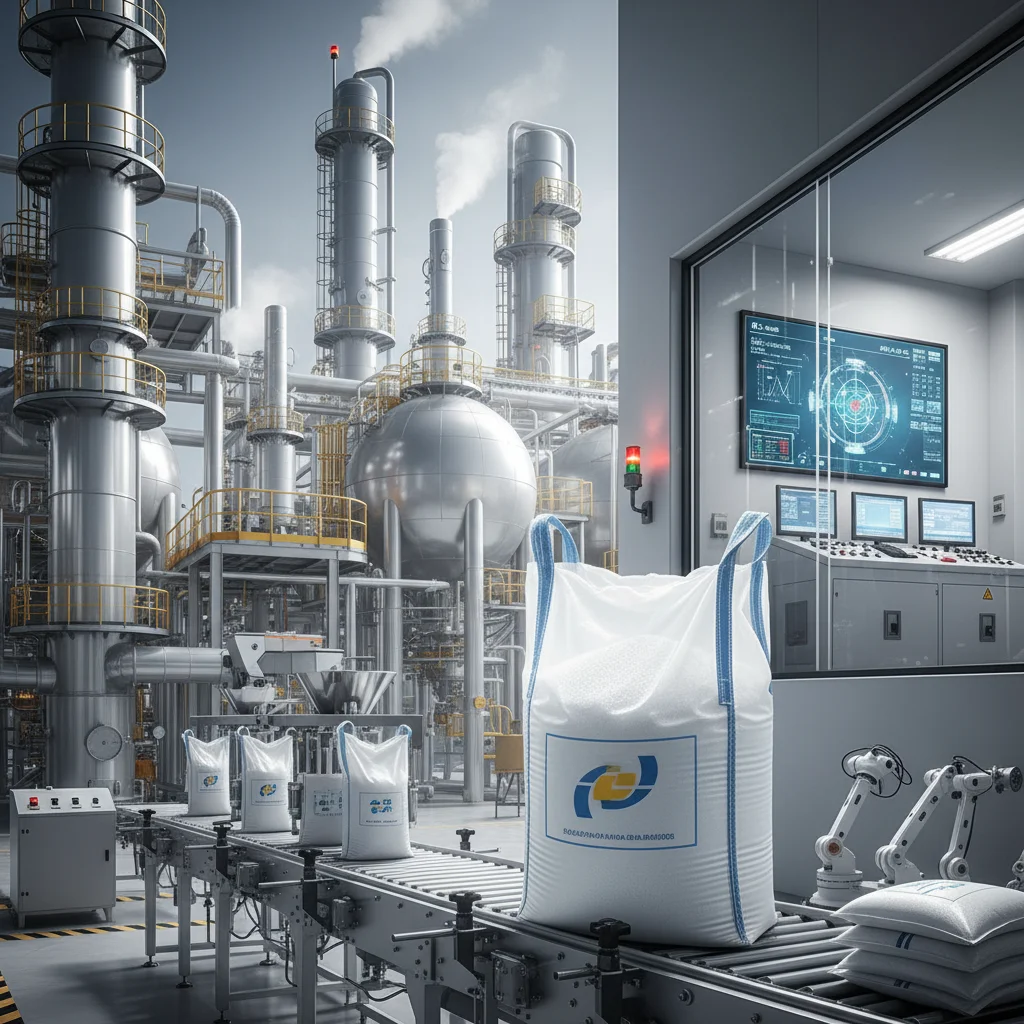
Looking forward, the 92 % AOS landscape is evolving quickly. There’s an increasing push towards even greener production methods—bio-based alpha-olefins and solvent-free sulfonation are research hotspots. Digitization in manufacturing brings better quality control, meaning even more stable grades. Automation is helping producers keep that purity consistent at scale, which frankly is a bit of a game changer. Meanwhile, sustainability policies worldwide are encouraging suppliers to reduce emissions during manufacturing and focus on recyclability of packaging.
Challenges & Solutions
Despite its benefits, 92 % AOS isn’t a perfect silver bullet. In some regions, inconsistent raw materials or lack of infrastructure make it tough to deliver this quality reliably. Plus, initial cost can be a barrier for smaller players. Industry experts recommend collaborative sourcing and contract manufacturing as ways to surmount these gaps. Plus, education and transparency about the long-term value usually convince procurement teams to invest upfront.
FAQ: Frequently Asked Questions About 92 % AOS
Q1: What makes 92 % AOS better than lower-grade surfactants?
A1: The key is purity. Higher purity means stronger, more predictable cleaning performance, less waste, and better environmental profiles. It reduces the amount needed in formulations, delivering cost and sustainability benefits.
Q2: How long can products containing 92 % AOS last in harsh conditions?
A2: When formulated properly, detergents or water treatment agents with 92 % AOS maintain stability and effectiveness for months or even years, depending on storage. This durability is critical in disaster zones or remote sites.
Q3: Is 92 % AOS eco-friendly?
A3: Generally, yes. It biodegrades faster and more fully than many other sulfonates, aligning with international environmental standards like ISO 14001 and REACH.
Q4: Can NGOs import 92 % AOS-based solutions internationally?
A4: Yes. Many vendors have global distribution and can assist NGOs with documentation and compliance to ease import/export processes across borders.
Conclusion & Call to Action
Overall, 92 % AOS isn’t just a chemical specification—it’s a cornerstone for smarter, greener, and more reliable industrial and humanitarian solutions worldwide. Whether you’re developing detergents, managing water treatment, or innovating in sustainability, choosing 92 % AOS-grade surfactants can pay dividends in performance and ethics. Ready to explore how it fits your needs? Visit our website: https://www.zjsles.com for more insights and solutions tailored to your industry.
Sometimes, it’s the little details like purity percentages that make the biggest difference. Hope this helped you understand the significance of 92 % AOS better!