Sodium Laureth Sulfate: What It Is and Why It Matters Globally
Sodium Laureth Sulfate (SLES) is a term you’ve likely seen on many product labels—it’s the foaming agent that’s responsible for those rich, bubbly lathers in shampoos, toothpastes, and soaps. But beyond just giving us that satisfying sudsy feel, understanding SLES has become increasingly important worldwide due to its widespread industrial use and environmental impact. Frankly, knowing what’s in these everyday products helps consumers make better choices and also helps manufacturers and regulators craft safer, more sustainable solutions.
As the global personal care and cleaning product industries continue to expand — estimated to have reached over $500 billion in market value by 2023 — sodium laureth sulfate remains a key ingredient. But at the same time, concerns around environmental sustainability and skin safety are raising new questions. So let’s unpack what SLES actually is, why it’s so prevalent, and what trends might shape its future.
Introduction: The Global Relevance of Sodium Laureth Sulfate
Sodium Laureth Sulfate plays a surprisingly big role on the global stage. According to industry reports and environmental assessments from bodies like the International Organization for Standardization (ISO), SLES is used in over 80% of personal care formulations worldwide due to its superior surfactant properties. This means it's not just in your shampoo, but also in industrial cleaners and even some agricultural sprays.
Yet, there’s a problem: while its cleaning efficiency is impressive, its environmental footprint and potential skin irritation effects have sparked debates, especially in regions with strict chemical safety standards such as the European Union. The challenge is to balance efficacy with safety and sustainability—no small feat given its ubiquity.
Definition & Meaning of Sodium Laureth Sulfate
To cut through the jargon, sodium laureth sulfate is a synthetic detergent and surfactant derived from ethoxylated lauryl alcohol. Simply put, it helps water and oils mix so dirt can be rinsed away easily. It belongs to a class of compounds called anionic surfactants — molecules that reduce surface tension and create foam. That foam isn’t just cosmetic; it traps grime and lifts it off surfaces and skin.
In modern industry, SLES figures significantly in hygiene, sanitation, and cleaning solutions, helping meet global health standards. It even plays a part in humanitarian efforts, where affordable and effective cleaning agents are critical, for example, in refugee camps or post-disaster relief programs.
Key Factors or Core Components of Sodium Laureth Sulfate
1. Cleaning Efficacy
SLES is prized for its strong cleaning power and ability to generate abundant foam quickly. This means fewer chemicals are needed per wash, improving cost efficiency.
2. Cost Efficiency
It’s relatively inexpensive to produce thanks to established petrochemical processes, which has driven its widespread adoption globally.
3. Skin Compatibility (With Caveats)
While effective, SLES can sometimes irritate sensitive skin if used in high concentrations or without proper formulation. This has led to modifications and blends with milder agents.
4. Environmental Considerations
Sodium laureth sulfate is biodegradable, but its production and use contribute to aquatic pollution if wastewater is not properly treated. Sustainable sourcing and greener alternatives are research frontiers.
5. Versatility
Beyond cosmetics, it’s used in industrial detergents, textile processing, and even in oil extraction—showing how versatile the molecule is.
Product Specification Table: Typical Sodium Laureth Sulfate Quality Parameters
| Parameter | Typical Value | Units | Notes |
|---|---|---|---|
| Active Matter | 28-30 | % | Concentration of SLES in solution |
| pH | 6-8 | — | Mildly acidic to neutral |
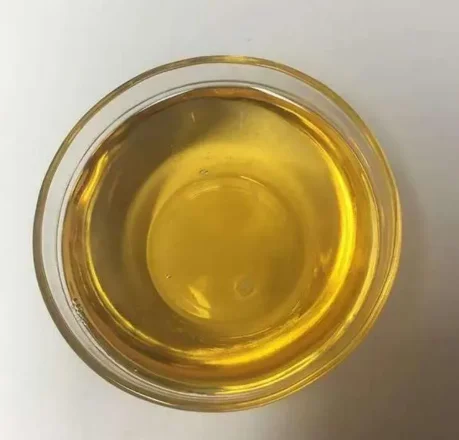
| Appearance | Clear to pale yellow liquid | — | Standard industrial grade |
| Solubility | Complete | — | Fully water soluble |
Global Applications & Use Cases
Sodium Laureth Sulfate’s reach is genuinely global. In Asia-Pacific, booming personal care industries depend heavily on it to meet the skincare and haircare demands of hundreds of millions of consumers. In North America, it’s pivotal in hospital-grade disinfectants and household cleaning products.
Oddly enough, in humanitarian operations—like those run by the UNICEF—SLES-containing shampoos and soaps help maintain hygiene standards in camps, reducing communicable diseases. Similarly, in remote industrial zones, its application in degreasing and equipment cleaning helps maintain machinery efficiency.
Vendor Comparison Table: Leading Sodium Laureth Sulfate Suppliers
| Vendor | Product Grade | Active Matter (%) | Approximate Cost (USD/ton) | Sustainability Certification |
|---|---|---|---|---|
| Vendor A | Industrial Grade | 28 | $1,200 | ISO 14001 |
| Vendor B | Cosmetic Grade (Low irritation) | 30 | $1,500 | Green Seal |
| Vendor C | Eco-Friendly Grade | 27 | $1,800 | RSPO, ISO 14001 |
Advantages & Long-Term Value
Sodium Laureth Sulfate’s long-term advantages lie in its balance of cost, performance, and availability. It remains affordable for manufacturers large and small, while delivering powerful cleaning action that consumers expect. There’s also a psychological aspect — clean, foamy products convey a feeling of safety and thoroughness, which matters a lot when it comes to personal hygiene products.
From an environmental standpoint, SLES biodegrades more readily than older surfactants, which means less long-term environmental persistence. Sustainability-minded companies have also begun developing versions from renewable feedstocks, reducing fossil-fuel dependence.
Future Trends & Innovations in Sodium Laureth Sulfate
The world is trending toward greener surfactants and less harsh formulations. Using biotechnology, manufacturers increasingly produce bio-based lauryl alcohol precursors and improve ethoxylation processes to cut waste and energy use.
Another interesting trend is formulating blends that combine SLES with milder or more skin-friendly surfactants. Automation and digital tools now help rapidly optimize formulations tailored to specific regional preferences or skin types—a kind of personalization that was science fiction not long ago.
Challenges & Solutions in Using Sodium Laureth Sulfate
That said, challenges remain. Skin irritation concerns persist, especially for people with sensitive skin or prolonged exposure, which has led to regulatory limits on concentration in some countries. Additionally, waste treatment to prevent aquatic toxicity is critical but uneven worldwide.
Solutions include using a combination of alternative surfactants, investing in wastewater treatment infrastructure, and improving supply chain transparency. It also pays to educate consumers: awareness can drive demand for formulations that are both effective and kinder to skin and environment.
FAQ: Frequently Asked Questions About Sodium Laureth Sulfate
- Is sodium laureth sulfate safe for sensitive skin?
SLES can cause irritation in some sensitive individuals, especially in high concentrations or with frequent use. However, many cosmetic formulations moderate its level or pair it with soothing agents to reduce effects. - How biodegradable is sodium laureth sulfate?
SLES is classified as biodegradable under standard environmental assessments, breaking down into non-toxic components in wastewater treatment plants within days. - Can sodium laureth sulfate be derived from renewable sources?
Yes. Advances in green chemistry now allow production of lauryl alcohol from plant-based feedstocks rather than fossil fuels, making “green” SLES a growing market niche. - How does SLES compare to sodium lauryl sulfate?
While chemically related, SLES is ethoxylated, making it milder and less irritating than its close cousin sodium lauryl sulfate (SLS). That’s why SLES is preferred in many personal care products. - Where can I find reliable sodium laureth sulfate suppliers?
Established chemical manufacturers and distributors, often certified with ISO 14001 or other sustainability marks, are best bets. Vetting quality and sourcing details is important; check suppliers’ environmental and safety records.
Conclusion & Call to Action
Sodium Laureth Sulfate holds a nuanced position—both a cornerstone of modern cleaning technology and a subject of ongoing scrutiny concerning health and environmental impact. By understanding its properties, applications, and future trends, stakeholders from manufacturers to consumers can better navigate this chemical’s role in daily life.
For those interested in deepening their knowledge or sourcing high-quality SLES, a good place to start is at reputable suppliers’ websites like Sodium Laureth Sulfate. Here, you can find detailed specs, safety data, and sustainable product options—because being informed truly empowers better choices.
Mini takeaway: Sodium Laureth Sulfate remains a vital but evolving chemical ingredient, where innovation and responsibility must go hand in hand.