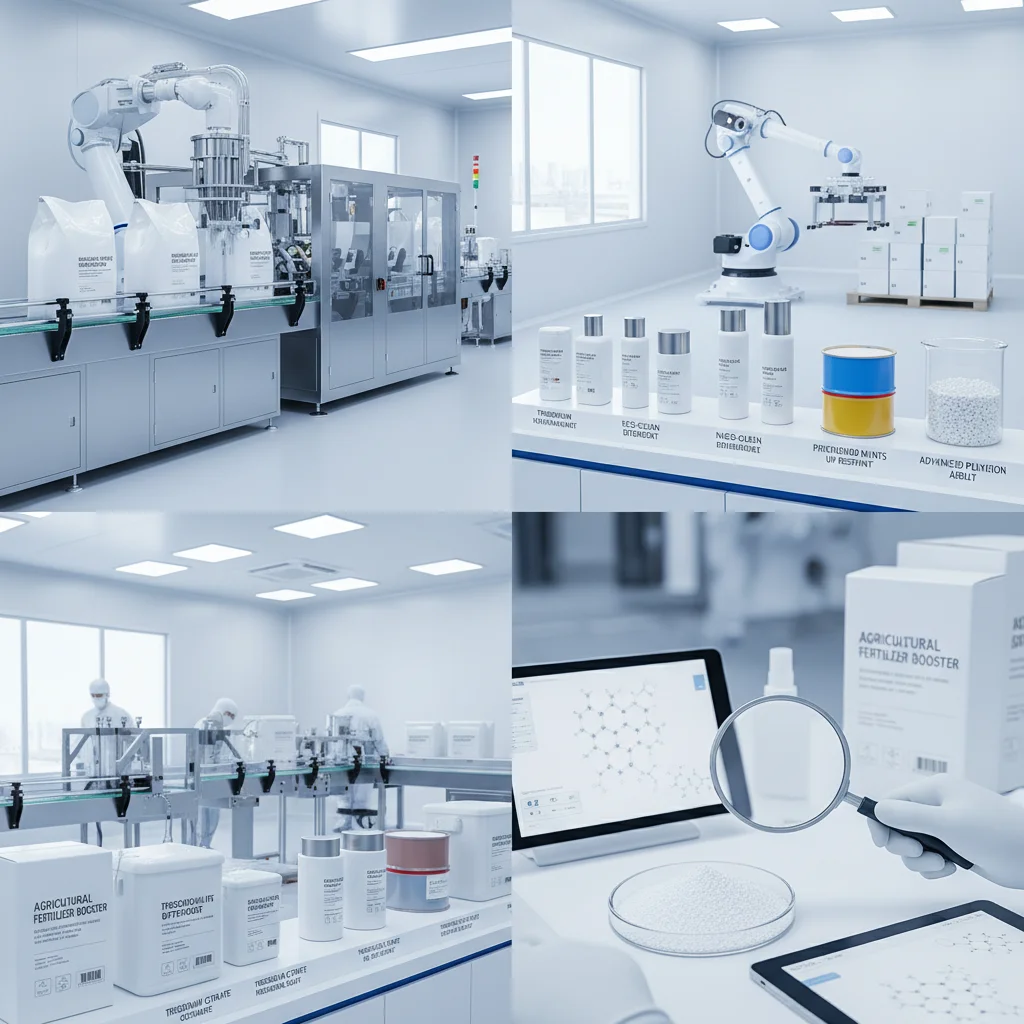
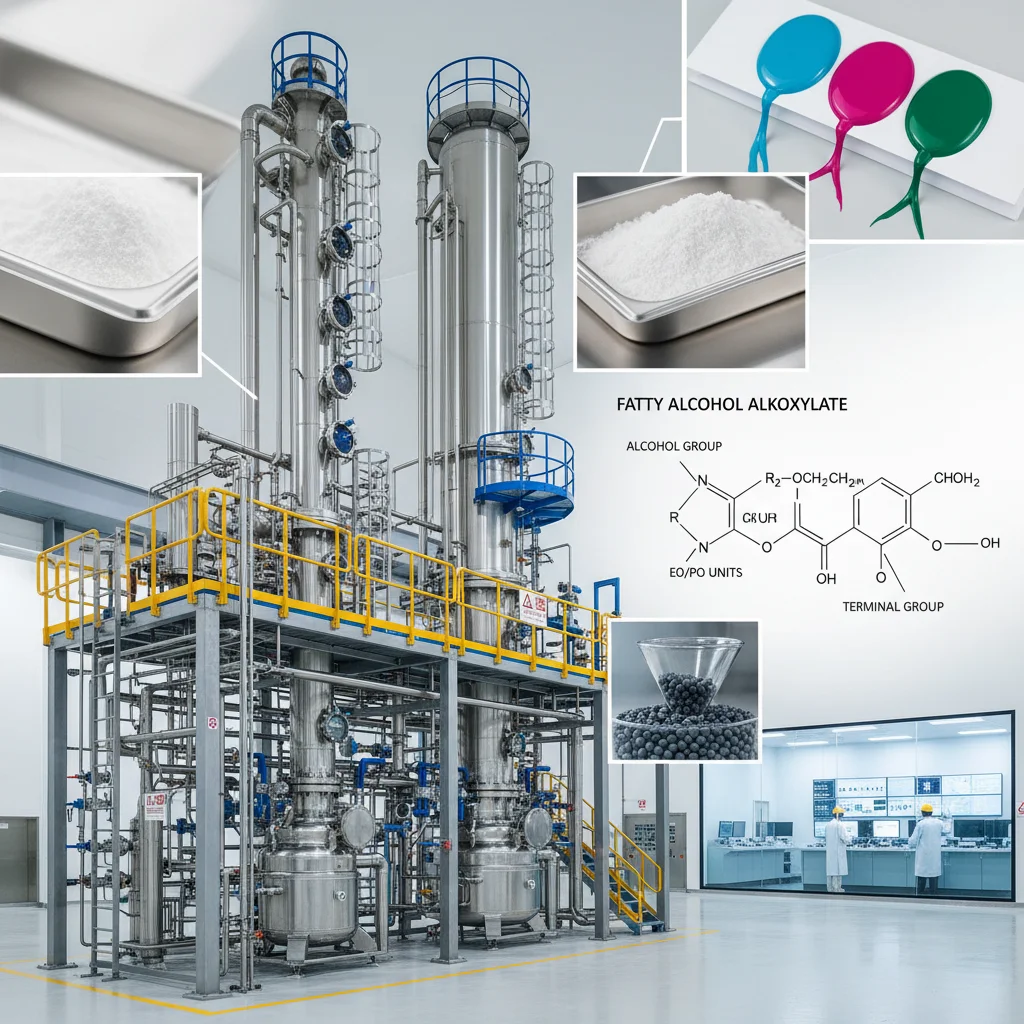
Nonionic surfactants are a versatile class of compounds crucial across diverse industries, from detergents and cosmetics to pharmaceuticals and biotechnology. Their unique properties, stemming from a lack of electrical charge, allow them to effectively reduce surface tension and stabilize mixtures. Understanding their characteristics and applications is paramount for innovation and efficiency in countless processes, impacting global manufacturing, healthcare, and environmental sustainability.
The demand for nonionic surfactants is steadily increasing, driven by the growing need for milder, more effective cleaning agents and specialized formulations. Globally, the surfactant market is a multi-billion dollar industry, with nonionic surfactants consistently holding a significant share. This is partially fueled by stricter environmental regulations favoring biodegradable options and consumer preferences for gentler products. Addressing challenges in sustainable sourcing and production will be key to continued growth.
Nonionic surfactants play a vital role in addressing humanitarian needs. Their ability to emulsify and solubilize diverse substances makes them essential components in water purification, medical diagnostics, and even vaccine development. Their widespread availability and relatively low cost make them a practical solution for improving sanitation and healthcare access in resource-limited settings, demonstrating their critical importance on a global scale.
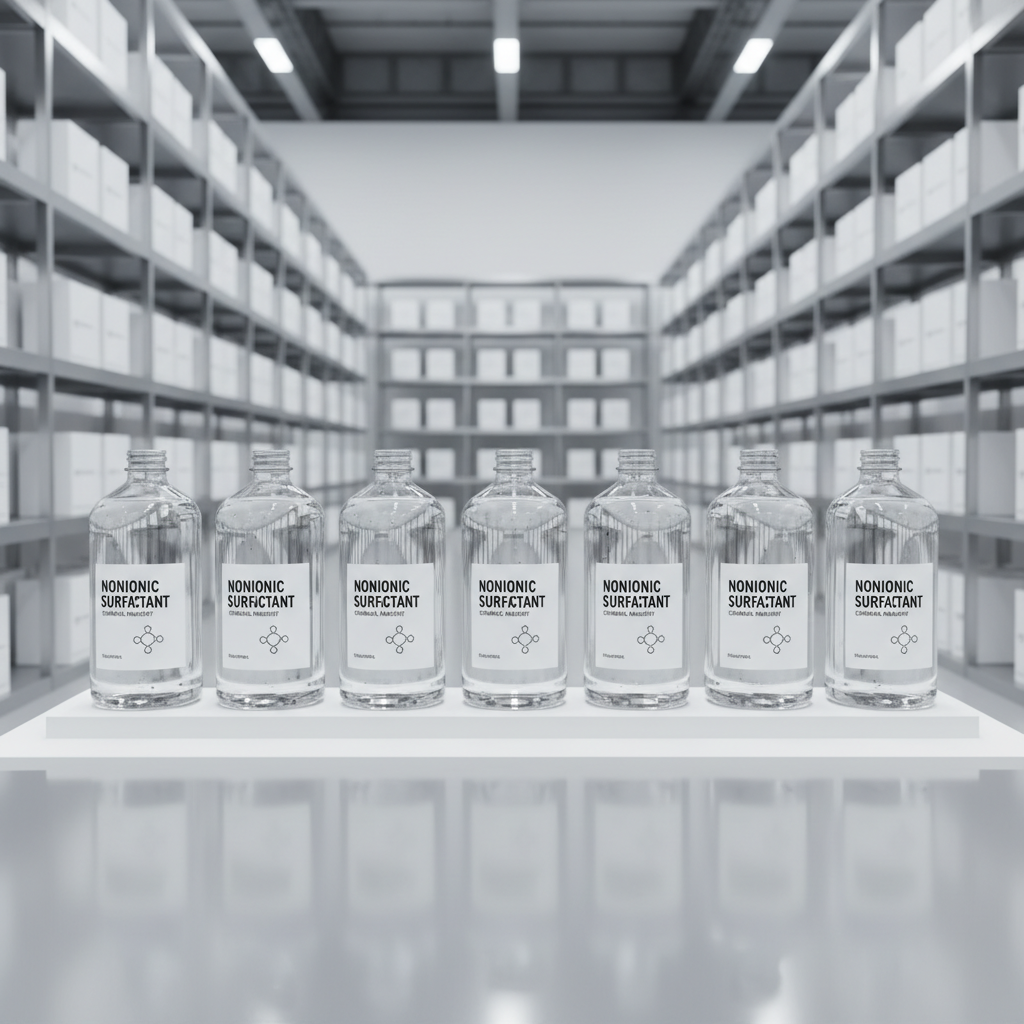
Introduction to Nonionic Surfactant
Nonionic surfactants are amphiphilic molecules characterized by a hydrophobic tail and a hydrophilic head, but unlike ionic surfactants, their hydrophilic portion doesn't carry an electrical charge. This unique feature dictates their behavior in solution, offering advantages in stability and compatibility with other ingredients. Nonionic Surfactant selections are often the preferred choice for applications where ionic interference is undesirable.
Their versatile nature makes them integral to countless formulations, serving as emulsifiers, detergents, wetting agents, and dispersants. From household cleaning products to complex industrial processes, nonionic surfactants contribute significantly to improved performance and product quality. The increasing demand highlights their continued importance in modern chemical applications.
Defining Nonionic Surfactant
A nonionic surfactant is a surface-active agent that doesn’t possess a net electrical charge in aqueous solution. This is fundamentally different from anionic, cationic, or amphoteric surfactants which carry positive or negative charges. The hydrophilic portion of a nonionic surfactant typically contains neutral functional groups like hydroxyl (-OH) or polyether chains.
This lack of charge gives nonionic surfactants distinct properties. They are less sensitive to water hardness and less likely to cause irritation than ionic counterparts, making them ideal for personal care products. Their compatibility with a wide range of other ingredients also contributes to their popularity in diverse formulations.
The connection to modern industry and humanitarian needs is strong. Their ability to lower surface tension allows for more effective cleaning, emulsification, and dispersion—critical processes in manufacturing, healthcare, and environmental remediation. They contribute to improved product performance, reduced environmental impact, and increased accessibility of essential goods and services.
Key Characteristics of Nonionic Surfactants
One key characteristic of nonionic surfactants is their excellent compatibility. Because they lack charge, they don’t interact strongly with ions in the solution, making them suitable for hard water environments and formulations containing other charged components. This allows for stable and predictable performance across varying conditions.
Another crucial factor is their low toxicity and mildness. Nonionic surfactants generally cause less skin and eye irritation compared to ionic surfactants, making them preferred for personal care products like shampoos, body washes, and lotions. This safety profile is a significant driver of their use in consumer products.
The effectiveness of nonionic surfactants is highly dependent on their Hydrophilic-Lipophilic Balance (HLB) value. This value indicates the relative proportion of hydrophilic and lipophilic portions of the molecule, dictating its performance as an emulsifier, detergent, or wetting agent. Selecting the appropriate HLB value is crucial for achieving optimal results in a specific application.
Practical Applications of Nonionic Surfactants
Nonionic surfactants are widely used in the detergent industry to enhance cleaning power. They effectively lift and remove dirt, oil, and grease from surfaces, even in hard water. Their compatibility with other detergent ingredients and their mildness contribute to the effectiveness and consumer appeal of laundry detergents and dishwashing liquids.
In the cosmetic and personal care industries, nonionic surfactants act as emulsifiers, helping to blend oil and water-based ingredients. They create stable emulsions in creams, lotions, and shampoos, ensuring a consistent texture and appearance. The gentle nature of these surfactants is also beneficial for sensitive skin.
Nonionic Surfactant Application Performance
Global Applications & Industry Impact
The Asia-Pacific region represents the largest market for nonionic surfactants, driven by robust economic growth and increasing demand from the textile, personal care, and cleaning industries. China and India are particularly significant consumers, with rapidly expanding manufacturing sectors fueling demand.
In the pharmaceutical industry, nonionic surfactants are crucial for formulating injectable drugs, enhancing drug solubility and stability. They are also used in vaccine production to stabilize viral particles and improve immune response. The ability to maintain biological activity in sensitive formulations is paramount.
The agricultural sector utilizes nonionic surfactants as adjuvants, improving the effectiveness of herbicides, pesticides, and fertilizers. They enhance the wetting and spreading of these chemicals on plant surfaces, leading to better coverage and improved pest control. This results in increased crop yields and reduced chemical usage.
Advantages and Long-Term Value
Nonionic surfactants offer significant cost advantages in many applications. Their effectiveness at lower concentrations, coupled with their compatibility with other ingredients, can reduce overall formulation costs. Their stability and long shelf life further contribute to economic benefits.
Sustainability is a growing concern, and nonionic surfactants offer potential for eco-friendly formulations. Many nonionic surfactants are biodegradable, reducing their environmental impact. The development of bio-based nonionic surfactants, derived from renewable resources, is further enhancing their sustainability profile.
Future Trends and Innovations
Research into bio-based nonionic surfactants is accelerating, with a focus on utilizing renewable feedstocks like plant oils and sugars. These “green” surfactants offer a sustainable alternative to traditional petroleum-based options, reducing the carbon footprint of numerous products.
The development of “smart” surfactants, capable of responding to specific stimuli like temperature or pH, is a promising area of innovation. These surfactants can offer tailored performance and enhanced functionality in specialized applications. Digitalization and automated formulation techniques are also optimizing the design and production of nonionic surfactant-based products.
Advancements in nanotechnology are enabling the creation of nano-emulsions stabilized by nonionic surfactants, leading to improved delivery systems in pharmaceuticals, cosmetics, and agrochemicals. These nano-emulsions offer enhanced bioavailability and targeted delivery, maximizing product effectiveness.
Challenges & Solutions
A major challenge is the sourcing of sustainable and cost-effective raw materials for nonionic surfactant production. Reliance on petroleum-based feedstocks raises environmental concerns and price volatility. Investing in research and development of bio-based alternatives is crucial.
Another challenge is the potential for incomplete biodegradation of some nonionic surfactants in the environment. Developing surfactants with improved biodegradability and optimizing wastewater treatment processes are essential for mitigating environmental risks. Utilizing enzymes to accelerate biodegradation is a promising approach.
Addressing the complexity of formulating with nonionic surfactants, particularly in multi-component systems, requires advanced modeling and analytical techniques. Employing computational chemistry and machine learning algorithms can help predict surfactant behavior and optimize formulations for specific applications.
Nonionic Surfactant Performance Analysis
| Surfactant Type |
Biodegradability Score (1-10) |
Cost Effectiveness (1-10) |
Application Versatility (1-10) |
| Alcohol Ethoxylates |
7 |
8 |
9 |
| Alkyl Polyglucosides |
9 |
6 |
8 |
| Fatty Acid Alkanolamides |
5 |
7 |
7 |
| Polyoxyethylene Sorbitan Esters |
6 |
6 |
9 |
| Ethoxylated Castor Oil |
4 |
9 |
6 |
| Fatty Alcohol Ethoxylates |
8 |
7 |
8 |
FAQS
Nonionic surfactants offer several advantages, including better compatibility with hard water, reduced irritation potential making them ideal for personal care, and less sensitivity to electrolyte concentrations. Unlike ionic surfactants, they don't carry an electrical charge which minimizes unwanted interactions with other formulation components and simplifies formulation development. This makes them incredibly versatile for a wider range of applications.
While many nonionic surfactants are biodegradable, it's not a universal characteristic. Biodegradability depends on the specific chemical structure of the surfactant. Alcohol ethoxylates and alkyl polyglucosides are generally considered readily biodegradable, while some ethoxylated compounds can be more persistent. Choosing surfactants with proven biodegradability and optimizing wastewater treatment processes are crucial for environmental sustainability.
The HLB (Hydrophilic-Lipophilic Balance) value is a critical parameter that determines the surfactant's effectiveness in different applications. A low HLB value indicates a more oil-soluble surfactant, suitable for water-in-oil emulsions or as a wetting agent. A high HLB value indicates a more water-soluble surfactant, ideal for oil-in-water emulsions or as a detergent. Selecting the correct HLB value is essential for achieving desired emulsion stability and performance.
Key trends include the development of bio-based surfactants derived from renewable resources, the creation of "smart" surfactants responsive to environmental stimuli, and the use of nanotechnology to create nano-emulsions with enhanced properties. Furthermore, advancements in computational chemistry are accelerating the discovery and optimization of new nonionic surfactant formulations for specific applications.
Nonionic surfactants contribute to sustainability by enabling the formulation of effective cleaning products at lower concentrations, reducing overall chemical usage. Biodegradable nonionic surfactants minimize environmental impact, and the increasing availability of bio-based options further enhances sustainability. Their compatibility with other environmentally friendly ingredients allows for the creation of eco-friendly cleaning solutions.
Yes, nonionic surfactants are widely used in medical applications. They serve as solubilizers for poorly water-soluble drugs, stabilizers for protein formulations, and components of diagnostic reagents. Their low toxicity and biocompatibility make them suitable for both in vitro and in vivo applications, contributing to improved drug delivery and diagnostic accuracy.
Conclusion
Nonionic surfactants represent a cornerstone of modern chemistry, offering a unique blend of versatility, effectiveness, and compatibility. Their ability to reduce surface tension and stabilize mixtures has revolutionized industries from cleaning and cosmetics to pharmaceuticals and agriculture. Understanding their characteristics, applications, and emerging trends is crucial for continued innovation and sustainability.
Looking ahead, the focus will likely be on developing bio-based alternatives, enhancing biodegradability, and leveraging nanotechnology to create “smart” surfactants with tailored properties. Continued investment in research and development, coupled with a commitment to sustainable practices, will unlock even greater potential for nonionic surfactants to address global challenges and improve quality of life. For more information on high-quality nonionic surfactants, visit our website: www.zjsles.com